You’re slicing a plum over the sink on a warm afternoon. A piece slips, hits the floor, and your dog inhales it before you can blink. Now you’re standing there wondering whether you need to call someone. Can dogs eat plums, or did that dropped slice just turn into an emergency?
Quick Answer
Plum flesh is not toxic to dogs, and a small piece of ripe, pitted plum is generally safe as an occasional treat. The pit, stem, and leaves are the real danger — they contain cyanogenic compounds and the pit itself can cause choking or intestinal blockage. This guide helps owners who want to share fruit safely without gambling on their dog’s health.
TL;DR: The soft orange flesh of a ripe plum is fine in small amounts. Everything hard or green — pit, stem, leaves — is off-limits and potentially dangerous. When in doubt, skip the plum and offer a safer fruit.
Key Takeaways
- Only feed ripe plum flesh, fully pitted and cut into small pieces.
- Never let your dog chew, swallow, or play with a plum pit.
- Limit fruit to under 10% of daily calories to avoid stomach upset.
- Watch for vomiting, drooling, or straining after any pit exposure.
- Call your vet immediately if a pit was swallowed, even if your dog seems fine.
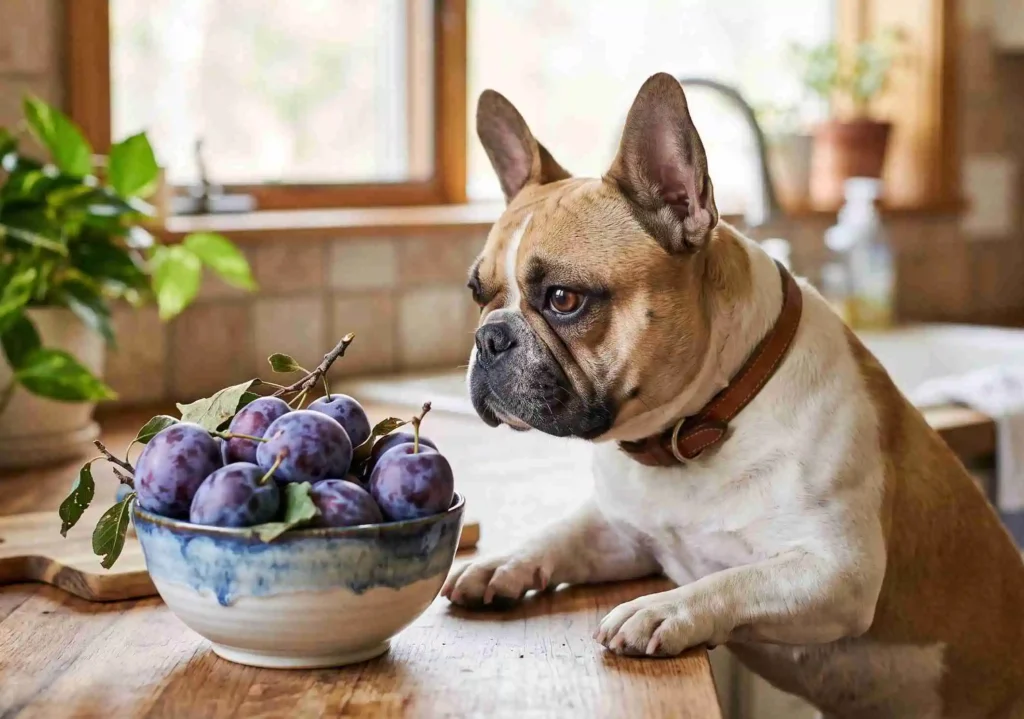
Table of Contents
Why This Matters More Than Most Fruit Questions
Most fruit safety questions come down to sugar content and portion size. Plums are different. They belong to the Prunus family, the same group that includes cherries, peaches, and apricots. Every member of that family stores cyanogenic glycosides in its seeds, stems, and leaves.
That means a plum isn’t one food to your dog. It’s two very different things sharing a single package: harmless sweet flesh wrapped around a genuinely risky center.
The second issue is mechanical. A plum pit is roughly the size of a large marble, with rough ridges and a stubbornly hard shell. Dogs don’t peel fruit. They gulp. A pit that clears the throat can still lodge in the small intestine days later.
This dual risk is why “can dogs eat plums” doesn’t have a clean yes or no answer. Preparation determines everything.
What Actually Happens Inside the Fruit
Plum flesh contains water, fiber, vitamin C, vitamin A, and potassium. None of that is harmful to dogs. The fiber can even help firm up loose stools in tiny amounts, though it works the opposite way if you overdo it.
The pit is a different story. Inside the woody shell sits a kernel containing amygdalin. When chewed and digested, amygdalin breaks down into hydrogen cyanide. Cyanide blocks cells from using oxygen, which is why symptoms escalate quickly when they appear.
Here’s the practical reassurance: a dog would need to crack open and thoroughly chew multiple kernels for serious cyanide poisoning. A pit swallowed whole usually passes through intact, cyanide-wise.
But that’s exactly where the second risk takes over. An intact pit is a hard, indigestible object moving through a narrow tube. In small and medium breeds especially, that object can wedge in place and stop everything behind it.
Sugar deserves a brief mention too. Plums are sweet — around 16 grams of sugar in a medium fruit. For a dog with diabetes, pancreatitis history, or a weight problem, that sugar load matters more than the cyanide question ever will.
Common Mistakes Owners Make With Plums
Mistake: Tossing a whole plum into the yard as a “treat.” The fix: Never hand your dog an unpitted plum. Slice, remove the pit, then serve small pieces from your hand or bowl.
Mistake: Assuming a swallowed pit will “just pass.” The fix: Call your vet the same day. They may want imaging or may simply advise monitoring, but that decision belongs to them.
Mistake: Letting dogs roam under a fruiting plum tree. The fix: Fence off the area or rake fallen fruit daily during the season. Dropped plums rot, ferment, and attract wasps, adding two more problems.
Mistake: Feeding dried plums (prunes). The fix: Skip them entirely. Prunes concentrate sugar dramatically and act as a strong laxative in dogs.
Mistake: Offering plum-flavored yogurt, jam, or baked goods. The fix: Read the label. Many contain xylitol, which is severely toxic to dogs even in tiny amounts.
Mistake: Treating plum flesh as a daily snack. The fix: Rotate fruits and keep treats under 10% of daily calories. Consistency isn’t a virtue with high-sugar foods.
Mistake: Waiting for symptoms before acting on a pit. The fix: Blockage symptoms often appear 12 to 48 hours after ingestion. By then, the situation is harder to manage.
Tools That Reduce the Real Risks
The plum question usually surfaces during a broader shift toward fresh foods. Owners start adding fruit and vegetables, and the digestive system doesn’t always keep pace. New foods, especially sugary ones, tend to produce loose stools during the transition week.
If your dog’s stomach reacts to fruit trials, a probiotic can smooth the adjustment. Purina Pro Plan Veterinary Supplements FortiFlora is a daily powder designed to support digestive balance in dogs recovering from dietary changes or mild diarrhea. It’s built for owners who want a straightforward, single-strain option their vet is likely to recognize. The powder mixes into food easily and most dogs accept the flavor without protest. The honest limitation: it’s noticeably more expensive per serving than multi-strain shelf brands, and it needs a full course rather than a single dose to show results.
CHECK PRICE ON AMAZON: https://amzn.to/3ZySvV4
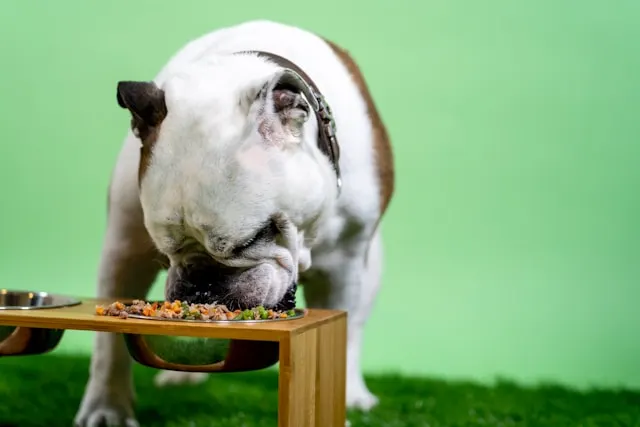
The second real-world problem is speed. Dogs who inhale food don’t give you time to intervene, and a dog who swallows a dropped plum whole is usually a dog who swallows everything whole. That habit also drives gas, regurgitation, and — in deep-chested breeds — bloat risk.
A JASGOOD Slow Feeder Dog Bowl uses raised ridges to force the dog to work around obstacles instead of scooping mouthfuls. It suits medium and large dogs who finish a meal in under a minute. Owners typically see mealtimes stretch from seconds to several minutes, which reduces gulping and gives the stomach time to signal fullness. The trade-off is cleaning: food packs into the grooves, and a quick rinse rarely does the job. Choosing the right slow feeder dog bowl depends on your dog’s muzzle shape as much as their size.
CHECK PRICE ON AMAZON: https://amzn.to/4bSghCM
How to Serve Plum Safely, Step by Step
- Choose a ripe plum. Underripe fruit is sour, harder to digest, and more likely to cause stomach upset.
- Wash the skin thoroughly. Commercial plums often carry pesticide residue and wax coatings.
- Cut around the pit and remove it completely. Discard the pit somewhere your dog cannot reach — not the kitchen trash.
- Remove the stem and any attached leaves. Both contain the same cyanogenic compounds as the pit.
- Slice the flesh into small, bite-sized pieces. Skin can stay on, but pieces should be small enough to swallow without effort.
- Start with one small piece. Wait 24 hours before offering more.
- Watch the stool. Loose or unusually soft stools mean the portion was too much.
- Set a portion ceiling. One or two small slices for a large dog, a single small piece for anything under 20 pounds.
Troubleshooting: If This, Then That
- If your dog swallowed a whole pit → Call your vet immediately, note the time, and do not induce vomiting on your own.
- If your dog chewed and crushed a pit → Treat this as urgent. Crushed kernels release cyanogenic compounds.
- If your dog ate plum flesh only and seems fine → Monitor for 24 hours. Loose stool is the most likely outcome.
- If your dog vomits repeatedly or refuses food → Seek veterinary care. Repeated vomiting after eating something hard suggests obstruction.
- If your dog develops soft stool the next day → Withhold treats for a day, ensure water access, and return to their regular diet.
- If your dog ate fallen, fermenting plums from the ground → Watch for wobbliness or disorientation. Fermented fruit contains alcohol.
- If you’re unsure how much was eaten → Assume the worst case and call. Vets prefer an unnecessary call over a late one.
When to See a Professional
Contact your veterinarian without delay if you observe repeated vomiting, a hard or painful abdomen, straining without producing stool, or refusal to eat for more than 12 hours. These are classic obstruction signs and they worsen quickly.
Cyanide exposure looks different: bright red gums, rapid or labored breathing, dilated pupils, weakness, or collapse. This is an emergency, not a wait-and-see situation.
A single small piece of pitted plum flesh in a healthy dog almost never warrants a call. A pit does. So does any plum eaten by a dog with diabetes, pancreatitis, or a history of gastrointestinal surgery.
If your dog is prone to persistent digestive upset or diarrhea, mention the fruit trial at your next appointment. Patterns matter more than single incidents.
What Veterinary Guidance Says
Veterinarians consistently treat Prunus pits as a two-part hazard rather than a simple toxicity question. The American Kennel Club notes that while plum flesh itself isn’t poisonous, the pits pose both a choking and obstruction risk and contain cyanide, which is why the fruit is generally discouraged as a routine treat. The AKC’s guidance on fruits dogs can and can’t eat places plums firmly in the caution category for this reason.
The broader principle comes from veterinary nutrition guidance: treats of any kind should stay under roughly 10% of a dog’s daily caloric intake, with the remainder from a complete and balanced diet. The American Veterinary Medical Association’s pet nutrition resources emphasize that supplemental foods shouldn’t displace balanced nutrition. That framing is useful here — plum flesh offers modest vitamin content that a good diet already provides, so the nutritional upside is small compared to the pit risk. This article is general information and not a substitute for veterinary diagnosis.
Safer Fruits to Reach For Instead
If the goal is a fresh, low-calorie treat, several options carry none of the pit risk. Many owners find that watermelon works well in summer, since it’s mostly water and easy to portion — just remove the seeds and rind first.
For year-round options, blueberries are small enough to serve whole, low in sugar, and rich in antioxidants. Some dogs also enjoy crunchy carrots, which double as a mild dental chew.
Worth remembering: not every fruit is negotiable. Grapes and raisins are genuinely toxic to dogs and can cause acute kidney failure at unpredictable doses. That’s a hard no, unlike the conditional yes that plums get.
Frequently Asked Questions
Can dogs eat plums safely? Yes, in small amounts, as long as the plum is ripe and fully pitted. The flesh isn’t toxic. The pit, stem, and leaves are the dangerous parts and must be removed completely.
What happens if my dog swallows a plum pit? The pit may pass naturally, or it may lodge in the intestines and cause a blockage. Call your veterinarian the same day, even if your dog appears completely normal.
How much plum can a dog eat? One or two small slices for a large dog, and a single small piece for dogs under 20 pounds. Keep all treats under 10% of daily calories.
Are plum skins bad for dogs? No. Plum skin is safe and adds fiber. Wash it well first to remove pesticide residue, and cut pieces small enough to swallow easily.
Can puppies eat plums? It’s best to wait. Puppies have sensitive digestive systems and a stronger tendency to swallow objects whole, which makes pit exposure riskier.
Are dried plums or prunes safe for dogs? No. Prunes concentrate sugar heavily and act as a powerful laxative. They frequently cause diarrhea and offer no nutritional benefit dogs need.
How much cyanide is in a plum pit? A single intact pit swallowed whole releases very little. The risk rises sharply when a dog chews or crushes the pit, breaking open the kernel inside.
Can dogs eat plum trees or fallen fruit? No. Leaves, stems, and bark contain cyanogenic compounds, and fallen fruit ferments into alcohol. Keep dogs away from plum trees during fruiting season.
What are the signs of intestinal blockage in dogs? Repeated vomiting, loss of appetite, straining without stool, abdominal pain, and lethargy. Symptoms often appear 12 to 48 hours after ingestion.
Are peaches and apricots the same risk as plums? Yes. All three belong to the Prunus family, so their pits carry identical cyanide and obstruction risks. Treat them the same way.
The Bottom Line
So, can dogs eat plums? The flesh, yes — in small, pitted, occasional portions. Everything else about the fruit deserves your caution. The pit is the whole story here, combining a genuine cyanide concern with a very real blockage risk. Prepare the fruit yourself rather than trusting your dog to spit anything out. If a pit disappears down the hatch, make the call to your vet rather than waiting to see what happens. Next time you’re slicing plums, keep a bowl on the counter for the pits and hand your dog a piece of the flesh instead — everyone gets their summer treat, and nobody ends up in the emergency clinic.