You’re picking crab legs apart at the kitchen counter. A wet nose appears at your elbow, followed by the world’s most convincing stare. Before you toss a piece, you pause and wonder: can dogs eat crab safely, or is shellfish one of those foods that lands you at the emergency vet? It’s a fair question, and the answer has more nuance than a simple yes or no.
Quick Answer
Yes, dogs can eat crab in small amounts, as long as it’s plain, fully cooked, and completely shell-free. Crab meat delivers lean protein, zinc, and vitamin B12 that support muscle health and immune function. It’s best treated as an occasional snack for healthy adult dogs, not a regular part of the bowl.
TL;DR: Plain cooked crab meat is safe for most dogs in moderation. The real dangers come from shells, seasoning, raw crab, and imitation crab sticks, which is where most owners accidentally go wrong.
Key Takeaways
- Serve only plain, steamed or boiled crab meat with zero butter, garlic, salt, or Old Bay seasoning.
- Remove every trace of shell first. Shell fragments are sharp and can puncture the digestive tract.
- Keep portions tiny: roughly one teaspoon for small dogs, up to two tablespoons for large breeds.
- Skip imitation crab entirely. It’s processed fish paste loaded with sodium, starch, and additives.
- Introduce crab slowly and watch for itching, swelling, vomiting, or diarrhea over the next 24 hours.

Table of Contents
Why This Matters for Your Dog’s Health
Shellfish sits in an odd category for dog owners. It isn’t toxic like grapes or chocolate. It also isn’t as forgiving as a plain carrot. The risk lives almost entirely in how the crab is prepared and served.
Most crab-related vet visits don’t come from the meat itself. They come from shells, rich seasonings, and portion sizes that would make a nutritionist wince. A dog who swallows a chunk of claw shell can suffer mouth lacerations, esophageal tears, or an intestinal blockage. Those are surgical problems, not wait-and-see problems.
Then there’s fat and sodium. Crab is naturally lean, but crab as humans eat it rarely is. Melted butter, garlic butter, and heavy salt turn a harmless protein into a pancreatitis risk, especially for smaller dogs and breeds already prone to digestive upset.
Finally, shellfish is a recognized allergen in dogs, even if it’s less common than beef or chicken. A first-time reaction can look like face swelling, hives, frantic scratching, or sudden vomiting. Knowing this before you share matters more than knowing the nutrition facts.
Nothing here replaces a conversation with your own veterinarian. This is general guidance for healthy dogs, not a diagnosis or a treatment plan for a dog with existing health conditions.
What’s Actually Inside Crab Meat
Crab is a lean animal protein, which means it packs amino acids without much fat. That protein supports muscle maintenance, coat quality, and tissue repair. For dogs, protein quality matters as much as quantity, and crab scores well.
It also carries useful micronutrients. Zinc supports skin barrier function and immune response. Vitamin B12 helps the nervous system and red blood cell production. There’s a modest amount of omega-3 fatty acids too, though far less than you’d find in salmon or a dedicated fish oil.
Here’s the honest framing: crab isn’t a superfood for dogs. It’s a pleasant, nutrient-decent treat. Your dog gets all these nutrients already from a complete commercial diet. Crab adds variety and enjoyment, not a missing puzzle piece.
The sodium picture deserves a flag. Crab is naturally higher in sodium than chicken or turkey, and that’s before anyone reaches for the salt shaker. Dogs with heart conditions or kidney disease should skip crab entirely unless their vet says otherwise.
Cooked vs. Raw: Not a Close Call
Raw crab is off the table. Raw and undercooked shellfish can carry parasites, including lung flukes, along with bacteria like Vibrio and Salmonella. Cooking eliminates most of that risk. Steaming or boiling with nothing added is the only preparation worth using.
Common Mistakes (and Fixes)
Even careful owners slip up with crab. These are the errors that show up most often.
- Sharing crab straight off your plate. Restaurant and home-cooked crab is almost always buttered, salted, or seasoned. The fix: Set aside a small piece of plain meat before you season anything.
- Assuming small shell bits are harmless. Cartilage-like shell fragments still splinter and scratch. The fix: Pick the meat apart by hand under good light and run your fingers through it twice.
- Offering imitation crab because it’s “already shell-free.” Surimi sticks contain fish paste, starch, sugar, and heavy sodium. The fix: Skip it completely and use real cooked crab meat instead.
- Treating crab as a meal topper. Regular servings throw off a balanced diet and stack up sodium. The fix: Keep all treats, crab included, under 10% of daily calories.
- Giving crab to a dog with a known protein allergy. Shellfish can cross-react with other allergens. The fix: Talk to your vet first if your dog already reacts to food.
- Feeding a big portion the first time. A large novel-protein serving is how mild sensitivities become messy nights. The fix: Start with one small piece and wait a full day.
- Letting a dog crunch a whole claw as a “chew.” This is a genuine emergency waiting to happen. The fix: Give a purpose-made chew toy instead and keep shells in a sealed bin.
Handling the Gulper Problem
Here’s a scenario I hear about constantly. The crab is prepped perfectly, plain and shell-free, and the dog inhales it in under a second without chewing. Then comes gagging, or worse, a bout of vomiting twenty minutes later.
Fast eating isn’t just a manners issue. Gulping traps air, irritates the stomach, and in deep-chested breeds raises bloat risk. If your dog treats every treat like a race, slowing the delivery is worth more than adjusting the food itself.
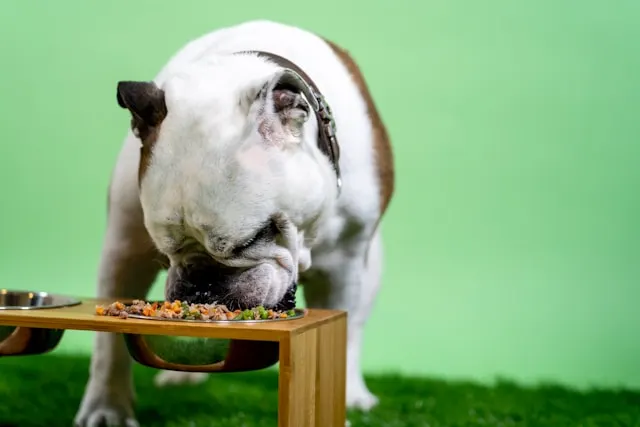
The Outward Hound Fun Feeder Slo Bowl is a good fit for dogs who eat like the bowl might vanish. Its raised maze pattern forces the dog to work around ridges instead of scooping, which stretches a 10-second meal into several minutes. That pacing helps digestion and gives the stomach time to signal fullness. It’s best for medium to large dogs on a standard kibble or mixed diet. The honest limitation: the grooves need a brush to clean properly, and dishwasher cycles alone often leave residue behind.
CHECK PRICE ON AMAZON: https://amzn.to/40buzas
For smaller dogs, or for owners who want a tighter maze pattern, the JASGOOD Slow Feeder Dog Bowl takes a similar approach with a narrower channel design aimed specifically at anti-gulping. It sits low and stable with a non-slip base, which helps dogs who push bowls across the floor while eating. The tradeoff is that determined dogs sometimes learn to flip it, so it works best on a textured surface or a mat. If you’re weighing options between styles, this breakdown of slow feeder dog bowls covers what actually changes eating speed.
CHECK PRICE ON AMAZON: https://amzn.to/4bSghCM
When Crab Upsets the Stomach
Even a small, well-prepared portion of a new protein can loosen stools for a day. That’s a normal adjustment for many dogs, not necessarily a red flag. What helps is supporting the gut through the transition rather than reaching for human medications.
Veterinarians frequently recommend a probiotic during dietary changes to help stabilize gut bacteria. Purina Pro Plan Veterinary Supplements FortiFlora is a widely used option, sold as single-serve powder packets you sprinkle over food. It’s designed for dogs experiencing loose stools or digestive upset, and the powder format makes dosing simple with no pills to hide. The palatability is generally excellent, which matters when a dog already feels off. Its limitation is cost per serving compared to bulk probiotic chews, so many owners keep it on hand for episodes rather than using it daily. If loose stools persist, this guide to dog diarrhea causes and treatment explains when home care stops being enough.
CHECK PRICE ON AMAZON: https://amzn.to/3ZySvV4
How to Serve Crab Safely: Step by Step
- Choose fresh or frozen crab meat, never canned in brine. Canned varieties carry far more sodium than a dog needs.
- Cook it plain. Steam or boil in water only. No butter, no oil, no garlic, no seasoning blends. Garlic and onion are toxic to dogs even in small amounts.
- Cool it completely. Hot food can burn the mouth, and dogs rarely pace themselves.
- Remove every piece of shell. Work through the meat by hand and check twice. Cartilage and thin membrane count as shell.
- Chop into small, bite-appropriate pieces. This reduces choking risk and slows things down.
- Measure a conservative portion. About one teaspoon for dogs under 20 pounds, one tablespoon for medium dogs, and up to two tablespoons for large breeds.
- Serve on its own or over regular food. Don’t mix it into a rich or already-new meal.
- Watch for 24 hours. Note any itching, ear scratching, vomiting, gas, or changes in stool.
- Wait at least a week before offering it again. Frequent shellfish isn’t necessary and increases sodium exposure over time.
Troubleshooting: If This, Then That
- If your dog swallowed a piece of shell → call your vet immediately, even if he seems fine. Do not induce vomiting; shell fragments can cause more damage coming back up.
- If your dog ate buttered or heavily seasoned crab → monitor closely for vomiting, lethargy, or a hunched posture. These can signal pancreatitis and need veterinary attention.
- If your dog develops hives or facial swelling → treat this as urgent. Allergic reactions can escalate quickly, and antihistamine dosing should come from your vet.
- If stools are soft but your dog is bright and eating → withhold treats for 24 hours, keep water available, and let things settle.
- If your dog gags or coughs after eating → check the mouth carefully with good light. Persistent gagging or reverse sneezing and coughing that doesn’t resolve needs a vet look.
- If your dog ate imitation crab → a small amount is unlikely to be dangerous, but watch for excessive thirst and monitor sodium-sensitive dogs closely.
- If your dog refuses crab entirely → that’s fine. There’s no nutritional reason to push it.
When to Call Your Veterinarian
Some signs shouldn’t wait until morning. Contact a vet or emergency clinic if you see repeated vomiting, retching without producing anything, or a visibly distended abdomen. These can point to obstruction or bloat.
Also seek care for facial swelling, difficulty breathing, collapse, or widespread hives. Anaphylactic reactions to shellfish are uncommon in dogs but they do occur, and they move fast.
Blood in stool, black tarry stool, refusal to eat for more than a day, or obvious abdominal pain all warrant a call. So does any suspicion that a shell fragment was swallowed, regardless of how normal your dog seems in the moment.
An Expert Perspective on Shellfish and Dogs
Veterinary nutritionists generally place crab in the “safe but unnecessary” category. According to the American Kennel Club, plain cooked crab meat can be shared with dogs, though shells and seasonings pose real hazards and portions should stay small. The consensus is that a complete, balanced commercial diet already covers a dog’s protein and micronutrient needs, so crab functions as enrichment rather than nutrition.
Food safety guidance from the American Veterinary Medical Association reinforces caution around raw animal proteins generally, citing bacterial contamination risks that affect both pets and the humans handling the food. That applies squarely to raw shellfish. Cooking thoroughly is the single most effective step an owner can take. As always, dogs with pancreatitis history, kidney disease, cardiac conditions, or diagnosed food allergies should have novel proteins cleared by their own veterinarian first.
Frequently Asked Questions
Can dogs eat crab legs? Only the meat inside, never the leg shell. Crab leg shells are hard and splinter into sharp fragments that can cut the mouth, throat, or intestines. Extract the meat completely and discard the shell where your dog can’t reach it.
Can dogs eat imitation crab? No, it’s not recommended. Imitation crab is processed fish paste containing starch, sugar, artificial flavoring, and high sodium. It offers little nutritional value and the additives can upset a dog’s stomach. Real cooked crab meat is a far better choice.
Is raw crab safe for dogs? No. Raw crab can carry parasites, including lung flukes, plus bacteria like Salmonella and Vibrio. Cooking destroys these organisms. Always steam or boil crab thoroughly with no seasoning before offering any to your dog.
How much crab can I give my dog? Keep it small. Roughly one teaspoon for dogs under 20 pounds, one tablespoon for medium dogs, and up to two tablespoons for large breeds. All treats combined should stay under 10% of daily calories.
Can puppies eat crab? It’s best to wait. Puppies have developing digestive systems and are more vulnerable to upset from novel proteins. Focus on a complete puppy diet first and ask your vet before introducing shellfish.
Are dogs allergic to shellfish? Some are. Shellfish allergy is less common than beef or chicken sensitivity, but it happens. Signs include itching, ear inflammation, face swelling, hives, or digestive upset. Introduce crab in tiny amounts and monitor closely.
Can dogs eat crab shells? Absolutely not. Shells are sharp, indigestible, and a leading cause of shellfish-related emergencies in dogs. They can cause mouth injuries, esophageal damage, or intestinal blockage requiring surgery.
Can dogs eat crab cakes? No. Crab cakes contain breadcrumbs, egg, mayonnaise, onion, and seasonings. Onion and garlic are toxic to dogs, and the fat content raises pancreatitis risk. Stick with plain cooked crab meat only.
What seafood is safest for dogs? Cooked, boneless, unseasoned salmon and sardines are among the best options because of their omega-3 content. Plain cooked shrimp and crab are acceptable occasionally. Avoid raw fish and anything heavily salted or breaded.
My dog ate crab and seems fine. Should I worry? If the crab was plain, cooked, and shell-free, your dog is likely fine. Keep watching for 24 hours for vomiting, diarrhea, or itching. Contact your vet if anything seems off or if shell may have been swallowed.
The Bottom Line
So, can dogs eat crab? Yes, with real conditions attached. Plain, fully cooked, shell-free crab meat in a small portion is a safe and enjoyable treat for most healthy adult dogs. The danger never really came from the crab itself. It came from butter, seasoning, imitation sticks, and shells that never should have been within reach. Prepare it deliberately, keep the portion honest, and watch your dog for a day afterward. If your dog has existing health conditions or a history of food reactions, a quick call to your veterinarian is the right first step. For more on which human foods make the cut, our guides on safe fruits like blueberries and vegetables like carrots are a good place to keep building your list.