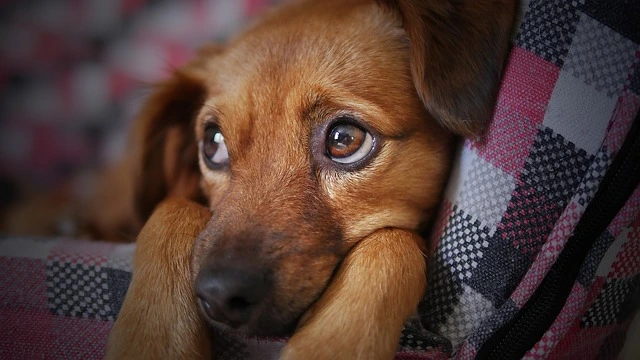
You step into the yard with your coffee, and there he is. Head down, tail wagging, chewing something that is definitely not a treat. Your stomach drops, and then he tries to lick your face. If you have been searching how to stop dog from eating poop home remedies, you are not a bad owner and your dog is not broken. This habit is common, fixable, and usually says more about routine and diet than about your dog’s character.
Quick Answer
Coprophagia is the veterinary term for stool eating, and most cases are behavioral rather than medical. You can usually stop it at home by cleaning up waste immediately, adding digestive support like probiotics or enzymes, increasing exercise and mental stimulation, and teaching a solid “leave it” cue. This guide helps owners of puppies, bored adult dogs, and recently rehomed dogs break the habit within a few weeks.
TL;DR: Remove access, fix the diet, and outwork the boredom. If the habit appears suddenly in an adult dog, or comes with weight loss or diarrhea, get a vet exam before trying home remedies alone.
Key Takeaways
- Pick up stool within seconds, not hours. Zero access beats every other remedy.
- Rule out parasites, poor nutrient absorption, and rapid weight loss before assuming it’s behavioral.
- Probiotics and digestive enzymes often reduce the urge by improving stool quality.
- Boredom and under-exercise drive many adult cases, so enrichment matters as much as diet.
- Never punish your dog after the fact. It builds secrecy, not better habits.
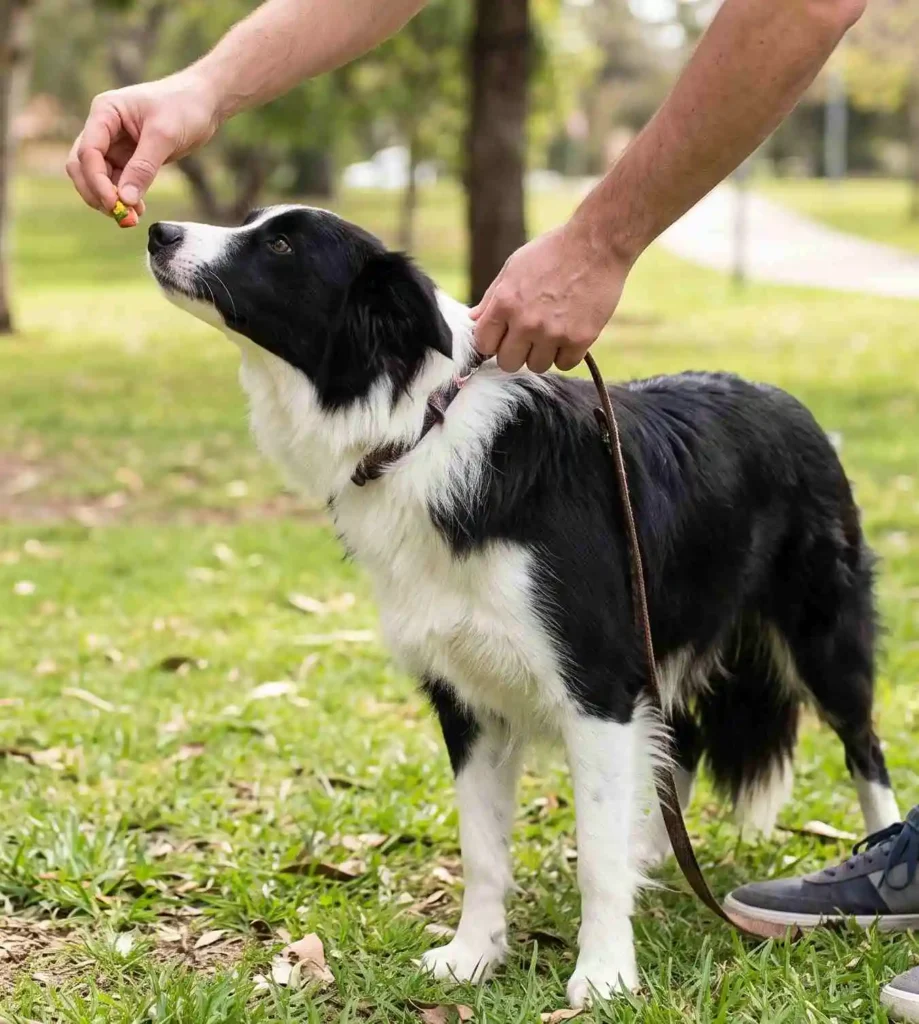
Table of Contents
Why It Matters
Stool eating is unpleasant, but the real concern is what comes with it. Fresh feces can carry roundworms, hookworms, whipworms, and giardia. Your dog can reinfect himself in a loop that no dewormer can outrun if the behavior continues.
There is also a household risk. Some intestinal parasites transmit to humans, especially small children who share floors and furniture with the dog. Regular fecal testing becomes more important, not less, when this habit is active.
The good news is that stool eating rarely causes serious illness on its own. Most dogs stay perfectly healthy. Still, if your dog raids the litter box or eats stool from unknown dogs at the park, medication exposure and parasite risk climb. That makes early intervention worthwhile.
What’s Actually Going On: The Anatomy of the Habit
Puppies explore the world with their mouths. Mother dogs clean their litter by consuming waste, and puppies copy that behavior. Most outgrow it by nine months without any help at all.
Adult dogs are a different story. Their reasons usually fall into a few buckets. Some are eating for nutrients, which happens when food passes through undigested and still smells like food on the way out. Some are stress eating, common in dogs kept in confined spaces or recently rehomed. Some learned that eating the evidence stops an owner from scolding them for indoor accidents.
Then there is the simplest reason of all: attention. If your dog grabs a stool and you sprint across the yard yelling, you just made it the most exciting game of the day. Dogs repeat what works.
Scent plays a role too. Dogs have far more olfactory receptors than we do, and what disgusts us can register as a strong food signal to them. This is normal canine behavior, not a moral failure. It is closely related to other scavenging instincts, which is also part of why dogs eat grass and dig through trash.
Common Mistakes (and Fixes)
Mistake 1: Yelling after the fact. Your dog does not connect the scolding with the act. He connects it with you approaching him near stool. The fix: Stay neutral. Call him away with a happy voice and reward the recall.
Mistake 2: Leaving the yard uncleaned for days. A yard full of waste is an all-day buffet. The fix: Pick up after every single elimination for at least three weeks.
Mistake 3: Relying only on a food additive. Products that make stool taste bitter do nothing if your dog eats waste from other animals. The fix: Treat additives as one layer, never the whole plan.
Mistake 4: Free-feeding all day. Unscheduled meals create unpredictable bathroom timing, which makes supervision impossible. The fix: Feed two set meals so you can predict elimination and be there.
Mistake 5: Ignoring the food quality question. Poorly absorbed food produces stool that still smells nutritious. The fix: Review protein quality and fiber with your vet before switching brands.
Mistake 6: Under-exercising a high-drive dog. A bored working breed will invent jobs, and this is one of them. The fix: Add sniff walks, puzzle work, and training sessions to burn mental energy.
Mistake 7: Skipping the fecal test. Parasites and malabsorption can drive genuine hunger. The fix: Bring a stool sample to your next appointment.
Home Remedy 1: Fix Digestion From the Inside
The most overlooked home remedy is gut health. When digestion is inefficient, food exits partially broken down. To a dog’s nose, that stool still reads as food. Improving nutrient absorption often reduces the pull toward stool on its own.
Veterinarians frequently recommend a targeted probiotic during and after any digestive upset. Beneficial bacteria help firm up stool, improve nutrient uptake, and reduce the strong food-like odor that draws dogs back.
Purina Pro Plan Veterinary Supplements FortiFlora is a straightforward daily probiotic that comes in single-serve powder packets you sprinkle over food. It suits dogs with soft, loose, or unusually smelly stool, and it is one of the easier supplements to get picky eaters to accept because of the liver flavoring. Most owners see stool quality changes within one to two weeks. The honest limitation is that it addresses digestion only. If your dog eats stool purely out of boredom or habit, a probiotic alone will not solve it.
CHECK PRICE ON AMAZON: https://amzn.to/3ZySvV4
If your dog’s stool is genuinely loose rather than just smelly, read up on dog diarrhea causes and home treatment before adding any new supplement.
Simple Kitchen Additions
Plain canned pumpkin is a classic addition. A tablespoon or two mixed into meals adds soluble fiber and often firms up stool. Use pure pumpkin, never pie filling, which contains sugar and spices.
Some owners add a spoonful of plain unsweetened yogurt for a light probiotic boost. Skip it if your dog is sensitive to dairy. Watch for gas or loose stool during the first few days.
Meat tenderizer containing papain is a long-standing folk remedy meant to make stool unappealing. Evidence is thin, and the sodium content concerns some vets. Ask before trying it.
Home Remedy 2: Slow the Meal Down
Fast eaters swallow large chunks of kibble along with a lot of air. That food arrives in the gut poorly chewed and moves through quickly. The result is bulkier, smellier stool that is more tempting.
Slowing meals gives enzymes time to work. It also turns eating into a small mental challenge, which takes the edge off dogs who finish dinner in nine seconds and immediately look for something else to do.
The JASGOOD Slow Feeder Dog Bowl uses a raised maze pattern that forces your dog to work around ridges instead of inhaling. It is a good fit for medium and large dogs who gulp, and the non-slip base keeps determined eaters from shoving it across the kitchen. Meals typically stretch from seconds to several minutes. The limitation worth knowing: the grooved design takes more effort to scrub clean than a flat bowl, especially with wet food.
CHECK PRICE ON AMAZON: https://amzn.to/4bSghCM
If you want to compare designs and depths before choosing, our full breakdown of slow feeder dog bowls covers what works for flat-faced breeds and heavy chewers.
Home Remedy 3: Beat the Boredom
Many adult dogs eat stool simply because nothing else is happening. A dog alone in a yard for hours will find entertainment, and stool is available, novel, and gets a reaction. Enrichment competes directly with that.
Mental work tires dogs faster than physical exercise for most breeds. Twenty minutes of nose work can settle a dog more than a thirty-minute walk on pavement.
The Outward Hound by Nina Ottosson Dog Hide N’ Slide is a level 2 puzzle that hides treats under sliding covers and flip blocks. It suits dogs who solve the easy puzzles in under a minute and need a real challenge, and it works well as a pre-yard activity to take the edge off. It is dishwasher-safe on the top rack. The honest limitation is that determined chewers can damage the plastic, so it needs supervision rather than free access.
CHECK PRICE ON AMAZON: https://amzn.to/4kDzKti
Rotate toys weekly rather than leaving everything out. Novelty is what holds attention. Our guide to interactive dog toys for mental stimulation covers rotation schedules in more detail.
Step-by-Step: Breaking the Habit in Four Weeks
- Book a vet check first. Bring a fresh stool sample. Rule out parasites, exocrine pancreatic insufficiency, and other absorption problems.
- Clean the yard completely. Do one thorough sweep, then commit to picking up immediately after every elimination.
- Switch to scheduled meals. Two fixed meals create predictable bathroom timing. Now you know when to be outside.
- Leash your dog for yard trips. For the first two weeks, go out together on leash. This gives you control over what he reaches.
- Teach “leave it” indoors first. Place a low-value treat under your hand. Say “leave it.” The moment he backs off, reward from your other hand with something better.
- Build a reflexive recall. Every time he eliminates, call him to you immediately and pay generously. He learns to come to you after pooping instead of turning around.
- Add digestive support. Introduce a probiotic or pumpkin gradually over a week.
- Add twenty minutes of enrichment daily. Puzzle feeder, sniff walk, or a short training session before yard time.
- Block access to other sources. Litter boxes go behind baby gates. Skip off-leash park time until the habit fades.
- Track progress weekly. Note incidents. Most owners see a sharp drop by week three.
Troubleshooting: If This, Then That
- If your dog only eats stool in the yard, then the issue is access and supervision. Tighten the cleanup routine and leash yard trips.
- If your dog eats cat litter box waste, then raise the box or gate the room. Cat stool is high in protein and extremely appealing.
- If the behavior started suddenly in an adult dog, then book a vet visit before trying home remedies. Sudden onset suggests a medical trigger.
- If your dog eats stool only when left alone, then consider stress or separation anxiety rather than hunger.
- If your dog is losing weight while eating stool, then stop home remedies and see your vet promptly. This pattern can point to malabsorption.
- If your puppy does it occasionally, then stay calm and manage access. Most puppies outgrow it naturally.
- If nothing works after six weeks, then ask your vet for a referral to a certified behaviorist.
When to See a Professional
Some situations need a vet, not a home remedy. Call if the habit appears suddenly in a dog who never did it before. Sudden onset in an adult dog is worth investigating.
Get seen promptly if your dog is losing weight, eating ravenously, or producing chronically loose stool. Those signs together can indicate poor nutrient absorption. Also call if you see vomiting, blood in the stool, or lethargy alongside the behavior.
Finally, if your dog eats stool from unknown animals and then becomes ill, mention it. Medication residue and parasites both pass through feces. Everything here is general information and not a substitute for a veterinary diagnosis.
Expert Perspective
According to the American Kennel Club, coprophagia is common enough that it should not alarm owners on its own, though it does warrant a medical check to rule out underlying conditions. Behavior specialists consistently emphasize management over correction: dogs that never get the chance to practice a behavior stop performing it, while dogs who are punished simply learn to do it out of sight.
Veterinarians generally recommend a fecal examination as the first step, since parasites and malabsorption disorders can create genuine nutritional drive. The American Veterinary Medical Association supports routine wellness exams as the foundation of catching these issues early. Once medical causes are cleared, the combination of immediate cleanup, digestive support, and daily enrichment resolves the majority of behavioral cases. Owners who stay consistent for three to four weeks typically see the habit fade rather than disappear overnight.
FAQs
Why does my dog eat poop all of a sudden? Sudden onset in an adult dog often signals a medical issue. Parasites, poor nutrient absorption, or medications that increase appetite are common triggers. Book a vet visit with a stool sample before assuming it is behavioral.
Does pineapple stop dogs from eating poop? This popular remedy has no strong evidence behind it. The theory is that bromelain makes stool taste bad. In practice, results are inconsistent. Small amounts of fresh pineapple are safe, but do not rely on it as your only strategy.
Will my puppy grow out of eating poop? Most puppies do, usually by nine months. Manage access, stay calm, and avoid making it a game. If the habit continues past a year, treat it as an adult behavior problem needing structured work.
Is dog poop eating dangerous for my dog? It is usually not dangerous on its own, but it spreads intestinal parasites like roundworms and giardia. Regular fecal testing and deworming become more important while the habit is active.
Can I get sick from my dog eating poop? Some parasites transmit to humans, especially children. Wash hands after handling your dog, avoid face licking during this period, and keep up with routine fecal exams and deworming.
Do stool-deterrent supplements actually work? They help some dogs and do nothing for others. They only affect your own dog’s stool, so they are useless if he eats waste from cats or other dogs. Treat them as one layer, not a complete solution.
Does adding pumpkin help stop poop eating? Pumpkin adds soluble fiber, which can firm up stool and improve digestion. Better stool quality sometimes reduces the appeal. Use one to two tablespoons of plain canned pumpkin, never pie filling.
Should I punish my dog for eating poop? No. Punishment after the fact teaches your dog to hide the behavior or eat faster. Reward-based recall and management work far better and protect your relationship.
Could my dog be missing nutrients? Possibly. Poor absorption, low-quality protein, or parasites can create genuine nutritional drive. Your vet can check for exocrine pancreatic insufficiency and other conditions with simple tests.
How long does it take to stop this habit? Most owners see clear improvement within three to four weeks of consistent cleanup, supervision, and training. Long-established habits in older dogs can take a couple of months.
Final Thoughts
Figuring out how to stop dog from eating poop with home remedies comes down to three moves working together. Remove access so the habit cannot be practiced. Support digestion so stool stops smelling like a second meal. Fill the day with enough activity that boredom never gets a vote. None of these work well alone, but stacked together they are remarkably effective.
Start with the vet visit and a stool sample, because ruling out a medical cause saves weeks of guessing. Then commit to immediate cleanup for a full month, even on cold mornings when it is tempting to skip. Add one enrichment activity a day and practice “leave it” for five minutes while the coffee brews. Consistency, not any single product, is what breaks the pattern. Grab a stool sample this week and get the process started.