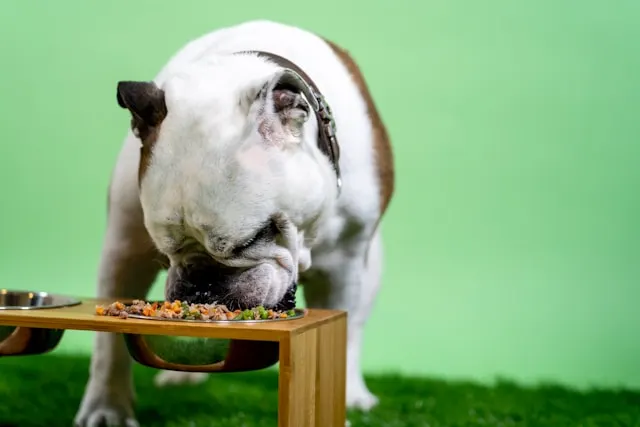
You’re slicing zucchini for dinner when a wet nose appears at your knee. One coin-shaped piece hits the floor, and your dog inhales it before you can react. Now you’re wondering: can dogs eat zucchini, or did you just create a problem? Take a breath, because this is one of the better vegetables your dog could have grabbed.
Quick Answer
Yes, dogs can eat zucchini safely. It’s non-toxic, very low in calories, and packs fiber, potassium, and vitamin C. Serve it plain and chopped into bite-sized pieces, keeping vegetables to under 10% of your dog’s daily calories. This makes zucchini a smart treat swap for overweight dogs and a gentle option for sensitive stomachs.
TL;DR: Zucchini is safe, low-calorie, and easy to prepare for most dogs. Skip the oil, salt, garlic, and onion, cut it small to prevent choking, and start with a tiny portion to test tolerance.
Key Takeaways
- Zucchini is non-toxic to dogs, raw or cooked, as long as it’s served plain.
- Cut it into small, flat pieces to reduce choking risk, especially for small breeds.
- Keep all treats and extras under 10% of daily calories to protect balanced nutrition.
- Too much fiber at once can cause gas, loose stool, or mild stomach upset.
- Never feed zucchini cooked with garlic, onion, butter, or heavy seasoning.

Table of Contents
Why This Matters for Your Dog’s Health
Vegetable treats sound harmless, but the details decide whether they help or hurt. A plain zucchini coin is a genuinely useful snack. The same zucchini sautéed in garlic butter is a trip to the emergency vet waiting to happen. Garlic and onions damage canine red blood cells, and dogs are far more sensitive to them than people are.
Portion size matters just as much as preparation. Dogs digest plant fiber less efficiently than humans do. A cup of raw vegetables that leaves you satisfied can leave your dog gassy and uncomfortable for a full day. Owners who suddenly add “healthy” produce to the bowl often end up cleaning the carpet that night.
Weight is the other piece of this. Canine obesity is one of the most common preventable health problems in pet dogs, and it worsens joint disease, heart strain, and heat intolerance. Zucchini gives you volume and crunch for almost no calories. That trade is exactly why so many veterinary weight plans lean on non-starchy vegetables instead of extra biscuits.
What’s Actually in Zucchini
Zucchini is roughly 94% water. That’s the single most important fact about it nutritionally. It fills space in the stomach without contributing meaningful calories, which is why it works so well as a treat substitute for dogs on a diet.
Beyond water, you get a modest but real nutrient profile. Zucchini supplies potassium, which supports normal muscle and nerve function. It contributes vitamin C, though healthy dogs manufacture their own and don’t strictly require dietary sources. It also offers vitamin A precursors and small amounts of manganese and magnesium.
The fiber content is soft and gentle compared to tougher vegetables. This is part of why zucchini sits better with sensitive dogs than something like raw broccoli. If you’re comparing options, our guide to whether dogs can eat broccoli explains why that particular vegetable needs stricter portion limits.
Raw Versus Cooked
Both work. Raw zucchini keeps more vitamin C and delivers a satisfying crunch that many dogs enjoy. Cooked zucchini is softer, easier to chew, and slightly easier to digest for seniors or dogs with dental issues.
Steaming is the best cooking method. Boiling leaches nutrients into the water, and frying adds fat your dog doesn’t need. If you steam a batch for yourself, set some aside before you add anything to it.
What About the Skin and Seeds?
Zucchini skin is safe and holds a good share of the fiber. There’s no need to peel it for most dogs. Just wash it well, since squash skins hold pesticide residue and dirt.
The seeds in a standard grocery-store zucchini are small, soft, and harmless. Very large, overgrown garden zucchini develop tougher seeds and a woody core. For those, scoop out the center before serving.
Common Mistakes (and Fixes)
Mistake: Feeding seasoned leftovers from your own plate. The fix: Cook a plain portion separately, before adding oil, salt, garlic, or onion. No exceptions on the alliums.
Mistake: Serving large chunks or whole rounds. The fix: Cut zucchini into small, flat pieces sized to your dog’s mouth. Round coins can lodge in a small dog’s throat.
Mistake: Introducing a big serving on day one. The fix: Start with one or two small pieces. Wait 24 hours and watch the stool before offering more.
Mistake: Letting vegetables displace balanced food. The fix: Treat zucchini as a snack, not a meal component, unless your vet has approved a specific feeding plan.
Mistake: Assuming all squash is equally safe. The fix: Check each variety individually. Zucchini is safe, but the rule doesn’t automatically extend to every gourd or seasoning-heavy squash dish.
Mistake: Ignoring an unusually bitter zucchini. The fix: Discard bitter zucchini. Extreme bitterness signals high cucurbitacin content, which can cause vomiting and diarrhea.
Mistake: Feeding fast eaters loose pieces on the floor. The fix: Slow the pace down. Dogs that gulp are the ones most likely to choke or bloat.
Practical Tools That Make This Easier
If your dog swallows food without chewing, adding chopped vegetables to their bowl can backfire. Gulping increases choking risk and traps air in the stomach. The fix isn’t to skip the vegetables. It’s to slow the eating down mechanically.
The JASGOOD Slow Feeder Dog Bowl uses a raised maze pattern that forces a dog to work food out of the grooves instead of scooping mouthfuls. It’s built for medium and large dogs, and it’s a sensible choice if you’re mixing zucchini or other produce into meals. Owners typically see meal times stretch from under a minute to several minutes, which reduces gulping and post-meal discomfort. The honest limitation: the ridges collect wet food residue, so it needs proper washing rather than a quick rinse.
CHECK PRICE ON AMAZON: https://amzn.to/4bSghCM
For a different build, the Outward Hound Fun Feeder Slo Bowl offers a four-cup capacity with a flower-shaped channel design and a non-slip base. It suits medium to large dogs who push lighter bowls across the floor while eating. The wider channels are more forgiving for dogs new to slow feeders, since an overly difficult maze can frustrate some dogs into giving up. The trade-off is that determined chewers may gnaw the plastic edges, so it’s not the right pick for destructive dogs. If you’re weighing designs, our breakdown of the slow feeder dog bowl options covers sizing in more detail.
CHECK PRICE ON AMAZON: https://amzn.to/40buzas
Zucchini also works beautifully as a topping for enrichment feeding. Spread a thin layer of plain pumpkin or unsweetened yogurt on a textured mat, press small zucchini pieces in, and you’ve turned a snack into ten minutes of calm licking. The LUKITO Lick Mat for Dogs & Cats comes as a two-pack with suction cups that anchor it to a floor, wall, or tub. It’s genuinely useful for anxious dogs and for anyone who dreads bath time. One caveat: the suction only holds on smooth, clean surfaces, so it will pop off textured tile.
CHECK PRICE ON AMAZON: https://amzn.to/4aQdOHT
How to Feed Zucchini Step by Step
- Wash it thoroughly. Scrub the skin under cool running water to remove residue and grit.
- Trim the ends. Cut off both tips and discard them.
- Taste-check for bitterness. A small nibble tells you whether the cucurbitacin level is off. Bitter means toss it.
- Cut to size. Slice into rounds, then quarter those rounds. Small dogs need pieces no larger than a pea.
- Choose raw or steamed. Steam for five to seven minutes if your dog prefers soft food or has dental problems.
- Skip every addition. No oil, butter, salt, garlic, onion, or seasoning blends.
- Start small. Offer one or two pieces the first time.
- Watch for 24 hours. Normal stool and no vomiting means you can continue.
- Set a routine portion. Work zucchini into the 10% treat allowance rather than adding it on top.
- Store leftovers properly. Refrigerate cooked zucchini in a sealed container and use within three days.
Portion Guidelines by Size
These are conservative starting points, not medical prescriptions. Adjust with your veterinarian’s input, particularly for dogs with kidney disease, pancreatitis history, or diabetes.
- Under 10 lbs: 1 to 2 small pieces per day
- 10 to 25 lbs: 2 to 4 small pieces per day
- 25 to 50 lbs: A small handful, roughly 1/4 cup
- Over 50 lbs: Up to 1/2 cup, chopped
Troubleshooting: If This, Then That
- If your dog has loose stool the next day, then stop zucchini for three days and restart at half the amount.
- If gas becomes noticeable, then reduce the portion and switch from raw to steamed.
- If your dog refuses zucchini entirely, then try a different texture or move on. Plenty of dogs prefer carrots or crunchier options.
- If your dog coughs or gags on a piece, then cut everything smaller and supervise every serving going forward.
- If vomiting starts within a few hours, then withhold food briefly and call your vet if it repeats. Our guide to dog vomiting and dry heaving explains which patterns need urgent attention.
- If your dog ate seasoned zucchini with garlic or onion, then call your veterinarian or a pet poison hotline right away.
- If your dog has diabetes or kidney disease, then confirm portion limits with your vet before adding any new food.
When to Call a Veterinarian
Most zucchini reactions are mild and pass within a day. Some situations don’t wait.
Contact your vet promptly if you see repeated vomiting, diarrhea lasting more than 24 hours, visible abdominal pain, or lethargy that seems out of character. Blood in the stool warrants a same-day call, and our article on dog pooping blood covers what that can indicate.
Emergency signs include choking, a distended and firm abdomen, unproductive retching, or collapse. Bloat is a genuine emergency in deep-chested breeds and does not resolve on its own. Any known ingestion of garlic or onion also justifies an immediate call, since symptoms can take days to appear.
This article offers general educational information. It is not a substitute for a diagnosis from your own veterinarian, who knows your dog’s history.
Expert Perspective
Veterinarians consistently recommend non-starchy vegetables as calorie-light treat replacements for dogs carrying extra weight. The reasoning is straightforward: a dog gets the ritual of receiving a treat without the caloric load of a commercial biscuit. According to the American Kennel Club, zucchini falls into the safe category for dogs when served plain, and its low calorie density is part of what makes it appealing as a snack.
The broader principle matters more than any single vegetable. The American Veterinary Medical Association emphasizes that a complete and balanced commercial diet should form the foundation of a dog’s nutrition. Extras, however wholesome, work best as small additions rather than substitutions. Owners exploring broader dietary changes may find our overview of superfoods for dogs useful context, but the 10% rule remains the practical anchor.
Frequently Asked Questions
Can puppies eat zucchini? Yes, in very small amounts. Puppies have developing digestive systems and strict nutritional needs, so keep portions tiny and prioritize their balanced puppy food.
Is raw zucchini safe for dogs? Yes. Raw zucchini is non-toxic and retains more vitamin C. Cut it small, since raw pieces are firmer and pose a slightly higher choking risk.
Can dogs eat zucchini skin? Yes. The skin is safe and contains fiber. Wash it thoroughly first to remove pesticide residue and dirt.
How much zucchini can a dog eat daily? Keep it within the 10% treat allowance. That’s roughly one to two pieces for toy breeds and up to half a cup for large dogs.
Can dogs eat zucchini bread? No. Zucchini bread contains sugar, fat, and often nutmeg or raisins. Raisins are toxic to dogs and can cause kidney failure.
Will zucchini give my dog diarrhea? It can if you feed too much too fast. Fiber increases stool volume. Introduce it gradually and reduce the amount if stool softens.
Can dogs with sensitive stomachs eat zucchini? Often yes, since zucchini is gentle and low in fat. Steam it first and start with a single small piece to test tolerance.
Are zucchini seeds dangerous for dogs? Standard zucchini seeds are soft and harmless. Very large overgrown zucchini have tougher seeds, so scoop out the core before serving those.
Can dogs eat cooked zucchini with oil? No. Added fat can trigger digestive upset and, in susceptible dogs, contribute to pancreatitis. Serve it plain.
Is zucchini good for overweight dogs? Yes. Its high water content and low calorie density make it a useful swap for higher-calorie treats during a weight management plan.
The Bottom Line
So, can dogs eat zucchini? Yes, and it’s one of the more forgiving vegetables you can share. Keep it plain, cut it small, and treat it as a snack rather than a meal replacement. Start with one or two pieces, watch how your dog handles it over the next day, and scale up slowly from there. Dogs on weight management plans benefit most, since zucchini delivers crunch and volume without meaningful calories. Skip it entirely if it tastes bitter or came off a seasoned dinner plate. Next time you’re prepping zucchini, set a few plain pieces aside before the pan gets hot, and let your dog in on the meal the safe way.