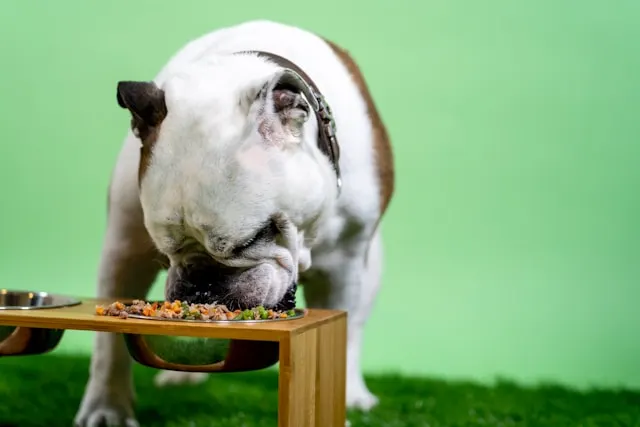
You open a can of tuna for lunch, and suddenly your dog appears out of nowhere. Those eyes lock on. The tail goes into overdrive. Before you toss a chunk down, it’s worth asking: can dogs eat tuna without any risk? The short answer is more complicated than most food blogs admit, and mercury is the reason why.
Quick Answer
Dogs can eat plain, cooked tuna in very small amounts on rare occasions. Tuna is high in protein and omega-3 fatty acids, but it also accumulates more mercury than most fish dogs eat. Occasional tiny portions are generally safe for healthy adult dogs, while regular feeding raises the risk of mercury buildup over time.
TL;DR: Tuna isn’t toxic to dogs, but it isn’t a smart staple either. Keep it to a rare treat of plain, boneless, unsalted tuna, and pick lower-mercury fish like salmon or sardines when you want fish in your dog’s bowl.
Key Takeaways
- Plain cooked tuna is safe in small, infrequent amounts for healthy adult dogs.
- Mercury accumulates in the body, so frequency matters far more than a single serving.
- Always choose tuna packed in water with no salt, oil, garlic, or seasoning.
- Skip tuna entirely for puppies, small breeds, pregnant dogs, and dogs with kidney disease.
- Salmon, sardines, and fish oil supplements offer omega-3 benefits with far less risk.

Table of Contents
Why Tuna and Mercury Matter for Dogs
Tuna sits near the top of the ocean food chain. Big predatory fish eat smaller fish, and every meal passes along a little more mercury. That mercury settles into muscle tissue and stays there. Albacore and bigeye tuna carry the most. Skipjack, often labeled “chunk light,” carries noticeably less.
Your dog’s body handles mercury the same way yours does, only in a much smaller frame. A tablespoon of tuna means something very different to a 9-pound Chihuahua than to an 80-pound Labrador. Body weight is the whole game here.
Mercury toxicity in dogs is rare, and it almost never comes from one meal. It builds slowly from repeated exposure over months. That’s the real risk with tuna: not a single bite, but a habit.
Beyond mercury, canned tuna often arrives loaded with sodium. High-salt foods can trigger excessive thirst, vomiting, and in extreme cases sodium ion poisoning. Dogs with heart or kidney conditions are especially vulnerable.
The Nutritional Upside
Tuna isn’t all downside. It delivers lean protein, vitamin B12, selenium, and omega-3 fatty acids that support skin, coat, and joint health. Those same omega-3s are why fish shows up in so many premium dog foods.
The problem is that you can get every one of those benefits from safer sources. Sardines, salmon, and whitefish provide comparable nutrition with a fraction of the mercury load. Tuna is a treat, not a nutrition strategy.
What Actually Happens Inside Your Dog’s Body
When your dog eats tuna, the protein and fat digest normally. Mercury, specifically methylmercury, behaves differently. It binds to proteins in muscle tissue and organs instead of passing through.
Over weeks and months, repeated exposure lets those levels creep upward. The kidneys and nervous system take the brunt of it. Symptoms of chronic mercury exposure include tremors, incoordination, hair loss, vomiting, and changes in urination.
Here’s the encouraging part: dogs clear mercury slowly but steadily when exposure stops. A few tuna treats spread across a year won’t cause harm in a healthy dog. Daily tuna for six months is a different story entirely.
Portion size scales with weight. A rough guideline many veterinarians use is roughly one teaspoon of tuna per 10 pounds of body weight, offered no more than once or twice a month. That’s genuinely small, and that’s intentional.
Common Mistakes (and Fixes)
- Feeding tuna packed in oil. The added fat can trigger digestive upset or, in sensitive dogs, pancreatitis. The fix: Choose tuna packed in water only, and drain it thoroughly.
- Ignoring the sodium content. Many canned tuna varieties contain several hundred milligrams of sodium per serving. The fix: Buy no-salt-added tuna and rinse it under cool water before serving.
- Sharing seasoned or prepared tuna. Tuna salad, sushi rolls, and casseroles often contain onion, garlic, mayonnaise, or soy sauce. The fix: Only ever offer plain tuna with nothing added.
- Treating tuna as a regular protein source. Some owners swap tuna in as a “healthy” topper several times a week. The fix: Cap it at a rare treat and reserve fish nutrition for a formulated supplement or complete diet.
- Feeding raw tuna. Raw fish can harbor parasites and bacteria, and it contains thiaminase, an enzyme that destroys vitamin B1. The fix: Always cook tuna fully, or use canned tuna, which is already cooked.
- Overlooking bones in fresh tuna steaks. Small bones can lodge in the throat or puncture the digestive tract. The fix: Debone carefully and inspect each piece before serving.
- Giving tuna to dogs with existing kidney issues. Compromised kidneys clear mercury and sodium far less efficiently. The fix: Skip tuna entirely and ask your veterinarian about safe protein alternatives.
Safer Ways to Give Your Dog Fish Nutrition
Most owners reaching for tuna are really chasing one thing: the omega-3 benefits. Shinier coat, less itching, calmer joints. That’s a reasonable goal, and there’s a cleaner way to hit it than gambling with mercury every week.
Fish oil made from lower-mercury species delivers concentrated EPA and DHA without the accumulation risk. It’s also dosed by weight, which removes the guesswork that makes tuna portions tricky.
Zesty Paws Wild Alaskan Omega-3 Blend Pollock + Salmon Oil for Dogs and Cats is a straightforward option for owners who want the coat and skin benefits without feeding fish directly. Pollock and salmon sit far lower on the food chain than tuna, so mercury exposure is minimal. The pump bottle makes daily dosing simple, and most dogs take it readily poured over kibble. The honest limitation: the 32-ounce bottle is a lot of oil for a small dog, and fish oil oxidizes over time. Store it refrigerated after opening, and if you have a 10-pound dog, expect it to outlast its freshness window.
CHECK PRICE ON AMAZON: https://amzn.to/4akcAVn
If your dog’s skin issues extend beyond dryness into persistent scratching, omega-3s alone may not be enough. Understanding what causes hot spots on dogs helps you tell a dietary gap apart from an allergic reaction that needs different treatment.
When Tuna Causes Digestive Upset
Some dogs handle a tuna treat fine. Others inhale it in two seconds and bring it right back up. Speed is often the culprit rather than the tuna itself. Dogs that gulp food swallow air alongside it, which leads to gagging, burping, and vomiting.
If your dog eats like every meal is a race, slowing them down helps with treats and regular food alike. The Outward Hound Fun Feeder Slo Bowl uses raised ridges to force dogs to work around obstacles instead of swallowing in one motion. It’s best suited to medium and large dogs with the 4-cup capacity, and the non-slip base keeps determined eaters from pushing it across the kitchen floor. Meals typically stretch from seconds to several minutes. One drawback: the grooves need real scrubbing, and dried food gets stubborn in the tight corners. A bottle brush helps.
CHECK PRICE ON AMAZON: https://amzn.to/40buzas
Slower eating also reduces bloat risk, which matters more for deep-chested breeds. If you want a fuller breakdown of designs and sizing, our guide to choosing a slow feeder dog bowl walks through the options.
How to Serve Tuna Safely: Step by Step
- Check your dog’s health status first. Puppies, pregnant dogs, seniors with kidney disease, and dogs under 15 pounds should skip tuna. Ask your veterinarian if you’re unsure.
- Choose the right product. Look for chunk light tuna packed in water with no salt added. Avoid albacore, which carries roughly three times the mercury of skipjack.
- Rinse thoroughly. Even no-salt-added tuna benefits from a rinse under cool running water. This removes residual sodium and packing liquid.
- Measure the portion. Use roughly one teaspoon per 10 pounds of body weight. A 40-pound dog gets about four teaspoons, which is less than a tablespoon and a half.
- Check for bones if using fresh tuna. Run your fingers through cooked tuna steak carefully. Remove anything firm.
- Serve it plain. No oil, no butter, no seasoning, no mixing with human leftovers.
- Watch for two hours. Look for vomiting, diarrhea, excessive thirst, or lethargy. Most reactions appear within this window.
- Log the date. Keep tuna to once or twice a month at most. Writing it down prevents the slow slide into weekly feeding.
Troubleshooting: If This, Then That
- If your dog ate a whole can of tuna in oil, then monitor closely for vomiting and abdominal pain, and call your vet if symptoms appear. The fat content is the primary concern.
- If your dog ate tuna salad with onion, then contact your veterinarian promptly. Onion and garlic damage red blood cells and the reaction can be delayed by days.
- If your dog vomits shortly after a small tuna treat, then withhold food for a few hours and offer small amounts of water. Persistent vomiting warrants a vet call. Our guide on dog vomiting white foam explains what different vomit types indicate.
- If your dog drinks excessively after eating tuna, then sodium is the likely cause. Provide free access to fresh water and skip salted tuna going forward.
- If your dog develops loose stool, then the fat or the novelty of the protein is probably responsible. Bland food for 24 hours usually resolves it. Our dog diarrhea treatment guide covers when home care is enough.
- If you’ve been feeding tuna daily for months, then stop and schedule a vet appointment. Bloodwork can assess kidney function and rule out accumulated effects.
When to Call Your Veterinarian
Most tuna incidents resolve on their own. A few don’t. Contact your vet right away if you notice tremors, wobbling, or difficulty walking, since these point toward neurological involvement.
Other red flags include vomiting that continues beyond 24 hours, blood in stool or vomit, refusal to drink, sudden weight loss, or significant changes in urination frequency. Any dog that ate tuna containing onion, garlic, or heavy seasoning needs a same-day call regardless of how well they seem.
Small breeds and puppies deserve a lower threshold for concern. Their body weight makes both sodium and mercury proportionally more significant.
What the Experts Say
Veterinary nutritionists generally agree that tuna occupies a gray zone rather than a forbidden list. It isn’t toxic like grapes or xylitol, but it isn’t recommended as a routine food either. The consensus centers on frequency: rare exposure poses minimal risk, while regular feeding creates a cumulative burden the body handles poorly.
According to the American Kennel Club, fish can be a healthy part of a dog’s diet when chosen carefully, with attention paid to species, preparation, and portion size. The American Veterinary Medical Association emphasizes that treats and table foods should stay under ten percent of daily calories, with the remainder coming from a complete and balanced diet. Tuna easily fits within that framework as an occasional extra, and easily breaks it when it becomes a habit.
Please note this article offers general information, not a veterinary diagnosis. Your dog’s age, weight, breed, and medical history all change the calculation. Talk with your own veterinarian before adding any new food.
Frequently Asked Questions
Can dogs eat canned tuna? Yes, in small amounts. Choose tuna packed in water with no salt added, rinse it before serving, and limit it to once or twice a month. Avoid tuna packed in oil, which adds unnecessary fat.
How much tuna can a dog eat? A general guideline is about one teaspoon per 10 pounds of body weight, offered no more than twice monthly. A 50-pound dog gets roughly five teaspoons. Smaller dogs should get proportionally less or skip tuna entirely.
Is tuna toxic to dogs? Tuna is not acutely toxic. The concern is mercury, which accumulates in the body over time with repeated feeding. A single small serving won’t harm a healthy adult dog.
Can puppies eat tuna? It’s best avoided. Puppies have low body weight and developing nervous systems, which makes mercury exposure riskier. Stick to age-appropriate puppy food and treats formulated for growth.
Can dogs eat raw tuna? No. Raw fish may carry parasites and bacteria, and contains thiaminase, an enzyme that destroys vitamin B1. Always serve tuna fully cooked or use canned tuna, which is already cooked.
What fish is safer than tuna for dogs? Salmon, sardines, pollock, cod, and whitefish all carry substantially less mercury. Sardines are especially good because they’re small, low on the food chain, and rich in omega-3s.
Can dogs eat tuna in oil? It’s not recommended. The added oil significantly increases fat content, which can cause digestive upset or trigger pancreatitis in sensitive dogs. Water-packed tuna is the better choice.
What are signs of mercury poisoning in dogs? Watch for tremors, loss of coordination, vomiting, diarrhea, hair loss, blindness, and changes in urination. These result from chronic exposure, not one meal. Contact your vet if you notice them.
Can dogs with kidney disease eat tuna? No. Compromised kidneys clear both sodium and mercury less efficiently. Dogs with kidney disease need carefully controlled protein and mineral intake managed by a veterinarian.
Does tuna help a dog’s coat? The omega-3s in tuna do support skin and coat health. However, a dedicated fish oil supplement or a diet formulated with omega-3s delivers those benefits more reliably and without mercury concerns.
The Bottom Line
So, can dogs eat tuna? Yes, occasionally, in small plain portions, for healthy adult dogs. That’s a real yes with real conditions attached. Mercury doesn’t cause problems from one bite, but it does accumulate when tuna becomes a weekly habit. The safest approach treats tuna the way you’d treat any rich human food: rare, small, and plain. If you’re feeding fish for the omega-3 benefits, a quality supplement or a lower-mercury species like salmon or sardines gets you there with far less to worry about. Your next step is simple: check your pantry, swap oil-packed tuna for water-packed with no salt added, and save it for special occasions. When in doubt about your specific dog, your veterinarian knows their history better than any article can.