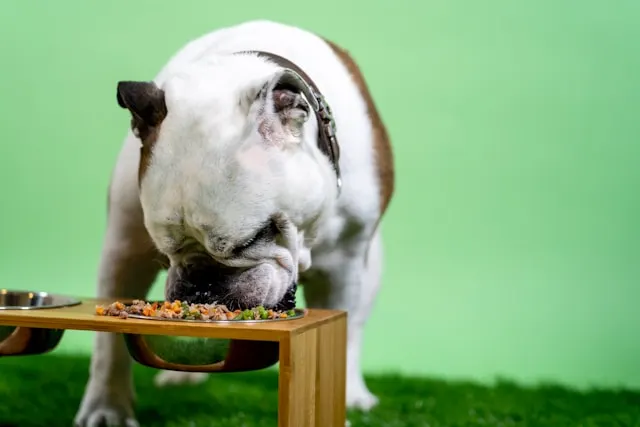
Your dog gives you that hopeful stare from across the kitchen. The rice cooker beeps. You pause mid-spoonful and wonder: can dogs eat rice without getting sick? It’s one of the most common food questions dog owners ask, and the answer surprises most people.
Quick Answer
Yes, dogs can eat rice in moderation. Plain, fully cooked white or brown rice is safe for most healthy dogs and is often recommended by veterinarians to settle mild digestive upset. It’s a gentle carbohydrate that helps owners support sensitive stomachs at home.
TL;DR
Plain cooked rice is safe for dogs in small portions. White rice is easier to digest, brown rice offers more fiber, and both should be served unseasoned. Skip the salt, butter, garlic, and onion every time.
Key Takeaways
- Plain white or brown rice, fully cooked, is safe for most adult dogs.
- Rice should make up no more than 10% of your dog’s daily calories.
- White rice is the go-to for upset stomachs because it digests fast.
- Never serve rice with butter, salt, oils, garlic, or onion.
- Diabetic, overweight, or allergy-prone dogs need vet guidance first.

Table of Contents
Why It Matters for Your Dog’s Comfort and Health
Rice shows up in many premium kibbles for a reason. It’s energy-dense, low in fat, and easy on the gut. For dogs with sensitive stomachs, the right portion of cooked rice can mean the difference between a queasy night and a peaceful sleep.
But rice isn’t a complete food. It lacks the protein, fats, and full vitamin profile your dog needs to thrive. Used as an occasional topper or short-term bland diet, rice helps. Used as a daily replacement for balanced food, it can lead to nutrient gaps over time.
According to the AKC, plain cooked rice is among the bland foods veterinarians most often recommend for dogs recovering from mild gastrointestinal issues. The keyword is plain. Restaurant rice or fried rice is a different story.
How Rice Affects Your Dog’s Digestion
White rice is highly refined, which means most of the bran has been removed. Your dog’s body breaks it down quickly into glucose, providing fast energy without overworking a tender stomach. That’s why vets reach for it during recovery diets.
Brown rice keeps the bran and germ intact. It contains more fiber, B vitamins, and minerals like manganese. The trade-off is that it takes longer to digest. For dogs with healthy guts, brown rice is a fine occasional addition. For dogs already dealing with diarrhea or loose stools, white rice is the smarter pick.
A small caveat: rice is high on the glycemic index. Diabetic dogs can experience blood sugar spikes from even modest portions. Always loop in your vet before adding rice to a diabetic dog’s bowl.
Common Mistakes Owners Make With Rice (and Easy Fixes)
Most rice-related issues come from preparation, not the rice itself. Here are the slip-ups vets see most often.
- Adding salt, butter, or oil for flavor. The fix: serve rice completely plain. Your dog doesn’t crave seasoning the way you do.
- Using leftover takeout fried rice. The fix: never share restaurant rice. It often contains onion, garlic, soy sauce, and oils that can harm dogs.
- Feeding too much, too often. The fix: keep rice under 10% of daily calories. A few tablespoons is plenty for small breeds.
- Serving undercooked or hard rice. The fix: cook rice until soft and fluffy. Underdone grains are tough on the gut.
- Replacing meals with rice long-term. The fix: use rice as a topper or short bland-diet meal, not a full nutritional swap.
- Ignoring weight gain. The fix: cut back on regular kibble when adding rice so total calories stay steady.
- Skipping the vet visit when symptoms last. The fix: if vomiting or diarrhea continues past 24 to 48 hours, call your vet.
Helpful Tools That Make Feeding Rice Easier
When you’re hand-cooking bland diets or adding rice to recovery meals, a few simple tools make the process smoother and safer for your dog. These aren’t required, but they solve specific problems many owners run into.
Supporting Gut Health During Recovery
If you’re feeding rice because your dog has had soft stools or a queasy stomach, supporting the gut bacteria can speed up the rebound. Many vets pair the bland diet with a targeted probiotic to restore balance after digestive upset.
The Purina Pro Plan FortiFlora Probiotic is a vet-recommended option for dogs recovering from diarrhea or sensitive stomach episodes. It’s a single-strain probiotic packaged in convenient daily sachets you sprinkle over food, including rice and chicken meals. Owners like that it’s tasteless to dogs and that the powder mixes cleanly into warm rice. The honest limitation: it’s pricier per serving than store-brand probiotics, and the 30-count box runs out faster than you’d expect during a recovery week.
CHECK PRICE ON AMAZON: https://amzn.to/3ZySvV4
Slowing Down Fast Eaters
Some dogs inhale soft foods like cooked rice before their stomach can register what’s happening. Gulping leads to gas, regurgitation, and in deep-chested breeds, increases bloat risk. A slow feeder bowl forces your dog to work around obstacles, which naturally extends mealtime to a safer pace.
The Outward Hound Fun Feeder Slo Bowl is a sturdy, dishwasher-safe option that fits a full meal of rice and protein for medium to large dogs. The flower-pattern ridges work well for soft foods like rice mixes that would slide right out of a flat dish. It’s non-slip on tile and easy to rinse. The honest limitation: very wet rice mixes can settle in the deeper grooves, so you’ll want to hand-scrub after meals to keep it sanitary.
CHECK PRICE ON AMAZON: https://amzn.to/40buzas
For owners who want a smaller, more compact design, the JASGOOD Slow Feeder Dog Bowl offers a similar anti-gulping benefit with a different ridge pattern that suits medium dogs and rice-based meals well. It’s ideal if you’re already managing a dog with a sensitive stomach or bloat concerns. One small downside: the lighter weight means determined eaters can sometimes shove it across the floor.
CHECK PRICE ON AMAZON: https://amzn.to/4bSghCM
Step-by-Step Guide to Cooking Rice for Your Dog
Here’s the simple, vet-friendly method most owners use when preparing rice at home.
- Choose your rice. White jasmine or basmati for upset stomachs. Plain brown rice for healthy dogs as a topper.
- Rinse the grains. Run cold water over the rice for about 30 seconds to remove excess surface starch.
- Use the right ratio. Cook with two parts water to one part rice. No salt, no broth, no oil.
- Simmer until soft. White rice takes 15 to 18 minutes. Brown rice takes 35 to 45 minutes. Aim for slightly overcooked rather than firm.
- Cool completely. Hot rice burns sensitive mouths. Spread it on a plate to cool to room temperature.
- Portion correctly. A general guide: 1 to 2 tablespoons for small dogs, ¼ cup for medium dogs, ½ cup for large dogs per meal.
- Pair with lean protein. Boiled chicken breast or boiled ground turkey, no skin, mixed at a 1:1 or 1:2 protein-to-rice ratio for bland diets.
- Store leftovers properly. Refrigerate within two hours. Use within three days. Discard any rice with a sour smell.
Troubleshooting: If This Happens, Try This
- If your dog refuses plain rice: Mix in a spoonful of unsalted boiled chicken broth or shredded chicken to add aroma.
- If stools are still loose after 24 hours of bland diet: Continue rice and chicken, add a probiotic, and call your vet if no improvement by 48 hours.
- If your dog vomits after eating rice: Stop feeding, offer small sips of water, and contact your vet, especially if vomiting includes white foam or yellow bile.
- If your dog has known grain sensitivities: Skip rice and ask your vet about allergy-friendly alternatives like potato or pumpkin.
- If your dog gains weight: Reduce kibble portions to offset added rice calories.
When to See Your Veterinarian
Rice handles mild tummy issues, not serious illness. Call your vet when:
- Diarrhea or vomiting lasts more than 48 hours.
- You see blood in stool or vomit.
- Your dog shows lethargy, weakness, or refuses water.
- The belly looks swollen or feels tight.
- Symptoms appear in a puppy, senior, or dog with chronic conditions.
This guide offers general information, not a medical diagnosis. Every dog is different, and your veterinarian knows yours best.
Expert Opinion
Veterinarians widely agree that plain rice has a legitimate place in a dog’s recovery toolkit. The American Veterinary Medical Association notes that dietary management plays a key role in managing acute, uncomplicated gastrointestinal upset in dogs. Bland diets featuring boiled rice and lean protein are commonly used for short-term symptom relief before a vet visit becomes necessary.
That said, modern veterinary nutrition increasingly emphasizes that rice should support, not replace, a balanced diet. According to AKC nutrition guidance, treats and extras like rice should stay under the 10% calorie rule to protect overall nutritional balance. If your dog needs ongoing digestive support, your vet may recommend a prescription gastrointestinal diet rather than long-term home cooking, which is harder to nutritionally complete than it looks.
Frequently Asked Questions
Can puppies eat rice?
Yes, puppies over 8 weeks can eat small amounts of plain cooked rice. Use it sparingly because puppies need calorie-dense, protein-rich food for growth. If your puppy has digestive issues, check with your vet before adjusting their diet.
Is brown rice or white rice better for dogs?
White rice is gentler on upset stomachs and digests faster. Brown rice has more fiber and nutrients but takes longer to break down. Healthy dogs can eat either; recovering dogs do best with white rice.
How much rice can I give my dog daily?
Keep rice under 10% of daily calories. Roughly 1 to 2 tablespoons for small dogs, ¼ cup for medium dogs, and ½ cup for large dogs. Always pair it with protein for balance.
Can dogs eat rice every day?
Small daily portions as a topper are usually fine for healthy adult dogs. Avoid making rice the main meal long-term, since it lacks complete nutrition. Diabetic dogs should not have daily rice without vet input.
Can dogs eat fried rice or rice with seasoning?
No. Fried rice often contains onion, garlic, soy sauce, and oils that are harmful or toxic to dogs. Always serve rice plain, fully cooked, and unseasoned.
Is rice good for dogs with diarrhea?
Yes, plain white rice mixed with boiled chicken is a classic vet-recommended bland diet for short-term diarrhea. Feed small portions every few hours and call your vet if symptoms persist past 48 hours.
Can dogs be allergic to rice?
True rice allergies in dogs are rare but possible. Signs include itching, ear infections, and chronic loose stools. If you suspect a grain sensitivity, your vet can guide you toward an elimination diet and allergy-friendly food options.
Can dogs eat sushi rice or sticky rice?
Plain sushi rice is technically safe in tiny amounts, but it’s often seasoned with vinegar, sugar, and salt during preparation. Skip it unless you’ve cooked it plain at home.
What about rice cakes or rice cereal?
Plain unsalted rice cakes are not toxic but offer little nutritional value and can be a choking hazard. Baby rice cereal is generally not recommended because of added vitamins formulated for human infants.
Can senior dogs eat rice?
Yes, healthy seniors can enjoy small portions of plain rice. For older dogs with kidney issues, diabetes, or weight problems, talk to your vet first. Many senior dog diets already include rice in the right balance.
Final Thoughts
Rice has earned its place in countless dog bowls for good reason. When cooked plain and served in sensible portions, it’s a gentle, vet-approved way to support digestion or stretch a meal. The trick is treating it like a helper, not a full diet. Pair it with quality protein, watch portion sizes, and skip every flavoring that lives in your spice rack. If your dog has chronic stomach issues, repeated diarrhea, or any underlying condition, your vet should always be the first call. Ready to try a bland-diet meal tonight? Boil some plain rice, shred a little unseasoned chicken, and serve it cool. Your dog’s belly will thank you.