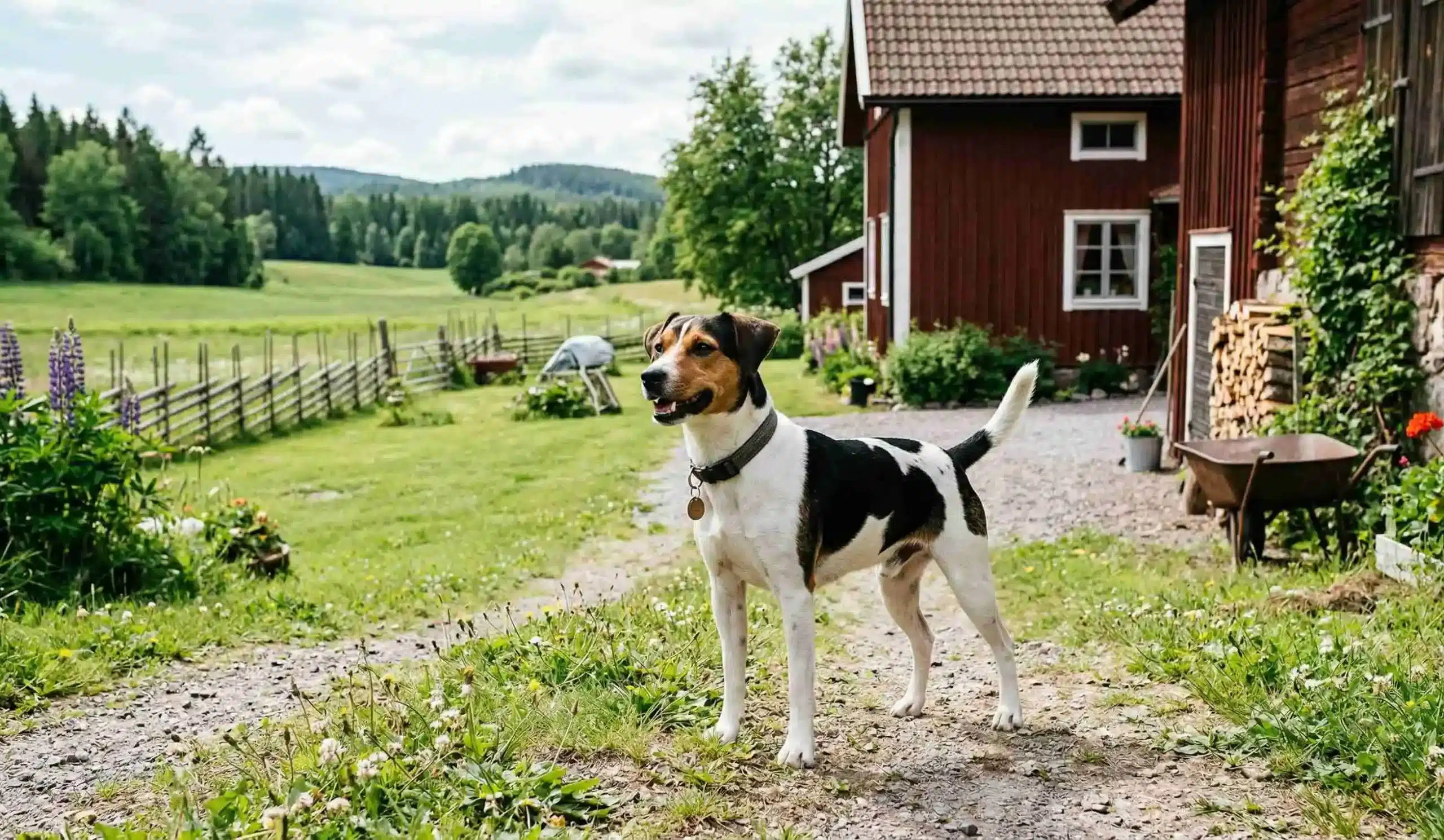
You stare at your 600-square-foot living room and wonder if a dog could really be happy here. Maybe your neighbors already complain about footsteps, let alone barking. The good news? The best apartment dogs are out there, and they’re often calmer, quieter, and more adaptable than the high-energy breeds you see at the park. Picking the right one is half breed research and half lifestyle honesty.
Quick Answer
The best apartment dogs are calm, quiet, low-to-moderate energy breeds that adapt well to small spaces and short outdoor breaks. Top picks include the Cavalier King Charles Spaniel, French Bulldog, Bichon Frise, Greyhound, Shih Tzu, and Havanese. These breeds suit renters, seniors, first-time owners, and anyone who works long hours but still wants a loyal companion.
TL;DR
Apartment-friendly dogs are usually small to medium, quiet, low-energy, and trainable around hallway noise. Match the breed to your schedule, neighbors, and exercise habits, not just to looks or size.
Key Takeaways
- Size matters less than energy level, vocalness, and adaptability.
- Daily mental stimulation prevents most apartment behavior problems.
- Quiet breeds protect both your sanity and your lease.
- Two short walks plus indoor play usually beats one long hike.
- Renters should always confirm breed, weight, and pet-deposit rules in writing.
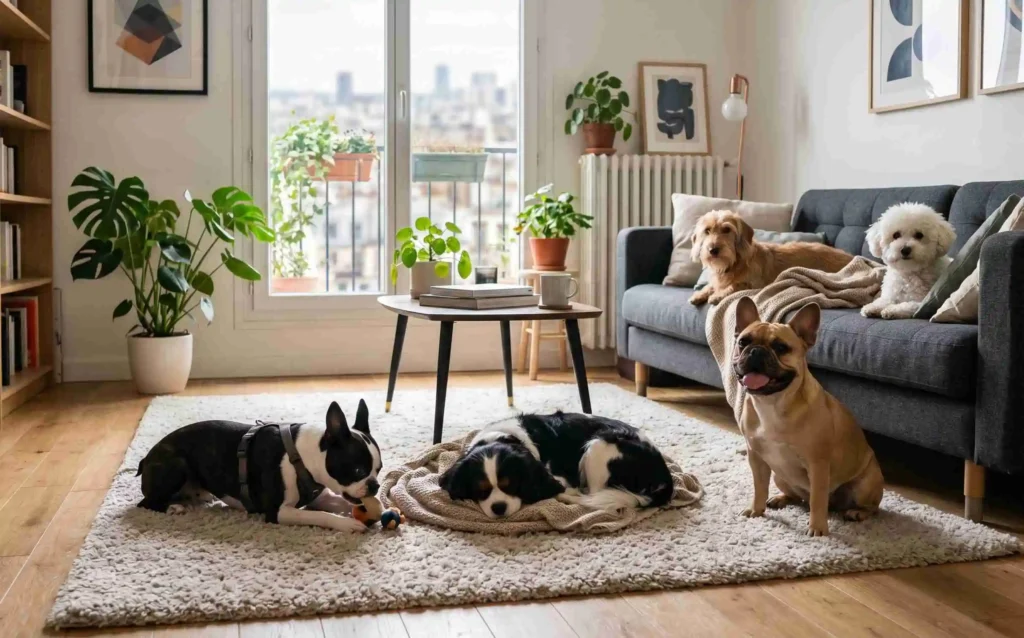
Table of Contents
Why Choosing the Right Apartment Dog Matters
Picking the right dog for a small home is more than a style choice. It shapes your sleep, your neighbor relationships, and your dog’s mental health. A bored, under-exercised herding breed in a studio is not a happy dog, even if you love the look. The best dog breeds for apartments tend to share a few traits: they tolerate alone time, they don’t bark at every elevator ding, and they recharge with naps as easily as walks.
According to the AKC, breed energy level and trainability are stronger predictors of apartment success than size alone. A 70-pound Greyhound can be calmer indoors than a 12-pound terrier with a working-dog drive. Honest self-assessment beats wishful thinking every time.
How Apartment Living Affects Dogs
Dogs are routine animals. In an apartment, their world shrinks to a few rooms, a hallway, and a sidewalk. That’s manageable for adaptable breeds, but it places higher demands on you for enrichment, socialization, and structure.
The four traits that make a great apartment dog
Most apartment-friendly dogs share these qualities:
- Moderate or low energy: They settle quickly after exercise.
- Low to moderate vocalness: They alert occasionally but don’t bark at every footstep.
- Friendly toward strangers: Hallways, lobbies, and elevators are full of them.
- Adaptable to alone time: They cope with reasonable work hours when properly conditioned.
If you’re drawn to mellow companions, you may also want to explore genuinely lazy dog breeds that prefer couches over trails before committing.
14 of the Best Apartment Dogs
These breeds combine size, temperament, and trainability in ways that suit small-space living. None are perfect for everyone. Match them to your routine, not to a Pinterest board.
1. Cavalier King Charles Spaniel
Affectionate, quiet, and famously gentle. Cavaliers love laps and short walks, making them ideal for seniors and first-time owners. They do need company, so long workdays without enrichment can lead to separation anxiety.
2. French Bulldog
Frenchies are calm, comical, and rarely yappy. They tire quickly thanks to their flat faces, which is good for apartment energy levels but means they overheat in summer. Skip strenuous exercise and stick to early-morning or late-evening walks in heat.
3. Bichon Frise
A bouncy, low-shedding breed that suits allergy-prone households. Bichons are social and trainable, though they can develop nuisance barking if left alone too long without mental work.
4. Greyhound
Surprised? Retired racing Greyhounds are famous “45-mph couch potatoes.” After a brisk daily walk, they sleep most of the day. Their quiet nature makes them excellent for apartments with thin walls.
5. Shih Tzu
Bred as a companion dog for centuries, the Shih Tzu was practically designed for indoor life. Friendly, sturdy, and rarely high-strung, they need regular grooming but minimal exercise.
6. Havanese
Cheerful, smart, and quieter than most toy breeds. Havanese form strong bonds and pick up house manners fast, which matters when you live above other tenants.
7. Bulldog
English Bulldogs are mellow, low-energy, and content with short walks. They snore, drool, and overheat easily, but their calm temperament makes them surprisingly apartment-friendly.
8. Maltese
A classic toy breed that fits anywhere. Malteses are loving and adaptable, though early training helps prevent boredom barking when neighbors pass the door.
9. Pug
Pugs adore people and naps in equal measure. They’re playful in short bursts and rarely vocal, but heat sensitivity and breathing concerns mean they need careful summer care.
10. Basset Hound
Calm, low-slung, and famously laid-back. Bassets are quieter than most hounds, but they do bay occasionally, so confirm your lease allows them. Watch their weight, as their long backs are prone to strain.
11. Boston Terrier
The “American Gentleman” is compact, smart, and highly trainable. Bostons are playful but settle well, making them solid picks for working professionals in city flats.
12. Italian Greyhound
A miniature version of the Greyhound, often weighing under 15 pounds. They love warm laps, short zooms, and sleeping under blankets. They feel cold easily, so a sweater is genuine winter gear, not an accessory.
13. Yorkshire Terrier
Yorkies are bold, loyal, and tiny enough for any space. They can be vocal, so prioritize early training. The reward is a confident, devoted companion who travels well.
14. Poodle (Toy or Miniature)
Brilliant, low-shedding, and adaptable. Poodles thrive on mental work, so daily training games matter as much as walks. Their intelligence is a gift in tight quarters when you channel it properly.
If you fell in love with the smaller picks, our roundup of breeds that stay small forever goes deeper on lifelong-toy-sized companions.
Common Mistakes (and Fixes)
Apartment dog ownership is mostly about avoiding a handful of predictable pitfalls.
- Choosing on looks alone. The fix: Research energy level, vocalness, and grooming needs first.
- Skipping mental exercise. The fix: Add 10 minutes of training, sniff games, or puzzle toys daily.
- Under-walking and over-walking. The fix: Match exercise to the breed, not your guilt.
- Ignoring early barking habits. The fix: Reward quiet behavior the moment it happens, not after barking starts.
- Leaving the dog alone all day cold turkey. The fix: Build alone-time tolerance gradually with short, calm departures.
- Forgetting hallway and elevator socialization. The fix: Practice short, positive trips weekly from puppyhood.
- Skimping on a dedicated rest spot. The fix: Give your dog one defined, comfortable bed they can call their own.
Solving the “Bored Apartment Dog” Problem
Apartment dogs don’t fail because the space is too small. They fail because their brains aren’t tired. A 15-minute puzzle session can leave a dog calmer than a 45-minute walk on the same sidewalk they see every day.
This is where a lick mat earns its keep. Spread a thin layer of plain yogurt, mashed banana, or wet food across the surface, and your dog gets 10 to 20 minutes of calming, repetitive licking. It’s ideal for apartment evenings when the building is loud and you need your dog to settle. The LUKITO Lick Mat for Dogs & Cats is dishwasher-safe, sticks firmly with suction cups, and works for crate time, grooming, and bath distractions. The honest limitation: messy fillings can splash if your dog is a vigorous licker, so use it on tile or in the bathtub at first.
CHECK PRICE ON AMAZON: https://amzn.to/4aQdOHT
For dogs who need more challenge, food puzzles take it further. The Outward Hound by Nina Ottosson Hide N’ Slide is a Level 2 intermediate puzzle that hides treats under sliding compartments, making your dog problem-solve quietly on the floor. It’s designed for dogs who already understand basic snuffle mats and want a step up. Best for high-IQ apartment breeds like Poodles, Havanese, and Boston Terriers. The limitation: it’s plastic and not built for power chewers, so always supervise.
CHECK PRICE ON AMAZON: https://amzn.to/4kDzKti
You can find more options like these in our guide to the best interactive dog toys for mental stimulation.
Step-by-Step Guide: Setting Up Your Apartment for a New Dog
A small space rewards planning. Follow this order and you’ll skip most rookie headaches.
- Define a “dog zone.” Pick one corner with a bed, water, and a few toys. Dogs settle faster when they have a predictable home base.
- Puppy-proof at floor level. Tuck cords, secure trash, and remove anything chewable that lives below knee height.
- Plan your walking routes. Map two short loops near your building. Variety matters more than distance.
- Schedule three potty breaks minimum. Morning, midday, evening. Adjust for puppies and seniors.
- Build a daily enrichment block. Ten minutes of training plus a puzzle toy beats two extra walks.
- Introduce the elevator early. Reward calm rides with treats so it never becomes a stressor.
- Set neighbor-friendly rules. No barking-at-the-door training from day one.
- Stick to a feeding schedule. Predictable meals support predictable potty habits, which protects your floors.
Calm in a Loud Building
City living is noisy. Sirens, slamming doors, and hallway voices are part of the deal. Some dogs adjust within weeks. Others need a longer ramp-up, especially rescues. Watch for signs like pacing, panting indoors, or constant whining when you leave. Those are not “drama.” They’re stress signals.
For mild, situational anxiety, calming chews can take the edge off without sedating your dog. Only Natural Pet Hemp Calming Chews combine L-theanine, chamomile, and lemon balm, ingredients commonly used to support relaxation in dogs. They’re a useful tool for fireworks nights, thunderstorms, or move-in week. Best for adult dogs with occasional stress, not as a substitute for behavior training. The honest limitation: chews are supportive only. Severe separation anxiety needs a vet’s input and likely a professional behaviorist.
CHECK PRICE ON AMAZON: https://amzn.to/40aUrmL
For a deeper look at root causes and long-term plans, our complete dog anxiety expert guide walks you through assessment and treatment options.
Why a Proper Dog Bed Changes Apartment Life
In a small apartment, your dog’s bed is also their living room, bedroom, and quiet retreat. A flimsy bed that sags after a month forces them onto your couch and floor, which can affect joints over time, especially in seniors and breeds prone to hip issues.
The PetFusion Ultimate Dog Bed is an orthopedic memory foam bed that holds its shape, supports joints, and comes with a waterproof liner. It’s well suited to French Bulldogs, Bostons, Cavaliers, and other small to medium breeds who spend a lot of hours sleeping at home. The cover unzips for washing, which matters more than you’d think in a tight space. The honest limitation: memory foam runs warm, so dogs who overheat may prefer a cooler surface in summer.
CHECK PRICE ON AMAZON: https://amzn.to/46TYkQO
If you’re planning to combine a bed with crate routines, our step-by-step crate training guide will help your dog see the crate as a safe space, not a punishment.
Troubleshooting (If/Then)
- If your dog barks every time the elevator dings: Then reward silence with a small treat the moment they stop, and pair the sound with positive routines.
- If your dog has accidents indoors: Then return to potty-training basics, increase outdoor breaks, and rule out a UTI with your vet.
- If your dog whines when you leave for work: Then build alone time gradually with short departures, calm goodbyes, and a long-lasting chew or stuffed toy.
- If your neighbors complain about noise: Then identify the trigger first, hallway sounds, deliveries, or boredom, and address that root cause.
- If your dog refuses elevators: Then take the stairs short-term while desensitizing with treats at every elevator step, no rush.
- If your dog won’t settle in the evening: Then add a calm enrichment routine after dinner, not more frantic play.
When to See a Professional
Most apartment problems are training and routine issues. A few are not. Talk to your veterinarian if you notice:
- Sudden increase in barking or pacing without a clear trigger.
- Loss of appetite or major changes in water intake.
- New or persistent limping, coughing, or vomiting.
- Aggression toward people or dogs in shared spaces.
- Severe separation panic, including destructive chewing or self-harm.
For chronic behavior issues, a certified veterinary behaviorist can often help where general training cannot. None of this is a moral failure. It’s just data telling you to bring in the right expert.
Expert Opinion
Veterinarians and behaviorists generally agree that apartment success depends on two things: matching the breed to your real lifestyle, and giving the dog daily mental work. According to AKC breed experts, calm temperament and trainability matter more than square footage when judging apartment fit. The American Veterinary Medical Association also notes that environmental enrichment, including puzzle toys, varied walks, and quiet routines, supports both physical and behavioral health in indoor dogs.
This article is general guidance, not a veterinary diagnosis. Every dog is an individual, and your vet is the right person to weigh in on your specific dog’s health, weight, and behavior plan.
FAQs
What is the best dog breed for a small apartment?
The Cavalier King Charles Spaniel is widely recommended as one of the best apartment dogs because it’s quiet, affectionate, low-energy, and adapts well to small spaces. Bichon Frises, Havanese, and French Bulldogs are also strong choices for studios and one-bedroom flats.
Are big dogs good for apartments?
Some are. Greyhounds, Bullmastiffs, and many adult Great Danes are surprisingly calm indoors and can do well in apartments with reliable elevator access. Energy level, vocalness, and adult size all matter more than puppy cuteness.
Which dog breeds bark the least?
Basenjis, Greyhounds, Cavalier King Charles Spaniels, French Bulldogs, and Bernese Mountain Dogs are known for being relatively quiet. Even quiet breeds can become barkers, though, if they’re bored, anxious, or under-stimulated.
How much exercise does an apartment dog need?
Most apartment-friendly breeds do well with 30 to 60 minutes of activity daily, split across two walks plus indoor play. High-energy breeds may need more, while flat-faced breeds and seniors often need less.
Can I leave an apartment dog alone all day?
Healthy adult dogs can usually tolerate four to six hours alone if they’ve been gradually conditioned. Longer days call for a midday walker, doggy daycare, or a friend who can break up the stretch.
Are apartment dogs more anxious than house dogs?
Not inherently. Anxiety comes from genetics, lack of socialization, and unmet needs, not from square footage. A well-exercised, mentally engaged apartment dog can be calmer than a bored backyard dog.
Do apartment dogs need a yard?
No. They need consistent walks, sniff time, and outdoor breaks for elimination. Many lifelong apartment dogs never have access to a yard and thrive perfectly well.
What’s the quietest small dog for apartments?
The Cavalier King Charles Spaniel and Bichon Frise are among the quietest small breeds. Italian Greyhounds and adult Shih Tzus are also generally low-volume when properly socialized.
Are puppies harder than adult dogs in an apartment?
Yes, usually. Puppies need more potty breaks, supervision, and noise socialization. Adopting a calm adult or senior dog often suits busy renters far better than a young puppy.
How do I keep my apartment dog from getting bored?
Rotate puzzle toys, schedule short training sessions, use lick mats, vary your walking routes, and add daily sniff games. Mental work tires dogs faster than physical exercise alone, especially in tight spaces.
Conclusion
The best apartment dogs are quiet, adaptable, and chosen with honest self-awareness rather than impulse. Whether you bring home a calm Cavalier, a couch-potato Greyhound, or a clever Boston Terrier, success comes from matching the breed to your real schedule and committing to daily mental enrichment. Small spaces don’t limit dogs nearly as much as small routines do. Start with one breed that genuinely fits your life, build a steady daily rhythm, and give your dog tools to self-soothe and stay engaged. Your next step is simple: pick the breed that matches your routine, set up the dog zone today, and add one enrichment item to tonight’s plan.