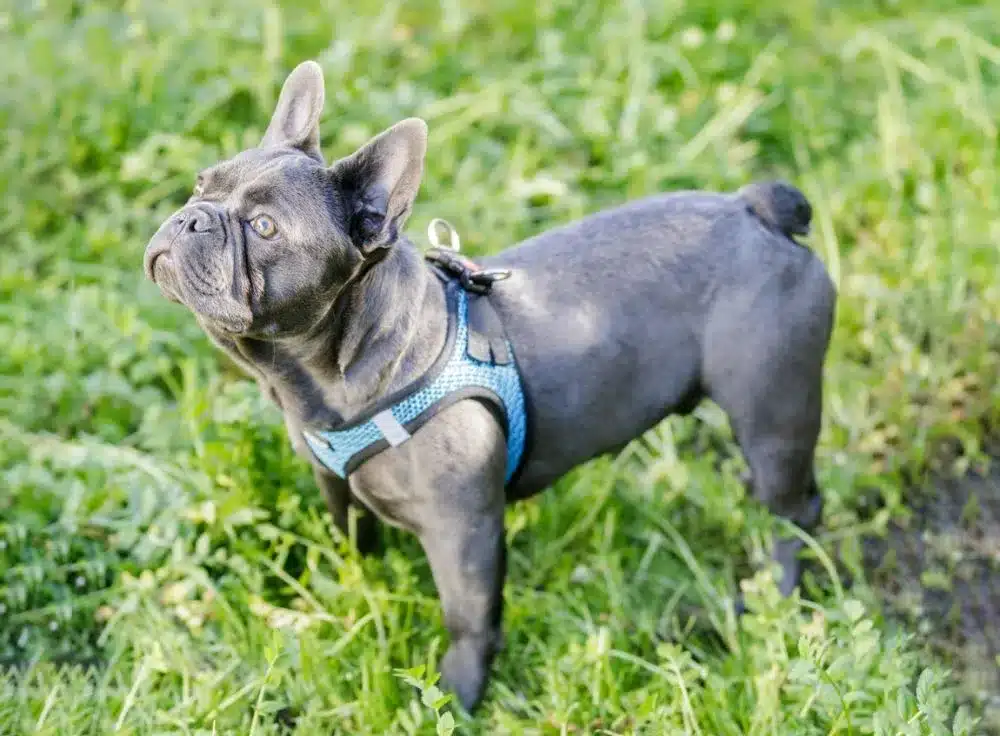
You just stumbled across a compact, tricolor dog with soulful eyes and the energy of a dog twice its size. Someone at the park called it a “Danish-Swedish Farmdog,” and now you’re down the rabbit hole trying to learn everything about this breed. You’re not alone. This hardy little farm companion has been winning hearts far beyond Scandinavia — and for good reason.
Quick Answer: What Is a Danish-Swedish Farmdog?
The Danish-Swedish Farmdog (also called the Dansk-Svensk Gårdshund) is a small, sturdy working breed originally developed on farms across Denmark and southern Sweden. These dogs served as ratters, herders, watchdogs, and family companions — often all in the same day. They typically weigh 15 to 25 pounds, stand 12 to 15 inches tall, and live 12 to 15 years. Think of them as the Scandinavian farmhand who never clocks out.
TL;DR: The Danish-Swedish Farmdog is a rare, small-to-medium breed that blends terrier-level energy with golden retriever-level friendliness. They’re low-maintenance in grooming, high-maintenance in mental stimulation, and fantastic for active families who want a versatile, healthy companion.
Key Takeaways
- Danish-Swedish Farmdogs are energetic, intelligent, and deeply people-oriented — they thrive on human interaction and don’t do well left alone for long stretches.
- This breed has remarkably few genetic health issues compared to many purebreds, thanks to centuries of natural selection on working farms.
- They need consistent mental stimulation just as much as physical exercise — boredom leads to unwanted behaviors fast.
- Grooming is simple (short, smooth coat), but dental care and nail maintenance still matter.
- Early socialization and positive-reinforcement training produce an incredibly well-rounded family dog.
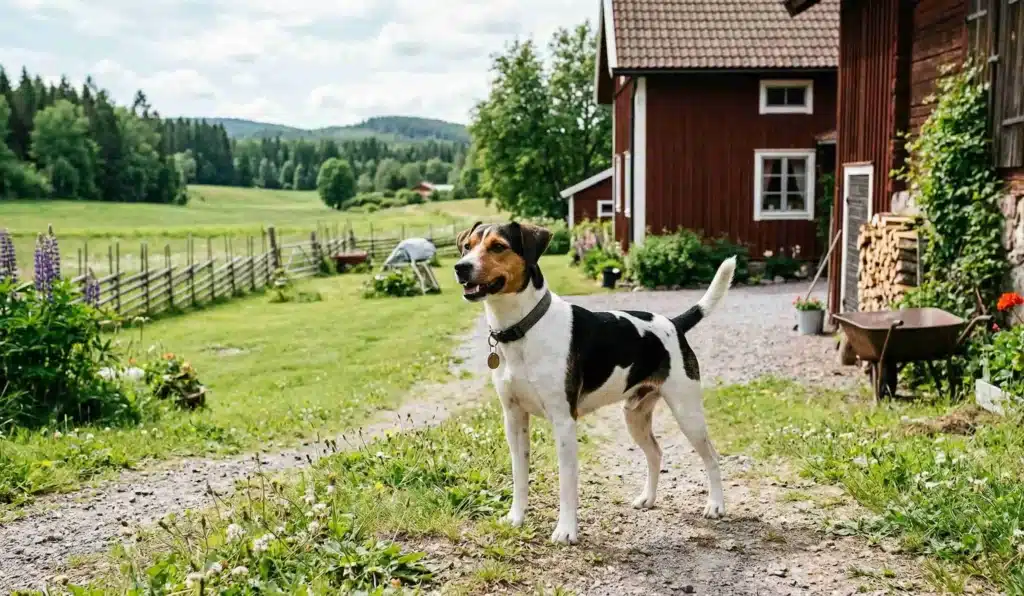
Table of Contents
Why the Danish-Swedish Farmdog Matters for Today’s Dog Owners
If you’ve been researching dogs that stay small forever, the Danish-Swedish Farmdog deserves a spot on your list. But unlike many small breeds bred purely for companionship, this dog was built to work. That distinction matters.
Choosing a breed that matches your lifestyle prevents the heartbreak of rehoming a dog that simply doesn’t fit. The Farmdog’s compact size, robust health, and adaptable personality make it an excellent match for families, active singles, and even first-time dog owners who are willing to invest in training. However, their high energy and need for engagement mean couch-potato households might struggle.
Veterinarians often point out that breeds with diverse working backgrounds tend to have stronger overall health. The Danish-Swedish Farmdog is a textbook example — generations of farm life demanded sound structure, sharp minds, and resilient immune systems.
The History and Background of the Danish-Swedish Farmdog
This breed’s story begins on the small farms that dotted the Danish-Swedish border region for centuries. Farmers didn’t breed for looks. They bred for function. A good farm dog needed to catch rats in the barn, alert the family to strangers, help move livestock, and then curl up with the children at night.
By the mid-20th century, modernization pushed these dogs to the brink of obscurity. Farm life changed, and the all-purpose farm dog seemed unnecessary. Thankfully, breed enthusiasts in both Denmark and Sweden recognized the Farmdog’s unique qualities and began formal preservation efforts. The breed was officially recognized by the Danish and Swedish Kennel Clubs in 1987.
The American Kennel Club accepted the Danish-Swedish Farmdog into its Foundation Stock Service in 2011, putting it on the path toward full recognition. According to the AKC’s breed page, these dogs are classified in the working group and are still considered a rare breed in the United States.
What makes their background important for prospective owners is this: the Danish-Swedish Farmdog wasn’t shaped by show-ring aesthetics. It was shaped by real-world demands. That translates to a dog with sound structure, balanced temperament, and impressive problem-solving ability.
Danish-Swedish Farmdog Temperament and Personality
If you could distill this breed’s personality into three words, they’d be: cheerful, clever, and attached. Danish-Swedish Farmdogs form tight bonds with their families and genuinely enjoy being part of daily life. They’ll follow you from room to room, supervise your cooking, and insist on joining car rides.
Their intelligence is both a gift and a responsibility. A bored Farmdog will find its own entertainment — and you probably won’t love its choices. Digging, barking, and creative destruction are common complaints from owners who underestimate this breed’s mental needs. Providing interactive toys for mental stimulation is essential, not optional.
With children, this breed is typically outstanding. Their patience and playfulness make them natural playmates. The AKC notes that they’re known for being gentle and attentive with kids, which is consistent with their history as farmyard family dogs. If you’re looking for the best dogs for kids, the Danish-Swedish Farmdog checks most boxes.
With other pets, they generally do well — especially when socialized early. Their ratting instinct can sometimes surface around very small animals like hamsters or guinea pigs, so supervised introductions are wise.
One trait that surprises many new owners: the Danish-Swedish Farmdog can be a surprisingly effective watchdog. They’re alert and vocal when something seems off. They won’t intimidate an intruder with size, but they’ll absolutely make sure you know someone’s at the door.
Common Mistakes Danish-Swedish Farmdog Owners Make (and Fixes)
Underestimating exercise needs. This isn’t a lazy lap dog despite its size. They need 45 to 60 minutes of active exercise daily. The fix: commit to daily walks, play sessions, and off-leash time in secure areas.
Skipping mental enrichment. Physical exercise alone won’t tire out a Farmdog’s brain. The fix: rotate puzzle toys, practice obedience drills, and introduce nose-work games weekly.
Leaving them alone too long. This breed craves companionship. Extended isolation causes separation anxiety. The fix: if you work long hours, arrange midday visits, doggy daycare, or a companion pet.
Neglecting dental care. Small breeds are more prone to periodontal disease. Owners often skip brushing until problems develop. The fix: start a brushing routine early and stick with it at least three times per week.
Assuming “rare breed” means “delicate breed.” Danish-Swedish Farmdogs are tough, but some owners wrap them in cotton wool. The fix: let them run, explore, and do the farm-dog things they were built for. They’re sturdier than they look.
Relying only on a backyard. A fenced yard is great, but it’s not a substitute for structured exercise and training. The fix: walk your Farmdog daily, introduce new environments, and keep training sessions consistent.
Keeping a Danish-Swedish Farmdog’s Brain Busy
Mental stimulation is arguably the single most important thing you can provide for this breed. Their farm-dog heritage means they’re wired to solve problems, make decisions, and stay busy. Without outlets for that drive, behavioral issues follow quickly.
Puzzle feeders, scent games, short training sessions throughout the day, and rotating toy selections all keep a Farmdog engaged. Even simple games like hiding treats around the house or teaching new tricks tap into their natural intelligence.
For dogs that genuinely need to think through a challenge, the Outward Hound by Nina Ottosson Dog Hide N’ Slide is a smart choice. This Level 2 intermediate puzzle toy forces your dog to slide, flip, and strategize to uncover hidden treats. It’s ideal for intelligent breeds like the Danish-Swedish Farmdog that blow through basic puzzles in minutes. The compartments are sturdy enough for enthusiastic pawing, and the difficulty level keeps sessions engaging without causing frustration. One limitation: very determined chewers may eventually damage the plastic, so it’s best used during supervised play.
CHECK PRICE ON AMAZON: https://amzn.to/4kDzKti
Step-by-Step Guide to Caring for a Danish-Swedish Farmdog
1. Set up your home before your dog arrives. Designate a sleeping area, stock up on appropriate chew toys, and puppy-proof any spaces where your Farmdog will roam. If you’re bringing home a puppy, crate training from day one builds a strong foundation.
2. Establish a daily exercise routine. Plan for at least 45 minutes of active exercise. Split it into a morning walk and an evening play session. These dogs love fetch, agility obstacles, and free running in safe areas.
3. Begin socialization immediately. Expose your puppy to different people, dogs, sounds, and environments during the first 16 weeks. Positive experiences during this window shape a confident adult dog. Make sure your puppy’s vaccination schedule is on track before visiting high-traffic dog areas.
4. Use positive-reinforcement training only. Danish-Swedish Farmdogs are sensitive and eager to please. Harsh corrections damage trust fast. Reward-based methods produce reliable results. Start with leash training fundamentals early — these dogs are enthusiastic walkers.
5. Feed a balanced, age-appropriate diet. Choose a high-quality kibble or raw diet formulated for small-to-medium active breeds. Feed twice daily for adults and three times daily for puppies under six months. Monitor weight carefully — even a pound or two of excess weight stresses small joints.
6. Maintain a simple grooming routine. Brush the coat once a week with a soft bristle brush to remove loose hair. Bathe only when necessary (every 4 to 6 weeks or when dirty). Clean ears weekly, trim nails every two to three weeks, and brush teeth at least three times per week.
7. Schedule regular veterinary checkups. Annual wellness exams catch potential issues early. Discuss dental cleanings, parasite prevention, and joint health with your vet — especially as your Farmdog enters its senior years.
Dental Health: A Small-Breed Priority
Here’s something many small-breed owners learn the hard way: dental disease is the number one diagnosed health condition in dogs under 20 pounds. According to the American Veterinary Medical Association, most dogs show signs of periodontal disease by age three. For a breed like the Danish-Swedish Farmdog, prevention is far easier (and cheaper) than treatment.
Starting a brushing routine when your Farmdog is young makes all the difference. A few seconds of gentle brushing several times a week removes plaque before it hardens into tartar.
The Virbac C.E.T. Oral Hygiene Kit for Dogs makes that habit easy to build. This kit includes an enzymatic toothpaste in poultry flavor that most dogs actually enjoy, plus both a fingerbrush and a standard pet toothbrush so you can use whichever your dog tolerates better. The enzymatic formula works even without brushing action, which is helpful during the adjustment period. It’s veterinarian-recommended and widely used in clinical settings. The only downside is that the fingerbrush may feel too snug on larger fingers — but for a small breed like the Farmdog, the standard toothbrush works just as well.
CHECK PRICE ON AMAZON: https://amzn.to/4bXfiRW
Troubleshooting Common Danish-Swedish Farmdog Issues
If your Farmdog is barking excessively, check whether it’s getting enough exercise and mental engagement first. Boredom barking is the most common cause. Increase activity and introduce puzzle toys before considering other solutions.
If your Farmdog is destructive when left alone, separation anxiety may be the issue. Gradually increase alone time in short intervals and provide a safe, comfortable space like a crate with familiar items.
If your puppy is nipping during play, redirect immediately to appropriate chew toys. This is normal puppy behavior, not aggression. Consistent redirection teaches bite inhibition over time.
If your Farmdog is pulling on walks, go back to basics with loose-leash training. Stop walking when the leash goes tight. Reward your dog when it returns to your side. Patience is key — this breed learns quickly once the rules are clear.
If your Farmdog is gaining weight, reduce treat portions and increase exercise duration. Even small weight changes affect small breeds disproportionately. Talk to your vet about an ideal target weight.
If your Farmdog seems anxious around strangers, increase positive socialization opportunities gradually. Reward calm behavior around new people rather than forcing interactions.
When to See a Veterinarian
While the Danish-Swedish Farmdog is generally a healthy breed, certain signs warrant prompt veterinary attention. See your vet if you notice persistent limping or stiffness, sudden changes in appetite or water intake, unexplained weight loss, chronic ear infections, excessive scratching or hair loss, signs of dental pain such as drooling or reluctance to eat, or any behavioral changes that seem out of character.
For puppies, follow the recommended vaccination timeline closely and discuss spay/neuter timing with your vet. Most veterinarians recommend waiting until the dog reaches physical maturity — usually around 12 months for this breed.
Expert Perspective on the Danish-Swedish Farmdog
The Danish-Swedish Farmdog stands out in the canine world for a reason that should matter to every prospective owner: genetic health. Unlike many popular breeds that have been narrowed through intensive line-breeding for aesthetic traits, the Farmdog’s gene pool remained relatively broad thanks to its working-dog heritage. This translates to fewer breed-specific hereditary conditions and generally lower veterinary costs over the dog’s lifetime.
Veterinarians who work with this breed consistently note their sound joint structure, healthy dentition relative to other small breeds, and overall robust constitution. That said, no breed is immune to health challenges. Responsible owners should still maintain regular veterinary care, keep vaccinations current, and monitor for the general conditions that affect all dogs — including dental disease, obesity, and age-related joint changes.
Frequently Asked Questions About the Danish-Swedish Farmdog
How big does a Danish-Swedish Farmdog get?
Most adults weigh 15 to 25 pounds and stand 12 to 15 inches at the shoulder. Males tend to be slightly larger than females, but both remain solidly in the small-to-medium range.
Are Danish-Swedish Farmdogs good apartment dogs?
Yes, with conditions. They adapt well to apartment living if they receive sufficient daily exercise and mental stimulation. Without enough activity, they’ll channel excess energy into unwanted behaviors.
Do Danish-Swedish Farmdogs shed a lot?
They shed moderately year-round with heavier shedding during seasonal changes. Weekly brushing keeps loose hair manageable. Their short coat doesn’t mat or tangle.
How much exercise does a Danish-Swedish Farmdog need?
Plan for 45 to 60 minutes of active exercise daily. This should include walks, play sessions, and ideally some off-leash running in a secure area. Mental enrichment supplements physical exercise.
Are Danish-Swedish Farmdogs easy to train?
Yes. Their intelligence and eagerness to please make them highly trainable. They respond best to positive reinforcement and can learn complex commands quickly. Consistency is more important than intensity.
What health problems do Danish-Swedish Farmdogs have?
This is one of the healthiest purebred breeds overall. No major breed-specific genetic diseases are widely documented. General small-breed concerns like dental disease and patellar luxation are worth monitoring.
How long do Danish-Swedish Farmdogs live?
Typical lifespan is 12 to 15 years. With proper nutrition, regular exercise, and veterinary care, many individuals reach the upper end of that range.
Are Danish-Swedish Farmdogs good with cats?
Generally yes, especially when raised together. Their ratting instinct may surface with very small animals, but most Farmdogs coexist peacefully with cats after proper introductions.
How rare is the Danish-Swedish Farmdog?
Very rare outside Scandinavia. In the United States, they remain uncommon and are listed in the AKC’s Foundation Stock Service. Finding a reputable breeder may require patience and research.
What’s the difference between a Danish-Swedish Farmdog and a Jack Russell Terrier?
While both are small and energetic, the Farmdog is typically calmer, less terrier-intense, and more naturally people-oriented. Farmdogs also tend to be less dog-aggressive and easier for first-time owners to manage.
Your Next Step With the Danish-Swedish Farmdog
The Danish-Swedish Farmdog is one of those rare breeds that genuinely seems too good to be true — and then delivers on the promise. Compact enough for apartment living, tough enough for outdoor adventures, smart enough to learn almost anything, and affectionate enough to melt into your lap at the end of the day. Their health profile is enviable, their temperament is balanced, and their loyalty runs deep.
If this breed has caught your attention, start by connecting with breed clubs and reputable breeders who prioritize health testing and temperament. The Danish-Swedish Farmdog Club of America is a solid starting point. Ask questions, visit litters if possible, and make sure your lifestyle can meet this dog’s needs for companionship and stimulation. The right match between owner and Farmdog creates a partnership that lasts well over a decade — and trust us, you’ll want every single year of it.
This article provides general educational information about dog breeds and care. It is not a substitute for professional veterinary advice. Always consult your veterinarian for guidance specific to your dog’s health needs.