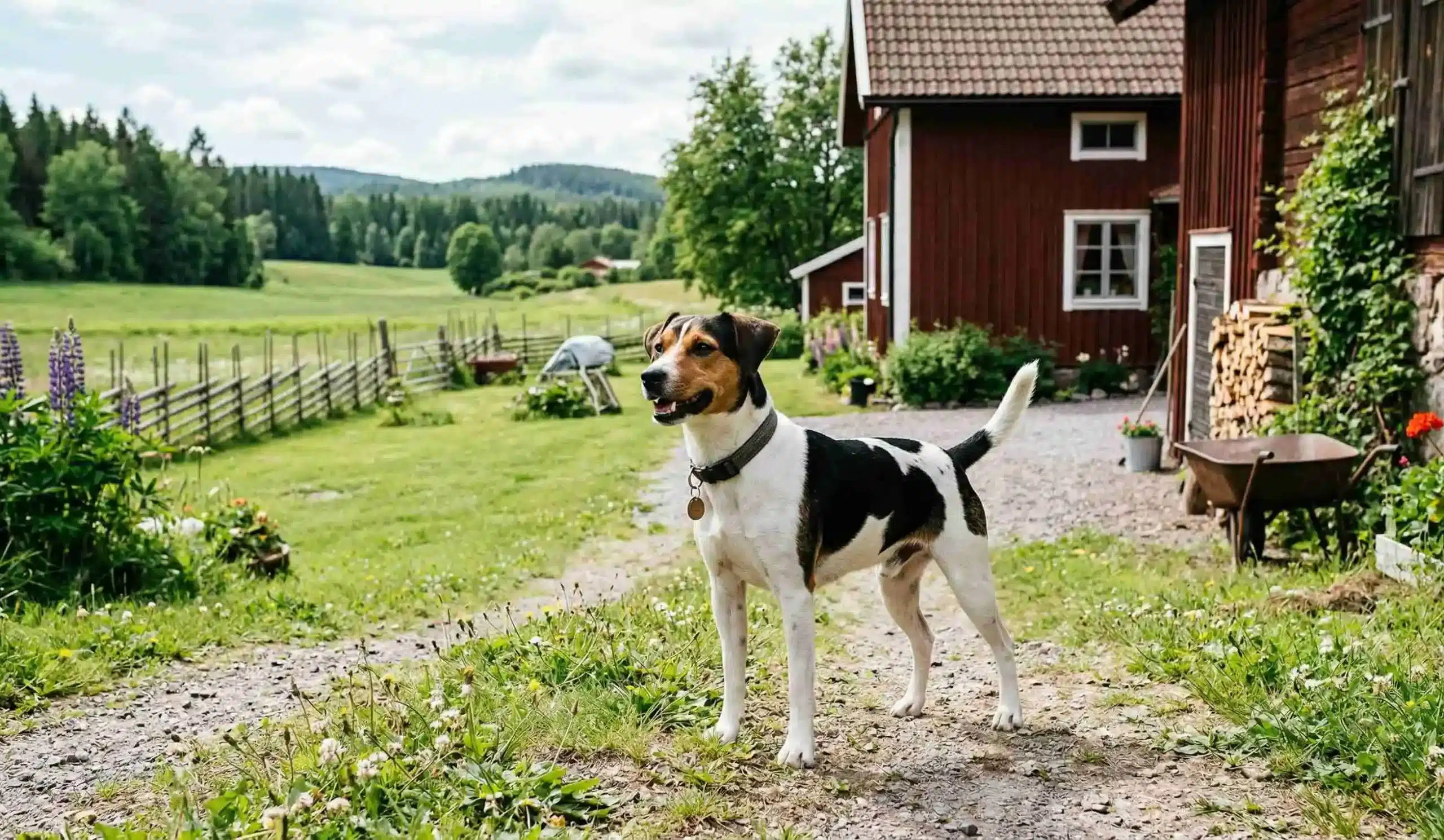
Picture this: it’s a lazy Saturday morning, the kids are building a fort in the living room, and a wagging tail is right in the middle of it all. Choosing the best family dogs isn’t just about cuteness, it’s about finding a steady, patient companion who fits your real life. The right breed can become your child’s first best friend and your most loyal shadow. This guide walks you through proven family-friendly breeds, what to expect, and how to set them up for success.
Quick Answer
The best family dogs are breeds known for patience, gentle temperaments, and adaptability with children. Top picks include the Labrador Retriever, Golden Retriever, Beagle, Cavalier King Charles Spaniel, and Poodle. These dogs typically tolerate noise, handle play well, and bond deeply with every member of the household, making them ideal first-time family pets.
TL;DR
Look for breeds with calm temperaments, manageable energy, and a history of getting along with kids. Labs, Goldens, Beagles, Cavaliers, and Poodles consistently rank as the best dog breeds for families because they balance affection, trainability, and patience.
Key Takeaways
- Temperament matters more than size or looks when choosing a family dog.
- Match the breed’s energy level to your family’s lifestyle and home space.
- Early socialization and gentle training shape a kid-friendly companion.
- Mixed breeds and rescues can be just as wonderful as purebreds.
- Always supervise dog–child interactions, even with the gentlest breeds.

Table of Contents
Why Choosing the Right Family Dog Matters
A dog isn’t a 6-month commitment, it’s a 10–15 year relationship. The breed you bring home will share birthdays, road trips, and rainy afternoons with your kids. Picking the wrong fit can lead to stress, behavioral struggles, and heartbreak for everyone, including the dog.
Veterinarians recommend looking past appearance and focusing on temperament, exercise needs, and tolerance for noise. A dog that thrives in a quiet apartment may struggle with three loud kids and a backyard. A high-drive working breed can become anxious without daily mental work. Matching the dog to your real routine prevents most behavioral problems.
According to the AKC, family-friendly breeds tend to share a few traits: even temperament, sociability, and adaptability. These qualities matter far more than fluff factor. A calm, well-socialized mixed breed often outperforms a “dream” purebred chosen for the wrong reasons.
What Makes a Dog Truly Family-Friendly
Family-friendly is more than “doesn’t bite.” It’s a mix of inherited temperament and good early experiences. The dog should tolerate handling, recover quickly from surprises, and enjoy being around people of all ages.
Temperament Traits to Look For
The best family dog breeds usually share these qualities:
- Patience with sudden movements and loud voices
- Low-to-moderate prey drive (especially with cats or small pets)
- Willingness to learn through reward-based training
- Affectionate but not overly clingy or anxious
- Good bounce-back from minor stress, like a tail tug or dropped pan
Energy Level vs. Lifestyle
A Border Collie is brilliant, but it needs a job. A Bulldog is laid-back, but it overheats easily. Be honest about how much daily exercise and mental stimulation your family can offer. If walks happen mostly on weekends, choose a lower-energy breed.
Size and Home Space
Bigger isn’t always rougher, and tiny isn’t always safer. Some giant breeds are gentle, while some toy breeds are nippy. Apartment dwellers often do well with medium calm breeds, while families with yards can handle higher-energy dogs comfortably.
The 12 Best Family Dog Breeds
Here are twelve breeds that consistently rank among the best dog breeds for families, based on temperament, trainability, and decades of household experience.
1. Labrador Retriever
Labs are the gold standard for a reason. Friendly, eager to please, and endlessly patient, they tolerate kid chaos and love being part of every activity. Expect daily exercise needs and moderate shedding. Early training prevents the “bouncy teenager” phase from becoming overwhelming.
2. Golden Retriever
Goldens are gentle, sensitive, and famously good with children. They thrive on togetherness and dislike being left alone for long. Their coat needs weekly brushing, and they’re prone to joint issues, so watch their weight and activity as they age.
3. Beagle
Beagles are compact, cheerful, and curious. They get along with kids and other dogs, and their size suits most homes. Be ready for a loud bark, a strong nose, and a stubborn streak. Secure fencing is non-negotiable, since they’ll follow a scent for miles.
4. Cavalier King Charles Spaniel
Cavaliers are soft, affectionate lap dogs that adore everyone. They’re gentle with small children and adaptable to apartments. They need regular grooming and can develop heart issues, so choose a reputable breeder and schedule yearly cardiac checks.
5. Poodle (Standard, Miniature, Toy)
Poodles are smart, low-shedding, and remarkably trainable. Standards are athletic family companions; minis and toys suit smaller homes. Their coats require professional grooming every 4–6 weeks. Expect a thinking dog that needs mental work, not just walks.
6. Bichon Frise
Bichons are cheerful, hypoallergenic-leaning, and people-focused. They’re great with respectful kids and small spaces. They struggle with long alone time and can develop separation anxiety, so plan for company or doggy daycare.
7. Boxer
Boxers are loyal, playful, and protective in a goofy way. They bond intensely with kids and are surprisingly patient. They need significant exercise and structured training to channel their energy. Watch for heat sensitivity in summer.
8. Bernese Mountain Dog
Berners are calm giants known for their gentle nature with children. They prefer cooler climates and moderate activity. Their lifespan is shorter than smaller breeds, so families should be ready for that reality. Joint care from puppyhood is essential.
9. Cocker Spaniel
Cockers are sweet, sociable, and medium-sized, a nice middle-ground breed. They love family time and adapt well to most homes. Ear care is critical, since their floppy ears trap moisture. Choose lines bred for temperament, not show-only traits.
10. Vizsla
Vizslas are affectionate “Velcro dogs” who attach deeply to their people. They’re great with active families who run, hike, or bike daily. They’re not couch potatoes, under-exercised Vizslas can become destructive and anxious.
11. Newfoundland
Newfies are nicknamed “nanny dogs” for good reason. They’re patient, calm, and protective without being aggressive. They drool, shed, and take up space, but their temperament with kids is legendary. Cool environments suit them best.
12. Mixed-Breed Rescue
Don’t overlook mixed breeds. Many of the best family dogs come from shelters. Rescues often arrive past the puppy chaos stage, with known temperaments. Ask the shelter for a kid-friendly match, and request a meet-and-greet with the whole family.
Common Mistakes Families Make (and How to Fix Them)
Even loving families slip into habits that set their dog up to struggle. Here are the most common mistakes:
- Choosing by looks, not temperament. The fix: research the breed’s working purpose and energy needs before falling for the photo.
- Skipping early socialization. The fix: expose puppies to people, sounds, and environments between 8–16 weeks while keeping vaccinations on track.
- Letting kids treat the dog like a toy. The fix: teach respectful handling rules and supervise every interaction.
- Under-exercising a high-energy breed. The fix: schedule two structured activity sessions daily, mental and physical.
- Ignoring small warning signs. The fix: address growling, avoidance, or stiffness early with a trainer or vet, not later.
- Overfeeding to show love. The fix: measure meals, limit treats, and weigh your dog every few months.
- Skipping crate training. The fix: introduce the crate as a calm, positive space from week one.
Helping Your New Family Dog Settle In Calmly
The first few weeks shape your dog’s long-term confidence. Whether you bring home an 8-week-old puppy or a rescue adult, the goal is the same: lower stress, build routine, and create a safe retreat. Many families underestimate how overwhelming a noisy, busy household feels to a new dog. A predictable nap spot and steady schedule make a real difference.
Puppies in particular often whine through their first nights away from their litter. A gentle sleep aid can take the edge off that transition without medication. The Original Snuggle Puppy Heartbeat Toy is designed for exactly this moment. It’s a plush companion with a soft heartbeat and warming pack that mimics a littermate, helping reduce nighttime crying and crate anxiety.
It’s best for new puppies and young rescues during their first few weeks at home. Owners report calmer nights and easier crate acceptance, which matters when kids need sleep too. One honest limitation: the warming pack only lasts a few hours, so it’s a settling tool, not an all-night fix. Pair it with a consistent bedtime routine for the smoothest results.
CHECK PRICE ON AMAZON: https://amzn.to/4kCZCoX
Step-by-Step Guide: Setting Up Your Family Dog for Success
A great family dog is partly born and mostly built. Use this simple roadmap during the first three months.
- Prep the home before arrival. Remove choking hazards, secure trash, and pick a quiet sleep zone away from foot traffic.
- Schedule a vet visit within the first week. Confirm vaccines, parasite control, and weight goals.
- Establish feeding times. Two measured meals a day support digestion and house training.
- Start gentle handling drills. Touch paws, ears, and tail daily to build tolerance for grooming and vet visits.
- Introduce kids one at a time. Calm voices, slow movements, and treats build positive first impressions.
- Teach four foundation cues. Name response, sit, come, and a release word like “okay.”
- Begin leash work indoors. Short, fun sessions prevent pulling later.
- Add socialization gradually. New people, surfaces, and sounds, never overwhelming.
- Build alone-time tolerance. Start with five-minute absences and grow from there.
- Track progress weekly. Small wins beat perfection, and patience pays off in years two and beyond.
If your puppy struggles with chewing, jumping, or nipping during this phase, you’re not alone. Many of these issues are normal developmental stages, and a calm plan for common puppy behavior problems helps redirect those impulses early.
Keeping Family Dogs Mentally Engaged
Boredom is the silent driver of bad behavior. A tired body is good, but a tired brain is better. Family dogs left without mental challenges often invent their own games, like chewing shoes or barking at every leaf. Just 15 minutes of daily problem-solving can dramatically reduce destructive habits.
Puzzle feeders and food-dispensing toys are some of the easiest ways to add enrichment without extra walks. The Outward Hound Hide N’ Slide Interactive Puzzle Toy is a Level 2 puzzle where dogs slide and lift compartments to reveal treats. It’s ideal for medium-experience dogs and works well in homes with kids who enjoy “helping” set it up.
Benefits include slower eating, calmer evenings, and improved focus during training. The honest limitation: stronger chewers may try to bite the plastic, so it’s meant as a supervised activity, not a leave-alone toy. Used a few times a week, it becomes part of a healthy routine, and you can find more options in this guide to interactive dog toys.
CHECK PRICE ON AMAZON: https://amzn.to/4kDzKti
Long-Term Joint Health for Active Family Dogs
Many of the best family dog breeds, especially Labs, Goldens, Boxers, and Berners, are prone to hip and joint issues as they age. The earlier you support joint health, the longer your dog stays comfortable on family hikes and backyard play sessions.
A daily joint supplement is one of the simplest preventive habits. The Wuffes Advanced Hip and Joint Supplement combines glucosamine, chondroitin, MSM, omega-3, and green-lipped mussel, ingredients commonly recommended for canine joint support. The pork-flavored chews are formulated for small and medium dogs.
It suits adult dogs entering middle age and breeds with known joint risk. Owners often see improved willingness to climb stairs and jump after a few weeks of consistent use. The honest limitation: it’s not a quick fix, supplements work gradually and are best paired with weight control and vet guidance. Always confirm dosage with your veterinarian before starting any supplement routine.
CHECK PRICE ON AMAZON: https://amzn.to/4aRkWUs
Troubleshooting: If This, Then That
Even the best family dogs hit bumps. Use this quick-reference guide:
- If your dog growls at the kids, then stop, separate calmly, and consult a force-free trainer immediately.
- If your puppy nips during play, then end the game, redirect to a chew toy, and reward calm behavior.
- If your dog hides during loud playtime, then create a quiet retreat zone and respect it.
- If your dog won’t eat, then rule out illness with a vet before adjusting food.
- If your dog pulls on the leash, then practice short, structured walks with rewards for slack-leash position.
- If your dog seems anxious in the car or at home, then review calming routines in this dog anxiety guide.
- If your family is unsure between active and laid-back breeds, then compare temperaments using a low-energy breeds overview before committing.
When to Call a Professional
Most issues respond to patience and good routines. Some don’t. Call a veterinarian or certified trainer if you notice:
- Sudden aggression or repeated growling at family members
- Limping, stiffness, or reluctance to climb stairs lasting more than a few days
- Loss of appetite, vomiting, or diarrhea beyond 24 hours
- Persistent fear, hiding, or trembling without obvious cause
- Skin infections, ear odors, or constant scratching
Early intervention almost always means a faster, cheaper, and kinder outcome.
Expert Opinion: A Veterinary Perspective
According to the AKC, no single breed is universally the best family dog, the right match depends on your home, schedule, and the ages of your children. Veterinarians widely recommend prioritizing temperament testing, ethical breeders, and rescues with known histories over impulse adoptions. Even within the same breed, individual personality varies significantly, so meeting the dog matters.
The AVMA emphasizes the importance of supervised interactions between dogs and young children, regardless of breed reputation. Bite prevention starts with respectful handling, body-language awareness, and consistent routines. A “gentle” breed can still react if startled or in pain. The combination of careful selection, early training, and informed owners is what creates the family dogs people remember for a lifetime.
For deeper guidance on choosing a kid-compatible companion, this comprehensive guide to the best dogs for kids is a helpful next read.
Frequently Asked Questions
What is the most family-friendly dog breed?
The Labrador Retriever is widely considered the most family-friendly breed thanks to its patient temperament, trainability, and tolerance for kids. Golden Retrievers and Cavalier King Charles Spaniels are close runners-up, though individual temperament always matters more than breed averages.
Are big dogs safer for families with kids?
Not necessarily. Size doesn’t equal safety. Many large breeds, like Newfoundlands and Bernese Mountain Dogs, are exceptionally gentle, while some small breeds may nip if mishandled. Temperament, training, and supervision matter far more than weight.
What is the calmest family dog?
Cavalier King Charles Spaniels, Bichons, and Bernese Mountain Dogs rank among the calmest family dogs. They tend to handle household noise well and don’t require intense daily exercise, making them suitable for relaxed homes and families with younger children.
Are mixed breeds good for families?
Yes. Mixed breeds often make wonderful family dogs and may have fewer inherited health issues. Many shelter dogs already have known temperaments, which makes matching easier. Adopting an adult mixed breed can also skip the demanding puppy stage.
How much exercise does a family dog need?
Most family dogs need 30–90 minutes of daily activity, depending on breed and age. A mix of walks, play, and short training sessions usually keeps them happy. High-energy breeds like Vizslas need closer to two hours of structured activity per day.
What age should kids be before getting a dog?
Many veterinarians suggest waiting until children are at least five or six years old, when they can follow handling rules. Younger kids can absolutely live with dogs safely, but adults must supervise every interaction and teach respectful behavior.
Do family dogs need professional training?
Not always, but professional training accelerates results and prevents bad habits. A few group classes during puppyhood usually pay off for years. For sensitive dogs or families new to dog ownership, a private trainer may be a worthwhile investment.
Are hypoallergenic breeds better for families?
Hypoallergenic-leaning breeds like Poodles and Bichons may suit families with mild allergies, though no breed is fully allergen-free. If allergies are a concern, spend time around the breed before committing, and consult an allergist for personalized advice.
How do I introduce a new dog to my children?
Start in a calm, neutral space. Let the dog approach the kids on its own terms, with quiet voices and slow movements. Reward gentle interactions, and never force contact. Always supervise the first several weeks of family interactions.
How long do family dogs typically live?
Lifespan varies by size and breed. Small breeds like Cavaliers and Bichons often live 12–15 years, while giant breeds like Newfoundlands average 8–10 years. Mid-sized breeds like Labs and Beagles typically live around 10–13 years with good care.
Conclusion
The best family dogs aren’t defined by a single breed, they’re defined by fit. The right dog matches your energy, your home, your kids’ ages, and your willingness to put in the early work. Whether you choose a classic Labrador, a gentle Cavalier, a clever Poodle, or a wonderful shelter mix, the foundation is the same: patience, respect, and consistency. Take your time, ask the right questions, and meet the dog before you commit. The reward is a loyal companion who becomes woven into every family memory. Ready to start? Make a shortlist tonight and visit two breeds or rescues this week.
Health and behavior guidance in this article is general information and not a substitute for professional veterinary advice or hands-on training. Always consult your veterinarian for medical questions specific to your dog.