You crack an egg into the pan, and suddenly there’s a furry shadow at your feet, eyes locked on the stove. Sound familiar? Most dog owners eventually wonder, can dogs eat eggs without it causing tummy trouble or worse? The short answer is yes, but how you serve them makes all the difference. This guide walks you through the safe way to share this everyday protein with your pup.
Quick Answer
Yes, dogs can eat eggs safely when they’re cooked plain without oil, butter, salt, or seasonings. Eggs deliver high-quality protein, essential amino acids, and nutrients that support skin, coat, and muscle health. They’re a great occasional treat for most healthy adult dogs, including picky eaters and dogs needing extra calories.
TL;DR
Cooked eggs are a safe, nutritious snack for most dogs in moderation. Skip raw eggs to avoid Salmonella risks, and never add butter, salt, onion, or garlic. Treats, including eggs, should stay under 10% of your dog’s daily calories.
Key Takeaways
- Cooked plain eggs are safe and packed with protein for most healthy dogs.
- Raw eggs carry Salmonella and E. coli risks, plus a biotin-blocking compound called avidin.
- Crushed eggshells can offer calcium, but only when prepared properly.
- Limit eggs to roughly one per day for medium dogs, less for small breeds.
- Always check with your vet first if your dog has pancreatitis, allergies, or kidney issues.
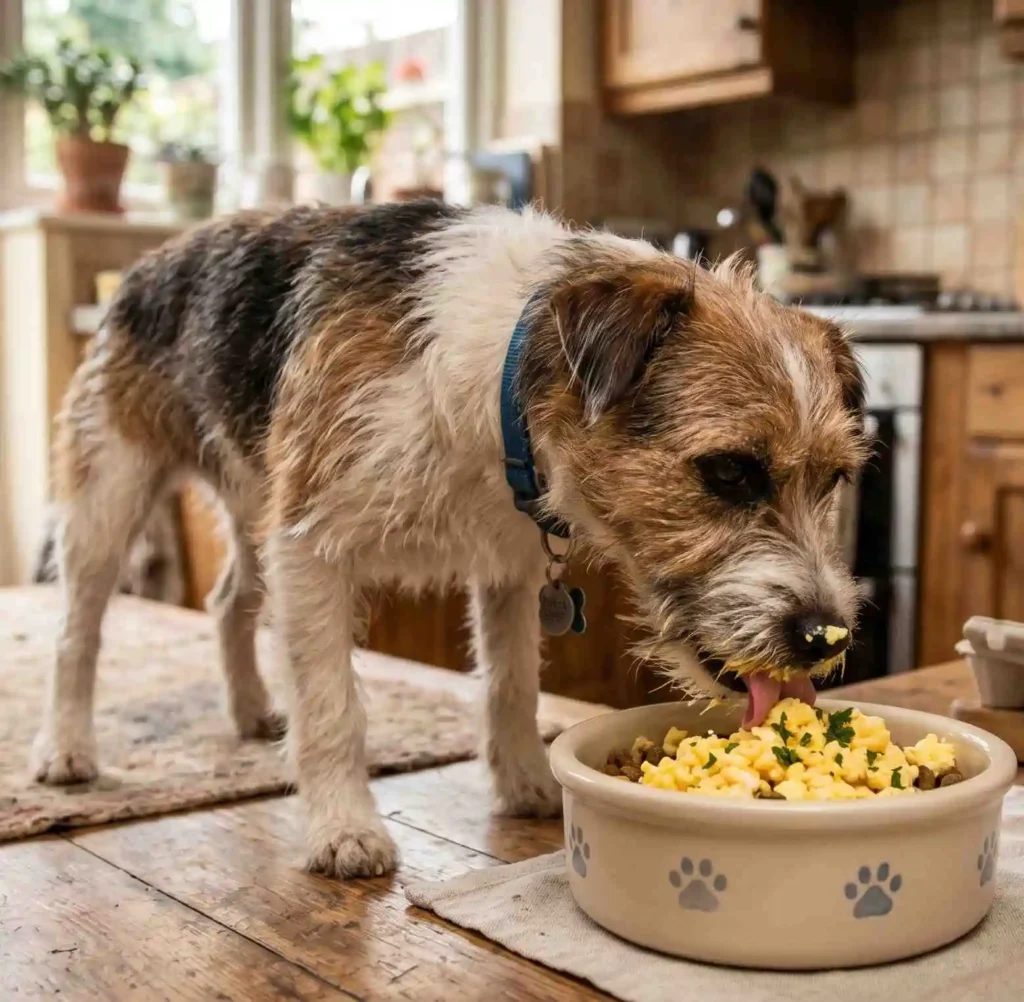
Table of Contents
Why Eggs Matter for Your Dog’s Diet
Eggs are often called nature’s multivitamin, and that reputation holds up for dogs too. A single large egg contains around 70 calories and 6 grams of complete protein. That means it provides every essential amino acid your dog’s body needs to repair muscle and grow healthy tissue.
Beyond protein, eggs deliver vitamin A for vision, B12 for nerve function, riboflavin for energy, and selenium for immune support. The yolk also contains lutein, biotin, and healthy fatty acids that contribute to a glossy coat and strong skin barrier.
For underweight, recovering, or senior dogs, eggs can be a gentle way to add calories without piling on bulk. They’re also surprisingly digestible, which makes them appealing to dogs with sensitive stomachs, when introduced slowly.
That said, eggs are not a complete meal. They lack fiber and certain minerals your dog needs daily. Think of them as a nutritional booster, not a replacement for balanced dog food.
Anatomy of a Dog-Safe Egg
Understanding what’s inside an egg helps you serve it the right way. The egg white is almost pure protein with a small amount of water. The yolk holds the fat, fat-soluble vitamins, and most of the flavor your dog craves.
The shell is calcium carbonate, which can be useful for dogs needing extra calcium, but only in ground form. Whole shells can splinter and irritate the digestive tract.
Cooking changes the egg in two important ways. First, heat kills bacteria like Salmonella that may sit on the shell or inside. Second, cooking deactivates avidin, a protein in raw whites that binds to biotin and can cause skin and coat problems with long-term exposure.
This is why most veterinarians, including those cited by the American Kennel Club, recommend cooked eggs over raw.
Common Mistakes (and Fixes)
Even well-meaning owners trip up on egg feeding. Here are the slip-ups that show up most often.
- Mistake 1: Cooking eggs in butter or oil. Added fat can trigger pancreatitis, especially in small or sensitive breeds. The fix: Dry-scramble eggs in a non-stick pan with no fat at all.
- Mistake 2: Adding salt, pepper, or seasoning. Sodium overloads a dog’s system, and onion or garlic powder is toxic. The fix: Serve eggs completely plain, full stop.
- Mistake 3: Feeding raw eggs daily. This combines bacterial risk with biotin deficiency over time. The fix: Cook every egg you serve your dog, every time.
- Mistake 4: Giving too many eggs at once. A whole egg in one sitting can upset a small dog’s stomach. The fix: Start with a teaspoon-sized portion and work up.
- Mistake 5: Tossing whole shells into the bowl. Sharp fragments can scratch the throat or gut lining. The fix: Grind shells into a fine powder before sprinkling.
- Mistake 6: Ignoring allergy signs. Eggs are a known canine allergen. The fix: Watch for itching, ear infections, or loose stools after the first few servings.
- Mistake 7: Using eggs to replace meals. Eggs alone don’t meet AAFCO complete nutrition standards. The fix: Treat eggs as a topper or training reward only.
Solutions for Sensitive Stomachs and Picky Eaters
Some dogs handle eggs beautifully. Others, especially those with a history of soft stools or food sensitivities, need extra support when you introduce a new protein. The good news is small dietary tweaks and a thoughtful supplement can smooth the transition.
If your dog tends to gulp scrambled eggs and then bring them right back up, slowing down mealtime helps a lot. Fast eaters swallow air, which leads to gas, regurgitation, and sometimes vomiting. A textured bowl forces them to work for each bite, giving the stomach time to keep up. For owners noticing this pattern, switching to a slow feeder dog bowl often solves it overnight.
The Outward Hound Fun Feeder Slo Bowl is a solid pick for medium to large dogs who inhale food. The molded ridges turn a 30-second meal into a 10-minute one, which reduces choking risk and helps prevent bloat. It’s dishwasher-safe and sits flat thanks to a non-slip base. One honest limitation: dogs with very flat faces, like Pugs or French Bulldogs, can struggle with the deeper grooves and may do better with a shallower design.
CHECK PRICE ON AMAZON: https://amzn.to/40buzas
For dogs with truly delicate digestion, adding a probiotic when you bring in new foods like eggs can keep the gut microbiome balanced. Probiotics support firm stools and reduce the chance of new-food diarrhea.
The Purina Pro Plan FortiFlora probiotic is one of the most widely recommended in veterinary clinics. Each packet contains a live strain proven to support digestive health, and the powder sprinkles cleanly over food. It’s especially useful during diet transitions, after antibiotics, or when traveling. The honest trade-off is the cost per packet, which adds up if used long-term, so most owners use it for short stretches rather than daily.
CHECK PRICE ON AMAZON: https://amzn.to/3ZySvV4
Eggs also pair well with omega-3 fatty acids for skin and coat support. If your dog has dry skin, dull fur, or seasonal itching, the biotin in eggs and the EPA and DHA in fish oil work together. You can read more about combining these tools in our dog supplements guide.
Step-by-Step: How to Cook Eggs for Your Dog
Feeding eggs the right way takes about three minutes. Follow this sequence the first time, then adjust based on your dog’s size and tolerance.
- Pick a fresh egg. Use a Grade A egg with no cracks. Crack it into a small bowl and check for shell pieces.
- Skip every additive. No butter, oil, milk, salt, pepper, herbs, or cheese. Plain only.
- Choose a cooking method. Scrambled, hard-boiled, or poached all work. Scrambled is easiest for portion control.
- Cook fully. The whites should be opaque and the yolk firm, not runny. This kills bacteria and deactivates avidin.
- Cool before serving. Hot food can burn a dog’s mouth and tongue. Wait until the egg is barely warm.
- Start small. A teaspoon for tiny breeds, a tablespoon for medium dogs, half an egg for large dogs the first time.
- Watch for 24 hours. Any vomiting, gas, itching, or loose stools means pause and check with your vet.
- Make it a topper. If all goes well, mix a portion of egg into your dog’s regular kibble two or three times a week.
Can Dogs Eat Egg Shells?
This is one of the most common follow-up questions, and the answer is yes, with care. Crushed eggshells are nearly pure calcium carbonate, which supports bone density, dental health, and nerve function. They can be a useful supplement for home-cooked diets that lack added calcium.
To prepare shells safely, rinse them, bake at 200°F (95°C) for about 10 minutes to kill bacteria, then grind into a fine powder using a clean coffee grinder or mortar. Store the powder in a sealed jar.
A general guideline is one-half teaspoon of ground shell per pound of homemade food, but this varies by recipe. Never serve large jagged pieces, since they can cause choking or internal scratches. If your dog already eats a complete commercial diet, added eggshell calcium is usually unnecessary and could throw off the calcium-phosphorus balance.
When in doubt, skip the shells and stick with the egg itself.
Troubleshooting (If/Then)
- If your dog vomits within hours of eating egg, then withhold food for 12 hours, offer small sips of water, and call your vet if it continues. See our guide on dog vomiting white foam for more.
- If you see loose stools the next day, then stop eggs for a week and reintroduce a smaller portion later.
- If your dog scratches more or develops red ears, then suspect an egg allergy and discuss elimination testing with your vet.
- If your dog refuses cooked egg entirely, then try a different texture, like finely chopped hard-boiled instead of scrambled.
- If you accidentally fed a raw egg, then monitor for 48 hours and watch for vomiting, lethargy, or fever.
- If your puppy ate too much egg at once, then offer plenty of water, watch for distress, and skip their next meal if they seem full.
When to See a Veterinarian
Most egg-related issues are mild and resolve with a short food break. But certain signs need professional attention quickly. Call your vet if your dog shows persistent vomiting lasting more than 24 hours, bloody diarrhea, severe lethargy, or signs of an allergic reaction like facial swelling and hives.
Dogs with a history of pancreatitis, diabetes, or kidney disease should always get vet clearance before adding eggs to their routine. The fat content, while modest, can still aggravate sensitive systems.
The same goes for puppies under 12 weeks. Their digestive tracts are still maturing, and any new food should be introduced under guidance. This information is general education, not a substitute for a veterinary diagnosis tailored to your dog.
Expert Opinion
Veterinarians generally view eggs as one of the most underused safe human foods for dogs. According to AKC nutrition resources, eggs are a “complete source of protein” and provide easily absorbed amino acids that match canine nutritional needs closely. The American Veterinary Medical Association also notes that home-prepared additions to a dog’s diet should always be cooked thoroughly to reduce zoonotic disease risk. Salmonella infection in dogs may be subclinical, meaning your dog can carry and shed bacteria without showing symptoms, putting humans in the household at risk too.
That’s why the consistent professional advice is straightforward: cook eggs fully, serve them plain, keep portions small, and treat them as one piece of a balanced diet rather than a daily staple. When fed this way, eggs can support skin health, muscle maintenance, and meal enthusiasm in dogs of every life stage. For broader nutrition guidance, our roundup of superfoods for dogs puts eggs in context alongside other vet-approved options.
FAQs
1. How many eggs can a dog eat per day? Most healthy medium-sized dogs can have one cooked egg per day, while small dogs should stick to a quarter or half egg. Large dogs may handle one to two. Eggs should still stay within the 10% treat rule for daily calories.
2. Are scrambled eggs safe for dogs? Yes, scrambled eggs are safe as long as they’re cooked plain in a dry pan with no butter, oil, salt, milk, or seasonings. Plain scrambled eggs are gentle on most dogs’ stomachs and easy to portion.
3. Can puppies eat eggs? Healthy puppies over 12 weeks old can eat small amounts of fully cooked egg. Start with a teaspoon mixed into their regular food, then watch for any digestive upset before offering more. Always check with your vet first.
4. Can dogs eat raw eggs? Most veterinarians advise against raw eggs because of Salmonella, E. coli, and the avidin protein that blocks biotin absorption. Long-term raw egg feeding can contribute to skin issues and digestive infections.
5. Can dogs eat eggshells? Yes, dogs can eat eggshells when they’re rinsed, baked briefly to sterilize, and ground into a fine powder. Whole or jagged shell pieces are not safe and can cause throat or gut irritation.
6. Are eggs good for dogs with sensitive stomachs? Plain cooked eggs are often well-tolerated by dogs with mild sensitivities, but eggs are also a common allergen. Introduce slowly, in small amounts, and stop if you notice itching, gas, or loose stools.
7. Can eggs help my dog’s coat? Yes, the biotin, fatty acids, and amino acids in eggs support healthy skin and a shiny coat. Pairing eggs with omega-3 supplementation often produces visible coat improvements within a few weeks.
8. Can dogs eat hard-boiled eggs? Hard-boiled eggs are an excellent option since they’re easy to portion, travel well, and have no added fat. Peel them fully, chop into bite-sized pieces, and serve at room temperature.
9. Are duck or quail eggs safe for dogs? Duck and quail eggs are generally safe in the same way chicken eggs are. They’re slightly higher in fat and protein, so portion size matters more, especially for small breeds.
10. What if my dog ate a whole carton of eggs? Call your vet or a pet poison helpline. Large quantities of raw eggs can cause vomiting, diarrhea, and a higher Salmonella risk. Cooked eggs in big amounts may cause stomach upset but are usually less dangerous.
Conclusion
So, can dogs eat eggs? Yes, and most dogs love them when they’re cooked plain and served in sensible portions. Eggs offer a clean source of protein, healthy fats, and key vitamins that support muscle, coat, and immune health. The keys are simple: skip raw eggs, leave out butter and seasoning, watch portion size, and prepare any shells properly before serving. Pay attention to how your dog reacts the first few times, and adjust based on their size and digestion. If you’re ever unsure, your vet is the best resource for tailored advice. Try cracking one fresh egg into a clean pan tomorrow morning and see how your dog responds.