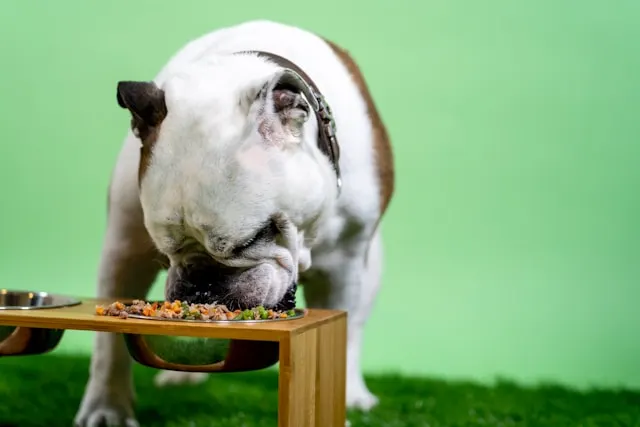
You’re slicing avocados for Sunday brunch, and your dog is sitting there giving you those eyes. It’s hard to say no, especially when avocado seems so wholesome and healthy for humans. But before you hand over a chunk of that creamy green flesh, you need to know the truth about avocado and dogs — because what’s a superfood for you can be a serious problem for your pup.
Can Dogs Eat Avocado? The Short Answer
No, dogs should not eat avocado. Avocados contain a naturally occurring toxin called persin, which is found in the fruit’s flesh, skin, pit, and leaves. Persin can cause vomiting, diarrhea, and in larger amounts, more serious health complications in dogs. Even small portions of avocado carry risks, especially for smaller breeds.
TL;DR: Avocado is toxic to dogs due to persin. The skin, pit, and leaves are the most dangerous parts, but even the flesh should be kept away from your dog. If your dog eats avocado, watch closely and call your vet.
Key Takeaways
- Avocados contain persin, a fungicidal toxin that can cause GI distress, breathing difficulties, and fluid buildup in dogs
- All parts of the avocado plant are potentially harmful — not just the flesh
- The pit is a serious choking and intestinal blockage hazard
- Small exposures may cause mild symptoms, but large amounts can be life-threatening
- Safe, vet-approved alternatives exist so your dog can still enjoy healthy snacks

Table of Contents
Why Avocado Is Dangerous for Dogs
Most dog owners assume that if a food is healthy for humans, it must be fine for their pets too. Avocado breaks that rule sharply.
The main concern is persin, a fungicidal compound found throughout the avocado plant. It exists in the leaves, bark, skin, pit, and yes — the flesh as well. Persin is actually harmless to most humans and some animals, but dogs are notably sensitive to it.
When a dog ingests persin, it can irritate the gastrointestinal tract almost immediately. In larger amounts, it has the potential to cause fluid accumulation around the heart and lungs, which is far more serious and can be fatal. This condition, called myocardial damage, has been documented in veterinary literature following significant avocado ingestion.
Beyond the toxin itself, the pit poses its own dangers. It’s the right size to lodge in a dog’s throat or digestive tract, causing a blockage that often requires emergency surgery. The high fat content of avocado flesh is also a concern — even without persin in the picture, a sudden surge of fat can trigger pancreatitis, a painful and potentially dangerous inflammation of the pancreas.
Understanding Persin: The Toxin Behind the Risk
Persin is a fatty acid derivative that disrupts normal cell function in certain animals. Scientists believe it targets the mammary glands and heart tissue most aggressively in sensitive species, which is why avocado poisoning in dogs can sometimes look like cardiac distress rather than simple food poisoning.
In dogs, the toxic threshold for persin isn’t precisely defined — meaning there’s no known “safe amount.” Veterinarians generally advise a zero-tolerance approach. A small lick of guacamole probably won’t send your dog to the ER, but it’s also not worth gambling on.
The concentration of persin varies by avocado variety and ripeness, which makes predicting the severity of any given exposure even harder. The Guatemalan variety of avocado, which is the most common type sold in supermarkets, is considered particularly high in persin compared to other cultivars.
If you’re curious about other fruits that fall into the “toxic” category, our guide on whether dogs can eat grapes covers another everyday food that dog owners often underestimate.
Common Mistakes Dog Owners Make With Avocado
Knowing that avocado is dangerous is only half the battle. Here are the mistakes that actually land dogs at the vet:
- Leaving avocado peels or pits in accessible bins. The pit especially smells interesting to dogs. A dog rummaging through your kitchen trash can can swallow a pit before you even notice. The fix: Use a lidded bin or store avocado scraps in a sealed bag before discarding.
- Sharing guacamole without thinking. Guacamole contains avocado plus onion and garlic — both of which are separately toxic to dogs. Even a small scoop is a double threat. The fix: Keep dips and human appetizers entirely off the dog’s radar.
- Assuming ripe avocado is safer. Some owners believe overripe or very soft avocado has less persin. There’s no evidence for this. The fix: Treat all ripeness stages the same — avoid entirely.
- Giving avocado-flavored dog treats without checking the label. Avocado oil and avocado extract in very small amounts used in some commercial dog foods have different risk profiles than whole avocado, but it’s still worth scrutinizing. The fix: Check labels and ask your vet before feeding any product with avocado listed as an ingredient.
- Waiting to see if symptoms develop before calling a vet. Persin symptoms can take 24–48 hours to fully appear. By then, more serious complications may be developing. The fix: Call your vet or a poison control hotline immediately after any known ingestion.
- Underestimating the pit size. Many owners think their large dog couldn’t possibly swallow an avocado pit whole. They can. The fix: Dispose of pits carefully and immediately.
- Confusing “small breed” and “large breed” risk. All dogs are at risk, but smaller dogs reach toxic thresholds faster because of their lower body weight. The fix: Never scale “a little bit is probably fine” by dog size — it’s not a reliable safety measure.
What to Do If Your Dog Eats Avocado
Acting quickly matters. Here’s a clear step-by-step guide for the moments after you realize your dog got into avocado.
Step 1: Stay calm and assess how much was eaten. Estimate the quantity and which part of the plant was consumed. The pit and skin are the highest-risk components. Note the time of ingestion.
Step 2: Call your veterinarian or a pet poison hotline immediately. The ASPCA Animal Poison Control Center is available 24/7 at (888) 426-4435. Don’t wait for symptoms. Early intervention gives the best outcomes.
Step 3: Do not induce vomiting unless specifically instructed to do so. Some owners assume inducing vomiting is always the right move. It isn’t — especially if your dog swallowed part of the pit. Your vet will tell you whether it’s appropriate in your dog’s specific situation.
Step 4: Monitor for symptoms. Watch for vomiting, diarrhea, lethargy, labored breathing, fluid retention (a swollen abdomen), or loss of appetite. These can appear within a few hours or take up to 24–48 hours to develop.
Step 5: Follow your vet’s instructions precisely. Treatment may include induced vomiting under veterinary supervision, activated charcoal to bind the toxin, IV fluids, or monitoring for cardiac symptoms. Our article on activated charcoal for dogs explains how and when this treatment is used during poisoning incidents.
Step 6: Support gut recovery afterward. After a GI upset event, your dog’s digestive system may need help getting back on track. This is where a probiotic supplement can genuinely help.
After avocado ingestion causes vomiting or diarrhea, the gut’s healthy bacterial balance gets disrupted. Restoring that balance speeds recovery and reduces lingering digestive sensitivity. The vet-developed probiotic below is one of the most widely recommended options for exactly this situation.
Purina Pro Plan Veterinary Supplements FortiFlora Daily Probiotics for Dogs is the go-to probiotic recommended by thousands of vets for dogs recovering from GI distress. It comes in easy single-serving sachets, and the palatability is high — most dogs eat it without any fuss. FortiFlora contains a proven strain of live microorganisms (Enterococcus faecium) specifically studied in dogs for reducing diarrhea duration. It’s not a treatment for poisoning itself, but it’s excellent for digestive recovery in the days following an upset. One honest limitation: it addresses gut flora only — it doesn’t neutralize toxins, so it’s never a substitute for calling your vet first.
CHECK PRICE ON AMAZON: https://amzn.to/3ZySvV4
Troubleshooting: What Symptoms Mean What
Use this quick reference if your dog has eaten avocado and you’re watching for signs:
- Vomiting within 1–2 hours → Likely a direct GI response to persin or high fat content. Call your vet now if you haven’t already. If vomiting is yellow or foamy, read about dog throwing up yellow bile to understand what’s happening.
- Loose stool or diarrhea → Common following avocado ingestion. Mild cases may resolve in 24 hours with supportive care, but contact your vet if it persists or worsens. For context on home management, our dog diarrhea guide walks through when home care is appropriate versus when a vet visit is essential.
- Labored or noisy breathing → This is a red flag for fluid buildup around the lungs. Go to an emergency vet immediately.
- Swollen abdomen or apparent abdominal pain → Possible fluid retention or internal blockage from the pit. Emergency vet required.
- Extreme lethargy or collapse → Severe systemic reaction. Emergency vet immediately.
- No symptoms after a very small exposure → Still call your vet. Absence of immediate symptoms doesn’t mean the toxin isn’t at work.
Be Prepared: Keep a First Aid Kit on Hand
One thing avocado poisoning teaches pet owners is that emergencies happen without warning. Having the right supplies on hand helps you respond calmly and effectively while you’re waiting to hear back from your vet.
The Cat & Dog First Aid Kit by RC Pet Products covers 100 essential pieces including a dog thermometer, tick remover, and a dedicated pet first aid manual. It’s designed for real emergencies — not just bandaging a scraped paw. The high-visibility reflective zipper bag means you can find it fast in any situation. It won’t substitute for veterinary care, but having a thermometer ready to check your dog’s temperature and gauze on hand while you’re en route to the clinic genuinely matters. The one limitation worth noting: it doesn’t include activated charcoal, so you’d want to discuss that with your vet separately for toxin-ingestion scenarios.
CHECK PRICE ON AMAZON: https://amzn.to/3ZDeyKc
When to See a Veterinarian
Never guess on this one. Call your vet or a poison control line any time your dog eats avocado — period. The following situations, however, require emergency care right away, without waiting:
- Your dog swallowed the pit or part of the pit
- You’re seeing difficulty breathing, rapid breathing, or wheezing
- Your dog’s abdomen looks distended or they seem to be in pain
- Vomiting or diarrhea is severe or contains blood
- Your dog is unusually lethargic, trembling, or unresponsive
- Your dog has pre-existing heart disease or is a very small breed
Expert Opinion
According to the American Kennel Club, avocado should be considered toxic to dogs and avoided entirely. The AKC notes that while the flesh of the avocado contains the lowest concentration of persin compared to other parts of the plant, there is no documented safe threshold for canine consumption — meaning no amount can be considered fully safe.
Veterinary toxicologists emphasize that the fat content of avocado alone warrants caution, independent of the persin risk. High-fat food events are a leading dietary cause of acute pancreatitis in dogs, a condition that can require hospitalization and is genuinely painful. This general guidance is educational in nature and is not a substitute for individualized advice from your own veterinarian, who can account for your dog’s breed, weight, and health history.
If you’re looking to boost your dog’s health through nutrition, there are far safer paths. Our overview of superfoods for dogs covers genuinely beneficial ingredients that carry none of the risks of avocado.
Safe Alternatives to Avocado for Dogs
Your dog doesn’t need avocado to thrive. There are plenty of nutrient-rich snacks that are genuinely safe and even beneficial:
- Blueberries — packed with antioxidants; most dogs love them as training treats
- Watermelon (seedless, no rind) — hydrating and sweet; see our can dogs eat watermelon guide for details
- Carrots — low-calorie, good for teeth, rich in beta-carotene
- Cucumbers — refreshing and low in calories; great for dogs on a diet
- Mango (flesh only, no pit or skin) — a sweet occasional treat with vitamins A and C
If you’re interested in giving your dog comprehensive nutritional support without worrying about food toxicity, a well-formulated multivitamin is worth considering.
Googipet Premium Dog Multivitamin Chewable is a solid all-in-one option for dog owners who want to fill nutritional gaps safely. It combines vitamin C, glucosamine for joint support, and probiotics for gut health in a single chicken-flavored chew. It’s appropriate for puppies through senior dogs, making it versatile for multi-dog households. This isn’t a treatment for any condition — it’s general daily nutritional support, and results vary by individual dog. But as a way to ensure your dog gets consistent micronutrient coverage without the risks of experimenting with human foods, it’s a smart everyday addition.
CHECK PRICE ON AMAZON: https://amzn.to/3ZzV6OD
Frequently Asked Questions
Can dogs eat a tiny bit of avocado flesh? Even a small amount carries risk. While a single lick likely won’t cause severe symptoms, there’s no established safe dose of persin for dogs. Veterinarians recommend zero avocado exposure as the safest policy.
What part of avocado is most dangerous to dogs? The pit, skin, and leaves carry the highest persin concentrations. The pit also poses a serious physical choking and blockage hazard. The flesh is less concentrated but still not safe.
My dog ate avocado and seems fine — should I still call a vet? Yes. Persin symptoms can take 24–48 hours to fully develop, and internal damage may not show obvious outward signs right away. Always call your vet after any avocado ingestion.
Is avocado oil safe for dogs? Avocado oil is processed in a way that removes most persin. Small amounts of avocado oil used as an ingredient in some commercial pet foods are generally considered lower risk. However, feeding dogs avocado oil directly or in large amounts is not recommended without veterinary guidance.
Can puppies eat avocado? No. Puppies are even more vulnerable than adult dogs because their smaller body weight means they reach toxic thresholds faster. Keep all avocado completely away from puppies.
Is guacamole worse than plain avocado for dogs? Yes. In addition to avocado, guacamole typically contains onion and garlic, both of which are toxic to dogs in their own right. Guacamole is a multi-toxin risk.
What should I do if I’m not sure how much avocado my dog ate? Call your vet and describe the situation as best you can — including the avocado variety if you know it, approximately when the ingestion occurred, and your dog’s size. They’ll advise on whether to bring your dog in.
Are any dog breeds more sensitive to avocado? There’s no breed-specific sensitivity documented in veterinary literature, but smaller breeds reach toxic persin thresholds faster due to lower body weight. Dogs with pre-existing heart or liver conditions are also at elevated risk.
How long after eating avocado will symptoms appear in dogs? Most GI symptoms appear within a few hours. Cardiac or respiratory symptoms may take 24–48 hours to become evident. This delayed onset is one of the main reasons you shouldn’t “wait and see.”
Can dogs eat avocado toast? No. The avocado is still avocado regardless of how it’s prepared. Added toppings like salt, lemon, garlic, or onion on avocado toast add additional toxicity concerns.
Conclusion
So, can dogs eat avocado? The answer is a clear no. Avocado contains persin, a toxin that can cause vomiting, diarrhea, breathing difficulties, and even cardiac problems in dogs. The pit adds a serious physical hazard on top of the chemical risk. There’s no safe threshold, no breed that’s immune, and no preparation method that makes avocado truly safe for dogs.
The good news is that your dog doesn’t need avocado. There are dozens of genuinely safe, nutritious snacks you can share without any worry — from blueberries to carrots to watermelon. If your dog has already gotten into avocado, don’t wait for symptoms. Call your vet right away. Early action is always the right call when toxin ingestion is involved. Keep your first aid kit stocked, know your vet’s emergency number, and enjoy your brunch guacamole safely out of paw’s reach.