You walk into the living room and there’s your dog again — head tilted, back paw going a mile a minute behind one ear. It looks almost comical until you notice the redness, or the smell, or the fact that it’s been happening every single day this week. Dog ear scratching is one of those symptoms that’s easy to brush off at first but can quietly turn into something serious if ignored.
The good news? Most causes are very treatable once you know what you’re dealing with.
Why Is My Dog Scratching Ears? The Short Answer
Dogs scratch their ears because something is irritating the ear canal or outer ear. The most common culprits are ear infections, allergies, ear mites, or a buildup of wax and debris. It can affect any dog, but breeds with floppy ears or heavy fur around the ear canal tend to be more vulnerable.
TL;DR: Occasional ear scratching is normal. Frequent, intense scratching — especially with head shaking, odor, or discharge — signals a problem that needs attention.
Key Takeaways
- Ear infections are the single most common reason dogs scratch their ears and almost always need veterinary treatment.
- Allergies — both food and environmental — are a leading underlying cause of chronic ear problems in dogs.
- Never use cotton swabs inside your dog’s ear canal; this pushes debris deeper and can cause damage.
- A regular ear cleaning routine using a vet-approved solution can prevent many infections before they start.
- Persistent scratching alongside head shaking, dark discharge, or a bad smell is a red flag — see your vet promptly.
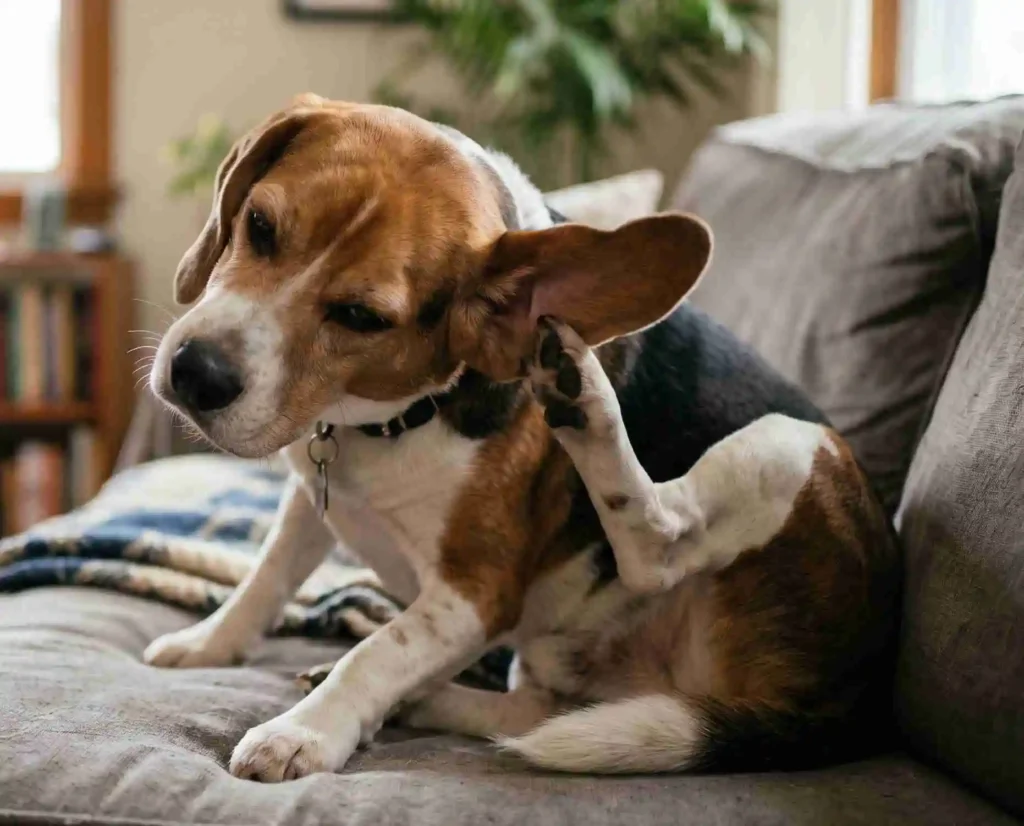
Table of Contents
Why Ear Scratching in Dogs Actually Matters
A dog scratching its ear once or twice? Totally normal. Dogs have itchy ears just like we get itchy noses. But when the scratching becomes frequent, intense, or paired with other symptoms, it’s your dog’s way of signaling that something is genuinely wrong inside that ear canal.
Left untreated, ear infections can travel deeper into the middle or inner ear, causing pain, balance issues, and even permanent hearing damage. Chronic ear scratching can also lead to a hematoma — a painful pocket of blood that forms when a dog shakes its head so forcefully that blood vessels in the ear flap rupture. These often need surgical correction.
Beyond the physical damage, an itchy, uncomfortable ear affects your dog’s quality of life. Dogs in ear pain often become irritable, reluctant to have their head touched, or restless at night. Catching the problem early saves both your dog from suffering and your wallet from an expensive vet bill.
How a Dog’s Ear Actually Works
Understanding the anatomy helps explain why dogs are so prone to ear problems. Unlike human ear canals, which run almost horizontally, a dog’s ear canal is L-shaped — it drops vertically and then turns horizontal toward the eardrum. This shape is excellent at trapping moisture, wax, debris, and microorganisms. Once something gets in, it doesn’t drain easily.
Dogs with floppy ears — like Cocker Spaniels, Basset Hounds, and Labrador Retrievers — have even less airflow reaching the canal, creating warm, damp conditions that bacteria and yeast love. Dogs that swim frequently, or those that live in humid climates, face similar challenges.
The outer ear (the part you can see) is called the pinna. The canal leads from there down to the eardrum. Inflammation, infection, or irritation anywhere along this path will prompt your dog to scratch.
9 Common Reasons Your Dog Is Scratching Their Ears
1. Bacterial Ear Infection (Otitis Externa)
This is the most frequent diagnosis. Bacteria — most commonly Staphylococcus or Pseudomonas — overgrow inside the warm, moist canal. You’ll often notice a yellow or brown discharge, a yeasty or foul smell, and redness inside the ear. Your vet will prescribe medicated ear drops, sometimes combined with an oral antibiotic if the infection is severe.
2. Yeast Infection
Yeast infections have a very distinctive smell — often described as corn chips or musty bread. The discharge tends to be dark brown and waxy. Yeast thrives when the ear environment tips out of balance, often triggered by allergies or antibiotic use that disrupts normal flora. Treatment involves antifungal ear medication.
3. Ear Mites
Ear mites (Otodectes cynotis) are tiny parasites that live and feed inside the ear canal. They’re more common in puppies and in multi-pet households. The classic sign is a dark, crumbly discharge that looks like coffee grounds. Mites are intensely itchy — dogs with mites tend to scratch frantically and shake their head constantly. A vet can confirm mites under a microscope and prescribe a parasiticide.
4. Environmental Allergies
Pollens, dust mites, mold, and grass are among the most common environmental allergens for dogs. The ears are prime targets for allergic reactions because the skin inside the canal is thin and sensitive. If your dog’s ear scratching follows a seasonal pattern or comes alongside watery eyes and paw licking, allergies are a strong suspect. Many dogs with environmental allergies also constantly lick their paws, which points to the same systemic inflammatory response.
5. Food Allergies
Food allergies and intolerances are a surprisingly common trigger for chronic ear infections in dogs. Protein sources — chicken, beef, and dairy are the most frequent offenders — can drive ongoing ear inflammation. If your dog gets recurrent ear infections that keep coming back despite treatment, switching to a best dog food for allergies or completing a dietary elimination trial with your vet may reveal the root cause.
6. Wax and Debris Buildup
Some dogs naturally produce more earwax than others, and certain breeds are predisposed to buildup. When wax accumulates without regular cleaning, it becomes a feeding ground for bacteria and yeast. This is one problem that’s largely preventable with a consistent cleaning routine.
7. Foreign Objects
Dogs that spend time outdoors can get grass seeds, foxtails, or small pieces of plant material lodged in the ear canal. These cause sudden, intense scratching — often in one ear only — and require a vet to safely remove them. Never probe the ear canal yourself.
8. Skin Conditions (Mange or Dermatitis)
Sarcoptic mange, caused by the Sarcoptes scabiei mite, causes intense itching across the body, and the ears are often affected. Contact dermatitis from a new collar, shampoo, or topical product can also irritate the outer ear. If you notice hair loss around the ears along with scratching, mange is worth ruling out.
9. Hormonal Imbalances
Hypothyroidism and Cushing’s disease can both alter skin and ear health, making the ears more prone to infection. These are less common causes but worth considering in older dogs with recurrent ear problems alongside other systemic signs like weight gain or increased water intake.
Common Mistakes Dog Owners Make (And How to Fix Them)
- Using cotton swabs inside the ear canal. The fix: Use a vet-approved ear cleaning solution and cotton balls to clean only what you can see. Swabs drive debris deeper and risk perforating the eardrum.
- Over-cleaning healthy ears. The fix: Clean only when there’s visible debris or odor, or as your vet recommends. Excessive cleaning disrupts the natural protective environment.
- Ignoring one episode of scratching until it becomes chronic. The fix: Note when it started, how often it happens, and any other symptoms. A few days of observation is fine — a few weeks is too long.
- Using human ear drops or hydrogen peroxide. The fix: These products aren’t formulated for dogs and can irritate or damage ear tissue. Always use products designed for veterinary use.
- Treating the ear without addressing the underlying cause. The fix: If your dog keeps getting ear infections, talk to your vet about allergy testing or dietary changes. Treating the symptom repeatedly without finding the root problem is a losing cycle.
- Skipping follow-up vet appointments. The fix: Even if the ear looks better, complete the full course of prescribed medication and return for the recheck. Undertreated infections are a major cause of recurrence.
- Pulling ear hair without proper technique. The fix: Some breeds need ear hair removed to improve airflow, but doing this incorrectly causes micro-tears that invite infection. Ask your vet or groomer to show you the right method.
The Right Way to Clean Your Dog’s Ears at Home
Before diving into the step-by-step, it’s worth talking about the cleaning solution you use. The wrong product — or the wrong technique — can make things worse. Veterinarians widely recommend low-pH, non-irritating ear cleansers that break down wax and dry out the canal without disrupting its natural balance.
Virbac Epi-Otic Advanced Ear Cleanser is one of the most trusted names in the category, and it’s the product your vet’s office is likely already familiar with. This cleanser uses a low pH formula to help dry out the ear canal after cleaning, creating an inhospitable environment for bacteria and yeast. It’s gentle enough for routine use and suitable for dogs prone to recurrent infections. The 8 oz bottle lasts a solid while, even with regular cleanings. The main limitation is that it’s a maintenance and prevention tool — it won’t clear up an active infection on its own.
CHECK PRICE ON AMAZON: https://amzn.to/3OiDiVF
You can also explore vet-approved ear cleaning solutions to find the best fit for your dog’s specific needs.
Step-by-Step: How to Clean Your Dog’s Ears Safely
- Gather your supplies. You’ll need a vet-approved ear cleansing solution, several cotton balls or gauze pads, and treats. Have everything within reach before you start.
- Choose a calm moment. After a walk or play session works well — a tired dog is a more cooperative dog. Sit on the floor with your dog beside you.
- Examine the ear first. Look inside without touching. Healthy ears are pale pink, odor-free, and have minimal wax. If you see redness, smell anything unusual, or see dark discharge, stop — this is a vet visit, not a home cleaning situation.
- Apply the cleaner. Lift the ear flap gently. Insert the tip of the bottle just inside the ear opening (do not push it deep into the canal) and squeeze in enough solution to fill the canal — you’ll hear a slight squishing sound.
- Massage the base of the ear. Hold the ear flap up and use your fingers to massage the base of the ear for about 30 seconds. This breaks up wax and debris and lets the solution work its way down the canal.
- Let your dog shake. This is the fun part — step back. The head shake brings loosened debris up to the outer canal where you can reach it.
- Wipe gently with cotton balls. Use cotton balls or gauze to wipe away debris from the outer canal and inner ear flap. Work only as far as your finger can reach.
- Reward generously. Positive associations with ear handling make future cleanings much easier. Make it a treat-worthy event every time.
Troubleshooting: What’s Causing This?
- Scratching one ear only + sudden onset: Think foreign object, single-ear infection, or a polyp. See your vet.
- Scratching both ears + dark waxy discharge + intense smell: Likely yeast infection or mites. Requires veterinary diagnosis and treatment.
- Seasonal scratching + also licking paws and rubbing face: Environmental allergies are the probable cause. Discuss antihistamines or immunotherapy with your vet.
- Year-round scratching + recurring despite treatment: Food allergy is a strong suspect. Ask your vet about an elimination diet trial.
- Scratching + head tilt + loss of balance: Possible inner ear infection (otitis media/interna). This is urgent — see a vet today.
- Young puppy + multiple pets + coffee ground discharge: Classic ear mite presentation. Treat all animals in the household simultaneously.
The Role of Nutrition in Ear Health
Here’s something many dog owners don’t realize: chronic ear infections often have a dietary component. Allergies — which drive a significant portion of ear problems — are strongly influenced by what your dog eats. Diets high in inflammatory ingredients or poorly tolerated proteins keep the immune system in a constant low-grade reactive state, which shows up in the ears, skin, and paws.
Omega-3 fatty acids are among the most well-researched nutritional tools for reducing skin and ear inflammation. According to the AKC, omega-3s from fish oil can support skin barrier function and help dial down inflammatory responses in allergy-prone dogs.
Zesty Paws Wild Alaskan Omega-3 Blend delivers both pollock and salmon oil, providing EPA and DHA — the two omega-3 fatty acids most relevant for canine skin health. It’s a 32 oz liquid formula that’s easy to drizzle over food and works for dogs of all sizes. Reviewers frequently mention improvements in coat quality and reductions in itching within a few weeks of consistent use. The limitation is that it’s a supplement, not a treatment — it works best as part of a broader strategy that addresses allergies at their root. If itchy skin is a recurring issue, looking into best dog food for itchy skin alongside omega supplementation is a smart move.
CHECK PRICE ON AMAZON: https://amzn.to/4akcAVn
When Skin Irritation Spills Over: The Allergy-Ear Connection
Ear problems rarely exist in isolation when allergies are involved. Dogs with sensitive skin often develop hot spots — raw, inflamed patches of skin — alongside their ear issues. Both conditions are driven by the same underlying immune response, which means treating them effectively usually requires addressing the whole dog, not just the ear.
If your dog has itchy skin alongside ear problems, a medicated anti-itch shampoo can provide meaningful relief while you work through the underlying cause with your vet.
Pet Honesty Chlorhexidine Anti-Itch Shampoo uses chlorhexidine and ketoconazole to address both bacterial and yeast-related skin irritation, which is exactly the combination you want when allergies are breaking down the skin barrier. It’s gentle enough for regular use and deodorizes while it cleans — helpful for dogs that tend to smell musty when their allergies flare up. It won’t replace prescribed ear medications, but it makes a solid addition to the overall skin-health toolkit. Best suited for dogs with ongoing allergy-related skin and coat issues rather than as a first-line treatment for ear infections.
CHECK PRICE ON AMAZON: https://amzn.to/4axh7CF
When to See a Vet About Ear Scratching
Most ear problems respond well to treatment — but only if they actually get treated. Here are the signs that move this situation from “watch and wait” to “vet appointment today”:
- Scratching that has persisted for more than 2–3 days without improvement
- Visible redness, swelling, or broken skin inside or around the ear
- Any discharge — yellow, brown, black, or bloody
- A noticeable smell coming from the ear
- Your dog wincing or crying when the ear is touched
- Head tilting consistently to one side
- Loss of balance, stumbling, or walking in circles
- Any sign that your dog is in pain
These are not situations where home remedies will cut it. Inner ear infections in particular can cause permanent neurological damage if left untreated. When in doubt, get it checked.
Expert Opinion
Veterinarians classify most ear disease in dogs under the umbrella of otitis externa — inflammation of the outer ear canal. According to the AVMA, otitis externa is one of the top five reasons dogs visit the veterinarian, affecting an estimated 20% of the dog population at some point in their lives. The condition is most common in breeds with pendulous ears, heavy hair growth in the ear canal, or a history of skin allergies.
Veterinary dermatologists consistently emphasize that recurrent ear infections are almost always a sign of an underlying condition — typically allergies — rather than a standalone problem. Treating each infection individually without investigating the root cause leads to a frustrating cycle for both dog and owner. The most effective approach is a combined strategy: treating the current infection, identifying and managing the underlying trigger, and maintaining a preventive ear hygiene routine going forward.
General health information in this article is for educational purposes and does not constitute veterinary advice. Always consult your veterinarian for diagnosis and treatment specific to your dog.
Frequently Asked Questions About Dog Ear Scratching
Why is my dog scratching their ears but there’s no discharge? Early-stage infections, mild allergies, or a small amount of wax buildup can cause scratching without visible discharge. If it persists beyond a couple of days or worsens, a vet check is a good idea.
Can I use human ear drops in my dog’s ears? No. Human ear drops are formulated for human ear canal pH and anatomy. Using them in dogs can cause irritation or damage. Always use products specifically designed for veterinary use.
How often should I clean my dog’s ears? Most healthy dogs do well with a cleaning every 1–2 months. Dogs prone to infections or that swim frequently may need weekly cleaning. Ask your vet for a schedule specific to your dog.
Do certain dog breeds scratch their ears more often? Yes. Breeds with floppy ears — Basset Hounds, Cocker Spaniels, Labrador Retrievers — and dogs with narrow or hair-filled ear canals are most prone to ear problems and more frequent scratching.
Can allergies really cause ear infections? Absolutely. Allergies are among the most common underlying causes of recurrent ear infections in dogs. They cause inflammation in the ear canal lining, which disrupts the normal protective environment and allows bacteria and yeast to overgrow.
What does a yeast ear infection smell like? Yeast infections tend to have a distinctive sweet, musty, or corn chip–like odor. It’s quite different from the sharper, more pungent smell of a bacterial infection. Both require veterinary treatment.
Is ear scratching in dogs contagious to other pets? Ear mites are highly contagious and can spread between dogs and cats. Bacterial and yeast infections are not generally contagious. If one pet in your household is diagnosed with mites, treat all pets simultaneously.
My dog only scratches one ear — is that significant? One-ear scratching more often suggests a localized issue: a foreign body, a single-ear infection, or a polyp. Two-ear scratching more often points to systemic causes like allergies. Either way, if it persists, a vet visit will identify the cause.
Can I treat my dog’s ear infection at home? Minor wax buildup can be managed with proper home cleaning. Actual infections — bacterial, yeast, or mite — need veterinary diagnosis and prescription or over-the-counter treatment based on the specific organism involved. Home remedies like vinegar, olive oil, or hydrogen peroxide can worsen infections.
How long does a dog ear infection take to heal? With appropriate treatment, most uncomplicated ear infections resolve in 1–2 weeks. Chronic or severe infections may take longer and require multiple follow-up appointments to confirm full resolution.
Conclusion
Dog ear scratching is one of those symptoms that’s easy to dismiss — until it isn’t. Whether the cause is a bacterial infection, allergies, ear mites, or simple wax buildup, the key is paying attention early and acting before the problem escalates. Start with a careful home inspection, establish a regular ear cleaning routine with a vet-approved solution, and don’t hesitate to call your vet when the signs point to something more than routine irritation. Supporting your dog’s skin and immune health through good nutrition — including omega-3 supplementation — gives you an additional layer of protection against chronic ear problems. Your dog can’t tell you their ear hurts; consistent observation and proactive care are the best things you can give them.