You crawl into bed after a long day, your dog settles at your feet, and within minutes — it starts. That low, rumbling snore that somehow fills the entire room. Sound familiar? Dog snoring is more common than most owners realize, and while it’s often harmless, it can sometimes signal a health issue worth addressing. Knowing the difference could make a real impact on your dog’s quality of life.
What Is Dog Snoring?
Dog snoring happens when something partially obstructs the airflow through your dog’s nose or throat while they sleep. The vibration of soft tissue against that narrowed airway creates the familiar rumbling sound. It can be a one-off quirk tied to sleep position — or a sign of a recurring issue that needs attention.
Quick Answer: Dog snoring is the sound caused by vibrating soft tissue in a partially blocked upper airway during sleep. It most commonly affects brachycephalic (flat-faced) breeds like Bulldogs and Pugs, but any dog can snore due to allergies, obesity, sleep position, or anatomical factors. Dog snoring treatment ranges from simple lifestyle adjustments to veterinary intervention, depending on the root cause.
TL;DR: Most dog snoring is harmless and breed-related, but sudden or worsening snoring, labored breathing, or daytime symptoms warrant a vet visit. Simple fixes like adjusting sleep position, managing weight, and reducing allergens help most dogs significantly.
Key Takeaways
- Flat-faced breeds snore by design — their anatomy narrows the airway from birth.
- Sudden snoring in a non-snoring dog is a red flag that needs prompt attention.
- Allergies, excess weight, and dry indoor air are the most correctable causes.
- Sleeping position matters: dogs sleeping flat on their back snore more than those curled up.
- Most dog snoring treatment starts at home, but breathing difficulties always need a vet.
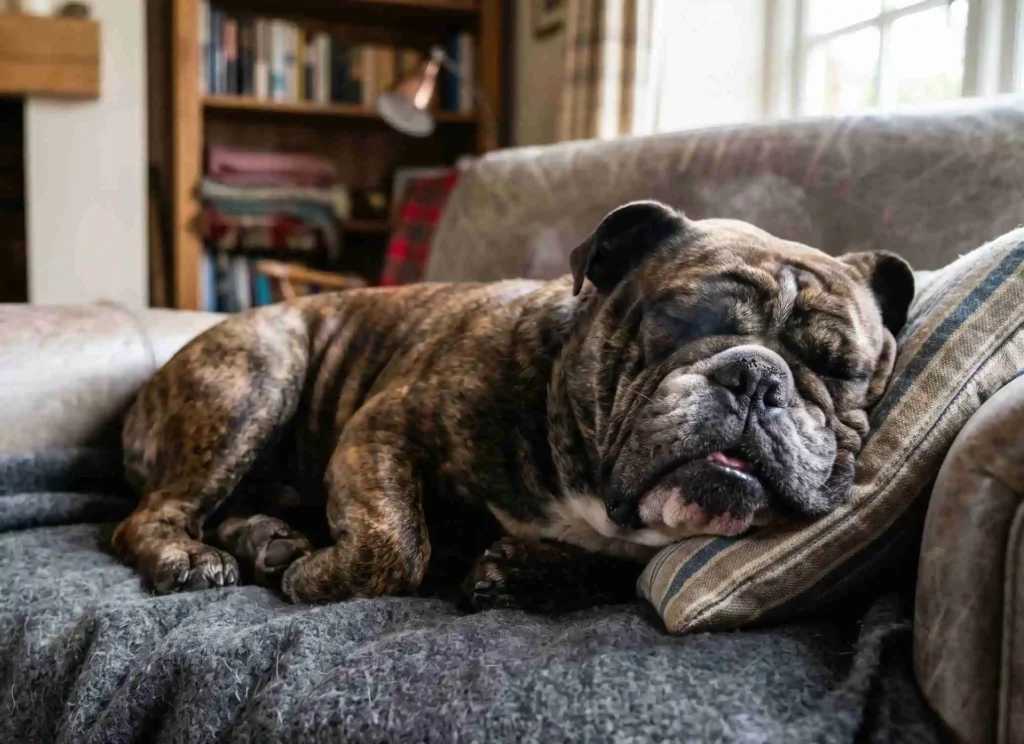
Table of Contents
Why Dog Snoring Matters
A little rumble at bedtime might seem endearing. But consistent, loud snoring can mean your dog isn’t getting deep, restful sleep. Poor sleep affects energy levels, immune function, and even behavior. If you notice your dog seems unusually lethargic or irritable during the day, disrupted sleep could be part of the puzzle.
Beyond comfort, some causes of snoring — like respiratory infections, nasal polyps, or sleep apnea — can worsen if left unaddressed. That’s why understanding the “why” behind your dog’s snoring is always the smarter move.
If your dog also pants excessively at night, it may be worth reading about nighttime panting in dogs, as the two issues sometimes overlap.
The Anatomy Behind Dog Snoring
To understand snoring, it helps to picture what’s happening in your dog’s airway. Air travels through the nose, past the soft palate (the fleshy back part of the roof of the mouth), through the throat, and down into the lungs. When anything along that path is too narrow, too floppy, or temporarily swollen, the moving air causes soft tissue to vibrate. That vibration is the snore.
In brachycephalic breeds — think Bulldogs, Pugs, French Bulldogs, Shih Tzus, and Boxers — the shortened skull compresses all that soft tissue into a smaller space. The result is a narrowed airway that’s snore-prone by design. This anatomical quirk is called Brachycephalic Obstructive Airway Syndrome (BOAS), and it can cause real breathing challenges beyond simple snoring.
In non-brachycephalic dogs, snoring is usually situational. A cold, allergies, or even a night of sleeping in an awkward position can produce snoring that disappears just as quickly as it arrived.
Common Causes of Dog Snoring
Breed and Anatomy Flat-faced breeds are the most consistent snorers simply because their airways are anatomically compressed. This isn’t something that can be “fixed” without surgery, but it can be managed.
Allergies and Environmental Irritants Dust, pollen, mold, and cigarette smoke can all inflame nasal passages. When nasal tissue swells, airflow narrows — and snoring follows. Many owners notice seasonal spikes in their dog’s snoring that track perfectly with allergy seasons.
Obesity and Excess Weight Extra fat deposits around the throat narrow the airway. Overweight dogs snore significantly more than dogs at a healthy weight, and weight loss is one of the most effective dog snoring treatments for this group. For dogs prone to low activity levels, check our guide on lazy dog breeds and their health needs to understand the broader picture.
Sleep Position Dogs sleeping flat on their backs are far more likely to snore. Gravity pulls the soft palate and tongue backward, partially blocking the airway. It’s the same reason humans snore more on their backs.
Upper Respiratory Infections Bacterial or viral infections cause nasal congestion and inflammation. This type of snoring usually comes with other symptoms — discharge, coughing, sneezing, or lethargy. It typically resolves once the infection clears.
Dental or Oral Issues An infected tooth root or oral mass can swell into the nasal cavity, physically obstructing airflow. This is less common but worth mentioning, especially if snoring develops alongside bad breath or facial swelling.
Hypothyroidism Low thyroid function can cause soft tissue changes and weight gain that together contribute to snoring. This is more common in middle-aged to senior dogs.
Foreign Objects Grass seeds, pieces of stick, or even small food fragments can lodge in a dog’s nostril or throat. If your dog starts snoring suddenly — especially after outdoor play — this is worth checking.
If you’re also hearing a honking or wheezing sound during the day, that may be a separate issue. Our article on dog wheezing causes and fixes breaks that down in detail.
Common Mistakes Dog Owners Make (and How to Fix Them)
- Ignoring sudden-onset snoring. If your dog has never snored before and suddenly starts, that’s different from lifelong breed-related snoring. The fix: Treat any new snoring as a new symptom and book a vet check rather than assuming it’s harmless.
- Skipping weight checks. Many owners don’t realize their dog is overweight until a vet mentions it. Excess weight is one of the most common and correctable causes of snoring. The fix: Ask your vet to assess body condition score at every appointment, and adjust food portions accordingly.
- Running central heating without a humidifier. Dry indoor air dries out nasal membranes, making them swell slightly and snore more. The fix: Add a cool-mist humidifier near your dog’s sleeping area during winter months.
- Letting flat-faced breeds sleep on flat surfaces. Brachycephalic dogs snore most when their neck is extended. The fix: Give them a bed with a raised bolster edge so they can rest their chin — this naturally opens the airway.
- Assuming snoring is always fine because the dog seems happy. Dogs are remarkably good at hiding discomfort. The fix: Watch for daytime signs like mouth-breathing, exercise intolerance, or blue-tinged gums, which all signal breathing issues beyond simple snoring.
- Using household sprays around snoring dogs. Air fresheners, cleaning sprays, and plug-in diffusers can all irritate a dog’s nasal passages. The fix: Switch to unscented products and ventilate well after cleaning.
- Missing the link between allergies and snoring. Owners often treat snoring as a stand-alone issue when allergies are the real driver. The fix: Note whether snoring spikes at certain times of year or after exposure to specific environments. Share this pattern with your vet.
Better Sleep Starts With the Right Bed
One of the most underrated dog snoring treatments is simply improving your dog’s sleep setup. Brachycephalic breeds and dogs with any degree of airway narrowing breathe easiest when their head and neck are gently supported — not flat on the floor or on a thin mat. A well-designed orthopedic bed makes a measurable difference.
The PetFusion Ultimate Dog Bed is built around a solid orthopedic memory foam base with a bolster surround that naturally encourages dogs to rest with their head slightly elevated. That positioning alone reduces snoring in many dogs by keeping the tongue and soft palate from falling back into the airway. The memory foam distributes weight evenly, which also helps heavier dogs — where weight management is a longer-term goal — sleep more comfortably in the interim. The waterproof liner and washable 35% cotton cover make it practical for daily life. One limitation: it runs on the pricier side compared to basic foam beds, but the build quality justifies the investment for dogs with genuine sleep-breathing issues.
CHECK PRICE ON AMAZON: https://amzn.to/46TYkQO
Reducing Inflammation from the Inside Out
For dogs whose snoring is linked to allergies, airway inflammation, or general soft tissue irritation, adding omega-3 fatty acids to the diet can support measurable improvement over time. Omega-3s have well-documented anti-inflammatory properties, and veterinarians frequently recommend them as part of an overall management plan for dogs with chronic nasal or respiratory irritation.
Zesty Paws Wild Alaskan Omega-3 Blend uses pollock and salmon oil — both rich in EPA and DHA — to support the skin, coat, and respiratory mucosa from within. It’s particularly useful for dogs whose snoring is tied to seasonal allergies or chronic mild inflammation of the nasal passages. Improvements tend to be gradual (expect four to six weeks before noticing change), and it won’t fix structural snoring in brachycephalic breeds, but as a complement to other interventions it pulls its weight. The liquid format makes it easy to add to any meal. For more context on how supplements can support your dog’s overall health, see our complete dog supplements guide.
CHECK PRICE ON AMAZON: https://amzn.to/4akcAVn
Step-by-Step Dog Snoring Treatment at Home
Step 1: Identify the pattern. Note when the snoring started, how often it happens, and whether it’s worse in certain seasons or environments. Is it only at night, or does your dog also breathe noisily during the day? This information will be invaluable for your vet if you need to escalate.
Step 2: Assess body weight. Use your vet’s body condition score chart or ask at the next appointment. If your dog is carrying extra weight, a structured weight-loss plan — reduced calories plus increased activity — is one of the most effective dog snoring treatments available.
Step 3: Upgrade the sleep setup. Move your dog off the floor if possible. A memory foam bed with bolster edges supports healthy sleep positioning. Keep the sleeping area clean, dust-free, and away from air fresheners or cigarette smoke.
Step 4: Address indoor air quality. Add a cool-mist humidifier near the sleeping area. Wash your dog’s bedding weekly with unscented detergent. Replace HVAC filters regularly to reduce airborne irritants.
Step 5: Evaluate allergen exposure. If snoring is seasonal, talk to your vet about antihistamines appropriate for dogs. Never give human antihistamines without veterinary guidance — some are safe, others are not.
Step 6: Encourage side sleeping. You can’t force it, but you can make it more likely. Place a bolster or rolled blanket alongside your dog to discourage flat-back sleeping. Most dogs will naturally shift to a side or curled position with gentle encouragement.
Step 7: Monitor and track changes. Keep a simple note on your phone. If snoring worsens over two weeks despite home interventions, book a vet appointment rather than waiting it out.
Troubleshooting: If/Then Guide
- If your dog has always snored and it hasn’t changed → likely breed-related; focus on sleep positioning, weight management, and air quality.
- If snoring started suddenly in an adult dog → possible infection, foreign body, polyp, or dental issue; see a vet promptly.
- If snoring is accompanied by coughing or gagging → could indicate a respiratory infection or reverse sneezing; read more about dog coughing causes and consult your vet.
- If snoring worsens in spring or fall → likely allergy-driven; discuss antihistamine options with your vet.
- If snoring is loudest when your dog sleeps on their back → positional snoring; provide a bolstered bed and encourage side sleeping.
- If your dog stops breathing momentarily during sleep → this is sleep apnea; vet visit needed, do not delay.
- If your dog snores AND seems lethargic during the day → the two together suggest disrupted sleep quality; full workup warranted.
- If snoring is in a flat-faced breed puppy → normal, but monitor for signs of BOAS as they grow; discuss with your vet at the six-month checkup.
Supporting Restful Sleep With Calming Aids
Some dogs snore more on nights when they’re restless or stressed — poor sleep quality and anxiety can feed each other in a loop. If your dog seems to settle poorly at night, a calming supplement may help them reach deeper, more relaxed sleep where breathing is naturally slower and more controlled.
Only Natural Pet Hemp Soft Chew Bites combine L-theanine, chamomile, and lemon balm — a combination that supports a calm, relaxed state without sedation. For dogs with mild night-time restlessness, they can be a useful complement to the other environmental adjustments described above. They won’t resolve structural snoring, but for anxious dogs or those who toss and turn, reducing nighttime restlessness often reduces the frequency of snoring bouts. For a broader look at managing stress-related sleep issues, our best calming products for dogs guide covers the full range of options.
CHECK PRICE ON AMAZON: https://amzn.to/40aUrmL
When to See a Professional
Dog snoring is almost always a vet conversation when it involves any of the following:
- Sudden onset in a dog that has never snored before
- Gasping, choking, or apnea (stopping breathing) during sleep
- Blue, purple, or pale gums at any time — this is an emergency
- Difficulty breathing during waking hours, especially with exercise
- Facial swelling or one-sided discharge from the nose
- Snoring in a flat-faced breed that seems to be worsening as the dog ages
- Weight loss, lethargy, or other systemic symptoms alongside snoring
Brachycephalic dogs with severe BOAS often benefit significantly from corrective surgery (soft palate shortening, nare widening). Vets also sometimes recommend allergy testing, dental X-rays, or rhinoscopy to investigate structural causes in persistent cases. Don’t feel like you’re overreacting by asking — early intervention consistently leads to better outcomes.
Expert Opinion
Veterinarians are clear that occasional snoring in healthy dogs — especially flat-faced breeds — falls within the normal range. The concern arises when snoring is a new development, when it’s accompanied by other respiratory symptoms, or when it appears to affect a dog’s daytime quality of life.
According to the American Kennel Club, brachycephalic breeds face unique airway challenges that owners should discuss openly with their vet, ideally before problems become severe. The AKC notes that BOAS is progressive in many cases, meaning early management matters. The American Veterinary Medical Association (AVMA) similarly emphasizes that any respiratory symptom that worsens over time — including snoring — deserves professional evaluation rather than a “wait and see” approach.
This article provides general health information and is not a substitute for personalized veterinary advice. Always consult your vet for diagnosis and treatment recommendations specific to your dog.
FAQs: Dog Snoring
Is it normal for dogs to snore? Yes, many dogs snore occasionally, especially flat-faced breeds. It becomes a concern when snoring is new, suddenly louder, or paired with breathing difficulty or daytime symptoms.
What breeds snore the most? Brachycephalic breeds top the list: Bulldogs, French Bulldogs, Pugs, Boston Terriers, Shih Tzus, Boxers, and Cavalier King Charles Spaniels. Their compressed facial structure naturally narrows the airway.
Can dog snoring be a sign of sleep apnea? Yes. Dogs can develop sleep apnea, where breathing briefly stops during sleep. Watch for gasping, choking sounds, or a dog that seems tired despite sleeping long hours. This requires veterinary evaluation.
What is the best dog snoring treatment at home? Improving sleep position with a bolstered orthopedic bed, managing body weight, reducing indoor allergens, and adding a humidifier during dry months are the most effective home-based interventions.
Should I let my dog sleep in my bed if they snore? That’s a personal choice, but if the snoring is disrupting your sleep, a separate dog bed in the same room is a practical solution that keeps your pup close without waking you.
Can allergies cause my dog to snore? Absolutely. Airborne allergens like dust, pollen, and mold can inflame nasal passages, narrowing airflow and causing snoring. Seasonal patterns in snoring are a strong clue that allergies are involved.
Does obesity cause dog snoring? Yes. Excess fat around the throat narrows the airway and increases snoring frequency and volume. Weight management is one of the most effective long-term dog snoring treatments.
Can a change in sleeping position stop snoring? Often, yes. Dogs sleeping flat on their backs snore more due to gravity pulling soft tissue backward. Encouraging side or curled sleeping with a bolstered bed reduces this significantly.
When should I take my dog to the vet for snoring? Seek veterinary advice if snoring starts suddenly, worsens over time, is accompanied by labored breathing or coughing, or if your dog shows signs of fatigue during the day. Also see a vet if the dog’s gums ever appear pale or bluish.
Are there medications for dog snoring? Depending on the cause, vets may prescribe antihistamines for allergy-driven snoring, antibiotics for infections, or recommend surgical correction for brachycephalic dogs with severe BOAS. No single medication treats snoring universally.
Conclusion
Dog snoring is one of those things that lands somewhere between endearing quirk and genuine health signal — and knowing which side of that line you’re on makes all the difference. For most dogs, dog snoring is manageable with simple adjustments: a supportive orthopedic bed, cleaner indoor air, weight management, and a closer look at potential allergens. For flat-faced breeds, it’s part of life but worth monitoring as they age. The key is to pay attention to change. A snore that’s always been there is very different from one that appeared last Tuesday. Stay tuned in to your dog’s breathing, don’t dismiss worsening symptoms, and loop in your vet whenever you’re unsure. Your dog can’t tell you when something feels wrong — but their breathing usually can. Take that as your cue, act on it, and you’ll both sleep better for it.