You walk into a friend’s apartment and a tiny blur of fur launches itself onto your lap, tail wagging so fast it’s practically vibrating. That little dog weighs maybe eight pounds, but the personality? Easily 80. If you’ve been thinking about small dog breeds and wondering which one fits your life, you’re in the right place. This guide breaks down everything from temperament to health quirks so you can make a confident, informed choice.
Quick Answer: What Makes a Dog Breed “Small”?
Small dog breeds generally weigh under 22 pounds and stand shorter than 16 inches at the shoulder. They’re popular because they adapt well to apartments, travel easily, and often live longer than larger breeds. Whether you’re a first-time owner, a senior looking for a calm companion, or a family in a small space, there’s a small breed that fits.
TL;DR: Small dog breeds pack huge personalities into compact frames. They suit apartment living, tend to live 12–16 years, and come in every temperament from couch-potato to high-energy athlete. The right pick depends on your lifestyle, not just the cute factor.
Key Takeaways
- Small breeds typically live 12–16 years, outlasting most large breeds by several years.
- “Small” doesn’t mean “low maintenance.” Many toy and terrier breeds need daily grooming, mental stimulation, and consistent training.
- Health risks like luxating patella, dental disease, and tracheal collapse are more common in small dogs. Early prevention saves money and heartache.
- Temperament varies wildly. A Jack Russell Terrier and a Cavalier King Charles Spaniel are both small — but they’re nothing alike in energy level.
- Adopting or buying from a responsible source matters. Ask about health clearances, parent temperaments, and socialization history.
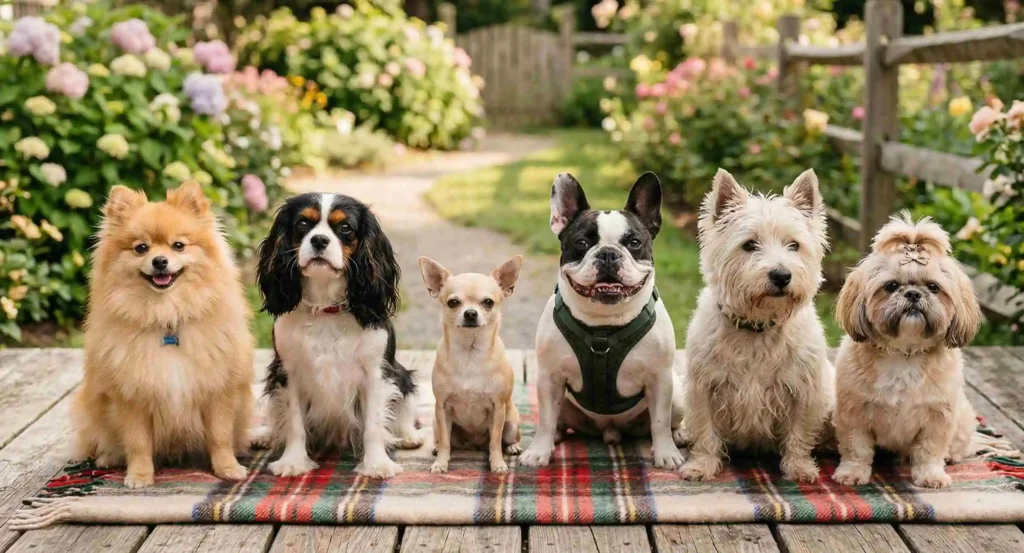
Table of Contents
Why Small Dog Breeds Matter More Than Ever
Small dog breeds aren’t just trendy — they solve real problems for modern dog lovers. Apartment living is the norm in most cities, and landlords increasingly cap pet weight at 25 or 30 pounds. A small dog fits that limit while still giving you a genuine, loyal companion.
There’s a longevity advantage, too. According to the American Kennel Club, small breeds consistently outlive large breeds. A healthy Chihuahua may reach 16 or 17 years. A Great Dane averages closer to 8. For owners who dread the idea of saying goodbye too soon, that extra time together is meaningful.
Seniors especially benefit from small companions. A 10-pound Maltese is easy to lift, won’t pull you off your feet on walks, and provides genuine emotional connection without physical strain. If you’re exploring this route, our guide to the best dogs for seniors covers temperament matches in detail.
But small breeds aren’t all lapdogs. Some, like Miniature Pinschers and Rat Terriers, have the drive and stamina of dogs twice their size. Matching energy levels to your actual routine is the single most important decision you’ll make.
Understanding Small Dog Breeds: Types, Sizes, and Temperaments
Small dog breeds generally fall into a few categories. Understanding these helps you narrow your search fast.
Toy breeds (under 12 pounds) include Chihuahuas, Pomeranians, Yorkshire Terriers, and Maltese. They were bred primarily for companionship. Most are affectionate, alert, and sometimes a little bossy.
Small terriers (12–22 pounds) include Jack Russell Terriers, Cairn Terriers, and Scottish Terriers. These dogs were bred to hunt vermin. They’re bold, energetic, and need a job to stay happy.
Small sporting and herding breeds include Cocker Spaniels, Shetland Sheepdogs, and Miniature Schnauzers. They’re intelligent, trainable, and generally great with families.
Designer and hybrid small breeds have exploded in popularity. The Cavapoo, Maltipoo, and Mini Goldendoodle combine the best traits of two breeds, often with reduced shedding. They’re worth considering if allergies are a concern.
15 Popular Small Dog Breeds at a Glance
Here’s a snapshot of popular picks and what makes each one stand out:
- Chihuahua — Fiercely loyal, long-lived, low exercise needs. Can be snippy without socialization.
- French Bulldog — Easygoing, quiet, great for apartments. Prone to breathing issues. Our Blue French Bulldog guide covers a popular color variant.
- Cavalier King Charles Spaniel — Gentle, affectionate, excellent therapy dog. Watch for heart conditions.
- Pomeranian — Big personality, fluffy coat, alert watchdog. Needs regular grooming.
- Yorkshire Terrier — Hypoallergenic coat, portable, spirited. Daily brushing required.
- Dachshund — Brave, curious, entertaining. Back problems are common.
- Shih Tzu — Calm, friendly, low exercise. Regular grooming is non-negotiable.
- Miniature Schnauzer — Smart, trainable, low shedding. Can be vocal.
- Boston Terrier — Playful, people-oriented, easy to train. Sensitive to heat.
- Maltese — Sweet, gentle, hypoallergenic. Prone to tear staining.
- Pug — Charming, adaptable, loves people. Brachycephalic (flat-faced) breathing concerns.
- Jack Russell Terrier — Athletic, fearless, intelligent. Needs serious exercise.
- Miniature Poodle — Brilliant, elegant, non-shedding. Needs mental stimulation.
- Papillon — Agile, cheerful, surprisingly athletic. Fragile build in puppyhood.
- Havanese — Social, playful, great with kids. Separation anxiety is common.
If you love the idea of a dog that stays tiny throughout adulthood, our article on dogs that stay small forever goes deeper into breeds under 10 pounds.
Common Mistakes Small Dog Owners Make (and How to Fix Them)
Even experienced dog people make these errors with small breeds. Here’s what to avoid:
- Skipping training because “they’re small.” A 6-pound dog that bites is still a dog that bites. The fix: start basic obedience early and stay consistent.
- Carrying them everywhere. This creates anxiety and poor socialization. The fix: let them walk on their own four feet as much as possible.
- Overfeeding. An extra half-cup of kibble means a lot on a 10-pound frame. The fix: measure portions with a kitchen scale and follow your vet’s calorie guidelines.
- Ignoring dental care. Small breeds have crowded mouths and are prone to periodontal disease. The fix: brush teeth at least three times per week and schedule annual dental cleanings.
- Using a collar instead of a harness. Many small breeds are susceptible to tracheal collapse. The fix: switch to a well-fitted harness for walks. The American Veterinary Medical Association offers guidance on proper collar and harness fit.
- Skipping joint care. Luxating patella is extremely common in toy breeds. The fix: keep them at a healthy weight and consider a joint supplement early.
That last point about joint health deserves more attention, because it’s one of the most overlooked issues in small breed care.
Small dogs put surprising stress on their tiny joints, especially breeds prone to luxating patella like Chihuahuas, Pomeranians, and Yorkshire Terriers. Starting a glucosamine supplement before you notice limping can make a real difference over the years. Wuffes Advanced Dog Hip and Joint Supplement is specifically formulated for small and medium breeds. Each pork-flavored chew contains glucosamine, chondroitin, MSM, omega-3, and green-lipped mussel — a solid combination for proactive joint support. The chews are soft and sized appropriately so you’re not breaking tablets in half. The one drawback is that picky eaters occasionally reject the pork flavor, though most dogs take them willingly. If your small breed is over two years old, adding this to their routine is a smart preventive move.
CHECK PRICE ON AMAZON: https://amzn.to/4aRkWUs
Step-by-Step: How to Choose the Right Small Dog Breed
Picking a small dog breed isn’t about scrolling photos until one melts your heart. Here’s a more reliable process:
- Assess your daily energy level honestly. If you work long hours and prefer quiet evenings, skip the terriers. A Shih Tzu or Cavalier is a better match.
- Evaluate your living space. Almost all small breeds can live in apartments, but some (like Beagles and Jack Russells) bark frequently. Consider your neighbors.
- Factor in grooming commitment. Breeds like Poodles, Yorkies, and Maltese need professional grooming every 4–6 weeks. That adds up financially.
- Consider existing family members. Some small breeds are fragile and don’t tolerate rough handling from toddlers. If you have young children, explore our guide to the best dogs for kids before deciding.
- Research breed-specific health issues. Every breed has them. Knowing in advance lets you budget for veterinary care and choose preventive strategies.
- Meet the breed in person. Attend dog shows, visit breed-specific rescues, or connect with reputable breeders. No online description replaces real interaction.
- Ask about the parents. If buying from a breeder, request health clearances for both parents. Responsible breeders test for genetic conditions common to their breed.
- Plan the first vet visit within 48 hours. A baseline exam catches early issues and establishes a vaccination and care schedule right away.
Because small breeds are so portable, many owners travel with them regularly. That’s great for bonding — but car safety is often an afterthought. Most standard seatbelt harnesses are designed for medium and large dogs, leaving small breeds sliding around on the seat or perched dangerously on a lap. A purpose-built booster seat solves this. K&H Pet Products Bucket Booster Dog Car Seat raises your small dog to window height so they can see out while staying secure with two included safety leashes. The washable cover handles drool and shedding, and the sturdy bucket design keeps dogs from tumbling during sudden stops. It works best for dogs under 20 pounds. The downside is that very anxious dogs may need a few acclimation sessions before they settle into it. For any owner who drives with their small dog more than occasionally, this is a worthwhile safety upgrade.
CHECK PRICE ON AMAZON: https://amzn.to/4rjv12f
Troubleshooting Common Small Dog Breed Issues
If your small dog barks excessively → Rule out boredom first. Increase walks, add puzzle toys, and reward quiet behavior. Avoid yelling — it sounds like you’re barking back.
If they refuse to walk in cold weather → Small breeds lose body heat fast. Use a fitted dog sweater or jacket. Carry them past icy patches if needed.
If they’re picky eaters → Small dogs often get picky because owners offer too many alternatives. Stick with one high-quality food for at least two weeks before switching.
If they snap at strangers → This is usually fear-based, not aggression. Gradual socialization with treats and positive reinforcement works better than flooding them with new people.
If they tremble or shake frequently → Some shaking is normal in small breeds (especially Chihuahuas). But if it’s paired with lethargy, appetite loss, or vomiting, see your vet. Our article on why dogs shake breaks this down further.
If they gain weight quickly → Small dogs need surprisingly few calories. A typical 10-pound dog needs only 350–400 calories per day. Treats should be less than 10% of total intake.
When to See a Veterinarian
Small breeds are masters at hiding discomfort. Watch for these red flags:
- Sudden limping, skipping steps, or holding a back leg up (possible luxating patella)
- Persistent coughing or honking sound (possible tracheal collapse)
- Rapid weight loss or refusal to eat for more than 24 hours
- Gums that are pale, blue, or sticky instead of pink and moist
- Difficulty breathing, especially in flat-faced breeds after exercise or in heat
- Foul breath with red or swollen gums (dental disease advancing)
Veterinarians recommend that small breed dogs see their vet at least twice a year after age seven, rather than the once-a-year schedule common for younger dogs. Early detection keeps small problems from becoming expensive emergencies.
A daily multivitamin can also help fill nutritional gaps, especially for small breeds with sensitive stomachs or picky eating habits. Googipet Premium Dog Multivitamin covers a wide base — probiotics for gut health, vitamin C for immune support, and glucosamine for joints, all in one chicken-flavored chew. It’s designed for puppies through senior dogs, so you won’t need to switch products as your dog ages. The chews are small enough for toy breeds to handle without choking risk. One limitation: dogs with severe food allergies should have their vet review the ingredient list first. For most small breed owners, this is a simple daily addition that supports overall health across multiple systems.
CHECK PRICE ON AMAZON: https://amzn.to/3ZzV6OD
Expert Opinion: What Veterinary Professionals Say About Small Dog Breeds
Small dog breeds require a slightly different approach to healthcare than their larger counterparts. Veterinarians consistently emphasize three priorities: dental hygiene, weight management, and joint protection. According to the American Veterinary Medical Association, dental disease affects the majority of dogs by age three, but small breeds are disproportionately affected because their teeth are crowded into smaller jaws. Professional cleanings and daily brushing aren’t optional extras — they’re essential.
Weight is equally critical. Even one extra pound on a 10-pound dog represents a 10% increase in body weight. That’s the equivalent of a 150-pound person gaining 15 pounds. The strain on tiny joints, hearts, and organs compounds over time. Veterinary professionals recommend weighing small dogs monthly and adjusting food portions accordingly, rather than relying on visual assessment alone.
FAQs About Small Dog Breeds
What is the best small dog breed for apartments?
French Bulldogs, Shih Tzus, and Cavalier King Charles Spaniels adapt well. They’re quiet, low-energy indoors, and don’t need a yard.
Do small dogs live longer than big dogs?
Generally, yes. Small breeds average 12–16 years compared to 8–12 for large breeds. Genetics, diet, and veterinary care all influence lifespan.
Are small dog breeds good with children?
Some are. Beagles, Cavaliers, and Havanese tend to be patient. Very tiny breeds like Chihuahuas may not tolerate rough play from toddlers.
What is the easiest small dog breed to train?
Miniature Poodles, Papillons, and Miniature Schnauzers rank high in trainability. They respond well to positive reinforcement.
How much exercise do small dog breeds need?
Most need 30–60 minutes daily. Terrier breeds may need more. Toy breeds like Maltese and Shih Tzus are content with shorter walks.
What health problems are common in small dog breeds?
Luxating patella, dental disease, tracheal collapse, and hypoglycemia are the most frequent. Brachycephalic breeds also face breathing issues.
Are small dogs hypoallergenic?
No dog is truly hypoallergenic. However, breeds like Poodles, Maltese, and Yorkies produce less dander and shed minimally, which helps allergy sufferers.
How do I stop my small dog from barking so much?
Identify the trigger first — boredom, fear, or attention-seeking. Address the root cause with exercise, training, and enrichment rather than punishment.
What should I feed a small dog breed?
Choose a kibble formulated specifically for small breeds. Smaller kibble size prevents choking, and the calorie density matches their faster metabolism.
Is it better to adopt or buy a small dog breed?
Both are valid. Adoption gives a dog a second chance. Buying from a responsible breeder offers predictability in temperament and health. Avoid puppy mills and pet stores regardless.
Conclusion
Small dog breeds offer something rare — a companion that fits into almost any lifestyle without compromising on loyalty, personality, or connection. Whether you’re drawn to the athletic confidence of a Jack Russell, the mellow warmth of a Cavalier, or the playful charm of a Pomsky, the right small dog can genuinely improve your daily life.
The key is matching honestly. Be realistic about your schedule, your space, and your willingness to commit to grooming and health care. Small dog breeds may be compact, but they deserve the same thoughtful planning as any dog. Start by narrowing your list to two or three breeds, then meet them in person. Your perfect pint-sized companion is out there — and once you find each other, you’ll wonder how you ever lived without them.
This article provides general information about small dog breeds and is not a substitute for professional veterinary advice. Always consult your veterinarian for health decisions specific to your dog.