You’ve seen them on Instagram – those adorable teddy bear-like dogs that seem to melt hearts with their soulful eyes and fluffy coats. Mini Goldendoodles have skyrocketed in popularity, combining the best traits of Golden Retrievers and Miniature Poodles into one irresistible package. But is this designer breed right for your lifestyle and family needs?
Quick Answer
Mini Goldendoodles are a crossbreed between Golden Retrievers and Miniature Poodles, resulting in a small to medium-sized dog (15-35 pounds / 7-16 kg) with a friendly, intelligent temperament and low-shedding coat. Standing 13-20 inches (33-51 cm) tall, they make excellent family companions due to their affectionate nature, adaptability to various living situations, and compatibility with children and other pets.
TL;DR
Mini Goldendoodles are gentle, smart dogs that typically live 10-15 years, require regular grooming, and thrive with moderate exercise and mental stimulation. Their friendly temperament and trainability make them ideal for families, first-time dog owners, and even apartment living.
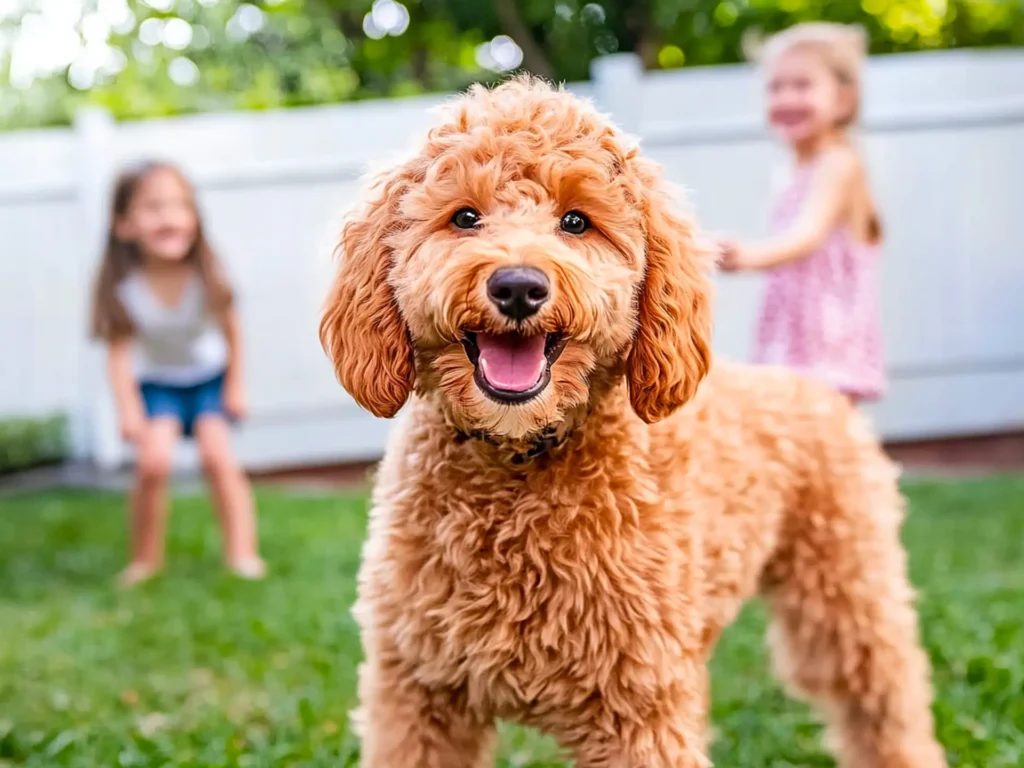
Table of Contents
Why It Matters
Bringing a Mini Goldendoodle into your life is a long-term commitment of 10-15 years, requiring consideration of their specific health, grooming, exercise, and training needs. Without proper understanding of this breed’s requirements, you might face unexpected challenges:
- Inadequate grooming can lead to painful matting and skin infections
- Insufficient exercise may result in destructive behaviors from boredom
- Lack of training could miss out on their incredible potential as companions
- Overlooking potential health issues might lead to preventable medical problems
- Mismatched energy levels could create frustration for both dog and owner
Making an informed decision about Mini Goldendoodles ensures both you and your furry friend will enjoy a harmonious, fulfilling relationship for years to come.
Anatomy/Background
The Mini Goldendoodle emerged in the 1990s as breeders sought to create a smaller version of the standard Goldendoodle, combining the friendly temperament of Golden Retrievers with the intelligence and hypoallergenic coat of Miniature Poodles.
Standing 13-20 inches (33-51 cm) tall and weighing between 15-35 pounds (7-16 kg), these dogs inherit physical and behavioral traits from both parent breeds. Their coat can be wavy, curly, or straight, with colors ranging from cream and gold to red and dark brown.
Mini Goldendoodles are classified by generation, which affects their appearance and traits:
- F1: First-generation cross (50% Golden Retriever, 50% Miniature Poodle)
- F1B: Backcross to a Miniature Poodle (25% Golden Retriever, 75% Poodle)
- F2: Two F1 Mini Goldendoodles bred together
- Multi-generation: Continued breeding of Goldendoodles
F1B Mini Goldendoodles typically have curlier coats that are more hypoallergenic but require more grooming, while F1 Mini Goldendoodles may have wavy coats that shed slightly more but are easier to maintain.
Mini Goldendoodle Temperament
Mini Goldendoodles are known for their exceptional temperament, making them perfect companions for families, singles, and seniors alike. These dogs inherit the Golden Retriever’s friendly, outgoing nature and the Poodle’s intelligence and alertness, creating a well-balanced personality that adapts to various lifestyles.
Key temperament traits include:
- Affectionate: Mini Goldendoodles form strong bonds with their owners and love to cuddle and show affection.
- Sociable: They typically get along well with children, other dogs, and even cats when properly socialized.
- Intelligent: Their high intelligence makes them quick learners who excel in training.
- Eager to please: They have a natural desire to make their owners happy, making training relatively straightforward.
- Adaptable: These dogs adjust well to different living situations and family dynamics.
For families with young children, Mini Goldendoodles are patient and gentle, as discussed in our guide on puppy behavior problems and solutions. Their friendly disposition also makes them poor guard dogs but excellent therapy and emotional support animals.
According to the American Kennel Club, though not a recognized breed, some first-generation crosses may benefit from greater genetic diversity, but it’s not guaranteed; long-term health depends far more on parent health testing and responsible breeding.
Exercise Needs & Training
Despite their smaller size, Mini Goldendoodles are moderately active dogs that require daily exercise to maintain physical and mental health. Without adequate activity, these intelligent dogs may develop destructive behaviors out of boredom.
Exercise Requirements:
- Daily activity: 30-60 minutes of exercise per day, divided between walks and play sessions
- Mental stimulation: Puzzle toys, training games, and interactive play to engage their intelligent minds
- Variety: Mix up activities between walking, fetching, swimming (they often love water!), and dog sports
For owners struggling with leash manners, our article on leash training a puppy provides helpful techniques that work well for Mini Goldendoodles.
Training Approach:
Mini Goldendoodles excel with positive reinforcement training methods, as detailed in our guide on dog recall training. Their intelligence and eagerness to please make them highly trainable, with capabilities including:
- Basic obedience commands and household manners
- Advanced tricks and agility training
- Therapy and emotional support work
- Scent detection and retrieval tasks
Begin training early—around 8-10 weeks of age—with short, positive sessions. Consistency is key, as is avoiding harsh corrections that can damage their sensitive nature. For puppies with nipping behaviors, our resource on puppy biting solutions offers specific techniques that work well for Mini Goldendoodles.
Health Considerations
While generally healthy, Mini Goldendoodles can inherit health issues from both parent breeds. Working with reputable breeders who conduct health testing is crucial for minimizing these risks.
Common health concerns include:
- Hip Dysplasia: A genetic condition affecting hip joint formation, which can lead to arthritis and mobility issues.
- Progressive Retinal Atrophy (PRA): A degenerative eye disorder that can lead to blindness.
- Ear Infections: Their floppy ears and hair growth in ear canals make them prone to infections, as discussed in our guide on dog ear cleaning solutions.
- Allergies: Skin allergies and food sensitivities can affect this breed, potentially requiring specialized diets like those covered in our best dog food for allergies article.
- Von Willebrand’s Disease: An inherited blood clotting disorder.
According to the American Veterinary Medical Association, mixed-breed dogs like Mini Goldendoodles still require regular veterinary care including appropriate vaccinations outlined in our puppy vaccination schedule.
When selecting a Mini Goldendoodle puppy, ask for OFA hip/elbow evaluations, CAER eye examinations, and cardiac clearances on both parents; carefully review health guarantees and contracts before committing to a breeder.
For optimal health, maintain a proper diet, regular exercise, preventative care, and be alert to symptoms like those described in our articles on dog limping and dog throwing up yellow bile.
Tools & Product Recommendations
Essential Grooming Tools
Andis Premium Pet Slicker Brush Perfect for Mini Goldendoodles with curly or wavy coats, this slicker brush effectively detangles and removes loose fur without damaging the skin. The ergonomic handle makes daily brushing comfortable, especially important for these dogs that need regular grooming to prevent matting. Best for owners who want to maintain their doodle’s coat between professional groomings.
Safari Professional Stainless Steel Comb This dual-purpose comb with both wide and fine teeth is essential for Mini Goldendoodle coat maintenance. Use after brushing to catch hidden tangles in sensitive areas like behind the ears and under the legs. The smooth, rounded teeth prevent scratching the skin while effectively removing mats. Ideal for owners of curly-coated Mini Goldendoodles that require thorough detangling.
Chris Christensen Ice on Ice Detangling Spray This conditioning spray makes brushing easier by preventing and removing mats in your Mini Goldendoodle’s coat. It contains no harsh chemicals and leaves the coat silky without residue. The light formula won’t weigh down the fur, making it perfect for maintaining that fluffy teddy bear look between grooming sessions. Essential for owners of Mini Goldendoodles with curlier coats prone to tangling.
Burt’s Bees for Dogs Natural Shampoo This gentle, tearless shampoo is ideal for Mini Goldendoodles with sensitive skin. The pH-balanced formula with oatmeal soothes irritation while cleansing effectively. Free from parabens, phthalates, and harsh chemicals, it maintains your dog’s natural oils while keeping them clean. Perfect for the recommended monthly bathing schedule to keep your Mini Goldendoodle’s coat healthy and shiny.
Step-by-Step Tutorial: Grooming Your Mini Goldendoodle
Proper grooming is essential for Mini Goldendoodles to prevent matting, skin issues, and to maintain their adorable appearance. For more detailed nail care guidance, check our complete guide on how to trim dog nails.
1-Daily Inspection (5 minutes)
Run your hands through your dog’s coat daily, feeling for tangles or mats, particularly in problem areas like armpits, behind ears, and between toes.
2-Regular Brushing (15-20 minutes, 3-4 times weekly)
Start with a slicker brush, working in sections from the skin outward. Begin with high-friction areas (armpits, between legs, behind ears) before moving to the body, legs, and tail.
3-Detangling (As needed)
Spray a detangling solution on any knots, then gently work through them with fingers first, followed by a slicker brush and comb.
4-Complete Comb-Through (5-10 minutes)
After brushing, use a metal comb to check for any remaining tangles, especially in dense areas around the face, ears, and chest.
5-Bathing (Monthly)
Brush thoroughly before bathing to remove loose hair and mats. Use lukewarm water and dog-specific shampoo, ensuring complete rinsing to prevent skin irritation.
6-Drying Thoroughly (30-45 minutes)
Remove excess water with towels, then use a blow dryer on low heat, continuing to brush while drying to prevent new tangles.
7-Ear Cleaning (Weekly)
Gently clean the outer ear with a vet-approved solution and cotton pad, never inserting anything into the ear canal.
8-Nail Trimming (Every 3-4 weeks)
Trim nails carefully, avoiding the quick (pink area containing blood vessels). Use a grinder or clippers designed for dogs.
9-Teeth Brushing (2-3 times weekly)
Use dog-specific toothpaste and a soft brush to maintain dental health and prevent gum disease.
10-Professional Grooming (Every 6-8 weeks)
Schedule regular appointments with a professional groomer for haircuts and thorough grooming, mentioning your preferred style.
During summer months, some Mini Goldendoodle owners find that a cooling mat helps keep their pet comfortable, especially with a longer coat.
Coat Types: Wavy vs. Curly vs. Straight: Quick Comparison
Wavy Coat
- Pros: Moderate maintenance, softer texture, attractive blend of both parent breeds
- Cons: Moderate shedding, more frequent brushing than straight coats, can still mat
- Care Tips: Brush 2-3 times weekly, professional grooming every 6-8 weeks
Curly Coat
- Pros: Most hypoallergenic, minimal shedding, distinctive poodle-like appearance
- Cons: High maintenance, prone to matting, requires daily brushing
- Care Tips: Daily brushing, detangling spray essential, professional grooming every 4-6 weeks
Straight Coat
- Pros: Easiest to maintain, less frequent brushing required, smoother texture
- Cons: Most shedding (though still less than purebred Golden Retrievers), less “doodle-like” appearance
- Care Tips: Brush 1-2 times weekly, less frequent haircuts needed
If allergies are a concern in your household, Mini Goldendoodles with curly coats are often recommended, but according to the American Kennel Club, no dog is truly 100% hypoallergenic, as allergic reactions are typically triggered by proteins found in a dog’s saliva, urine, and dander, not just fur.
Size Guide: Finding the Right Mini Goldendoodle
- Small Mini (15-25 lbs / 7-11 kg): Perfect for apartments, easier to handle and transport, typically lives slightly longer
- Medium Mini (25-35 lbs / 11-16 kg): More sturdy for active families, still manageable size, balanced energy levels
- Large Mini (35-45 lbs / 16-20 kg): Best for homes with yards, more athletic capabilities, sturdier for households with children
Example Sizing Comparison:
- Small Mini: Similar to a Beagle or Cocker Spaniel
- Medium Mini: Similar to a Border Collie or small Labrador
- Large Mini: Similar to a small Standard Goldendoodle or small Labrador
For those specifically seeking a lower-energy dog, our guide to low energy dog breeds can provide alternatives, though Mini Goldendoodles are generally moderate in energy levels.
Common Mistakes (and Fixes)
Inadequate brushing. The fix: Establish a regular grooming schedule of at least 3-4 times weekly, marking it on your calendar to ensure consistency.
Brushing only the surface. The fix: Use proper technique by brushing in sections down to the skin, using a comb afterward to check for hidden tangles.
Bathing without brushing first. The fix: Always thoroughly brush and detangle before bathing, as water can tighten mats and make them more difficult to remove.
Skipping professional grooming. The fix: Schedule standing appointments every 6-8 weeks with a groomer experienced with doodle coats.
Ignoring high-friction areas. The fix: Pay special attention to areas prone to matting: armpits, behind ears, collar area, between legs, and paws.
Using human shampoo. The fix: Invest in quality dog-specific shampoo and conditioner formulated for sensitive skin and curly coats.
Neglecting ear care. The fix: Clean ears weekly and keep the hair inside ears trimmed to prevent infections common in floppy-eared breeds.
Insufficient mental stimulation. The fix: Provide puzzle toys and brain games to challenge their intelligent minds and prevent boredom-related behaviors.
Overlooking separation anxiety. The fix: Gradually train your Mini Goldendoodle to be comfortable alone and consider appropriate calming aids if needed.
Troubleshooting (If/Then)
If your Mini Goldendoodle’s coat is constantly matting, then increase brushing frequency to daily and consider a shorter haircut to make maintenance easier.
If your dog resists grooming, then start with short, positive sessions using treats and praise, gradually increasing duration as they become comfortable.
If the coat appears dull or dry, then evaluate your shampoo, consider adding fish oil supplements to their diet, and ensure proper nutrition.
If you notice excessive scratching or skin redness, then check for mats, consult your veterinarian about possible allergies, and ensure thorough rinsing after baths.
If the fur around the eyes is causing irritation, then keep this area trimmed short or ask your groomer for a “teddy bear” face trim to maintain visibility.
If nails are clicking on the floor, then they’re too long and need trimming; establish a regular nail care routine every 3-4 weeks.
If your doodle smells despite regular bathing, then check ears for infection, teeth for dental issues, and ensure thorough drying after baths to prevent yeast growth.
If your Mini Goldendoodle shows signs of anxiety, then refer to our comprehensive dog anxiety guide for management techniques.
If your puppy is whining in their crate, then review our puppy whining in crate solutions for effective training approaches.
When to See a Professional
While regular at-home grooming is essential, professional help is necessary in certain situations:
- Your Mini Goldendoodle has severe matting that cannot be safely removed at home
- You notice skin issues like persistent redness, bumps, or excessive scratching
- Your dog shows signs of ear infection (head shaking, ear odor, redness)
- You notice symptoms of illness such as those described in our guide on why is my dog coughing
- Your dog shows signs of digestive issues like those covered in our dog diarrhea treatment guide
- You’re uncertain about nail trimming and fear cutting the quick
- Your dog becomes extremely stressed or aggressive during grooming attempts
- You want to maintain a specific haircut that requires professional skills
- It’s been more than 8 weeks since the last professional grooming
- You notice any unusual lumps, bumps, or skin changes during grooming sessions
According to the American Veterinary Medical Association, regular professional examinations are crucial for detecting and addressing health issues early.
FAQs
How long do Mini Goldendoodles live?
Mini Goldendoodles typically live between 10-15 years, with smaller dogs often reaching the upper end of this range. Proper nutrition, regular exercise, preventive healthcare, and genetic factors all influence lifespan.
Are Mini Goldendoodles truly hypoallergenic?
While no dog is 100% hypoallergenic, Mini Goldendoodles with curlier, more Poodle-like coats tend to shed minimally and produce less dander, making them better for allergy sufferers. F1B Mini Goldendoodles (75% Poodle) are typically more allergy-friendly than F1 (50% Poodle).
How much exercise do Mini Goldendoodles need?
Mini Goldendoodles require about 30-60 minutes of exercise daily, divided into walks and playtime. They have moderate energy levels that adapt to their household’s activity, but regular exercise prevents boredom and associated behavioral issues.
Are Mini Goldendoodles easy to train?
Yes, Mini Goldendoodles are among the easiest breeds to train due to their high intelligence and eagerness to please. They respond best to positive reinforcement techniques and can quickly learn commands, tricks, and even complex tasks.
How often should I bathe my Mini Goldendoodle?
Bathe your Mini Goldendoodle every 4-6 weeks to maintain coat and skin health. Bathing too frequently can strip natural oils, while too infrequently can lead to skin issues and odor. Always brush thoroughly before bathing.
Can Mini Goldendoodles live in apartments?
Mini Goldendoodles adapt well to apartment living provided they receive adequate daily exercise and mental stimulation. Their moderate size and generally quiet nature make them suitable for smaller living spaces, though they do enjoy having room to play.
What health issues are common in Mini Goldendoodles?
Common health concerns include hip dysplasia, progressive retinal atrophy, ear infections, allergies, and certain genetic conditions inherited from parent breeds. Regular veterinary check-ups and working with reputable breeders can minimize these risks.
When can Mini Goldendoodle puppies be safely introduced to other dogs?
Follow guidelines in our article on when can puppies go outside regarding socialization timing and safety precautions to protect your puppy’s health while ensuring proper social development.
Conclusion
Mini Goldendoodles truly offer the best of both worlds – the loving, friendly temperament of Golden Retrievers combined with the intelligence and low-shedding coat of Miniature Poodles. Their adaptability makes them suitable for various living situations, from apartments to large family homes, while their moderate size strikes the perfect balance between portability and sturdiness.
When selecting a Mini Goldendoodle puppy, always choose breeders who provide OFA hip and elbow evaluations, CAER eye examinations, and cardiac clearances for both parent dogs. Review health guarantees, contracts, and ask to meet at least one parent to assess temperament traits that may be inherited by the puppies.
Caring for these delightful companions requires commitment to regular grooming, proper exercise, and positive training methods. The effort invested pays tremendous dividends in the form of a devoted, affectionate companion that brings joy to daily life. Remember that each Mini Goldendoodle has a unique personality and may lean more toward one parent breed in terms of appearance and temperament.
Whether you’re drawn to their teddy bear looks, their friendly disposition, or their intelligence, a well-cared-for Mini Goldendoodle can be an extraordinary addition to your family. The bond you’ll form with these special dogs is worth every minute spent brushing their coat, walking in the park, or teaching new tricks.
Ready to take the next step? Research reputable breeders or rescue organizations to find your perfect Mini Goldendoodle match. For more guidance on the adoption process, review our complete guide to dog adoption documents to ensure you’re fully prepared.