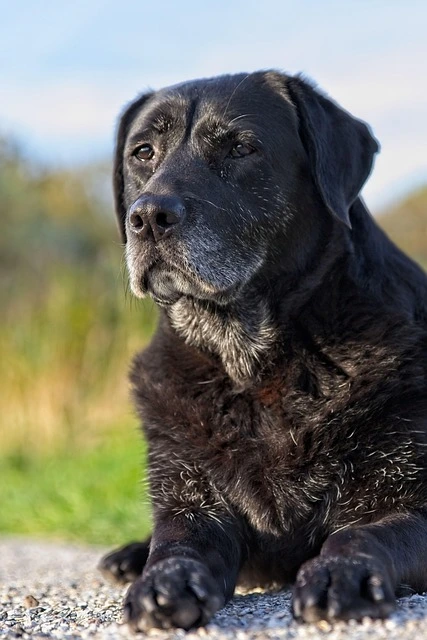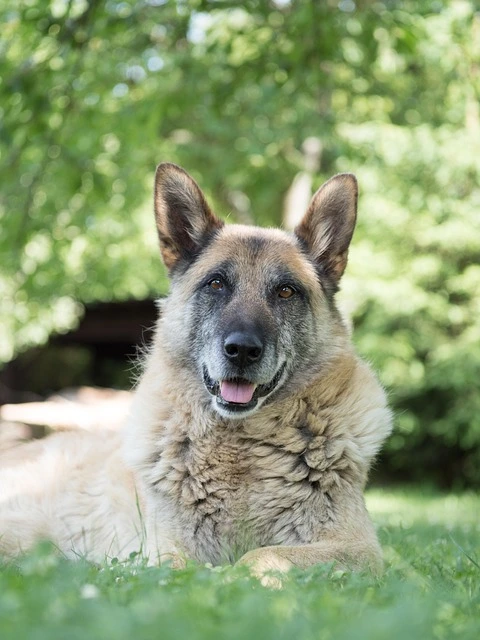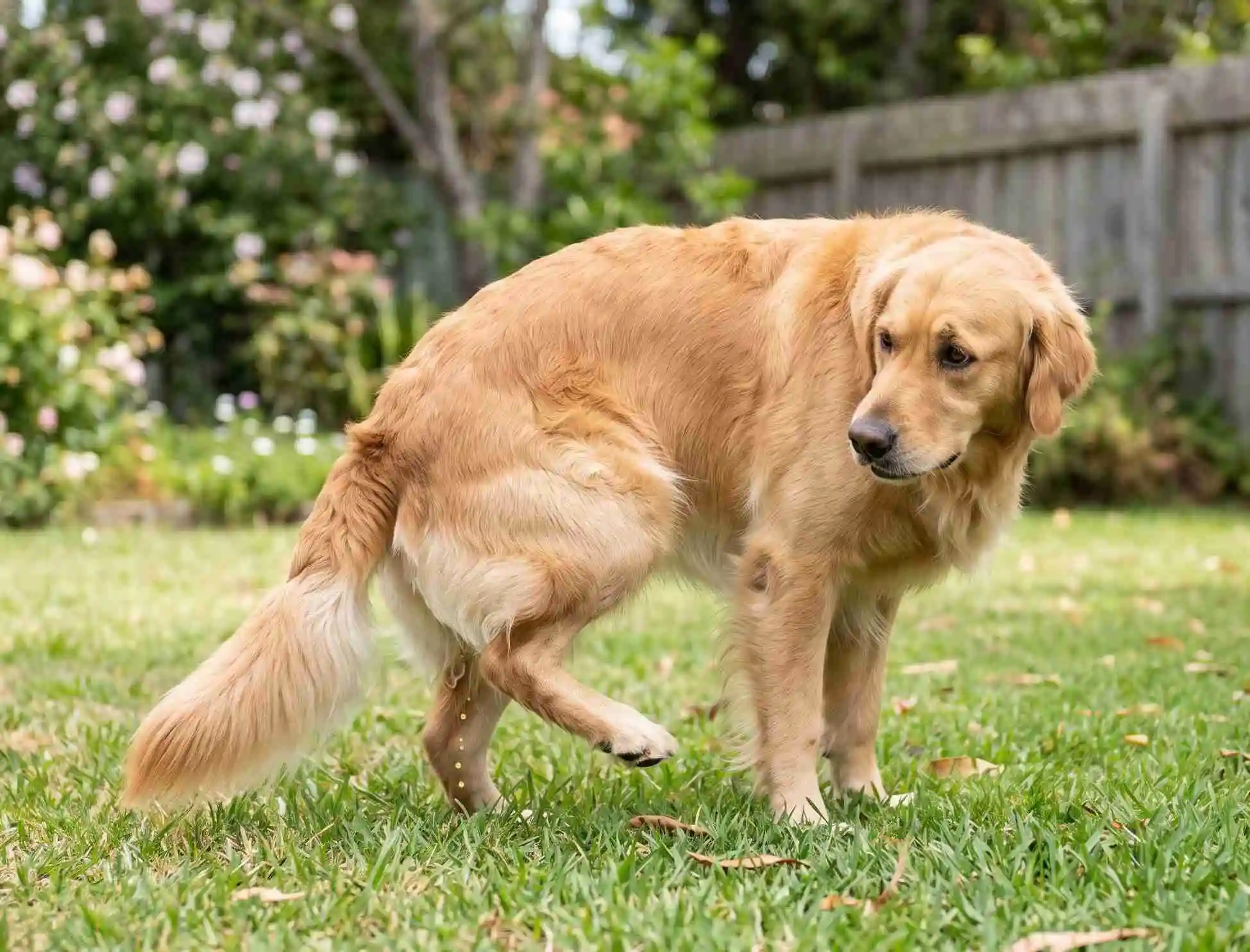
Your dog asks to go out. Again. It’s the fourth time in an hour, and she squats for ages but barely produces a drop. Then you spot a pink tinge on the snow. Dog UTI symptoms often start exactly like this — small, easy to explain away, and then suddenly impossible to ignore.
Quick Answer
A urinary tract infection happens when bacteria travel up the urethra and multiply in the bladder. The most common dog UTI symptoms are frequent urination, straining, small volumes, blood in the urine, and licking the genital area. Most cases respond well to antibiotics, but they need a vet’s urine test first — guessing wastes time and lets the infection climb toward the kidneys.
TL;DR
If your dog is peeing often, straining, leaking indoors, or producing bloody or strong-smelling urine, treat it as a possible UTI and call your vet. Female dogs get them more often, and a simple urinalysis usually confirms the diagnosis within a day.
Key Takeaways
- Frequent, small, painful urinations are the classic signal — not one big accident.
- Blood, cloudiness, or a sharp ammonia smell all warrant a vet call.
- Female dogs, senior dogs, and diabetic dogs face higher risk.
- Straining with no urine at all is an emergency, not a UTI.
- Cranberry chews and extra water support recovery but never replace antibiotics.
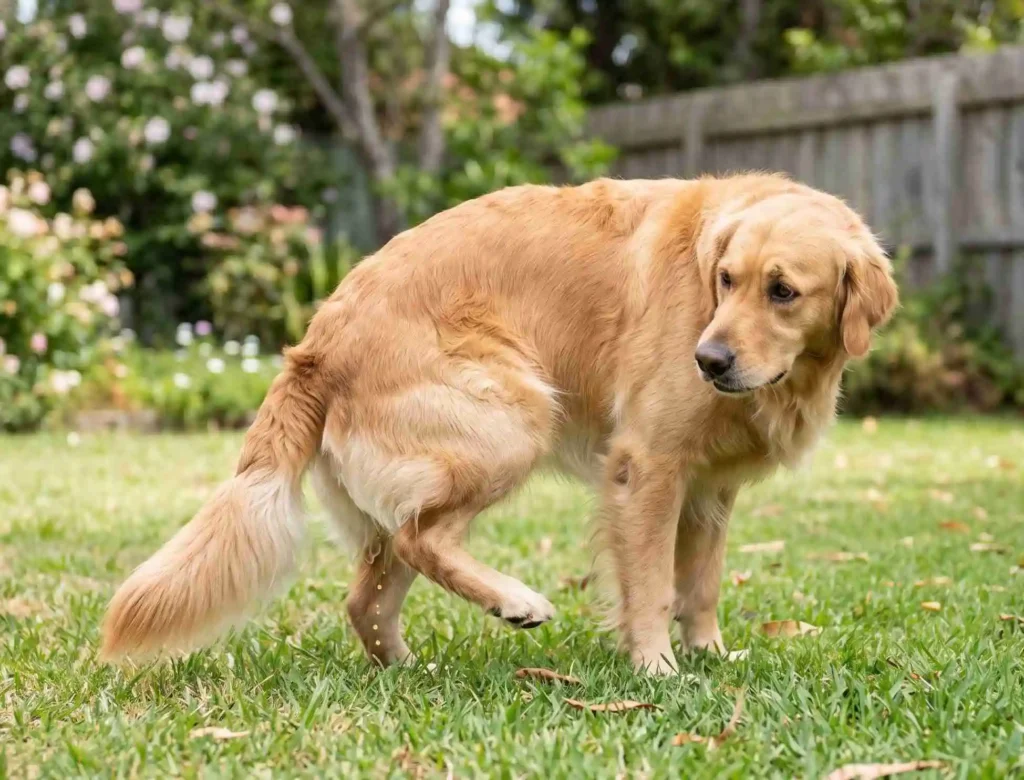
Table of Contents
Why Dog UTI Symptoms Matter More Than Owners Think
A bladder infection sounds minor. Uncomfortable, sure, but survivable. That thinking is exactly what turns a cheap, fixable problem into an expensive one.
Bacteria in the bladder don’t stay still. Given a few weeks, they can travel up the ureters and reach the kidneys. Kidney infection, called pyelonephritis, causes fever, vomiting, back pain, and permanent damage to filtering tissue. That damage doesn’t grow back.
There’s also the pain question. Dogs hide discomfort brilliantly. A dog with cystitis feels a burning urge every twenty minutes, all day and all night. She’ll still wag her tail and eat dinner. Silence is not the same as comfort.
Untreated infections also change urine chemistry. Certain bacteria raise urinary pH, which encourages struvite crystals to form. Those crystals become stones. Stones can block the urethra — and a blocked dog is a genuine emergency.
Note: this article is general education, not a veterinary diagnosis. Your vet is the only one who can confirm what’s happening in your dog’s bladder.
How a Dog’s Urinary Tract Actually Works
Picture a simple plumbing loop. Kidneys filter waste from blood and produce urine. Two thin tubes, the ureters, carry it down to the bladder. The bladder stores it. The urethra carries it out.
Healthy urine is close to sterile. The system defends itself in three ways: constant downward flushing, a mucus layer lining the bladder wall, and urine acidity that most bacteria dislike.
A urinary tract infection starts when bacteria — usually E. coli from the dog’s own digestive tract — travel upward against that flow and stick to the bladder lining. Once attached, they multiply and inflame the tissue. That inflammation is what creates the urgency.
Here’s the key detail: an inflamed bladder feels full even when it holds a teaspoon. That’s why UTI dogs squat constantly and produce almost nothing.
Why Female Dogs Get UTIs More Often
Anatomy. A female dog’s urethra is shorter and wider than a male’s, and it sits closer to the anus. Bacteria have a shorter trip. Male dogs get UTIs too, but less frequently — and when they do, vets look harder for an underlying cause like prostate disease or bladder stones.
The 9 Warning Signs of a Dog UTI
1. Frequent urination in small amounts. Ten trips outside, ten dribbles. This is the single most reliable sign.
2. Straining or hunching. She holds the squat, arches her back, and looks like she’s working hard for very little.
3. Blood in the urine. May look bright pink, rusty, or only appear as a stain on light-colored bedding.
4. Accidents in a house-trained dog. Sudden indoor puddles from a reliable adult dog are a medical flag, not a behavior problem.
5. Excessive licking of the genital area. Persistent, focused grooming after urinating.
6. Strong or foul-smelling urine. A sharp ammonia or fishy odor stands out immediately.
7. Cloudy urine. Bacteria, white blood cells, and debris make it hazy instead of clear yellow.
8. Whining or crying while peeing. Vocalizing means real pain and deserves a same-day call.
9. Lethargy, appetite loss, or fever. These signal the infection may be moving beyond the bladder.
Dogs rarely show all nine. Two or three together are enough to justify a urine test.
Common Mistakes Owners Make (and the Fixes)
- Assuming it’s a housetraining regression. Punishing a dog for accidents she can’t control adds stress to pain. The fix: rule out medical causes before you assume behavior.
- Waiting a week to “see if it clears.” Bacterial infections rarely resolve alone and can climb to the kidneys. The fix: book a urinalysis within 48 hours of noticing symptoms.
- Using leftover antibiotics from a previous illness. Wrong drug, wrong dose, and it breeds resistance. The fix: never medicate without a current prescription.
- Restricting water because of indoor accidents. Dehydration concentrates urine and makes everything worse. The fix: increase water access and increase potty breaks instead.
- Giving human cranberry supplements. Many contain xylitol, which is severely toxic to dogs. The fix: only use dog-formulated products, and check labels every time.
- Stopping antibiotics when symptoms improve. Day four feels great; surviving bacteria then rebound stronger. The fix: finish the entire prescribed course.
- Ignoring repeat episodes. Three UTIs in a year usually means an underlying cause. The fix: ask your vet about imaging for stones or a diabetes screen.
Practical Support Between Vet Visits
Antibiotics do the actual work. But a few household changes make recovery smoother and cut the odds of a repeat, and one of them is simply getting more water into your dog.
Dilute urine flushes the bladder more often and gives bacteria less time to attach. Many dogs, especially fast eaters who inhale water in three gulps and then walk away, drink less than they should across the day.
Slowing that pattern down helps. The JASGOOD Slow Feeder Dog Bowl uses a raised maze pattern that forces a dog to work around ridges instead of gulping. It’s designed for medium and large dogs and pairs well with a wet-food or water-topped meal, which quietly adds fluid to the diet. The maze design also spaces out drinking sessions rather than one rushed emptying of the bowl. Honest limitation: the ridges make it fiddly to hand-wash, and very determined dogs occasionally learn to flip it. If you want more on how these bowls affect eating pace generally, our slow feeder dog bowl guide covers sizing and cleaning in detail.
CHECK PRICE ON AMAZON: https://amzn.to/4bSghCM
Recovery also depends on gut health, because antibiotics don’t discriminate. They wipe out bladder bacteria and a good portion of your dog’s beneficial gut flora at the same time. Loose stools during a UTI course are extremely common.
Purina Pro Plan Veterinary Supplements FortiFlora is a single-strain probiotic powder you sprinkle over food. It’s aimed at dogs experiencing digestive upset, including antibiotic-related diarrhea, and the liver-flavored powder tends to disappear into a meal without a fuss. Vets stock it widely, which makes it easy to match with a prescription. Honest limitation: it’s noticeably more expensive per dose than generic probiotics, and the sachet format means daily portioning. If digestive symptoms escalate, our guide to dog diarrhea causes and treatment explains when loose stools cross into vet territory.
CHECK PRICE ON AMAZON: https://amzn.to/3ZySvV4
A quick anecdote: a reader once told us her senior spaniel finished a UTI course fine, but had soft stools for three weeks afterward. A probiotic and a slower feeding routine sorted it in five days.
Step-by-Step: What to Do When You Suspect a UTI
- Write down what you’re seeing. Note frequency, volume, color, and any vocalizing. Vets diagnose faster with specifics than with “she seems off.”
- Collect a urine sample. Slide a clean shallow container or a soup ladle under her mid-stream. First-morning urine is most concentrated and most useful.
- Refrigerate it and go quickly. Samples degrade. Aim to deliver within four hours; refrigerate if there’s any delay.
- Book the appointment. Ask specifically for a urinalysis. If this is a repeat infection, ask about a urine culture too.
- Increase water availability. Add a second bowl, top meals with warm water, or offer low-sodium broth.
- Add potty breaks. Holding urine gives bacteria more contact time. Aim for every three to four hours.
- Give the full antibiotic course. Set phone reminders. Do not stop early even if she seems perfect on day three.
- Book the recheck. Many vets retest urine after treatment ends to confirm the infection actually cleared.
Troubleshooting: If This, Then That
- If she’s straining but producing nothing at all → emergency vet immediately. This may be a urethral blockage.
- If urine is dark red or contains clots → same-day vet appointment.
- If symptoms return within four weeks of finishing antibiotics → ask for a urine culture and sensitivity test.
- If she’s also drinking and urinating far more than usual overall → ask your vet to screen for diabetes or kidney disease.
- If she’s vomiting or feverish alongside urinary signs → treat as urgent; the kidneys may be involved.
- If she keeps having accidents overnight only → discuss urinary incontinence, which is common in spayed senior females and treated differently.
- If she’s shaking or trembling with the symptoms → pain is likely significant; our guide on why dogs shake covers other causes worth ruling out.
When to See a Professional
Call your vet within 24 to 48 hours for frequent urination, straining, blood, or unusual odor. These need a lab test, not a wait-and-see approach.
Go immediately if your dog strains without producing urine, cries out repeatedly, vomits, develops a fever, seems weak, or has a hard, painful abdomen. Complete blockages become life-threatening within hours.
Puppies, senior dogs, diabetic dogs, and dogs on immunosuppressant medication should always be seen sooner rather than later.
Expert Perspective
Veterinarians consistently emphasize that urinary signs are a symptom category, not a diagnosis. The American Kennel Club notes that bacterial infection is the most common cause but far from the only one — bladder stones, crystals, tumors, prostate disease, and diabetes all produce similar signs. That’s why a urinalysis matters so much. It distinguishes a straightforward infection from something that needs imaging or bloodwork, and it identifies whether crystals are present before they consolidate into stones.
The American Veterinary Medical Association also stresses responsible antibiotic use in companion animals. Repeatedly treating suspected UTIs without culture confirmation is one of the ways resistant bacteria develop in household pets. A culture costs more upfront but tells your vet exactly which drug will work — often saving money on failed treatment rounds. For dogs with recurring episodes, that test is usually the fastest route to an answer. Broader wellness support, covered in our dog supplements guide, works alongside proper veterinary care rather than in place of it.
Frequently Asked Questions
Can a dog UTI go away on its own? Rarely. Bacterial infections typically need antibiotics. Waiting risks the infection spreading upward to the kidneys, which is far harder and more expensive to treat.
How long does it take antibiotics to work? Most dogs feel noticeably better within 48 to 72 hours. The full course usually runs 7 to 14 days and must be completed to prevent relapse.
What does dog UTI urine smell like? Often sharply ammonia-like, sometimes fishy or unusually strong. A distinct change from your dog’s normal urine odor is the thing to notice.
Is cranberry safe for dogs with UTIs? Dog-formulated cranberry supplements are generally considered safe as support. Never use human products, which may contain xylitol — a substance highly toxic to dogs.
Can stress cause a UTI in dogs? Stress doesn’t cause bacterial infection directly. It can suppress immune function and cause dogs to hold urine longer, both of which raise infection risk.
Why does my male dog have a UTI? Male UTIs are less common and often signal an underlying issue such as bladder stones, prostate enlargement, or a urethral abnormality. Ask about imaging.
Do UTIs cause dogs to drink more water? Sometimes. Marked increases in thirst alongside urinary signs can also indicate diabetes or kidney disease, so mention it specifically to your vet.
Can food cause urinary tract infections? Diet doesn’t cause bacterial infection but affects urine pH and crystal formation. Some dogs with recurring issues benefit from prescription urinary diets.
How much does UTI treatment cost? Typically an exam fee plus urinalysis and antibiotics. Cultures add more. Costs rise sharply if stones or kidney involvement are found.
Can UTIs cause incontinence in dogs? Yes, temporarily. Persistent leaking after treatment ends often points to hormone-responsive incontinence, which is a separate and very treatable condition.
The Bottom Line
Dog UTI symptoms are your dog telling you something hurts in the only way she can. Frequent squatting, straining, blood, or a sudden accident on the hallway rug all deserve a phone call rather than a wait. The good news is that most urinary tract infections are straightforward once diagnosed — a urine test, a course of antibiotics, and a recheck usually close the file. What causes trouble is delay, because bacteria don’t stay politely in the bladder. Your next step is simple: collect a first-morning urine sample tomorrow and book a urinalysis. Ten minutes of effort now can spare your dog weeks of quiet, invisible discomfort.