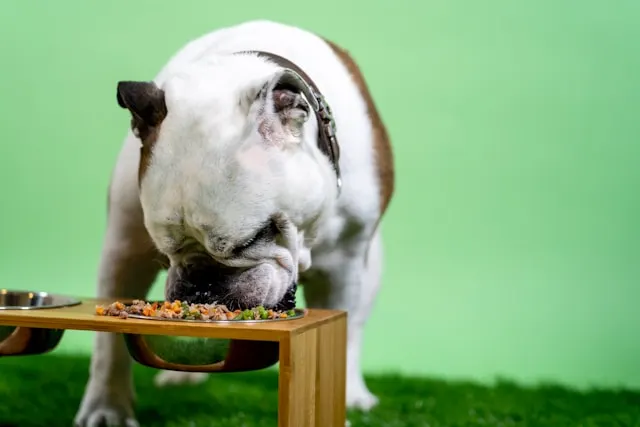
You’re defrosting chicken for dinner and your dog gives you that look — ears forward, tail thumping, full hypnotic stare. Your hand hovers. Can you just toss them a raw piece? You’ve heard raw feeding is natural. You’ve also heard it’s dangerous. The truth, as usual, lives somewhere in the middle — and knowing exactly where that line falls could protect your dog’s health.
Can Dogs Eat Raw Chicken?
Yes, dogs can eat raw chicken — but with important caveats. Raw chicken is a protein-rich food that many dogs tolerate well, and it forms the backbone of numerous raw feeding diets. The primary concerns are bacterial contamination (mainly Salmonella and Campylobacter) and the risk posed by certain bones. When handled hygienically and fed appropriately, raw chicken is something millions of dogs eat regularly without issue.
TL;DR: Raw chicken is not inherently toxic to dogs. The real risks are bacterial pathogens and cooked or splintered bones — not the meat itself. Healthy adult dogs often handle raw chicken fine, but puppies, seniors, and immunocompromised dogs need extra caution.
Key Takeaways
- Raw chicken is not poisonous to dogs, but it carries bacterial risks that require careful handling.
- Never feed cooked chicken bones — they splinter dangerously. Raw bones are a separate, nuanced conversation.
- Puppies, elderly dogs, and dogs on immunosuppressants face the highest risk from raw chicken.
- Wash hands, surfaces, and bowls thoroughly after every raw feeding session.
- If your dog shows vomiting, bloody stool, or lethargy after eating raw chicken, call your vet promptly.
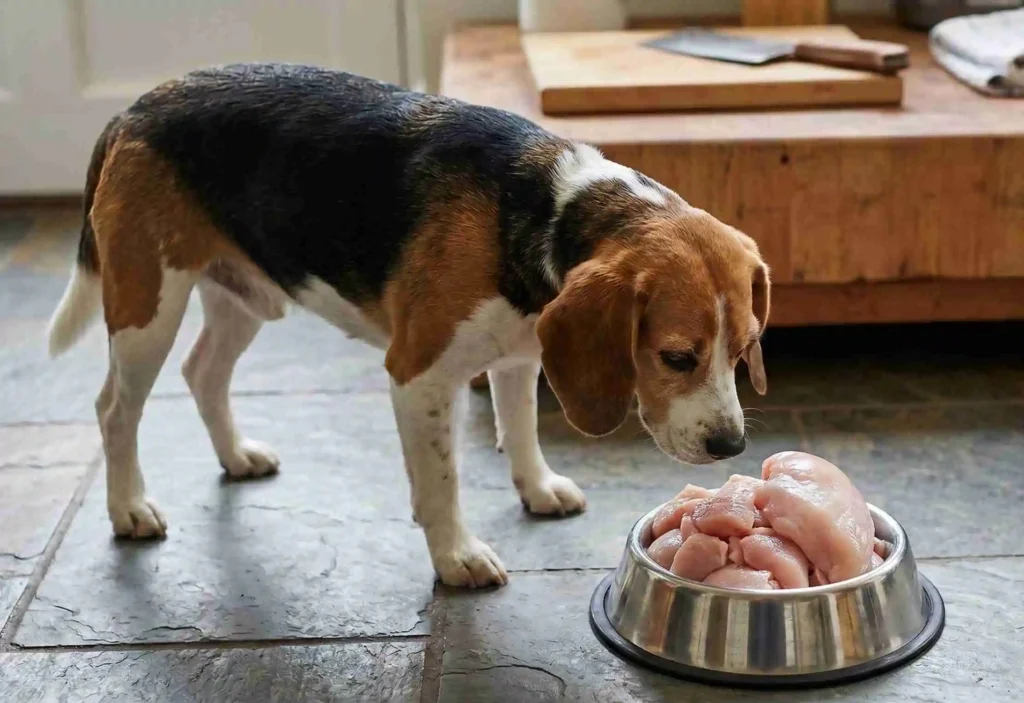
Table of Contents
Why It Matters: The Real Risks of Raw Chicken for Dogs
Raw chicken sits at the center of one of the most debated topics in canine nutrition. Get it wrong and your dog could suffer a serious bacterial infection — or a life-threatening bone obstruction. Get it right, and you may be offering a genuinely nourishing protein source.
Bacterial Contamination
The biggest concern with raw chicken is pathogens. Salmonella and Campylobacter are found on raw poultry at significant rates. According to the American Veterinary Medical Association (AVMA), raw animal protein diets pose real risks of bacterial infection — not just to pets, but to the humans handling the food.
Dogs have shorter digestive tracts and more acidic stomachs than humans, which means they can neutralize some pathogens more efficiently. But this does not make them immune. Dogs can still get sick — and even dogs that show no symptoms can shed bacteria in their stool, posing a risk to children, elderly family members, and anyone with a compromised immune system.
Nutritional Imbalance
Chicken alone isn’t a complete diet. Fed in isolation long-term, it lacks calcium (unless bones are included), vitamin E, and several trace minerals. If you’re interested in a fuller picture of raw feeding, our guide to the best raw dog food brands covers commercially prepared options that are formulated to meet AAFCO standards.
Bone Hazards
This is where many owners make a critical mistake — and it’s worth its own section.
Can Dogs Eat Chicken Bones?
The answer depends entirely on whether the bones are raw or cooked, and this distinction is not optional knowledge.
Cooked Chicken Bones: Never Feed These
Cooked bones of any kind are dangerous for dogs. Heat causes chicken bones — already relatively small and brittle — to become dry and prone to splintering into sharp shards. These shards can puncture the esophagus, stomach lining, or intestines. Intestinal perforation is a surgical emergency and can be fatal.
The American Kennel Club explicitly warns against feeding dogs cooked chicken bones for this reason.
Raw Chicken Bones: Proceed With Caution
Raw chicken bones are softer and more pliable than cooked ones. Many raw feeding advocates and some veterinarians consider raw recreational bones (like chicken necks or wings) to be manageable for appropriate dogs under supervision. However, the risks are still real:
- Small breeds can struggle with larger bone pieces.
- Aggressive chewers can still splinter raw bones.
- Bones should always be large enough that your dog cannot swallow them whole.
- Never leave a dog unsupervised with any bone.
If your dog inhales food rather than chewing it properly, raw bones become significantly more dangerous. Dogs who gulp their meals tend to choke or swallow bone fragments whole. If that sounds like your dog, check out how a slow feeder dog bowl can help regulate eating speed and reduce that risk at mealtimes.
Common Mistakes Dog Owners Make With Raw Chicken (and How to Fix Them)
- Feeding chicken straight from the fridge without handling precautions. The fix: treat raw chicken the same way you’d handle it for your own meals — wash hands before and after, use a designated bowl, and disinfect surfaces.
- Assuming “my dog has an iron stomach” means no risk. The fix: even dogs with no history of digestive issues can be struck by a bad batch of contaminated chicken. Don’t let past luck be your safety net.
- Feeding cooked chicken bones because they “seemed fine before.” The fix: stop immediately. The risks are cumulative and unpredictable. One splinter at the wrong angle is all it takes.
- Adding raw chicken to kibble without transitioning slowly. The fix: mix gradually over 7–10 days to give the gut microbiome time to adjust. Sudden diet shifts commonly cause diarrhea in dogs — even with high-quality protein sources.
- Ignoring where the chicken comes from. The fix: opt for fresh, human-grade chicken from reputable sources. Avoid feeding chicken that’s past its use-by date — bacteria multiply rapidly in aging raw meat.
- Not freezing first. The fix: some raw feeders freeze chicken for 2–3 weeks before feeding to reduce (though not eliminate) parasite risk. This is especially relevant if sourcing from less controlled supply chains.
- Feeding raw chicken to a puppy under 12 weeks. The fix: puppies this young have immature immune systems. Consult your vet before introducing any raw protein to very young dogs.
Supporting Your Dog’s Gut Through Raw Feeding
Dogs transitioning to raw chicken — or eating it alongside their regular diet — can sometimes experience temporary digestive upset. This is especially true during the early weeks. Their gut microbiome is recalibrating, and that process isn’t always seamless.
One way to ease the transition is with a veterinarian-recommended probiotic. The Purina Pro Plan Veterinary Supplements FortiFlora Daily Probiotics for Dogs is a standout choice here. It contains a guaranteed level of live microorganisms that support intestinal balance, and it’s one of the most widely recommended probiotic supplements in clinical veterinary settings. Each sachet is easy to sprinkle over your dog’s food. The main limitation is that it’s a single-strain probiotic — so for dogs with chronic gut issues, your vet may recommend a broader-spectrum option. But for short-term transitions or general digestive support, it’s excellent.
CHECK PRICE ON AMAZON: https://amzn.to/3ZySvV4
How to Safely Feed Your Dog Raw Chicken: Step-by-Step
Step 1: Assess Your Dog’s Suitability
Before you start, consider your dog’s age, health status, and immune profile. Healthy adult dogs are the best candidates. Puppies under 6 months, senior dogs over 10 years, and dogs on immunosuppressive medications (like steroids) should only be given raw chicken under veterinary supervision.
Step 2: Source Quality Chicken
Buy fresh, human-grade chicken from a reputable butcher or grocery store. Organic and free-range options tend to have lower bacterial loads, though no raw chicken is bacteria-free. Avoid previously frozen-then-thawed-then-refrozen chicken.
Step 3: Start With Small Amounts
If this is your dog’s first time eating raw chicken, start with a small piece — a 1–2 oz portion — alongside their existing food. Watch for any digestive reaction over the next 24–48 hours.
Step 4: Handle With Full Kitchen Hygiene
Use a separate cutting board. Wash your hands thoroughly before and after. Clean the dog’s bowl with hot soapy water after every meal. Disinfect any surfaces the raw chicken touched. This protects both your dog and your household.
Step 5: Choose the Right Bone Type (If Including Bones)
For raw bone feeding, chicken necks and wings are the most commonly recommended for small to medium dogs. Always supervise. Remove any piece your dog begins to splinter rather than chew. Never leave them alone.
Step 6: Monitor for Adverse Reactions
After introducing raw chicken, watch for vomiting, diarrhea, lethargy, blood in stool, or signs of choking or distress. Most healthy dogs tolerate it well — but early monitoring is smart practice.
Step 7: Consider Nutritional Balance
If raw chicken becomes a regular part of your dog’s diet rather than an occasional treat, you’ll want to think about balance. Our comparison of raw vs. kibble feeding dives into how to structure a complete raw diet so your dog gets everything they need.
Omega-3 Support for Raw-Fed Dogs
One nutritional gap that raw chicken doesn’t fill on its own is omega-3 fatty acids. Chicken is relatively high in omega-6s but light on EPA and DHA — the long-chain omega-3s that support coat health, joint comfort, and immune function.
Zesty Paws Wild Alaskan Omega-3 Blend Pollock + Salmon Oil is a strong addition to a raw chicken-based diet. It’s a cold-pressed blend of wild Alaskan pollock and salmon oil, providing a meaningful dose of EPA and DHA in a form that mixes easily into food. Dogs tend to love the taste, which also makes it a useful palatability booster for picky eaters. One limitation: the large 32oz bottle is better suited to multi-dog households or regular daily use — smaller dogs won’t go through it quickly. Store it in the fridge after opening to preserve freshness.
CHECK PRICE ON AMAZON: https://amzn.to/4akcAVn
Troubleshooting: If/Then Guide
- If your dog vomits once after eating raw chicken → withhold food for 2–4 hours, then offer plain boiled chicken with rice. Monitor closely.
- If your dog has loose stool for more than 48 hours → call your vet, especially if there’s blood. This can indicate bacterial gastroenteritis.
- If your dog seems lethargic and won’t eat the day after raw chicken → treat this as a potential infection and contact your vet promptly.
- If your dog chokes or gags during a bone feeding session → remove the bone immediately. If choking continues, perform the Heimlich maneuver for dogs and get emergency vet care.
- If a family member with a weakened immune system lives in your home → speak with your vet and your family’s doctor before starting any raw feeding routine.
- If your dog vomits yellow bile regularly → this is a separate digestive issue — explore potential causes in our guide on why dogs throw up yellow bile.
When to See a Professional
Some situations require a call to your vet — don’t wait and see:
- Blood in the stool or vomit after eating raw chicken
- Signs of bone obstruction: gagging, retching, pawing at the mouth, refusal to eat, obvious distress
- Fever (above 103°F / 39.4°C)
- Lethargy lasting more than 24 hours after a raw meal
- Suspected ingestion of cooked chicken bone fragments
- Any immunocompromised dog that shows any symptoms after raw feeding
If you suspect your dog has swallowed something toxic in addition to raw chicken — such as seasonings, onion, or garlic — the activated charcoal emergency guide has useful information, though vet consultation always comes first.
This article provides general health information only and is not a substitute for professional veterinary diagnosis or treatment.
Expert Opinion
Veterinary nutrition experts are largely divided on raw feeding — but they tend to agree on the mechanics. Raw chicken is a whole protein source that dogs can digest effectively. The concern is not the chicken itself; it’s the bacterial load and the handling environment. In households with young children, elderly residents, or immunocompromised individuals, the AVMA recommends against raw meat-based diets for pets due to the cross-contamination risk.
For healthy adult dogs in households without high-risk human members, many integrative and holistic vets consider raw chicken a viable protein choice — particularly as part of a balanced, rotation-based raw diet. Veterinarians broadly recommend that if you feed raw chicken, you do so using human-grade meat, maintain strict food safety protocols, and have regular fecal testing done on your dog to catch any subclinical bacterial shedding. Dogs on long-term raw diets should have annual bloodwork to ensure no nutritional deficiencies are developing.
Frequently Asked Questions
Can dogs eat raw chicken every day? Yes, but not as a standalone food. Daily raw chicken needs to be balanced with other proteins, organ meats, and calcium sources. Chicken alone long-term leads to nutritional deficiencies. Consult a vet or canine nutritionist for a complete raw feeding plan.
Can dogs eat raw chicken breast? Yes. Boneless raw chicken breast is actually one of the safest raw chicken options for dogs — no bone risk, lean protein, and easy to portion. It’s a popular starting point for owners new to raw feeding.
Can dogs eat raw chicken necks? Raw chicken necks are commonly fed in raw diets and are considered relatively safe for medium and large dogs when supervised. They’re too small and pose a choking risk for very large breeds that may swallow them whole.
Can dogs eat raw chicken bones? Raw bones are generally safer than cooked, but still carry risk. They should be raw, meaty, size-appropriate, and always fed under supervision. Cooked chicken bones are never safe.
Can puppies eat raw chicken? Puppies over 12 weeks may tolerate small amounts of raw chicken, but their immune systems are still developing. Always check with your vet before introducing raw protein to puppies.
What happens if a dog eats a cooked chicken bone? Cooked bones can splinter into sharp fragments that puncture the digestive tract. If your dog ate a cooked chicken bone, monitor closely for signs of distress — gagging, bloating, bloody stool — and contact your vet.
Does raw chicken give dogs worms or parasites? Chicken carries a lower parasite risk than red meats like pork or wild game, but it’s not zero. Freezing chicken for 2–3 weeks beforehand reduces this risk. Regular fecal testing is a good practice for raw-fed dogs.
Can raw chicken cause diarrhea in dogs? Yes, especially when first introduced. Sudden dietary changes disrupt the gut microbiome. Transition slowly, and consider adding a probiotic to support digestive health during the adjustment period.
Is raw chicken good for dogs’ coats? Chicken protein can support coat health generally, but it’s relatively low in omega-3s. Adding a fish oil supplement alongside raw chicken will give a more noticeable benefit to skin and coat condition.
Can dogs eat raw chicken with the skin on? Occasionally in small amounts, yes — but raw chicken skin is high in fat. Regular consumption of fatty skin can contribute to pancreatitis, especially in breeds already prone to it like Miniature Schnauzers and Cocker Spaniels.
Conclusion
So, can dogs eat raw chicken? Yes — with clear eyes about the risks. Raw chicken is a protein-rich, digestible food that many healthy adult dogs eat without problems. The real dangers are bacterial pathogens from poor handling, cooked bones that splinter, and nutritional imbalance when chicken is fed in isolation. None of those risks are impossible to manage. With human-grade sourcing, strict kitchen hygiene, thoughtful bone choices, and appropriate nutritional balancing, raw chicken can be a genuinely beneficial part of your dog’s diet. If you’re thinking about going deeper into raw feeding, our full guide on superfoods and nutritional support for dogs is a great next step. When in doubt — especially with puppies, seniors, or dogs with health conditions — always run it by your vet first. Your dog’s tail wag is worth the extra care.