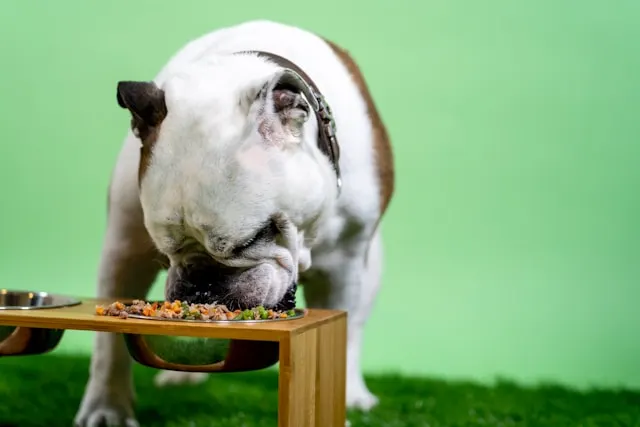
Your dog stares up at your toast with that laser focus only a hopeful mouth can produce. A golden drip of honey wobbles on the edge, and you pause. Can dogs eat honey without it turning into a problem later? For most healthy adult dogs, a small taste is fine — but the details around amount, age, and health history matter far more than the honey itself.
Quick Answer
Yes, most healthy adult dogs can eat small amounts of raw or pasteurized honey safely. Honey is a natural sugar with trace antioxidants and enzymes, and a lick or two rarely causes trouble. It is not appropriate for puppies under one year, diabetic dogs, overweight dogs, or dogs with weakened immune systems.
TL;DR
Honey is safe in tiny portions — think a quarter teaspoon for a small dog, up to a teaspoon for a large one, and not every day. The real risks come from sugar overload, dental damage, and botulism spores in raw honey given to vulnerable dogs.
Key Takeaways
- Keep servings tiny: roughly ¼ teaspoon per 10 pounds of body weight, a few times a week at most.
- Never give honey to puppies under 12 months, diabetic dogs, or dogs recovering from illness.
- Raw honey may carry Clostridium botulinum spores, which pose a real risk to immature or compromised immune systems.
- Honey adds roughly 60 calories per tablespoon — enough to matter for a small dog’s daily budget.
- Any drooling, vomiting, weakness, or collapse after eating honey warrants a same-day call to your vet.

Table of Contents
Why Honey Deserves a Second Look
Honey has a health-food halo that does not fully transfer to dogs. It is about 80% sugar by weight, mostly fructose and glucose. Dogs process sugar differently than we do, and their daily calorie needs are far smaller.
A 15-pound terrier eating one tablespoon of honey has just consumed roughly a tenth of their daily calories in pure sugar. That adds up fast. Regular sugary treats contribute to weight gain, and extra weight strains joints, heart, and pancreas.
There is also the mouth to think about. Sticky sugars cling to teeth and feed the bacteria behind plaque and gum disease. Dental disease is one of the most common conditions veterinarians diagnose in adult dogs, and honey is a small but genuine contributor when given often.
None of this makes honey dangerous. It makes honey a treat with a ceiling — one that some dogs should skip entirely.
What Is Actually In Honey
Honey is nectar that bees have concentrated and enzymatically altered. The result is a supersaturated sugar solution with small amounts of other compounds along for the ride.
The sugars. Fructose and glucose make up the bulk. These are simple carbohydrates that hit the bloodstream quickly, which is exactly why diabetic dogs cannot have honey.
Trace nutrients. Honey contains tiny amounts of vitamin C, B vitamins, calcium, and potassium. The quantities are too small to count as meaningful nutrition for a dog on a complete diet.
Antioxidants. Darker honeys like buckwheat carry more flavonoids and phenolic acids than pale clover honey. These have antioxidant activity in laboratory settings. Whether that translates into measurable benefit at dog-sized doses is unproven.
Enzymes and hydrogen peroxide. Raw honey contains glucose oxidase, which produces small amounts of hydrogen peroxide. This is the mechanism behind honey’s mild antibacterial reputation and why medical-grade honey is used on some wounds under veterinary supervision.
Pollen and spores. Raw, unfiltered honey may contain pollen grains and, occasionally, bacterial spores. Pasteurized honey has been heat-treated, reducing but not eliminating this concern.
Raw Versus Pasteurized: Does It Matter?
For a healthy adult dog, the practical difference is small. Raw honey keeps more enzymes and pollen. Pasteurized honey is more shelf-stable and slightly lower risk on the spore front.
If your dog is young, elderly, or immune-compromised, pasteurized is the safer pick — and skipping honey altogether is safer still.
Can Dogs Eat Honeycomb Safely?
While raw honey offers plenty of natural benefits, honeycomb requires extra caution. Beeswax itself isn’t toxic to dogs, but it is notoriously tough for their digestive system to break down smoothly. Chewing on thick chunks of wax poses a subtle choking hazard, particularly for small breeds or dogs that gulp their food without chewing. If your pup sneaks a tiny bite of honeycomb, they’ll almost certainly be fine. Still, sticking to pure, strained raw honey gives them all the wholesome benefits without the risk of stomach upset or intestinal blockages.
The Botulism Question
This is the concern that gets the most attention and the least accurate explanation.
Clostridium botulinum spores occasionally survive in raw honey. In an adult dog with a mature gut, these spores are outcompeted by resident bacteria and pass through harmlessly. In a puppy under one year, the gut microbiome is not established enough to reliably do that.
The spores can then germinate and produce botulinum toxin, which interferes with nerve signaling. Signs include progressive weakness starting in the hind legs, difficulty swallowing, and in severe cases, paralysis of the breathing muscles.
Documented canine cases are rare. But the rule is simple and costs you nothing: no honey before the first birthday. The same logic applies to dogs on immunosuppressive medication or recovering from serious illness.
Common Mistakes (and Fixes)
Treating honey as medicine. Owners often reach for honey the moment a dog starts hacking. Honey may soothe mild throat irritation, but persistent coughing has causes that honey will not touch. The fix: If your dog is coughing repeatedly or bringing anything up, get a diagnosis before self-treating.
Free-pouring from the jar. Honey flows fast and a “drizzle” easily becomes a tablespoon. The fix: Measure with an actual spoon, every time.
Giving honey to a diabetic dog. Some owners assume natural sugar is gentler. It is not. The fix: Honey is off the table for any dog on insulin or under investigation for diabetes.
Using honey on an open wound at home. Medical-grade honey is sterilized and used in clinical settings. Grocery honey is not sterile. The fix: Clean the wound, cover it, and let your vet decide on dressings.
Ignoring the calorie math. Honey on top of regular treats and table scraps quietly pushes dogs over their daily limit. The fix: Treats of all kinds should stay under 10% of daily calories. Subtract honey from that budget, don’t add it on top.
Forgetting the teeth. Sticky sweets sit on enamel. The fix: Pair any sugary treat with a consistent brushing routine.
Assuming all bee products are equal. Honeycomb contains wax that some dogs cannot digest well. Manuka honey is stronger, not safer, and still counts as sugar. The fix: Stick to plain honey in tiny amounts.
Turning a Lick of Honey Into Something Useful
Here is where honey earns its keep. Instead of handing it over as a free treat, use it as a high-value flavor to make a boring or stressful task easier.
A thin smear of honey spread across a textured mat gives your dog something to work at. Licking is a self-soothing behavior — it lowers arousal and helps anxious dogs settle. That makes a lick mat genuinely useful during nail trims, bath time, or thunderstorms.
The LUKITO Lick Mat for Dogs & Cats comes as a two-pack with suction cups, which is the detail that matters most. A mat that stays put on the tub wall or floor keeps your dog’s attention where you want it while you work on the other end. It is well suited to dogs who get squirmy during grooming or who need a distraction during short stressful windows. The grooved surface stretches a tiny portion of honey into several minutes of licking, which is exactly the goal. One honest limitation: the suction cups lose grip on textured or porous surfaces, so a tiled tub works far better than a rough concrete floor.
CHECK PRICE ON AMAZON: https://amzn.to/4aQdOHT
Because sugar and teeth are a poor combination, any sweet treat routine should sit alongside real dental care. Brushing is the single most effective thing you can do at home for your dog’s mouth.
The Virbac C.E.T. Oral Hygiene Kit for Dogs pairs poultry-flavored enzymatic toothpaste with both a fingerbrush and a standard toothbrush. The enzymatic formula keeps working chemically even when your brushing technique is imperfect, which is realistic for most households. The flavor does a lot of the persuading — many dogs treat it as a treat rather than a chore. It suits owners just starting a dental routine, since the fingerbrush lets nervous dogs adjust gradually. The limitation is straightforward: the tube is modest in size, and daily users will replace it more often than they expect.
CHECK PRICE ON AMAZON: https://amzn.to/4bXfiRW
How to Introduce Honey Safely: Step by Step
- Confirm your dog is a candidate. Adult, healthy weight, no diabetes, no immune conditions, not on immunosuppressants. If any of those don’t apply, stop here.
- Choose your honey. Plain, single-ingredient honey. No added flavors, no xylitol-sweetened “honey blends,” no infused varieties. Check the label — xylitol is severely toxic to dogs.
- Measure the first dose small. Start with a quarter teaspoon regardless of your dog’s size. You are testing tolerance, not delivering nutrition.
- Offer it plainly. Off a spoon, on a lick mat, or stirred into a spoonful of plain yogurt. Skip bread and baked goods.
- Watch for 24 hours. Look for loose stool, gas, vomiting, or itching. Any of those means honey is not for this dog.
- Scale to weight if all is well. Roughly ¼ teaspoon per 10 pounds is a reasonable ceiling. A 60-pound retriever tops out around 1½ teaspoons.
- Cap the frequency. Two or three times a week is plenty. Honey is a treat, not a supplement.
- Subtract, don’t add. Reduce other treats on honey days to keep total calories steady.
- Rinse or brush after. Especially for small dogs, whose teeth are already crowded and prone to disease.
Troubleshooting: If This, Then That
- If your dog has loose stool the day after honey, then stop honey entirely and offer a bland diet for 24 hours. Ongoing digestive upset needs a closer look.
- If your dog inhales the honey and immediately wants more, then move future servings onto a lick mat or slow feeder to force a slower pace.
- If your dog is gaining weight, then cut honey completely. Sweet treats are the easiest calories to remove.
- If your dog vomits shortly after, then withhold food for a few hours and monitor. Repeated vomiting is a vet visit, not a wait-and-see.
- If you accidentally gave honey to a puppy, then call your vet and describe the amount. Watch for weakness or wobbliness over the next several days.
- If the label lists xylitol or “natural sweetener,” then treat it as an emergency and call your vet or a poison control line immediately.
- If your dog seems itchy after honey, then discontinue it. Pollen sensitivity is possible, and food-related itching has many triggers.
When to Call Your Veterinarian
Some signs need professional eyes the same day:
- Progressive weakness, especially starting in the back legs
- Trouble swallowing, excessive drooling, or a changed bark
- Repeated vomiting or diarrhea lasting more than 24 hours
- Sudden collapse, disorientation, or seizure activity
- Any known or suspected xylitol ingestion
- Excessive thirst and urination developing over days or weeks
That last one matters. Increased drinking and urinating can signal diabetes, and a dog heading toward that diagnosis should not be receiving sugar. A broader supplement and nutrition review with your vet is worth scheduling if you find yourself adding several extras to your dog’s bowl.
What the Guidance Actually Says
Veterinarians generally place honey in the “occasional treat” category rather than the functional food category. According to the American Kennel Club’s guidance on honey for dogs, small quantities are acceptable for healthy adult dogs, while puppies and dogs with compromised immune systems should avoid raw honey because of botulism spore risk.
The broader principle comes from nutritional guidance shared by the American Veterinary Medical Association, which emphasizes that a complete and balanced commercial diet already supplies what a healthy dog needs. Treats — honey included — should stay a small fraction of intake so they do not unbalance that foundation.
Put simply: honey is not doing your dog nutritional favors. It is a palatable sugar that can make grooming or medication easier. Used that way, it is a reasonable tool. Used as a daily health supplement, it is just extra calories with a marketing story attached.
This article is general information and does not replace a diagnosis or treatment plan from your own veterinarian, who knows your dog’s history.
Frequently Asked Questions
Can dogs eat honey every day? It is better not to. Daily honey adds unnecessary sugar and calories with no nutritional payoff. Two to three small servings a week is a reasonable ceiling for a healthy adult dog at a stable weight.
How much honey can a dog have? Roughly a quarter teaspoon per 10 pounds of body weight. A 10-pound dog gets about ¼ teaspoon; a 60-pound dog tops out near 1½ teaspoons. Start smaller than this the first time.
Can puppies eat honey? No. Puppies under 12 months should not have honey. Their gut bacteria are not established enough to reliably neutralize botulism spores that can survive in raw honey.
Is raw honey better than regular honey for dogs? Raw honey retains more enzymes and pollen, but also carries slightly higher spore risk. For most healthy adult dogs the difference is minor. For vulnerable dogs, skip both.
Can honey help a dog’s cough? It may briefly soothe mild throat irritation. It does not treat the underlying cause. Persistent coughing needs veterinary evaluation, since causes range from kennel cough to heart disease.
Can diabetic dogs eat honey? No. Honey is concentrated simple sugar and will spike blood glucose. Diabetic dogs need consistent, controlled carbohydrate intake managed alongside their insulin schedule.
Does honey help with dog allergies? The theory is that local pollen in honey builds tolerance. There is no reliable evidence supporting this in dogs. Seasonal allergies are usually driven by skin contact, not diet.
Can I put honey on my dog’s wound? Not grocery-store honey. Medical-grade honey used in veterinary care is sterilized and applied under supervision. Home application risks contaminating the wound. Have your vet assess it first.
Is Manuka honey safe for dogs? In small amounts, for healthy adult dogs, yes. It is stronger in antibacterial activity but identical in sugar content. It is not a reason to increase the serving size.
What should I do if my dog ate a lot of honey? Watch for vomiting, diarrhea, and lethargy over the next day. A large one-time serving usually causes digestive upset at worst. Check the label for xylitol, and call your vet if it appears.
The Bottom Line
So, can dogs eat honey? For a healthy adult dog, yes — in genuinely small amounts, a few times a week, with no expectation that it is doing anything medicinal. Puppies, diabetic dogs, overweight dogs, and any dog with a compromised immune system should skip it entirely. The smartest use of honey is not as a supplement but as leverage: a thin smear that makes nail trims or bath time bearable. Measure it, subtract it from the treat budget, and keep the toothbrush handy. If you’re unsure whether your specific dog is a good candidate, ask at your next appointment — it takes thirty seconds and settles the question for good.