Picture this: you’re settled into your favorite armchair with a warm cup of tea, and a soft, gentle dog rests its head on your lap. No frantic zoomies, no constant barking — just quiet, loyal companionship. Finding the best dogs for seniors is less about picking a trendy breed and more about finding a personality that fits your lifestyle and energy level. The right dog can reduce loneliness, encourage daily movement, and genuinely improve quality of life.
Quick Answer: What Are the Best Dogs for Seniors?
The best dogs for seniors are calm, low-maintenance breeds that require moderate exercise, adapt well to smaller living spaces, and bond closely with their owners. Breeds like the Cavalier King Charles Spaniel, Shih Tzu, and Bichon Frisé top the list because they’re affectionate, manageable in size, and easy to train. They’re ideal for retirees, older adults living alone, or anyone seeking a gentle companion.
TL;DR: Seniors do best with small to medium, low-energy dogs that are easy to groom, gentle in temperament, and happy with daily short walks. Look for breeds known for loyalty and calm behavior rather than high-drive working dogs.
Key Takeaways
- Choose a breed whose energy level matches your daily activity capacity.
- Small and medium breeds are generally easier to handle, walk, and lift if needed.
- Low-shedding breeds reduce grooming hassle and can be better for mild allergies.
- Older dogs (3–6 years) are often calmer and already trained — consider adopting one.
- A dog’s companionship can lower blood pressure and reduce feelings of isolation, according to the American Kennel Club (AKC).
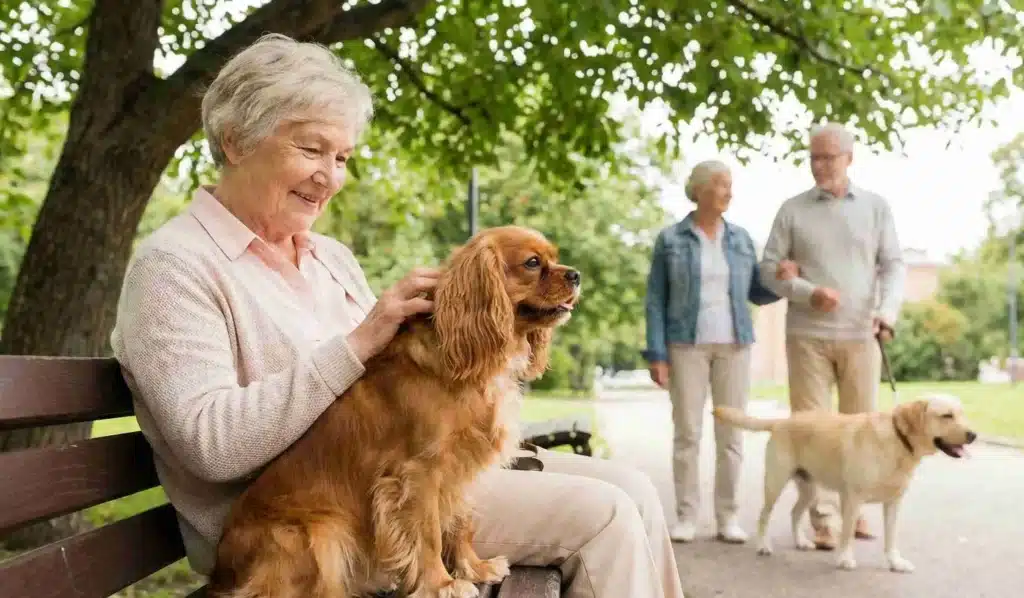
Table of Contents
Why the Right Dog Matters for Older Adults
A dog that’s too high-energy for your lifestyle isn’t just exhausting — it can become a safety risk. Large, exuberant breeds can accidentally knock over an older adult while jumping. High-strung dogs that need hours of daily exercise can strain joints and increase stress instead of reducing it.
On the flip side, a well-matched dog is transformative. Research published by the American Heart Association found that pet ownership is linked to reduced cardiovascular risk. The AVMA also notes that the human-animal bond positively impacts mental health, especially for people living alone.
The goal is a companion that brings warmth, not worry. That means thinking carefully about size, temperament, exercise needs, grooming requirements, and health costs before you commit.
Understanding What “Senior-Friendly” Really Means
Not every calm dog is automatically right for a senior, and not every small dog is easy to handle. Here’s what the term actually covers:
Energy level is the biggest factor. You want a dog that’s happy with one or two moderate walks a day and plenty of indoor cuddle time — not a border collie counting down the minutes until its next agility session.
Size matters for safety. A 70-pound dog that pulls on a leash can cause real harm. Most senior-friendly breeds fall in the 8–30 pound range, though some gentle larger breeds work well too for active seniors.
Grooming needs affect daily commitment. Some low-shedding breeds still need regular professional grooming. Others are wash-and-go easy. Be realistic about what you can manage — and budget for.
Temperament and trainability shape daily life. Biddable, people-oriented breeds adapt quickly and respond well to gentle training, which matters a lot when you’re establishing a new routine together. If your puppy is learning the ropes, a solid leash training foundation will make every walk safer and more enjoyable from day one.
Common Mistakes Seniors Make When Choosing a Dog (and Fixes)
- Choosing based on looks alone. A fluffy Husky is beautiful — but its exercise demands are intense. The fix: research the breed’s energy level thoroughly before falling in love with a photo.
- Underestimating grooming costs. Long-coated breeds need professional grooming every 6–8 weeks. The fix: factor monthly grooming into your budget before choosing.
- Getting a puppy when an adult dog makes more sense. Puppies are demanding, need constant supervision, and bite (a lot). The fix: consider adopting a 2–5 year old dog that’s already past the chaos phase. Understanding puppy behavior problems and solutions can help if you do go the puppy route.
- Ignoring breed-specific health costs. Brachycephalic (flat-faced) breeds like Pugs often have significant vet bills. The fix: ask about common health issues and research breed-typical vet costs before deciding.
- Picking a dog that’s too large. Even “gentle giants” can accidentally knock someone over. The fix: unless you’re active and physically confident handling a bigger dog, stick to breeds under 30 pounds.
- Skipping socialization. A dog that wasn’t socialized properly can be anxious and reactive. The fix: choose from reputable breeders or shelters that document temperament and early socialization history.
- Not considering their own future care needs. What happens to the dog if your circumstances change? The fix: have a plan — a family member, trusted friend, or rescue organization willing to step in if needed.
The Best Dog Breeds for Seniors
1. Cavalier King Charles Spaniel
There’s a reason Cavaliers consistently top “best dogs for seniors” lists. They’re silky-soft, endlessly affectionate, and genuinely content to spend most of the day on your lap. They need only short walks and love watching TV beside you as much as anything else. They do shed somewhat and need regular brushing, but their sweet, non-demanding personality more than makes up for it.
According to the AKC, Cavaliers are known for their adaptability and gentle nature — they get along with nearly everyone and rarely bark excessively.
2. Shih Tzu
The Shih Tzu was literally bred to be a companion dog for Chinese royalty, and it shows. These little dogs are happy in apartments, love being close to their person, and rarely need more than a short daily stroll. Their long coat requires regular grooming (most owners keep them in a “puppy cut” for ease), but their laid-back temperament is perfect for quieter households.
3. Bichon Frisé
If mild allergies are a concern, the Bichon Frisé is one of the better choices. Their soft, curly coat sheds minimally, making them a solid pick for seniors who want a fluffy dog without the constant vacuuming. Bichons are cheerful, playful without being frantic, and tend to be very adaptable whether you live in an apartment or a house with a small yard.
4. Maltese
The Maltese is tiny — usually under 7 pounds — but carries itself with quiet confidence. They bond deeply with one or two people and are gentle, responsive, and easy to manage physically. They’re light enough to carry if needed, which matters in some situations. Regular coat brushing is a must, but many owners enjoy the bonding time.
5. Poodle (Miniature or Toy)
Poodles are one of the most intelligent breeds in the world, which makes them remarkably easy to train. Miniature Poodles (10–15 lbs) and Toy Poodles (under 10 lbs) combine low-shedding coats with sharp minds and warm personalities. They enjoy activity but don’t require it obsessively, making them flexible companions.
6. Pomeranian
Pomeranians are spirited little dogs with big personalities packed into a tiny frame. They’re alert, affectionate, and love learning new things. Their exercise needs are modest — a 20-minute walk twice a day suits them well. They do bark more than some breeds, so apartment dwellers should keep that in mind. Their thick double coat requires brushing a few times a week.
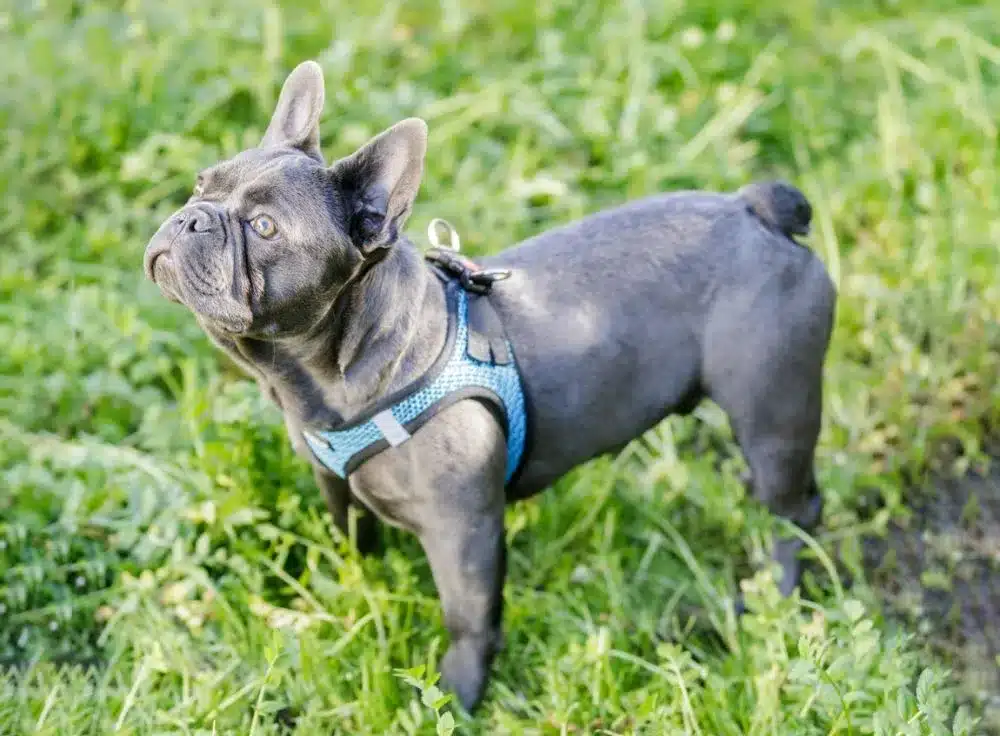
7. French Bulldog
Frenchies are quiet, low-energy, and deeply people-focused. They rarely need more than a couple of short walks and are perfectly happy indoors. Their flat faces mean you should never over-exercise them in heat. Vet costs can run higher with this breed due to their brachycephalic anatomy, so pet insurance is worth exploring — our guide on pet insurance coverage breaks down exactly what plans typically cover and how to choose the right one.
8. Yorkshire Terrier
Yorkies are one of the most popular small dogs in the world for good reason. They’re confident, affectionate, and portable. Their silky coats are low-shedding, which helps with indoor cleanliness. Yorkies are more energetic than some on this list, so they’re best for seniors who enjoy regular short walks but don’t want a high-maintenance dog overall.
9. Pembroke Welsh Corgi
For the more active senior, Corgis are a fantastic option. They’re herding dogs at heart, so they have more energy than the toy breeds above — but they’re also famously good-natured, trainable, and medium-sized (25–30 lbs). They respond beautifully to consistent positive training and thrive when given a daily walk and some puzzle toys to keep their minds busy.
10. Greyhound (Retired Racing)
This one surprises people. Greyhounds have a reputation for speed, but retired racing greyhounds are famously calm, quiet couch potatoes who are happy with two short walks a day. They’re gentle giants — usually 60–70 lbs — with short coats that require almost no grooming. They’re among the calmest, most laid-back large dogs you’ll find.
11. Basset Hound
Basset Hounds are easygoing, low-energy, and delightfully unhurried — much like their famous long ears. They enjoy a moderate walk but are just as happy napping beside you for hours. They do drool a bit and have some stubbornness, but their calm, sweet temperament makes them a reliable senior companion.
12. Havanese
Cuba’s national dog is small, social, and wonderfully trainable. Havanese dogs are alert without being anxious, playful without being hyperactive, and deeply devoted to their families. Their silky coat sheds minimally, and they adapt well to apartments. Many seniors fall hard for this breed once they meet one.
Product Integration: Setting Your New Dog Up for Comfort
The Problem: Older Joints Need Proper Rest
Whether you adopt a senior dog or a breed prone to joint issues as they age (like Corgis and Cavaliers), joint discomfort is something many dogs face. A dog that doesn’t sleep well or rests on hard floors develops stiffness that affects their mood and mobility — which directly affects how easy and enjoyable they are to live with.
A quality orthopedic bed makes a real difference. And if your dog is showing early signs of stiffness, supporting joint health proactively is smart.
PetFusion Ultimate Dog Bed (Orthopedic Memory Foam) is one of the most trusted options on the market for dogs of all sizes. The solid memory foam base reduces pressure on joints, the waterproof liner handles accidents easily, and the breathable cotton cover is removable and machine-washable — a huge practical win. It’s available in multiple sizes so it works for a 10-pound Maltese or a 70-pound Greyhound. The main limitation: it’s not cheap, but the durability and washability make it genuinely cost-effective over time. Ideal for senior dogs, larger breeds, and any dog recovering from joint discomfort.
CHECK PRICE ON AMAZON: https://amzn.to/46TYkQO
The Problem: Joint Health as Dogs Age
Many senior-friendly breeds — especially Cavaliers, Corgis, and Poodles — are prone to hip and joint issues as they get older. Supporting joint health with a quality supplement early can slow deterioration and keep your companion comfortable and mobile for longer.
Wuffes Advanced Dog Hip and Joint Supplement combines glucosamine, chondroitin, omega-3, MSM, and green-lipped mussel in pork-flavored chews that most dogs eat eagerly. It’s formulated specifically for small and medium breeds, which covers most senior-friendly dogs perfectly. The combination of ingredients targets cartilage, inflammation, and lubrication simultaneously. One honest limitation: results take 4–6 weeks of consistent use before you’ll notice a difference, so patience is required. But for proactive joint care, this is a solid, veterinarian-trusted choice.
CHECK PRICE ON AMAZON: https://amzn.to/4aRkWUs
Step-by-Step: How to Choose the Right Dog for Your Life
- Assess your daily activity level honestly. How far do you walk? Do you have stairs? How much time can you realistically dedicate to exercise each day?
- Consider your living situation. Apartment dwellers should lean toward quieter, smaller breeds. House with a yard? A bit more flexibility opens up.
- Think about your budget. Factor in food, vet visits, grooming, bedding, toys, and pet insurance. Some breeds cost more to maintain than others.
- Decide: puppy or adult dog? Adult dogs aged 2–5 are often calmer and already housetrained. Puppies require much more time and energy. Our deep dive into adopting a dog walks through everything you need to know before bringing a rescue home.
- Visit or meet the dog before committing. Spend time with the individual animal, not just the breed. Temperament varies widely even within the same breed.
- Prepare your home. Set up a comfortable bed, food and water station, and a safe, accessible space for your new dog before they arrive.
- Create a routine immediately. Dogs thrive on predictability. Set consistent feeding, walk, and sleep times from day one.
- Book a vet visit within the first week. Establish a health baseline, discuss vaccination schedules, and ask about any breed-specific concerns.
Troubleshooting Common Issues
- If your new dog seems anxious at first: Give them time to settle. Avoid overwhelming with visitors or new experiences in the first two weeks. Calm, consistent routines help enormously.
- If your dog is barking excessively: Rule out medical causes first. Then look at exercise, mental stimulation, and whether they’re left alone for too long.
- If your dog seems lethargic or is limping: Don’t wait. See a vet. Our guide on dog limping and its causes helps you understand what different types of limping might mean before your appointment.
- If grooming is becoming difficult: Ask your vet about mobile or in-home grooming services. Many groomers offer senior-friendly options.
- If the dog is pulling on leash: Switch to a front-clip harness and practice short, positive sessions. Most small breeds respond quickly.
- If your dog seems stressed during car travel: Ease into it gradually and consider calming aids. Short trips to pleasant places (not just the vet) build positive associations.
When to See a Professional
Seek veterinary guidance if your dog:
- Stops eating for more than 24 hours
- Shows sudden changes in behavior, lethargy, or mobility
- Has persistent coughing, vomiting, or diarrhea
- Develops unusual lumps, skin changes, or eye discharge
- Seems to be in pain when touched or during movement
For behavior issues beyond basic training — persistent anxiety, resource guarding, or reactivity — consider a certified professional dog trainer or veterinary behaviorist. This is general health guidance and not a substitute for a professional veterinary diagnosis.
Expert Opinion
Veterinary professionals consistently emphasize matching lifestyle to breed rather than choosing based on aesthetics alone. According to the American Veterinary Medical Association (AVMA), a dog’s temperament, size, and energy level should align with the owner’s physical capacity and home environment to ensure long-term welfare for both the pet and the owner.
The AKC recommends that seniors consider not just breed traits, but the individual dog’s history and personality — particularly with rescue animals. An older dog that has already lived in a calm home often transitions smoothly into a quieter senior household, requiring less adjustment time than a puppy.
Veterinarians also note that dogs provide measurable health benefits: routine walks encourage physical activity, and the presence of a pet has been linked to lower cortisol levels and improved mood in older adults — particularly those living alone.
Frequently Asked Questions
What is the best small dog for a senior citizen? The Cavalier King Charles Spaniel and Shih Tzu are consistently top picks. Both are affectionate, low-energy, and manageable in size. They adapt easily to apartment living and love calm, close companionship.
Are dogs good for seniors living alone? Yes. Research shows pet ownership reduces loneliness, encourages routine, and provides emotional support. Dogs also provide light daily exercise and a sense of purpose, which positively impacts mental and physical health.
What dog breeds are easiest to take care of for seniors? Bichon Frisé, Maltese, and French Bulldogs are among the easiest. They have modest exercise needs, adapt to apartments, and don’t require intense grooming or training.
Is it a good idea for an elderly person to get a puppy? Not usually. Puppies require intensive supervision, training, and energy. Most experts recommend seniors adopt adult dogs aged 2–5, which are calmer and often already housetrained.
What are low-maintenance dog breeds for seniors? French Bulldogs, Basset Hounds, retired Greyhounds, and Cavaliers are all relatively low-maintenance. They need moderate grooming, short walks, and plenty of quiet downtime.
How big should a senior’s dog be? Under 30 pounds is generally safest and easiest to manage. Smaller dogs are easier to lift, less likely to cause falls, and less physically demanding overall.
What is the calmest dog for a senior? Retired racing Greyhounds are surprisingly calm indoors. Basset Hounds and Cavalier King Charles Spaniels are also among the most serene breeds day-to-day.
Can seniors adopt a senior dog? Absolutely — and many shelters actively encourage it. Older dogs are calmer, already trained, and often overlooked. They frequently make the most peaceful, grateful companions.
Are Poodles good for seniors? Yes. Miniature and Toy Poodles are intelligent, low-shedding, affectionate, and trainable — making them one of the most versatile and senior-friendly breeds available.
What dog is best for a senior with limited mobility? Shih Tzus, Maltese, and Cavaliers require minimal physical exertion from their owners. They’re happy with short walks and lots of indoor time, making them ideal for seniors with mobility challenges.
Conclusion
The best dogs for seniors aren’t defined by breed rankings alone — they’re defined by the match between a dog’s personality and your lifestyle. Whether you want a lap dog that barely leaves your side or a gentle medium-sized companion for daily walks, there’s a breed on this list that will fit beautifully into your life. Start by being honest about your energy level, living space, and budget, then let those factors guide your choice. Consider adopting an adult dog — they often bring all the love with a fraction of the chaos. Set your new companion up with a comfortable orthopedic bed, quality nutrition, and regular vet care, and you’ll have a loyal, loving friend who genuinely improves your daily life. Ready to take the first step? Start with a visit to your local shelter or a reputable breed-specific rescue — your perfect companion might already be waiting.