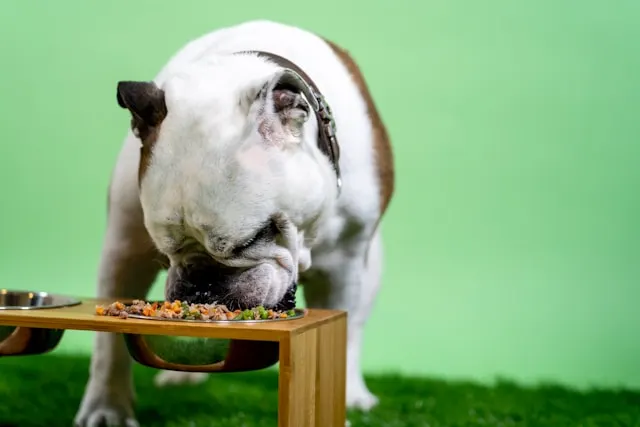
You’re enjoying a peaceful walk in the park when your dog suddenly dips their head and starts chomping on a patch of grass like it’s a five-star salad bar. You tug the leash, they tug back, and you’re left wondering if something is seriously wrong. If you’ve ever asked yourself why do dogs eat grass, you’re far from alone. It’s one of the most common concerns dog owners bring up at vet visits, and the truth behind it is more nuanced than you might expect.
Quick Answer
Dogs eat grass for a variety of reasons, including instinct, boredom, mild stomach discomfort, or simply because they enjoy the taste and texture. In most cases, occasional grass eating is a normal canine behavior and not a cause for alarm. It becomes a concern only when it’s frequent, compulsive, or followed by consistent vomiting. Dogs of all breeds and ages do it, so understanding the “why” helps you decide when to relax and when to act.
TL;DR: Most dogs eat grass out of instinct or mild tummy trouble, and it’s usually harmless. Watch for frequent vomiting, lethargy, or sudden changes in the habit. If those show up, a vet visit is the smart move.
Key Takeaways
- Grass eating is normal canine behavior rooted in ancestral instincts and is seen in wild canids too.
- Stomach upset is only one possible reason. Boredom, dietary gaps, and taste preference are equally common triggers.
- Occasional grass eating rarely needs treatment. Frequent or compulsive grazing paired with vomiting or diarrhea warrants a vet check.
- Pesticides and herbicides are the real hidden danger. Always know what’s been sprayed on the grass your dog accesses.
- Simple dietary adjustments and mental enrichment can reduce or eliminate the behavior in most dogs.

Table of Contents
Why Dogs Eating Grass Matters More Than You Think
It’s tempting to shrug off grass eating as “just a dog thing.” And honestly, most of the time it is. But dismissing it entirely can mean missing early signals your dog is trying to send you.
Frequent grass eating followed by vomiting can point to chronic stomach irritation, acid reflux, or even inflammatory bowel disease. Dogs that suddenly start devouring grass when they never did before may be dealing with a dietary deficiency or a new food sensitivity. According to the American Kennel Club, studies show that fewer than 25% of dogs vomit after eating grass, which challenges the popular “they eat it to throw up” theory.
There’s also a safety angle. Grass in public parks, sidewalk strips, and even some backyards may be treated with pesticides, herbicides, or fertilizers. These chemicals can cause anything from mild mouth irritation to serious toxicity. So while the behavior itself is usually benign, the environment where it happens can introduce real risk.
The bottom line: understanding why your dog eats grass lets you separate the harmless habit from the warning sign.
The Real Reasons Dogs Eat Grass
So what’s actually going on when your dog turns into a tiny grazing animal? Researchers and veterinarians point to several explanations, and most dogs are motivated by more than one.
Ancestral instinct is the foundation. Wild canids like wolves and coyotes eat plant matter regularly. Researchers at the University of California, Davis found that grass eating is present in wild wolf populations and appears to serve a role in intestinal parasite management. Your domesticated dog still carries that deep-rooted programming.
Taste and texture are simpler explanations that owners often overlook. Some dogs genuinely enjoy the flavor of fresh grass, especially young spring shoots. It’s crunchy, it’s interesting, and for a sensory-driven animal, that’s enough motivation.
Mild stomach discomfort does play a role for some dogs. When a dog feels nauseous or gassy, the physical texture of grass can trigger a gag reflex that helps them vomit. But here’s the important distinction: most dogs who eat grass do NOT vomit afterward. So it’s not always about settling a sore belly.
Dietary fiber gaps are an underappreciated cause. Dogs on low-fiber diets may instinctively seek out roughage. If your dog’s food is heavy on protein and light on fiber, that patch of grass becomes an appealing supplement. Adding nutrient-dense superfoods to your dog’s meals can sometimes reduce the grazing impulse significantly.
Boredom and anxiety round out the list. Dogs left in the yard with nothing to do may eat grass simply because it’s there. It’s a self-soothing behavior, similar to how a bored dog might chew on furniture or lick their paws obsessively. If your dog is also constantly licking their paws, boredom or anxiety could be driving both behaviors.
Common Mistakes Dog Owners Make (and How to Fix Them)
Even well-meaning owners can mishandle grass eating. Here are the most frequent missteps and the simple corrections that work.
- Panicking every time your dog nibbles grass. Occasional grazing is normal and doesn’t require an emergency vet call. The fix: observe the frequency and what happens afterward before reacting.
- Punishing or yanking the leash aggressively. This creates anxiety around a natural behavior and can make the problem worse. The fix: redirect with a treat or “leave it” command trained through positive reinforcement.
- Assuming the dog is self-medicating. Many owners believe every grass-eating episode means nausea. The fix: track whether vomiting actually follows. In most cases, it won’t.
- Ignoring pesticide exposure. Letting your dog graze freely on treated lawns is genuinely dangerous. The fix: avoid areas you know are treated, and consider growing a small pet-safe grass patch at home.
- Overlooking dietary quality. Cheap, filler-heavy kibble can leave nutritional gaps that drive grass seeking. The fix: evaluate your dog’s food for fiber content and overall nutritional balance. If your dog also has food sensitivities or allergies, a diet change may resolve both problems at once.
- Failing to provide mental stimulation. A bored dog will find something to do, and grass is right there. The fix: add puzzle toys, training sessions, and longer walks to the daily routine.
When a Digestive Boost Can Help
If your dog eats grass frequently and you’ve noticed occasional loose stools, gas, or mild tummy rumbles, the issue may be digestive rather than behavioral. Dogs with imbalanced gut flora often seek out plant matter instinctively, almost like a crude form of self-medication.
A high-quality probiotic can help restore that balance and reduce the urge to graze. Purina Pro Plan FortiFlora is one of the most widely recommended options by veterinarians. It contains a guaranteed level of live beneficial microorganisms and is specifically formulated for dogs with digestive upset. Each packet mixes easily into your dog’s regular food. It’s especially helpful for dogs who’ve recently been on antibiotics, switched foods, or deal with recurring soft stools. The one limitation is that it comes in individual packets rather than a resealable tub, which some owners find less convenient for multi-dog households.
CHECK PRICE ON AMAZON: https://amzn.to/3ZySvV4
If your dog’s grass eating seems connected to more serious digestive symptoms, our guide on dog diarrhea causes and home treatment walks you through what to watch for and when home care is enough.
Filling Nutritional Gaps That Drive Grass Eating
Sometimes the grass-eating habit is your dog’s way of saying their diet is missing something. This is especially true for dogs on homemade diets, budget kibble, or food that hasn’t been adjusted for their life stage.
A well-rounded multivitamin can cover the micronutrient gaps that even decent commercial diets sometimes leave. Googipet Premium Dog Multivitamin is a chewable supplement that combines probiotics for gut health, vitamin C for immune support, and glucosamine for joint maintenance in a single daily chew. It’s designed for puppies through seniors, so you don’t need to buy separate formulas as your dog ages. Dogs tend to accept the chicken flavor easily. The honest downside is that the chews are on the larger side, which may need breaking in half for toy breeds.
CHECK PRICE ON AMAZON: https://amzn.to/3ZzV6OD
If you want a deeper look at what supplements actually do for dogs and which ones are worth the money, our complete dog supplements guide covers everything from omega-3s to joint support.
How to Reduce Grass Eating: Step-by-Step
Follow these steps in order. Each one addresses a different potential cause, so work through them systematically rather than jumping straight to the vet.
- Track the behavior for one week. Note when your dog eats grass, how much, and whether vomiting or diarrhea follows. A pattern often reveals the cause faster than guessing.
- Review your dog’s current diet. Check the fiber content on the label. Dogs need moderate fiber for healthy digestion. Look for foods listing whole grains, sweet potatoes, or pumpkin in the first several ingredients.
- Add a fiber source to meals. Plain canned pumpkin (not pie filling) is the easiest option. Start with one tablespoon for medium dogs, two for large breeds. Most dogs love the taste, and it often reduces grass-seeking within days.
- Increase daily exercise and mental stimulation. Add 15 to 20 minutes to your walk or introduce interactive puzzle toys that challenge your dog’s brain. Boredom-driven grass eating often stops once the dog has better outlets.
- Train a reliable “leave it” command. Practice at home first with treats, then apply it on walks when your dog moves toward grass. Reward the redirect generously.
- Create a safe grazing option. If your dog simply enjoys eating greens, grow a small tray of wheatgrass or barley grass indoors. It satisfies the instinct without the pesticide risk.
- Monitor for two to three weeks. If the behavior decreases, you’ve likely found the cause. If it persists or worsens, move to the next step.
- Schedule a vet visit if the behavior is compulsive. Compulsive grass eating paired with vomiting, weight loss, or behavior changes needs professional evaluation to rule out gastrointestinal issues.
Troubleshooting: Quick If/Then Scenarios
- If your dog eats grass once or twice a week and seems fine afterward, then it’s likely normal behavior. No action needed beyond monitoring.
- If your dog eats grass and vomits every time, then chronic nausea, acid reflux, or a food intolerance may be the cause. A vet exam with bloodwork is smart. Dogs that are also throwing up yellow bile on empty stomachs need attention sooner rather than later.
- If grass eating started suddenly after a food change, then the new food may be causing stomach upset. Return to the previous diet and transition more gradually over 7 to 10 days.
- If your dog obsessively seeks grass and ignores commands, then pica (compulsive eating of non-food items) or a GI condition should be ruled out by your veterinarian.
- If your dog only eats grass in the yard but never on walks, then boredom is the most likely driver. Increase outdoor enrichment activities.
- If your dog eats grass and also has diarrhea or blood in stool, then skip the home remedies and see your vet immediately. This combination can indicate parasites, infections, or more serious intestinal problems.
When to See a Veterinarian
Most grass eating doesn’t need a vet visit. But certain red flags should move you from “wait and watch” to “call the clinic.”
See your vet if your dog eats grass compulsively and can’t be redirected. Also seek help if grass eating is consistently followed by vomiting, especially multiple times per week. Sudden weight loss, lethargy, or changes in appetite alongside grass eating warrant professional evaluation. Blood in the vomit or stool after grazing episodes is always urgent.
If your dog has eaten grass from an area you suspect was treated with chemicals, contact your vet or the ASPCA Animal Poison Control Center (888-426-4435) immediately. Symptoms of pesticide ingestion include excessive drooling, tremors, difficulty breathing, and seizures.
Remember: this article provides general health information and is not a substitute for professional veterinary diagnosis or treatment. When in doubt, your vet is always the right call.
What Veterinary Experts Say About Grass Eating
The veterinary consensus on grass eating has shifted significantly over the past decade. The old explanation that dogs eat grass exclusively to induce vomiting has been largely debunked by research. A widely cited study published in the journal Applied Animal Behaviour Science surveyed over 1,500 dog owners and found that grass eating was common across all breeds and diets, with the vast majority of dogs showing no signs of illness beforehand and no vomiting afterward.
Veterinarians now view grass eating as a multifactorial behavior. The American Veterinary Medical Association recognizes that dietary, behavioral, and instinctual components all contribute. Most veterinary professionals recommend concern only when the behavior is new, compulsive, or accompanied by other symptoms. As a general rule, if your dog is eating grass casually, maintaining a healthy weight, and acting normally in every other way, the behavior is well within the range of typical canine conduct.
Frequently Asked Questions
Is it safe for dogs to eat grass every day?
For most dogs, daily grass nibbling is harmless as long as the grass is untreated with chemicals. Watch for vomiting or digestive changes. If your dog seems healthy otherwise, daily grazing alone isn’t a concern.
Does eating grass mean my dog is sick?
Not usually. While some dogs eat grass when nauseous, research shows most grass-eating dogs aren’t ill. It’s more often driven by instinct, boredom, or taste preference than sickness.
Can grass cause intestinal blockage in dogs?
It’s rare but possible if a dog consumes large amounts of long grass blades. These can occasionally tangle in the intestines. Small, casual amounts pose minimal risk.
Should I stop my dog from eating grass?
Only if the grass is chemically treated or if your dog vomits consistently afterward. Otherwise, occasional grazing is a normal behavior you can safely allow.
Why does my dog eat grass and then throw up?
The rough texture of grass can tickle the throat and stomach lining, triggering a vomit reflex. Some dogs may intentionally do this to relieve nausea, but most grass eaters don’t vomit at all.
Does grass eating mean my dog needs more fiber?
It can. Dogs on low-fiber diets sometimes seek out roughage instinctively. Adding pumpkin or a fiber-rich food to meals often reduces grass eating if fiber was the missing piece.
Is wet grass more dangerous than dry grass?
Wet grass itself isn’t more dangerous, but damp conditions increase the risk of harboring parasites like roundworm larvae and bacteria. Be more cautious about grazing after rain in shared outdoor spaces.
Can puppies eat grass safely?
Puppies can eat small amounts of untreated grass, but their developing immune systems are more vulnerable to parasites and chemicals. Supervise closely and redirect when possible.
What grass alternatives can I give my dog?
Wheatgrass, barley grass, and plain canned pumpkin are safe alternatives that satisfy the craving. You can grow wheatgrass indoors in a small tray for a pesticide-free option.
When should I worry about my dog eating grass?
Worry if the behavior is sudden, compulsive, or paired with vomiting, diarrhea, weight loss, or lethargy. These combinations signal a possible underlying health issue that needs veterinary attention.
Final Thoughts on Why Dogs Eat Grass
Understanding why dogs eat grass takes most of the worry out of watching it happen. In the vast majority of cases, your dog is simply following an ancient instinct, enjoying a texture, or looking for a little extra fiber. The behavior becomes a concern only when it’s compulsive, consistent, or paired with symptoms like vomiting, diarrhea, or weight loss.
Your best move is to start with the basics. Make sure your dog’s diet is nutritionally complete, keep them mentally stimulated, and avoid letting them graze on chemically treated lawns. Track the behavior for a week or two before making any big changes. If everything else about your dog looks healthy, a few bites of grass on a walk are nothing to lose sleep over.
The single most important takeaway? Know the difference between casual nibbling and a dog that can’t stop. That awareness alone puts you ahead of most owners and keeps your pup safe. If anything feels off, your veterinarian is the best next step.