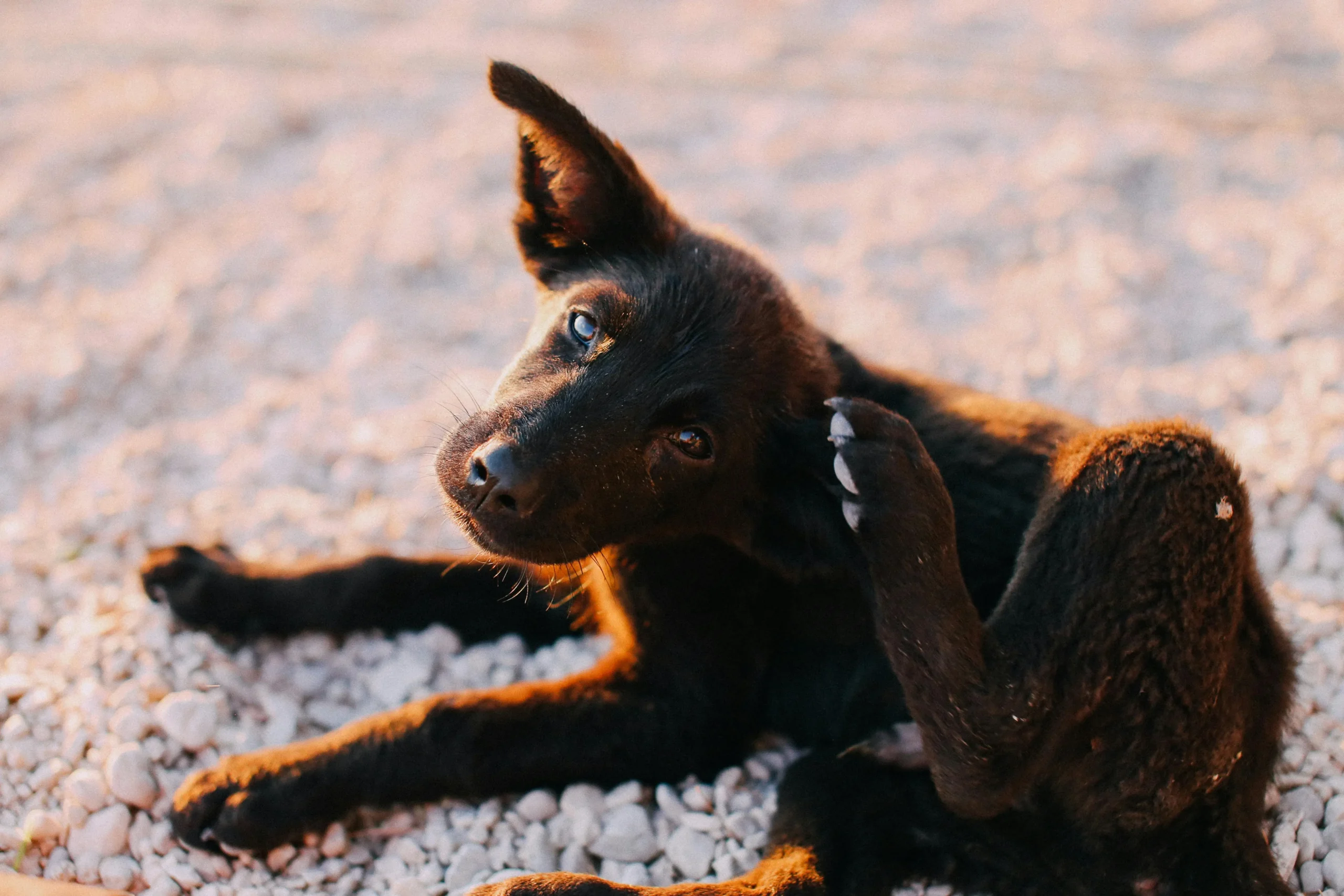
Your eight-week-old puppy just chewed through your favorite sneaker, and you’re wondering if this destructive phase will ever end. The constant gnawing, whining, and drool-soaked toys have you at your wit’s end. Understanding when do puppies stop teething helps you prepare for the journey ahead and gives you tools to ease your pup’s discomfort.
Quick Answer
Most puppies stop teething between 6 and 8 months of age, once all 42 adult teeth have erupted and replaced their 28 baby teeth. The process typically begins around 3-4 weeks and progresses through distinct stages, with the most intense chewing phase occurring between 12 and 24 weeks.
TL;DR: Puppy teething ends by 6-8 months. Provide appropriate chew toys, frozen treats, and patience to help them through the painful gum inflammation that peaks around 3-6 months.
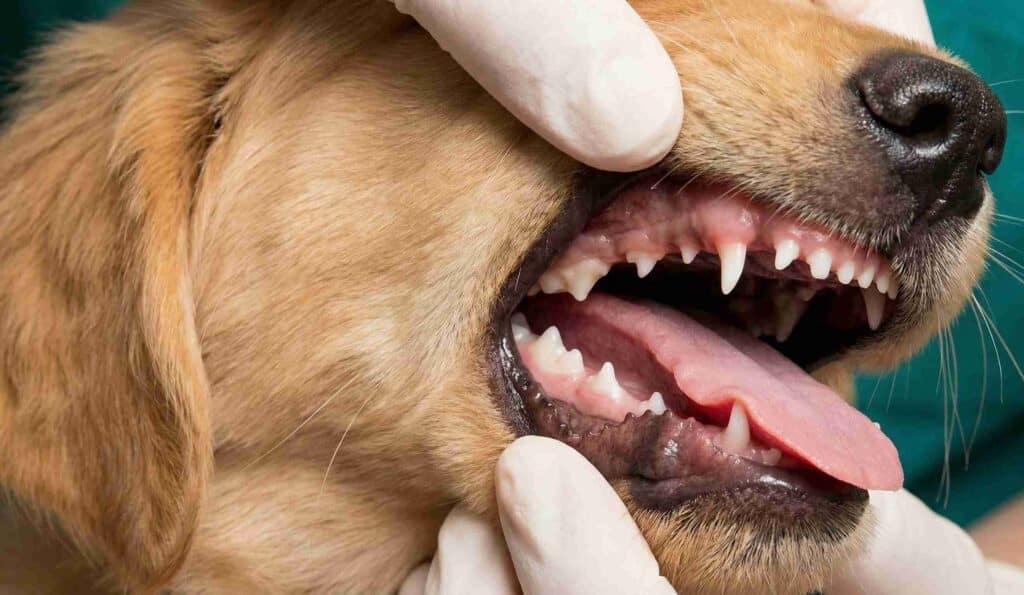
Table of Contents
Key Takeaways
- Teething ends by 6-8 months when all adult teeth finish erupting
- Peak discomfort occurs at 12-24 weeks when puppies lose incisors and premolars
- Frozen toys and treats provide immediate gum relief during painful flare-ups
- Inappropriate chewing on furniture or hands signals inadequate outlet options
- Retained baby teeth past 8 months require veterinary extraction to prevent crowding
Why Teething Matters
Teething isn’t just about tooth replacement—it’s a critical developmental window that shapes your dog’s lifelong chewing habits. Puppies who don’t receive proper outlets during teething often develop destructive behaviors that persist into adulthood.
The discomfort from erupting teeth causes significant inflammation in your puppy’s gums. Without relief, some puppies become reluctant to eat, leading to nutritional gaps during crucial growth periods. Others may develop anxiety around mouth handling, making future dental care difficult.
Retained baby teeth create another concern. When adult teeth erupt before baby teeth fall out, crowding and misalignment result. This leads to increased plaque buildup, gum disease, and painful orthodontic issues that require surgical intervention.
According to the American Kennel Club, establishing healthy chewing patterns during teething prevents an estimated 60% of destructive behavior complaints in adult dogs. The habits your puppy forms now become deeply ingrained neural pathways.
The Puppy Teething Timeline
Birth to 3 Weeks: No Visible Teeth
Puppies are born toothless, relying entirely on nursing. Their gums remain soft and smooth during this period.
3-4 Weeks: Baby Incisors Emerge
The first baby teeth—incisors at the front—break through the gums. You’ll notice tiny white points when puppies start play-biting their littermates. These 12 incisors (6 upper, 6 lower) appear rapidly within days of each other.
4-6 Weeks: Canines and Premolars Arrive
The sharp canine teeth (fangs) erupt next, followed by premolars along the sides. By 6 weeks, puppies have all 28 baby teeth. This is when breeders typically begin introducing softened puppy food.
12-16 Weeks: Incisor Replacement Begins
Adult incisors start pushing through, causing baby incisors to loosen and fall out. This stage brings the first noticeable increase in chewing behavior. Your puppy’s gums become red and swollen, and you may find tiny teeth on the floor.
This is also when many puppies are ready to venture outside safely after completing their initial vaccination series. The combination of teething discomfort and newfound outdoor freedom means you’ll need extra vigilance about what your puppy puts in their mouth.
16-20 Weeks: Peak Teething Discomfort
Adult premolars and molars erupt simultaneously with canine replacement. This is the most painful phase—puppies may drool excessively, lose appetite temporarily, and chew anything within reach. Some puppies run low-grade fevers (under 103°F) during this period.
Many owners notice their puppy’s biting intensity increases dramatically during these weeks. While teething contributes to this behavior, it’s also a critical window for teaching bite inhibition before adult teeth fully develop.
20-24 Weeks: Final Molars Emerge
The back molars complete the adult set. Chewing intensity remains high but gum inflammation begins subsiding. Your puppy should have 42 adult teeth by now.
6-8 Months: Teething Complete
All adult teeth have erupted and settled into final positions. Gums return to healthy pink color, and excessive chewing diminishes. Some large breeds may continue until 9 months. This milestone often coincides with completing your puppy’s vaccination schedule, marking the end of two major developmental phases.
Breed-Specific Variations
Toy breeds (Chihuahuas, Yorkies, Pomeranians) often finish teething by 5-6 months but have higher rates of retained baby teeth requiring veterinary extraction.
Giant breeds (Great Danes, Mastiffs, Saint Bernards) may not complete teething until 9-10 months due to slower jaw development and larger tooth size. If you’re considering one of these gentle giants, budget extra time and patience for the teething phase.
Brachycephalic breeds (Bulldogs, Pugs, Boston Terriers) frequently experience crowding issues and may need orthodontic intervention around 8-12 months.
Signs Your Puppy Is Teething
Recognizing teething symptoms helps you distinguish normal behavior from potential health problems.
Physical Signs
Excessive drooling: Saliva production increases to soothe inflamed gums. You’ll notice wet patches on bedding and floors.
Red, swollen gums: Healthy puppy gums are light pink. During teething, they appear bright red or purple, especially around erupting teeth.
Bleeding spots: Small blood spots on toys or in food bowls are normal as baby teeth loosen. Heavy bleeding warrants a vet check.
Visible loose teeth: Baby teeth wobble before falling out. Never pull them—let them fall naturally to avoid root damage.
Bad breath: Temporary bad breath occurs from bacteria accumulating around loose teeth and inflamed gums.
Behavioral Changes
Increased chewing intensity: Puppies chew constantly to relieve pressure. They target furniture legs, baseboards, shoes, and even walls. This destructive behavior represents a normal response to pain, not deliberate misbehavior that requires punishment.
Mouth sensitivity: Some puppies resist mouth handling or become snappy when you touch their faces. This isn’t aggression—it’s pain response.
Appetite fluctuations: Hard kibble hurts tender gums. Puppies may eat slower, leave food, or prefer softer options during peak discomfort.
Sleep disruption: Gum pain wakes puppies during the night. You might hear whining from the crate or find them chewing at 3 AM. While teething contributes to nighttime restlessness, establishing consistent sleep routines helps puppies cope better with discomfort.
Play-biting increases: Puppies mouth hands, arms, and clothing more frequently. They’re seeking pressure relief, not being aggressive.
One client’s Golden Retriever puppy went through an entire chair leg at 16 weeks. The owner thought it was behavioral defiance, but examination revealed severely inflamed gums with three adult molars erupting simultaneously.
Best Teething Relief Products
The right toys and treats make teething manageable for both you and your puppy. For puppies who destroy standard toys within minutes, you may need options designed for aggressive chewers.
KONG Puppy Toy – Pink Large
The KONG Puppy Toy remains the gold standard for teething relief. Made from soft rubber formulated specifically for puppy teeth and gums, it provides satisfying resistance without damaging emerging adult teeth.
This toy works best when stuffed with frozen wet puppy food, yogurt, or mashed banana. The cold numbs inflamed gums while the chewing action provides counter-pressure that relieves eruption pain. Its erratic bounce pattern keeps puppies engaged for 20-30 minutes of focused chewing.
The honest limitation: Small puppies (under 10 pounds) sometimes struggle to grip the large size. The KONG brand offers smaller sizes for toy breeds.
Ideal for: All breed sizes from 8 weeks through teething completion; especially helpful during the 16-24 week peak pain phase.
Nylabone Puppy Starter Kit
Nylabone Puppy Starter Kit offers multiple textures in one convenient 3-pack—essential because puppies often prefer different surfaces depending on which teeth are erupting. The set includes long-lasting chicken and bacon flavored chews that massage gums while the varying hardness levels accommodate different pain thresholds.
These toys are sized specifically for puppy mouths and softer than adult Nylabones. The natural flavors encourage sustained chewing, redirecting your puppy from furniture and personal items. Each toy lasts 3-6 weeks with normal use for small dogs up to 25 pounds.
One drawback: Some puppies gnaw off small pieces. Supervise chewing sessions and discard toys once they develop sharp fragments or reduce to less than 2 inches.
Best for: Puppies who need variety; works especially well for small to medium breeds from 12 weeks onward.
Puppy Teething Toys 5 Pack
The Puppy Teething Toys 5 Pack combines rubber and rope textures in bright green for high visibility. This durable set includes various shapes—rope tugs, rubber rings, and textured balls—that provide comprehensive teething relief while doubling as interactive play toys.
The rope fibers gently floss between teeth while the rubber components massage inflamed gums. These toys excel during the 16-24 week window when gum inflammation peaks. The variety keeps puppies engaged and prevents boredom with a single texture.
The limitation: Best for supervised play sessions. The rope can fray with aggressive chewing, and puppies shouldn’t ingest loose fibers.
Perfect for: High-energy puppies experiencing severe gum inflammation; particularly helpful for breeds that need both mental stimulation and physical relief.
Himalayan Dog Chew – Original Yak Cheese
Himalayan Dog Chews are made from hardened yak and cow milk cheese—a long-lasting, digestible alternative to synthetic chews. As puppies gnaw, the chew softens slightly, providing satisfying texture without splintering. The chicken flavor makes it irresistible to picky chewers.
These chews last 2-4 weeks depending on chewing intensity. They’re low-odor, gluten-free, lactose-free, and leave minimal residue on carpets or furniture. When the chew reduces to a small nub, you can microwave it to create a cheese puff treat, eliminating waste.
The downside: Not suitable for aggressive chewers under 12 weeks—wait until molars start erupting. Some puppies ignore them initially; rub with a bit of peanut butter to increase interest.
Ideal for: Moderate to heavy chewers aged 16 weeks and up; the large stick works best for dogs under 55 pounds.
Step-by-Step Relief Plan
Follow this daily routine to minimize teething discomfort and protect your belongings.
Step 1: Morning frozen treat (5 minutes)
Start each day with a frozen KONG or similar toy. Stuff it the night before with wet puppy food, plain yogurt, or mashed sweet potato. The morning cold therapy session reduces overnight inflammation buildup. Supervise to ensure your puppy doesn’t guard the toy from other pets.
Step 2: Rotate chew options (throughout day)
Offer 3-4 different textures across the day—soft rubber, harder nylon, rope toy, and natural chew. Puppies experience relief from variety as different teeth erupt at different rates. Switch toys every 2-3 hours to maintain interest and prevent fixation on one type.
Step 3: Gentle gum massage (2x daily)
Wrap your finger in clean, damp gauze and gently massage your puppy’s gums for 30-60 seconds. Use circular motions along the gum line where teeth are erupting. This loosens baby teeth naturally and increases blood flow for faster healing. Do this after meals when your puppy is calm.
Step 4: Frozen washcloth technique (as needed)
Wet a small washcloth, twist it into a rope shape, and freeze for 1-2 hours. Let your puppy chew it during high-pain periods. The texture combined with cold provides dual relief. Replace every 15 minutes once it thaws to maintain effectiveness.
Step 5: Soften food temporarily (during peak pain)
If your puppy refuses hard kibble, add warm water or low-sodium broth to soften it. Let it sit for 5 minutes before serving. This ensures adequate nutrition without forcing painful chewing. Return to regular kibble gradually as inflammation subsides.
Step 6: Puppy-proof environment (ongoing)
Remove or elevate anything your puppy shouldn’t chew—shoes, remote controls, phone chargers, children’s toys. Use bitter apple spray on furniture legs and baseboards. Gate off rooms with valuable items. Prevention is easier than correction during teething.
Step 7: Redirect inappropriate chewing (immediately)
When you catch your puppy chewing something forbidden, calmly interrupt with a sound or clap. Immediately offer an appropriate toy and praise when they take it. Never punish—they’re seeking pain relief, not misbehaving. Consistency teaches what’s acceptable.
Step 8: Evening chew session (30 minutes before bed)
End the day with a satisfying chew session using a long-lasting option like a Himalayan chew or stuffed frozen toy. This tires the jaw muscles and provides relief that helps your puppy sleep through the night. Combine with a brief play session to burn remaining energy. If you’re still struggling with nighttime issues, proper crate training techniques help puppies self-soothe through teething discomfort.
Common Mistakes (And Fixes)
Giving ice cubes directly. Ice cubes can chip emerging adult teeth and cause choking in small puppies. The fix: Use frozen toys designed for puppies or freeze broth in ice cube trays for safer licking.
Allowing hand-biting because “it doesn’t hurt.” Permitting mouthing during teething teaches that human skin is acceptable to bite. The fix: Yelp loudly and withdraw attention every single time teeth touch skin, then redirect to a toy.
Using adult dog chews too early. Hard bones, antlers, and adult Nylabones can crack baby teeth or damage adult teeth as they erupt. The fix: Wait until 8+ months and all adult teeth are fully set before introducing extremely hard chews.
Pulling loose baby teeth. Forcing teeth out before they’re ready can break roots, cause infection, or damage incoming adult teeth. The fix: Let all baby teeth fall out naturally. If teeth remain past 8 months, schedule veterinary extraction.
Punishing chewing behavior. Scolding or punishing a teething puppy increases anxiety without addressing the pain driving the behavior. The fix: Manage the environment, provide abundant appropriate outlets, and reward good choices. Understanding the difference between teething pain and other behavioral challenges helps you respond appropriately.
Inconsistent toy availability. Withholding chew toys except during “approved times” leaves puppies without relief when pain strikes. The fix: Make 4-5 appropriate chews available 24/7 in different areas of your home.
Ignoring decreased appetite. Dismissing eating changes as “pickiness” can lead to nutritional deficits during rapid growth phases. The fix: Soften food, offer smaller frequent meals, and consult your vet if appetite doesn’t return within 48 hours.
Troubleshooting Teething Problems
If your puppy chews through toys in minutes, then switch to more durable options like rope toys or natural chews that limit chewing duration.
If gums bleed heavily during chewing, then remove hard toys temporarily and offer only soft rubber or frozen washcloths until inflammation subsides.
If your puppy refuses all chew toys, then try coating them with small amounts of peanut butter, liverwurst, or soft cheese to increase appeal.
If chewing increases at night, then provide a frozen KONG in the crate and ensure adequate evening exercise to promote deeper sleep despite discomfort.
If your puppy develops diarrhea during teething, then reduce frozen treats and rich stuffings. Stick to plain frozen broth or ice and monitor for improvement within 24 hours. While teething doesn’t directly cause digestive upset, stress and swallowing blood can trigger temporary loose stools.
If baby teeth remain past 8 months, then schedule a veterinary exam immediately. Retained teeth require extraction to prevent permanent crowding and bite problems.
If your puppy becomes aggressive when you touch their mouth, then stop direct handling temporarily and work with a trainer on desensitization exercises once teething completes.
When to See Your Vet
Most teething progresses normally, but certain signs warrant professional evaluation.
Fever above 103°F: Low-grade fever (under 103°F) is common during peak teething. Higher temperatures suggest infection requiring antibiotics.
Complete loss of appetite for 48+ hours: Brief eating reluctance is normal, but extended refusal risks dehydration and hypoglycemia, especially in toy breeds.
Swelling beyond the gum line: Puffiness extending to the cheeks, under the eyes, or along the jaw indicates abscess or severe infection.
Baby teeth remaining past 8 months: Retained deciduous teeth require extraction under anesthesia to prevent permanent dental problems.
Excessive bleeding that doesn’t stop: While spotting is normal, continuous bleeding or blood clots in the mouth need immediate attention.
Broken or chipped adult teeth: Adult teeth don’t regrow. Damage requires evaluation and possible root canal or extraction.
Extreme pain preventing sleep or play: Severe discomfort that standard relief methods don’t help may indicate impacted teeth or other complications.
According to the American Veterinary Medical Association, dental issues that develop during teething account for a significant portion of adult dental disease. Early intervention prevents costly procedures later.
FAQs
When do puppies stop teething and biting?
Puppies stop teething between 6-8 months when all adult teeth finish erupting. However, mouthing behavior may continue past this point if not addressed through training. Teething pain drives much of the biting, but socialization and bite inhibition training are equally important for reducing mouthing long-term.
Can I give my teething puppy ice?
Small ice cubes pose choking hazards and can chip emerging adult teeth. Instead, freeze puppy-safe items like Kong toys stuffed with food, or freeze low-sodium broth in ice cube trays for safer licking. Frozen washcloths provide cold therapy without hard edges.
Do puppies lose all their baby teeth?
Yes, puppies should lose all 28 baby teeth by 6-8 months, replaced by 42 adult teeth (including molars that don’t have baby predecessors). If baby teeth remain past 8 months, veterinary extraction prevents crowding and bite misalignment.
How can I tell if teething is painful for my puppy?
Signs include excessive drooling, decreased appetite, chewing everything, red swollen gums, mild whining, and reluctance to have their mouth touched. Some puppies also experience low-grade fever (under 103°F) and sleep disruption during peak teething at 16-24 weeks.
What’s the best teething toy for heavy chewers?
For aggressive chewers, KONG Puppy toys, Nylabone Puppy products, and rope-based teething toys offer the best durability without being too hard for developing teeth. Rotate between frozen and room-temperature toys, and always supervise to catch wear before pieces break off.
Is it normal for puppies to bleed while teething?
Small amounts of blood on toys or in food bowls are normal as baby teeth loosen and fall out. However, heavy bleeding, blood clots, or bleeding that doesn’t stop within a few minutes requires veterinary examination to rule out injury or infection.
Can teething cause diarrhea in puppies?
Teething itself doesn’t directly cause diarrhea, but puppies may develop loose stools from swallowing blood, chewing non-food items, or stress from discomfort. If diarrhea persists beyond 24 hours or includes blood/mucus, consult your vet to rule out parasites or illness.
Should I brush my puppy’s teeth during teething?
Gentle brushing with puppy-safe toothpaste can continue during teething, but be extra gentle around inflamed areas. Focus on getting your puppy comfortable with the process rather than thorough cleaning. Resume normal brushing once all adult teeth have fully erupted.
How do I stop my puppy from chewing furniture during teething?
Use bitter apple spray on furniture, provide 4-5 appropriate chew options in each room, immediately redirect to approved toys when caught chewing furniture, and puppy-proof by blocking access to tempting areas. Punishment doesn’t work—management and redirection do. Combining teething relief with basic training foundations helps establish boundaries your puppy will respect.
Do all puppies experience the same teething timeline?
No—toy breeds often finish by 5-6 months, while giant breeds may continue until 9-10 months. Individual variation exists even within breeds. Some puppies breeze through with minimal symptoms while others experience significant discomfort requiring extra support and veterinary guidance.
Conclusion
Understanding when puppies stop teething—typically by 6-8 months—helps you prepare for this challenging but temporary phase. The key to success lies in providing varied, appropriate chew outlets, managing your environment to prevent destructive habits, and offering comfort through frozen treats and gentle gum massage.
Remember that the habits your puppy develops during teething often persist into adulthood. Invest time now in redirecting to appropriate toys, and you’ll enjoy years of good chewing behavior later. Most puppies emerge from teething without complications when given proper support.
Watch for warning signs like retained baby teeth past 8 months or excessive bleeding, but trust that the constant chewing and gum inflammation will resolve as adult teeth finish erupting. Your patience during these months builds the foundation for a well-adjusted, appropriately-stimulated adult dog.
Ready to help your puppy through teething? Start by selecting 3-4 different textured chew toys and rotating a frozen option twice daily. Your puppy’s gums—and your furniture—will thank you.