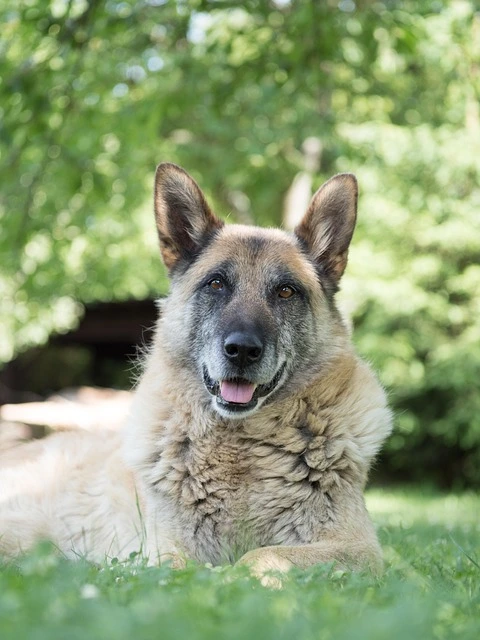
You sit down on the floor to scratch your dog’s ears. Twenty minutes later, your back aches and your leg is asleep. Meanwhile, your dog is sprawled across a plush cushion looking blissfully comfortable. That exact moment is why the human dog bed became one of the most talked-about pet products of the last few years.
Quick Answer
A human dog bed is an oversized, dog-bed-shaped lounger built for adults to lie in, usually alongside their pet. It uses the same bolstered oval or rectangular design as a standard dog bed, scaled up to roughly 4 to 7 feet wide. It appeals to owners who co-nap with their dogs, people who want a floor-level reading spot, and households where the dog refuses to sleep anywhere except right next to you.
TL;DR
These giant loungers are comfortable, genuinely useful for bonding, and easy to clean if you pick a removable cover. They are not a replacement for orthopedic support if your dog has joint problems, and they take up serious floor space.
Key Takeaways
- Measure your floor space before you buy. Most human dog beds need a 5×7 foot footprint minimum.
- Fill matters more than looks. Shredded memory foam holds shape far better than loose polyester fiber.
- A removable, machine-washable cover is non-negotiable in a home with a shedding dog.
- Senior dogs and dogs with arthritis still need firm orthopedic support, not a soft sink-in lounger.
- Set clear rules early so the bed does not become a resource your dog guards.

Why the Human Dog Bed Matters More Than You Think
The appeal is not just novelty. Dogs are social sleepers. In the wild, canids pile together for warmth and security, and that instinct never fully left our couch potatoes. When your dog insists on pressing against your leg at night, that is hardwired behavior, not stubbornness.
The problem is that most homes force a compromise. Either the dog gets on the furniture, or you get on the floor. Neither option is great long-term. Floor sitting strains your lower back and hips. Letting a large dog onto the sofa creates cleaning headaches and can blur boundaries you spent months training.
A human-sized dog lounger solves the geometry problem. It puts you at your dog’s level on a surface designed for both of you. For owners managing separation-related stress, that shared downtime can be quietly valuable. Dogs who struggle with being alone often benefit from predictable, calm co-existence time, and many of the same principles that help with general dog anxiety apply here.
There is a comfort angle for you too. Floor-level lounging encourages a more relaxed posture than a rigid sofa. Plenty of owners report using theirs for reading, stretching, or recovering after a workout, with the dog as an optional bonus.
How a Human Dog Bed Is Actually Built
Strip away the marketing and these products are simple. There are three components that determine whether yours feels luxurious or disappointing after two months.
The Bolster
The raised rim around the edge is the defining feature. It supports your head and neck without a pillow and gives dogs the enclosed feeling they naturally seek. Bolster quality varies wildly. Cheap versions use loose fiberfill that flattens within weeks. Better ones use dense foam cores wrapped in fill so the rim keeps its shape under weight.
The Fill
Most human dog beds use one of three fills. Shredded memory foam offers the best balance of support and conformity, and it breathes reasonably well. Solid memory foam gives the most support but traps heat and makes the bed heavy to move. Polyester fiberfill is the cheapest and the least durable, compressing into lumps under repeated adult weight.
The Cover
Look for a full-perimeter zipper and machine-washable fabric. Sherpa and faux fur feel wonderful but hold dog hair like velcro. Tight-weave microfiber or canvas releases hair much more easily. If your dog sheds heavily, the cover material will matter more than any other feature.
Sizing follows a simple rule: measure your height, add roughly a foot, and that is your minimum interior length. A 5’6″ adult needs about 6.5 feet of interior space to stretch out. Anything smaller means curling up, which is fine for a nap but frustrating for longer use.
Common Mistakes (and Fixes)
Buying by outer dimensions. Manufacturers list overall size, but the bolster eats 8 to 12 inches on each side. The fix: Ask for or measure interior sleeping area, not total footprint.
Choosing fiberfill to save money. It feels great in the store and collapses under adult body weight within a month or two. The fix: Spend the extra on shredded memory foam. It genuinely lasts three to four times longer.
Skipping the waterproof liner. Dogs track in mud, drool, and occasionally have accidents. Once liquid soaks the fill, odor is permanent. The fix: Buy a model with an inner waterproof liner or add a separate one.
Putting it in a high-traffic hallway. Dogs need to feel safe where they rest. Constant foot traffic defeats the purpose. The fix: Place it in a quiet corner with a wall at the dog’s back.
Letting it replace crate training. A cozy shared lounger does not teach independence. The fix: Keep using the crate as a separate safe space, especially for puppies still working through crate training.
Ignoring guarding behavior. Some dogs become possessive over a bed that smells strongly of their owner. The fix: Practice trading games and never physically pull your dog off the bed. If growling appears, consult a trainer promptly.
Assuming it works for arthritic dogs. Deep, soft loungers make it hard for stiff dogs to stand up. The fix: Give senior dogs a firm orthopedic surface of their own nearby.
Building a Comfortable Setup Around It
Here is where practical add-ons genuinely change the experience, and where a few problems have specific solutions.
The most common one is temperature. A large plush lounger holds body heat from two bodies at once. In summer, or with a thick-coated breed, that turns a cozy nap into a panting session within twenty minutes. Dogs cool primarily through panting and through blood vessels near their paws and belly, so a warm sink-in surface works directly against them.
A cooling pad placed inside the lounger solves this without ruining the setup. The Green Pet Shop Cool Pet Pad uses a pressure-activated gel that cools when your dog lies on it, with no water, electricity, or refrigeration required. It suits dogs in the 46 to 80 pound range and works well tucked into one half of a human dog bed so your dog can choose warm or cool. The recharge cycle is the honest limitation: it needs about 15 to 20 minutes without pressure to reset, so a dog who never moves will eventually warm it up. Still, for summer use it is the single most effective fix. If you want to compare options first, our guide to cooling mats for dogs breaks down the categories.
CHECK PRICE ON AMAZON: https://amzn.to/3OjsqH5
The second problem is the bed itself. Most people try to improvise one, stacking couch cushions or buying an oversized floor pillow that has no bolster. It never works. Without a raised rim there is nothing to support your head, and nothing that gives your dog the enclosed feeling they actually want. Improvised setups also cannot be washed, which is the single biggest long-term complaint owners have.
This is where buying purpose-built pays off. The WNPETHOME Human Dog Bed is designed as a family-sized lounger rather than a scaled-up pet bed, with a fully washable cover and a calming bolstered design that works for an adult and a dog together. The built-in storage pocket is a small touch that turns out to be useful for keeping a blanket or chew nearby instead of scattered across the floor. The honest limitation is footprint. A bed this size dominates a room, so measure before you commit, and be realistic about whether you will actually leave it out year-round. For most households the washable cover is the deciding feature. Our roundup of the best dog beds covers sizing in more detail.
CHECK PRICE ON AMAZON: https://amzn.to/4w8oBFF
Joint support is worth a separate mention. Any human-sized lounger is soft by design, and softness is the enemy of an arthritic hip. Older dogs who sink deep into fill struggle to get their footing when standing, which discourages movement and can worsen stiffness over time. The answer is not to give up the lounger. Keep a firm orthopedic bed in the same room and let your dog choose. Most senior dogs will use both, picking the soft one for company and the firm one for real sleep.
The third issue is the one nobody mentions: some dogs find a big shared bed overstimulating rather than relaxing. They pace, reposition, and never settle. In those cases the dog is not comfortable, just close.
Giving them something to do usually fixes it. A lick mat smeared with a dog-safe spread turns settling into an activity with a clear beginning and end. The LUKITO Lick Mat comes as a two-pack with suction cups so it stays put on hard floors, and the repetitive licking motion has a naturally calming effect on most dogs. Keep it off the lounger fabric itself, since peanut butter and plush do not mix. The main drawback is that the suction cups grip smooth surfaces well but not carpet or textured tile. Used a few feet from the bed, it gives an anxious dog a job before they settle.
CHECK PRICE ON AMAZON: https://amzn.to/4aQdOHT
Step-by-Step: Introducing the Bed to Your Dog
- Unbox it away from your dog. New foam often has a factory smell. Air it out for 24 hours in a spare room before your dog investigates.
- Place it in its permanent spot first. Moving it repeatedly confuses dogs about whether it is theirs to use.
- Add a familiar item. Toss in a blanket or worn t-shirt that already smells like home. Familiar scent shortcuts the adjustment period.
- Let your dog explore alone. Do not lift them onto it. Sit nearby, ignore the bed, and let curiosity do the work.
- Reward voluntary contact. The moment your dog steps on it, mark and treat. Two or three short sessions a day is plenty.
- Join them briefly. Once your dog uses it independently, lie down for five minutes. Keep it calm, not playful.
- Establish a release cue. Teach “off” with a treat tossed away from the bed. This prevents disputes later.
- Set a washing rhythm. Cover in the machine every two weeks for average shedders, weekly for heavy ones.
Troubleshooting
If your dog refuses to step on it, then the surface may feel unstable. Place it against a wall and add a firm blanket layer on top for the first week.
If the bolster is already flat after a month, then the fill is fiberfill, not foam. Restuff the rim with foam offcuts or plan to replace it.
If your dog gets on but immediately gets off, then check the temperature. Try the cooling pad approach before assuming behavioral resistance.
If hair will not come off the cover, then run it through a no-heat dryer cycle for ten minutes before washing. This loosens embedded hair dramatically.
If your dog growls when you approach the bed, then stop all bed access immediately and contact a certified trainer. Resource guarding escalates without intervention.
If there is a persistent odor after washing, then the fill absorbed liquid. Only a waterproof liner prevents this, and once fill is soaked it usually needs replacing.
If your senior dog struggles to climb out, then reduce the height by removing a fill layer, or move them to a firm low-profile bed.
When to See a Professional
Some issues go beyond product choice. Call your veterinarian if your dog suddenly stops using a bed they previously loved, since reluctance to lie down or difficulty getting up can signal pain. Watch for limping, stiffness after rest, or a hunched posture. Sudden changes in sleep position sometimes indicate abdominal discomfort or breathing trouble.
Persistent night panting deserves attention too, particularly in a cool room. If your dog is panting at night without an obvious heat source, that warrants a check-up rather than a cooling mat.
For behavioral red flags, involve a certified professional trainer or veterinary behaviorist. Growling, snapping, or stiff body language around the bed are early warnings. These are highly treatable when addressed quickly and much harder once rehearsed for months.
Expert Perspective
Veterinarians consistently emphasize that sleep quality affects canine health more than most owners realize. According to the American Kennel Club, adult dogs sleep roughly 12 to 14 hours a day, and puppies and seniors need considerably more. A surface that causes a dog to shift constantly, overheat, or struggle to rise is quietly eroding a huge portion of their day.
The American Veterinary Medical Association also notes that heat-related illness develops quickly in dogs, since they cannot sweat efficiently. That is worth remembering with any heavily insulated bedding. Veterinarians generally recommend giving dogs a choice between warm and cool resting surfaces rather than a single option, letting the dog self-regulate. This article offers general information and is not a substitute for a diagnosis from your own veterinarian, who knows your dog’s history.
Frequently Asked Questions
Is a human dog bed actually comfortable for adults? Yes, when properly sized and filled with shredded memory foam. Undersized or fiberfill models feel great briefly, then flatten. Measure your height plus one foot for interior length.
How big should a human dog bed be? Interior length should exceed your height by about 12 inches. For most adults that means 6 to 7 feet interior, which translates to an 7 to 8 foot outer footprint including bolsters.
Can two people fit in one? Only in the largest sizes, and comfort drops sharply. Most models are designed for one adult plus one dog. Two adults plus a dog needs a genuinely oversized model.
Will my dog take over the bed completely? Often, yes. Teach a reliable “off” cue early and reward it. Avoid pulling your dog off physically, which can trigger defensive behavior in some dogs.
Are these safe for puppies? Supervise closely. Puppies chew, and ingested foam can cause intestinal blockage. Wait until the teething phase is over before allowing unsupervised access.
How do I wash a human dog bed? Remove the cover and machine wash cold, then tumble dry low. Vacuum the inner liner. Never machine wash the foam fill itself, as it breaks down and takes days to dry.
Do they help with dog separation anxiety? They can support calm co-existence time, but they are not a treatment. Real separation anxiety needs a structured desensitization plan, ideally with professional guidance.
Is a human dog bed good for a senior dog? Not as their primary bed. Deep soft fill makes standing difficult for arthritic dogs. Provide a firm orthopedic bed alongside it and let your dog choose.
Do they get hot? Yes, particularly with thick-coated breeds. Two bodies plus insulating fill traps heat. A cooling pad placed in one half gives your dog a temperature choice.
How long does a good one last? Quality shredded memory foam models typically hold shape for three to five years with regular use. Fiberfill versions often flatten within six to twelve months.
The Bottom Line
A human dog bed is one of those products that sounds like a gimmick until you use one. It solves a real problem: the awkward compromise between floor-sitting discomfort and letting your dog on the furniture. Buy for interior dimensions rather than advertised size, insist on shredded memory foam, and never skip the removable washable cover. Add a cooling pad if you live somewhere warm or own a thick-coated breed, and keep a firm orthopedic bed available for any dog with joint issues. Introduce it slowly, teach an “off” cue from day one, and let your dog decide whether they like it. Measure your floor space this week, then pick a model that fits both your room and your dog’s actual needs.