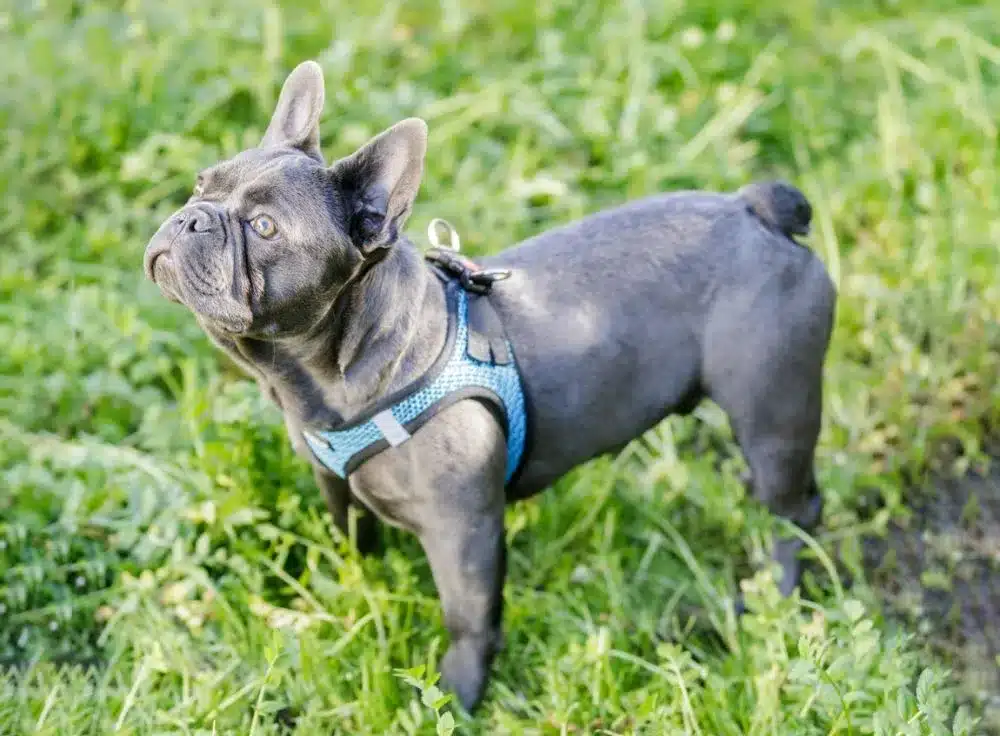
Picture this: you’re curled up on the couch, and your dog — still puppy-sized after three years — is tucked under your arm like a warm, breathing stuffed animal. If you’ve ever dreamed of a dog that stays small forever, you’re not alone. Millions of people search for compact, forever-tiny companions every year, and the good news is that certain breeds genuinely deliver on that promise.
Quick Answer
Dogs that stay small forever are breeds genetically programmed to remain under 12 pounds throughout their entire lives. They’re perfect for apartment dwellers, travelers, senior owners, and anyone who wants a portable, low-space companion. Unlike puppies that grow into large dogs, these breeds keep their small stature from birth to old age.
TL;DR: Some dog breeds are simply born small and stay that way. Chihuahuas, Maltese, Pomeranians, and Toy Poodles top the list. They’re big on personality but tiny in size — and that never changes.
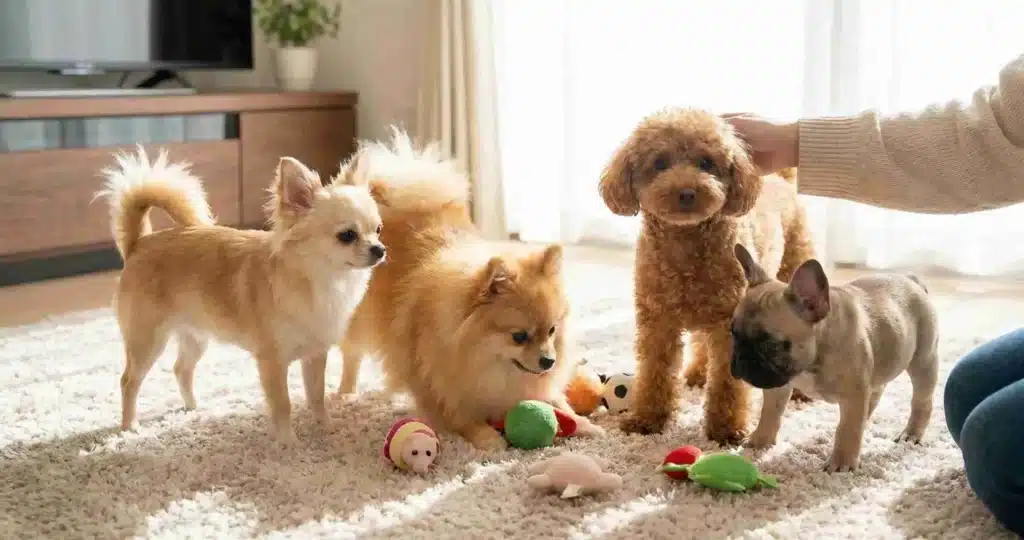
Table of Contents
Key Takeaways
- Breeds like Chihuahuas, Maltese, and Yorkshire Terriers weigh under 7 lbs and stay that way for life.
- Small dogs live longer on average — many reach 14–16 years.
- Their compact size comes with specific health needs, including dental care, joint protection, and temperature regulation.
- Diet quality matters enormously for tiny breeds — small-breed formulas prevent obesity and support longevity.
- Socialization and training are just as important for small dogs as large ones — small doesn’t mean low-maintenance.
Why It Matters: Health and Comfort Risks in Small Dogs
Small dogs aren’t just miniature versions of big dogs. Their tiny bodies come with specific vulnerabilities that every owner should understand — not to alarm you, but to help your pup thrive.
Dental crowding is one of the biggest issues. Because small dogs have the same number of teeth crammed into a much smaller jaw, periodontal disease develops faster. According to the American Kennel Club, dental disease is one of the most common health problems in toy breeds.
Temperature regulation is another concern. Small dogs lose body heat quickly. In cold weather, a Chihuahua or Yorkshire Terrier can become hypothermic far faster than a Labrador. In summer heat, their small respiratory systems can overheat just as easily. Dogs that pant at night may be struggling with temperature management, which is even more critical in tiny breeds.
Joint fragility is real too. Despite their size, small dogs like Pomeranians can be surprisingly fragile. Jumping off furniture repeatedly can cause luxating patellas or spinal issues. These aren’t reasons to avoid small breeds — they’re reasons to own one smartly.
The Anatomy of “Small Forever”: How Breed Size Works
Dog size is determined almost entirely by genetics, specifically by a variant in the IGF1 gene (Insulin-like Growth Factor 1). Small and toy breeds carry a version of this gene that limits skeletal growth. No amount of food or exercise changes this — a Chihuahua will never grow into a German Shepherd.
Most forever-small dogs reach their full adult weight between 9 and 12 months. Some toy breeds, like the Maltese, may look nearly fully grown by 6 months. That said, small dogs continue to mentally mature well past their first birthday — don’t mistake a tiny body for a fully developed mind.
Toy breeds and small breeds are two slightly different categories. Toy breeds (like the Toy Poodle or Pomeranian) typically weigh under 10 lbs. Small breeds (like the Cavalier King Charles Spaniel or Corgi — though Corgis are medium) are generally under 20 lbs. For our purposes today, we’re focusing on the truly tiny: breeds that top out at 12 lbs or less.
15 Dogs That Stay Small Forever
1. Chihuahua
The world’s smallest dog breed. Most Chihuahuas weigh between 2 and 6 pounds fully grown. They’re bold, alert, and fiercely loyal to their person. Lifespan: 14–16 years.
2. Yorkshire Terrier (Yorkie)
Yorkies typically stay between 4 and 7 pounds. Their silky coats look luxurious, but they’re actually low-shedding — great for owners who hate vacuuming. Feisty and affectionate, they adapt well to both apartments and homes. If you’re also curious about lazy dog breeds for a more relaxed lifestyle, Yorkies can surprise you with their calm indoor side.
3. Maltese
Few breeds are as consistently tiny as the Maltese. Adults rarely exceed 7 pounds. They’re gentle, playful, and surprisingly resilient for their size. Their white coats need regular grooming, but their temperament is angelic.
4. Pomeranian
Fluffy, fox-faced, and full of personality. Poms weigh between 3 and 7 pounds. They’re curious and intelligent, which means they need mental stimulation — a bored Pomeranian can become a very loud Pomeranian.
5. Toy Poodle
One of the smartest dogs on the planet, packed into a 4–10 lb body. Toy Poodles are hypoallergenic, eager to please, and remarkably easy to train. They’re ideal for allergy sufferers who still want an interactive, playful companion.
6. Shih Tzu
Bred for centuries as royal lap dogs, Shih Tzus weigh between 9 and 16 pounds — on the upper end of our range but still very compact. They’re calm, affectionate, and surprisingly low-energy indoors. If you love low-energy dog breeds, the Shih Tzu belongs on your shortlist.
7. Papillon
Named for their butterfly-shaped ears, Papillons weigh between 5 and 10 pounds. They’re athletic, agile, and brilliant. Don’t underestimate them — these tiny dogs regularly outperform larger breeds in agility competitions.
8. Brussels Griffon
A quirky, almost human-looking little dog that weighs 8–12 pounds. Brussels Griffons are emotionally sensitive and incredibly bonded to their owners. They tend to shadow their person everywhere.
9. Italian Greyhound
Slender and elegant, the Italian Greyhound weighs just 7–14 pounds. They’re gentle, quiet, and surprisingly fast. They’re also one of the most low-shedding breeds on this list, which owners love.
10. Miniature Pinscher (Min Pin)
Bold as a Doberman, weighing about 8–10 pounds. Min Pins are confident, fearless, and energetic. They make excellent watchdogs despite their tiny frames.
11. Chinese Crested
Available in hairless and “powderpuff” varieties, the Chinese Crested rarely exceeds 10–13 pounds. The hairless version is ideal for hot climates or owners with allergies. They’re deeply devoted and love cuddling.
12. Affenpinscher
A small, scruffy charmer at 7–10 pounds. Called the “monkey terrier,” Affenpinschers are stubborn but hilarious. They bring big-dog energy to a tiny-dog body.
13. Toy Fox Terrier
Athletic and alert at 3.5–7 pounds. Toy Fox Terriers are bold hunters at heart but adapt beautifully to apartment life. They’re easy to groom and relatively low-maintenance.
14. Biewer Terrier
A newer AKC-recognized breed. Biewers weigh 4–8 pounds and look like living plush toys. They’re cheerful, gentle, and excellent with children.
15. Bolognese
Rare outside of Europe but gaining popularity fast. The Bolognese weighs 5.5–9 pounds and is calm, devoted, and incredibly quiet. If you want a small dog that doesn’t bark much, this one’s for you.
Common Mistakes Small Dog Owners Make (and How to Fix Them)
Skipping training because they’re small. A 5-pound dog with no manners is still a problem. Small dogs that jump, bark excessively, or resource-guard are harder to rehome and harder to live with. The fix: start basic obedience early and be consistent. A solid leash training routine matters just as much for tiny breeds.
Overfeeding. Small dogs have tiny stomachs and slow metabolisms. Even a few extra kibbles a day can lead to obesity in a 5-pound dog. The fix: measure food precisely and follow small-breed feeding guidelines, not the generic bag instructions.
Carrying them everywhere. It’s tempting, but over-carrying prevents socialization and can cause anxiety. A dog that never touches the ground around strangers often becomes fear-aggressive. The fix: let them walk and explore supervised in safe environments.
Ignoring dental health. This is the number one silent killer in toy breeds. The fix: brush their teeth at least three times a week. Use an enzymatic toothpaste like the Virbac C.E.T. kit and get annual professional cleanings.
Letting them jump off furniture freely. High jumps from couches or beds can cause luxating patellas or spinal injuries in small dogs. The fix: use pet stairs or ramps to give them safe, low-impact access.
Skimping on warmth. Small dogs — especially hairless or single-coated breeds — need a light jacket or sweater below 45°F. The fix: invest in a well-fitted doggy sweater and limit outdoor exposure in cold snaps.
Choosing the wrong food. Generic “all-life-stages” kibble often has large kibble pieces and doesn’t account for small-breed caloric needs. The fix: choose a breed-specific or small-breed formula with appropriate kibble size and calorie density.
Calming Your Small Dog: The Anxiety Challenge
Here’s something many small-dog owners don’t expect: anxiety is extremely common in tiny breeds. Chihuahuas, Shih Tzus, and Toy Poodles are particularly prone to separation anxiety and noise sensitivity. Part of this is the close bond they form with their owners; part of it is simply their sensitive nervous systems.
If your small dog trembles during thunderstorms, panics when you leave, or becomes reactive during car rides, this isn’t just a personality quirk — it’s a real stressor that affects their quality of life.
Only Natural Pet Natural Hemp Soft Chew Bites are formulated specifically for stress and anxiety in dogs. They combine L-Theanine, chamomile, and lemon balm — ingredients that work synergistically to promote calm without sedation. This product is a great fit for small-breed owners dealing with routine anxiety triggers: vet visits, loud noises, travel, and guests.
Each chew is soft, which is perfect for small dogs with delicate teeth. The formula is free from artificial additives, and because it’s not a pharmaceutical sedative, you can use it proactively before a known stressor. One honest limitation: it may take 30–45 minutes to take effect, so plan ahead rather than reaching for it in the middle of a panic episode.
CHECK PRICE ON AMAZON: https://amzn.to/40aUrmL
Enrichment for Small Dogs: Don’t Underestimate Tiny Minds
Small dogs are often underestimated intellectually. The Toy Poodle is one of the most intelligent dog breeds on earth. The Papillon regularly wins obedience titles. Even a Chihuahua has a remarkably sharp mind packed into that tiny skull.
Without mental stimulation, small dogs can develop problem behaviors: excessive barking, destructive chewing, and anxiety. A bored dog is a mischievous dog, regardless of size.
One of the most versatile and vet-recommended enrichment tools is a lick mat. The LUKITO Lick Mat for Dogs & Cats (2 Pack) is a simple but highly effective way to reduce boredom and anxiety in small dogs. Spread a thin layer of peanut butter, mashed banana, or plain yogurt, and your small dog gets 10–20 minutes of focused, soothing licking activity. Licking triggers the release of calming hormones (endorphins), making this useful before grooming, bath time, or any stressful event.
The suction cups keep it in place — particularly helpful for small dogs who tend to chase their food around the floor. Dishwasher safe and easy to clean. The only limitation is that very thin spreads go quickly, so you may need to reapply for longer sessions.
CHECK PRICE ON AMAZON: https://amzn.to/4aQdOHT
Step-by-Step: How to Set Up Your Home for a Small Dog
1. Create a safe floor zone. Small dogs can get stepped on. Use baby gates to keep them out of high-traffic areas until they’re comfortable with the household routine.
2. Install pet stairs next to beds and couches. This protects their joints from high jumps and gives them independence without injury risk.
3. Choose appropriately sized food and water bowls. Deep bowls can cause small dogs to inhale air while eating, leading to gas and bloating. Shallow bowls are better.
4. Set up a warm sleeping spot away from drafts. Small dogs lose heat quickly. A cozy, enclosed bed in a draft-free corner helps them sleep deeply.
5. Puppy-proof at ground level. Electrical cords, small objects, and toxic plants are all at your small dog’s eye level. Do a floor-level inspection before bringing them home.
6. Identify a designated bathroom area. If you live in an apartment or high-rise, indoor potty pads can be a lifesaver during bad weather or late-night trips. Small dogs are easier to indoor-train than large breeds.
7. Schedule dental checks every 6 months. Ask your vet to check for tooth resorption and gum disease at every visit. Prevention is dramatically cheaper than treatment.
8. Socialize early and often. Introduce your small dog to new people, surfaces, sounds, and animals in a controlled, positive way before 16 weeks. This single step prevents most behavioral problems.
Troubleshooting: Small Dog Problems and Solutions
If your small dog barks constantly: They may be under-stimulated, anxious, or reactive. Increase enrichment, work on desensitization, and avoid rewarding barking with attention.
If your small dog shakes or trembles: It could be cold, anxiety, or a medical issue like hypoglycemia. Small dogs are prone to low blood sugar. If your dog is shaking frequently without an obvious cause, see a vet.
If they refuse to eat: Small dogs can be picky, but sudden appetite loss can also signal dental pain or illness. Don’t assume it’s personality — get them checked if it lasts more than 24 hours.
If they become aggressive with strangers: This is a socialization issue, not a size issue. Consult a certified trainer early rather than waiting for it to escalate.
If they gain weight suddenly: Rule out hypothyroidism, which is more common in small breeds than owners realize. A simple blood panel can confirm.
If they limp or hold up a paw: Luxating patella is very common in small breeds. It often looks like a momentary skip or hop. A vet exam can confirm severity and discuss management options.
When to See a Professional
Small dog bodies are not forgiving of untreated illness. See a veterinarian promptly if you notice:
Collapse or fainting, which can signal heart disease — more common in breeds like Cavalier King Charles Spaniels and Chihuahuas. Breathing difficulty or persistent coughing. Sudden weight loss or gain. Seizures, which can be triggered by hypoglycemia in small breeds. Vomiting that lasts more than 12–24 hours. Any lameness or reluctance to walk. Discharge from the eyes or ears that changes color or smell.
Small dogs can go from “seems a little off” to critical illness faster than large dogs. When in doubt, call your vet. Please note that all health guidance in this article is general information and is not a substitute for a licensed veterinary diagnosis.
Expert Opinion
Veterinarians consistently point out that the biggest health risk for small dogs isn’t genetic — it’s lifestyle. Overfeeding, under-exercising mentally, and skipping dental care account for the majority of premature illness in toy breeds. According to the American Veterinary Medical Association (AVMA), preventive care and annual wellness visits are among the most impactful things an owner can do to extend their pet’s healthy lifespan.
Veterinary professionals also caution against the “teacup” trend. Dogs marketed as “teacup” Chihuahuas or “micro” Pomeranians are often the result of breeding runts together, which concentrates health problems. These dogs may be smaller than breed standards, but they are not healthier — in fact, they often face more severe organ and bone issues. Stick to reputable breeders who follow AKC breed standards or consider adoption from a small-breed rescue.
FAQs
What dog breeds stay under 10 pounds forever? Chihuahuas, Toy Poodles, Maltese, Pomeranians, Papillons, Toy Fox Terriers, and Biewer Terriers all typically stay under 10 pounds their entire lives.
Do small dogs live longer than big dogs? Yes, generally. Small breeds often live 14–16 years while large breeds average 8–12. Scientists believe faster cell aging in large dogs contributes to their shorter lifespans.
Are small dogs good for apartments? Most are excellent apartment dogs. They need less space and less vigorous exercise than large breeds. Mental stimulation and short walks are usually enough.
What is a “teacup” dog, and is it healthy? “Teacup” is not an official breed designation. It refers to dogs bred to be smaller than the breed standard, often by pairing runts. This frequently results in serious health problems and shorter lifespans.
Do small dogs need less exercise? They need less total distance but still need daily movement and mental stimulation. A 20–30 minute walk plus playtime is usually sufficient.
Are small dogs harder to train? Not inherently — but owners often treat them differently, which leads to behavioral issues. Small dogs respond to the same positive reinforcement methods that work for large breeds.
What small dog sheds the least? Maltese, Toy Poodle, Yorkshire Terrier, Bichon Frise, and Chinese Crested (hairless) are among the lowest-shedding small breeds.
How much does a small dog eat per day? Most toy breeds eat between ¼ and ¾ cup of small-breed kibble daily, split into two meals. Always follow your specific food’s guidelines and adjust for age and activity.
Can small dogs be left alone? Short periods are fine for most breeds. However, many small dogs — especially Chihuahuas and Brussels Griffons — are prone to separation anxiety. Gradual alone-time training from puppyhood helps significantly.
What’s the best small dog for seniors? Cavalier King Charles Spaniel, Shih Tzu, Maltese, and Bichon Frise are consistently recommended for seniors due to their gentle temperament, low exercise needs, and love of companionship.
Conclusion
Dogs that stay small forever aren’t just adorable — they’re genuinely wonderful companions for the right owner. Whether you’re drawn to the fierce spirit of a Chihuahua, the silky grace of a Maltese, or the cheerful intelligence of a Toy Poodle, one of these tiny breeds will fit beautifully into your life. Their size makes them adaptable, portable, and affordable to care for — but don’t mistake compact for low-commitment. Small dogs thrive on training, enrichment, good nutrition, and regular vet care. Start by choosing a breed whose energy level and grooming needs match your lifestyle, then commit to those early socialization and training weeks — they make all the difference. Your forever-small dog won’t take up much space, but they will absolutely fill your heart.