It’s movie night. You’re halfway through the bowl when those big brown eyes lock onto you from across the couch. Your dog wants popcorn, and you want to share. But can dogs eat popcorn without any risk? The answer is a little more complicated than a simple yes or no, and getting it wrong could mean an emergency vet visit.
Quick Answer
Plain, air-popped popcorn is safe for most healthy dogs in small amounts. The kernel itself is a whole grain that offers minor fiber and trace minerals. However, the butter, salt, oil, and artificial flavorings that humans love on their popcorn can cause serious digestive upset and even toxicity in dogs. Unpopped kernels are a choking hazard for every breed and size.
TL;DR: Share a few pieces of plain, fully popped popcorn as an occasional treat. Skip the butter, salt, and seasonings entirely. Always remove unpopped kernels before offering any to your dog.
Key Takeaways
- Plain air-popped popcorn is dog-safe — but only without butter, salt, oil, or seasonings.
- Unpopped and partially popped kernels pose real choking and dental risks, especially for small breeds.
- Buttered or flavored popcorn can trigger vomiting, diarrhea, and pancreatitis in dogs.
- Popcorn is not a nutritional necessity — treat it as a fun occasional snack, not a dietary staple.
- When in doubt, skip it — there are healthier, safer treat options for your dog.

Table of Contents
Why It Matters When You Share Snacks With Your Dog
Sharing human food with dogs feels harmless. A few pieces here, a little nibble there. But the cumulative effect of fatty, salty snacks adds up quickly in a body that weighs a fraction of yours.
A single tablespoon of melted butter contains about 100 calories and 12 grams of fat. For a 20-pound dog, that’s the equivalent of you eating nearly half a stick of butter in one sitting. Dogs process fat differently than humans, and high-fat foods are one of the top triggers for pancreatitis, a painful and sometimes life-threatening inflammation of the pancreas.
According to the American Kennel Club, plain popcorn itself is not toxic to dogs. The danger lies almost entirely in the toppings and preparation. Salt overload, butter-induced digestive distress, and the physical hazard of hard kernels are the real concerns.
Beyond the immediate risks, regularly sharing salty or buttery snacks can contribute to obesity and heart problems over time. Veterinarians recommend that all treats, including human food snacks, make up no more than 10% of a dog’s daily caloric intake.
How Popcorn Affects Your Dog’s Body
Popcorn is a whole grain. When it pops, the starchy interior expands into that light, fluffy shape we all recognize. Nutritionally, plain air-popped popcorn contains small amounts of fiber, manganese, phosphorus, and zinc. These are present in trace amounts and won’t meaningfully supplement your dog’s diet.
Here’s what happens inside your dog’s body when they eat popcorn. The fully popped kernel breaks down fairly easily in the stomach. The starch converts to simple sugars and gets absorbed. No issues there for most dogs.
The problem starts with what’s on or around the popcorn. Butter and oil coat the kernel with fat that dogs struggle to process in large amounts. Salt pulls water into the intestines, potentially causing excessive thirst, urination, and in extreme cases, sodium ion poisoning. Garlic powder and onion seasoning, common on flavored varieties, are genuinely toxic to dogs and can damage red blood cells.
Unpopped kernels are a separate issue entirely. They’re hard enough to crack a tooth and small enough to lodge in a dog’s throat. They also pass through the digestive tract largely undigested, potentially causing irritation along the way.
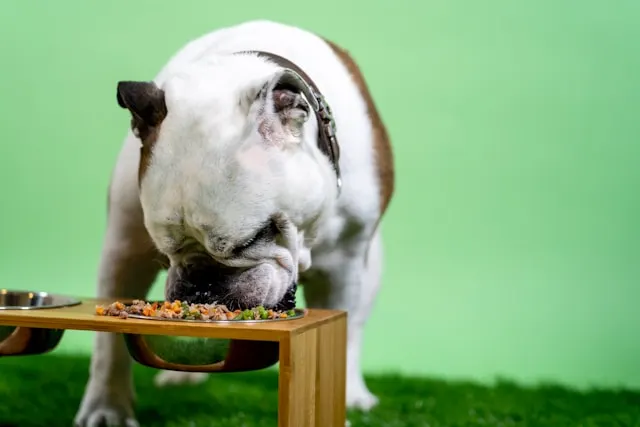
If your dog tends to gulp food without chewing, even fully popped pieces can clump together and create a mild choking risk. This is especially true for small breeds and brachycephalic (flat-faced) dogs like Bulldogs and Pugs who already have compromised airways.
Common Mistakes Dog Owners Make With Popcorn (and Fixes)
- Sharing straight from the movie bowl. Most movie popcorn is drenched in butter and salt. The fix: pop a small separate batch with zero toppings specifically for your dog.
- Not checking for unpopped kernels. Owners toss a handful without sorting. The fix: always pick through the popcorn and remove every hard or partially popped kernel before sharing.
- Feeding flavored microwave popcorn. Microwave bags often contain artificial butter flavoring (diacetyl), excess sodium, and preservatives. The fix: use an air popper or make stovetop popcorn with no oil.
- Giving too much at once. A few pieces is a treat. A full cup is a meal replacement that your dog’s stomach didn’t sign up for. The fix: limit portions to 5–10 fully popped pieces for medium dogs, fewer for small breeds.
- Assuming “natural” flavors are safe. Popcorn labeled “lightly salted” or “natural butter flavor” still contains ingredients your dog doesn’t need. The fix: plain means plain. Nothing added, period.
- Ignoring your dog’s individual sensitivities. Some dogs have grain allergies or sensitive stomachs that react even to plain popcorn. The fix: introduce a single piece first and watch for any signs of digestive upset over 24 hours.
If your dog does experience an upset stomach after eating popcorn or any new food, knowing how to handle dog diarrhea at home can help you respond quickly and confidently.
Supporting Your Dog’s Digestion After Snack Time
Some dogs have stomachs of steel. Others get gassy from a single piece of cheese. If your dog tends toward the sensitive side, having a quality probiotic on hand makes a real difference after introducing any new food.
Purina Pro Plan FortiFlora is a veterinarian-recommended daily probiotic that supports digestive health and firms up stool. It’s especially useful for dogs who occasionally get loose stools from dietary changes or new treats. Each packet contains a guaranteed level of live beneficial bacteria, and dogs tend to eat it willingly because of its palatable flavor. The main limitation is that it comes in powder form, so you’ll need to mix it into food rather than give it as a standalone treat. For dogs with recurring tummy troubles, this is a smart addition to the daily routine.
CHECK PRICE ON AMAZON: https://amzn.to/3ZySvV4
How to Safely Share Popcorn With Your Dog: Step by Step
1. Choose your popping method. Use an air popper or a dry stovetop pot with no oil. Microwave bags are off-limits because of the additives inside the lining and seasoning packets.
2. Pop the corn completely. Run the popper until the popping slows to about 2–3 seconds between pops. This minimizes the number of unpopped kernels.
3. Sort and remove all hard kernels. Spread the popcorn on a baking sheet and pick out every unpopped and partially popped kernel. This step is non-negotiable.
4. Let it cool. Freshly popped corn is hot enough to burn your dog’s mouth. Wait until it reaches room temperature.
5. Portion it out. For small dogs (under 20 lbs), offer 3–5 pieces. For medium dogs (20–50 lbs), 5–10 pieces is plenty. Large dogs can have up to 15 pieces. These are guidelines, not rules carved in stone, but they keep the treat firmly in “snack” territory.
6. Offer one piece at a time. This is especially important the first time. Watch how your dog chews and swallows. If they inhale it without chewing, popcorn may not be the right treat for them.
7. Monitor afterward. For the next 12–24 hours, watch for vomiting, diarrhea, excessive gas, or loss of appetite. Any of these signs mean popcorn doesn’t agree with your dog’s system.
If you’re looking for safer everyday treat alternatives, fruits like blueberries and fresh watermelon pack more nutritional value with less risk.
Keeping Treat Time Safer for Fast Eaters
Dogs that gulp their food barely chew anything, and popcorn’s light, airy texture actually makes this worse. The pieces stick together, clump in the throat, and can cause gagging.
If your dog tends to inhale treats and meals, a slow feeder bowl helps teach them to pace themselves during regular feeding times. That patience transfers to snack time too.
Outward Hound Fun Feeder Slo Bowl is designed with raised ridges that force dogs to work around obstacles to reach their food. It holds up to 4 cups and fits medium to large breeds comfortably. The non-slip base stays in place even with enthusiastic eaters, and the maze-like pattern can slow eating speed by up to ten times. It won’t work for very small kibble that slides between the ridges, but for standard-sized food and treats, it’s one of the simplest ways to reduce gulping and the bloat risk that comes with it.
CHECK PRICE ON AMAZON: https://amzn.to/40buzas
Troubleshooting: What to Do If Something Goes Wrong
- If your dog eats buttered popcorn: Don’t panic. A small amount will likely cause mild stomach upset at worst. Withhold food for a few hours, offer water, and monitor for vomiting or diarrhea. If symptoms persist beyond 24 hours, call your vet.
- If your dog chokes on an unpopped kernel: Stay calm. Check if your dog can cough it up on their own. If they’re pawing at their mouth, drooling excessively, or struggling to breathe, perform the Heimlich maneuver for dogs (a firm upward thrust just behind the rib cage) and head to the emergency vet immediately.
- If your dog eats popcorn with garlic or onion seasoning: This is more urgent. Garlic and onion are toxic to dogs and can cause hemolytic anemia. Call your veterinarian or the ASPCA Animal Poison Control Center (888-426-4435) right away, even if your dog seems fine initially.
- If your dog vomits after eating plain popcorn: Some dogs simply don’t tolerate corn well. Make a note, skip popcorn in the future, and try a gentler treat alternative instead.
- If your dog gets into an entire bag of microwave popcorn: Contact your vet. The combination of high fat, sodium, and artificial ingredients in a large quantity warrants professional guidance, especially for small breeds.
When to See Your Veterinarian
Most popcorn-related incidents resolve on their own with a little time and monitoring. But certain situations require professional attention right away.
See your vet if your dog shows repeated vomiting that doesn’t stop after a few hours, bloody or black stool, signs of abdominal pain like whimpering or a hunched posture, extreme lethargy or refusal to move, swelling around the face or throat, or difficulty breathing after eating popcorn. These could indicate an obstruction, pancreatitis, an allergic reaction, or poisoning from toxic seasonings.
Dogs with pre-existing conditions like diabetes, pancreatitis history, or kidney disease should avoid popcorn entirely. The starch, sodium, and fat content, even in small amounts, can destabilize these conditions. Always check with your vet before introducing new foods if your dog has a chronic health issue.
What Veterinary Experts Say About Dogs and Popcorn
Veterinarians generally agree that plain, air-popped popcorn is a low-risk snack for healthy dogs when given in moderation. The nutritional value is minimal, so it’s best viewed as an occasional fun treat rather than a health food. According to the American Veterinary Medical Association, maintaining a balanced, complete diet formulated for dogs is far more important than any individual snack or supplement.
The real concern veterinary professionals emphasize is portion control and preparation. Many emergency vet visits related to human food aren’t caused by a single toxic ingredient. They’re caused by volume. A dog eating an entire bowl of buttered popcorn at a party is a common scenario that leads to acute pancreatitis, especially in smaller breeds and those already prone to digestive issues. The simplest rule of thumb from most veterinary nutritionists: if you wouldn’t feed it to a toddler, think twice before giving it to your dog.
Note: This article provides general informational guidance and is not a substitute for professional veterinary advice. Always consult your veterinarian about your individual dog’s dietary needs and health conditions.
Smarter Treat Alternatives Worth Considering
Plain popcorn is fine. But if you want treat options that actually contribute to your dog’s health, there are better choices on the shelf. You can explore superfoods that genuinely improve your dog’s health for ideas that go beyond basic snacking.
For dogs who love the crunch factor of popcorn, a lick mat with frozen peanut butter or mashed banana offers a similar level of entertainment with far more nutritional benefit.
LUKITO Lick Mat for Dogs comes as a two-pack with suction cups that attach to any smooth surface. It’s perfect for spreading peanut butter, yogurt, or pureed pumpkin and freezing it for a long-lasting treat session. The textured surface also helps clean your dog’s tongue and promotes calming behavior through repetitive licking. The only downside is that very aggressive chewers may try to destroy the mat itself, so supervision is recommended for power chewers. For most dogs, it’s a fantastic way to make treat time both enriching and safe.
CHECK PRICE ON AMAZON: https://amzn.to/4aQdOHT
If your dog enjoys safe human foods as treats, cucumbers and strawberries are excellent low-calorie options that most dogs love.
Frequently Asked Questions
Can dogs eat buttered popcorn?
No. Butter is high in fat and can trigger vomiting, diarrhea, and pancreatitis in dogs. Always serve popcorn completely plain with nothing added.
Is microwave popcorn safe for dogs?
No. Microwave popcorn contains artificial flavors, excess sodium, and preservatives that are harmful to dogs. Stick with air-popped corn only.
Can popcorn kill a dog?
Plain popcorn is extremely unlikely to be fatal. However, large amounts of buttered or seasoned popcorn can cause pancreatitis, and unpopped kernels can cause choking. Both situations can become life-threatening without treatment.
How much popcorn can I give my dog?
Keep it to a few pieces. Small dogs should have no more than 3–5 pieces, medium dogs 5–10, and large dogs up to 15 pieces. Popcorn should never replace balanced meals.
Can puppies eat popcorn?
It’s best to avoid giving popcorn to puppies. Their digestive systems are still developing, and the choking risk from kernels is higher. Wait until your puppy is fully grown and offer only plain, fully popped pieces.
Is caramel popcorn safe for dogs?
No. Caramel popcorn is loaded with sugar and potentially xylitol, an artificial sweetener that is extremely toxic to dogs. Never share caramel or candy-coated popcorn.
Can dogs eat kettle corn?
No. Kettle corn contains both sugar and salt, neither of which your dog needs. The sugar content can also contribute to obesity and dental problems over time.
What should I do if my dog eats a lot of salty popcorn?
Offer plenty of fresh water and monitor for excessive thirst, vomiting, or diarrhea. If your dog consumed a very large amount, contact your veterinarian to check for sodium ion poisoning risk.
Are corn kernels digestible for dogs?
Fully popped kernels are partially digestible. Unpopped kernels pass through the digestive system largely intact and can cause irritation. Always remove unpopped kernels before sharing.
Can dogs with allergies eat popcorn?
Dogs with grain or corn allergies should avoid popcorn entirely. If you’re unsure whether your dog has a corn sensitivity, introduce a single piece and watch for itching, ear inflammation, or digestive upset.
Enjoy Movie Night Together, the Safe Way
Can dogs eat popcorn? Yes, but the safe version looks nothing like what’s in your bowl. Plain, air-popped, fully sorted, and served in tiny portions is the only way to share this snack responsibly.
Your dog doesn’t care whether the popcorn has butter on it or not. They care that you’re sharing something with them. That moment of connection is what matters. So pop a small, plain batch, remove every hard kernel, and hand over a few pieces one at a time.
If popcorn doesn’t agree with your dog’s stomach, don’t force it. There are dozens of healthier, tastier, and safer treat options out there. The best snack is the one your dog enjoys without any aftermath.
Make tonight’s movie night a safe one. Grab some plain popcorn for your pup, settle into the couch, and enjoy the show together.