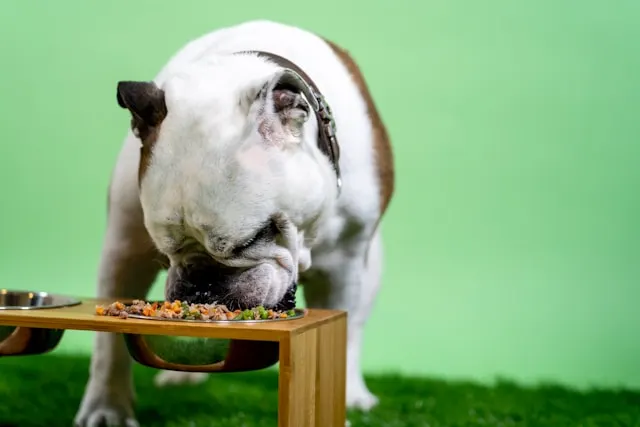
You’re snacking on a bowl of fresh cherries on the patio. Your dog parks himself right at your feet, giving you that look — the one that could melt steel. You want to share, but something stops you. Can dogs eat cherries safely, or is this one of those fruits that belongs on the “never feed” list? It’s a smart question, and the answer might surprise you.
Quick Answer: Can Dogs Eat Cherries?
The short answer is no — dogs should not eat whole cherries. The flesh itself is not toxic, but cherry pits, stems, and leaves contain cyanide compounds that are dangerous to dogs. Even a few pits can cause serious health problems. The risk far outweighs the reward, especially when so many safer fruit options exist.
TL;DR: Cherry flesh won’t poison your dog, but the pit, stem, and leaves contain cyanide. The pit also poses a choking and intestinal blockage risk. Skip whole cherries entirely and offer safe fruits like blueberries or watermelon instead.
Key Takeaways
- Cherry pits, stems, and leaves are toxic — they release cyanide (hydrogen cyanide) when crushed or digested.
- Cherry flesh alone is technically safe but not worth the effort or risk of accidental pit ingestion.
- A single swallowed pit is unlikely to cause cyanide poisoning but can cause choking or a bowel obstruction, especially in small breeds.
- Maraschino cherries are pit-free but loaded with sugar — not a healthy choice for dogs.
- Safer fruit alternatives deliver the same vitamins without any of the danger.

Table of Contents
Why This Matters for Your Dog’s Health
Cherries might seem harmless, but they create a perfect storm of risks for dogs. The pits contain amygdalin, a compound that converts into hydrogen cyanide during digestion. Cyanide interferes with cells’ ability to use oxygen. In large enough amounts, this can be fatal.
Beyond the toxicity concern, cherry pits are hard and smooth — exactly the shape and size to lodge in a dog’s throat or intestinal tract. A blockage in the gut often requires emergency surgery. According to the AVMA, prompt action after any potential poisoning is critical for a good outcome.
This doesn’t mean one accidentally swallowed cherry is a death sentence. But understanding the real risks helps you make better choices. An ounce of prevention beats a panicked emergency vet visit every time.
How Cherry Toxicity Works in Dogs
Here’s the science in plain language. Cherry pits, stems, and leaves contain a natural chemical called amygdalin. When your dog chews or digests these parts, enzymes in the gut break amygdalin down into hydrogen cyanide.
Cyanide blocks an enzyme called cytochrome c oxidase. This enzyme is essential for cells to use oxygen. Without it, cells essentially suffocate — even though there’s plenty of oxygen in the blood. The result is called histotoxic hypoxia.
A single cherry pit contains a small amount of amygdalin. One accidentally swallowed pit from a large dog probably won’t trigger cyanide poisoning. But several crushed pits? That’s a different story, especially for a small breed like a Chihuahua or a Yorkie.
The physical danger is just as real. Cherry pits don’t break down in the stomach. They can get stuck in the esophagus, stomach, or intestines. Intestinal blockages cut off blood supply to surrounding tissue, which becomes a life-threatening emergency within hours.
If your dog is already dealing with a sensitive stomach, the acidity and fiber in cherries can also trigger digestive upset like diarrhea, which only compounds the problem.
Common Mistakes Dog Owners Make With Cherries (and Fixes)
- Assuming the flesh is “close enough” to safe. While cherry flesh isn’t toxic, it’s nearly impossible to guarantee your dog won’t bite into the pit. The fix: skip whole cherries entirely. The tiny nutritional benefit doesn’t justify the risk.
- Leaving a bowl of cherries on the counter. Dogs are opportunistic eaters. A bowl of cherries at nose height is an invitation. The fix: store cherries in a sealed container in the fridge, out of paw’s reach.
- Thinking maraschino cherries are a safe shortcut. They’re pit-free, yes, but drenched in sugar and artificial ingredients. The fix: choose naturally safe fruits like seedless watermelon or blueberries instead.
- Panicking after one swallowed pit. A single pit from a medium or large dog usually passes without incident. The fix: monitor your dog closely for 24–48 hours. Watch for vomiting, loss of appetite, or straining to poop. Call your vet if symptoms appear.
- Giving dried cherries without reading the label. Many dried cherry products contain xylitol or added sugars. Xylitol is extremely toxic to dogs, even in small amounts. The fix: always read ingredient labels and avoid any product sweetened with xylitol.
- Ignoring the stems and leaves. People focus on pits but forget that stems and leaves also contain cyanide compounds. The fix: if you have a cherry tree in your yard, keep fallen fruit and debris cleaned up — dogs will eat almost anything off the ground.
What to Do If Your Dog Eats Cherries
Accidents happen. Your dog grabs a few cherries off the table before you can react. Here’s exactly how to handle it, step by step.
Step 1: Stay calm and assess. Count how many cherries are missing, if possible. One or two pits from a large dog is very different from a small dog eating a handful.
Step 2: Remove any remaining cherries. Get the rest out of reach immediately. Check the floor for dropped pits or stems.
Step 3: Check your dog’s mouth. If your dog is gagging or pawing at their face, a pit may be stuck in their throat. Do not try to fish it out with your fingers unless you can clearly see it — you risk pushing it deeper.
Step 4: Call your veterinarian. Describe what happened, how many cherries your dog ate, and your dog’s size and breed. Your vet will advise whether to bring them in or monitor at home. If you can’t reach your vet, contact the ASPCA Animal Poison Control Center at (888) 426-4435.
Step 5: Monitor for symptoms over 24–48 hours. Watch for these warning signs: vomiting, diarrhea, lethargy, difficulty breathing, bright red gums, dilated pupils, or refusal to eat. Any of these warrants an immediate vet visit.
Step 6: Don’t induce vomiting unless your vet tells you to. Inducing vomiting at home can cause more harm, especially if the pit is sharp or your dog is already distressed. Always follow professional guidance.
Having a pet first aid kit on hand makes these situations far less stressful. If your dog gets into something they shouldn’t — cherries, chocolate, grapes, or anything else — having basic supplies ready can save precious minutes while you contact your vet.
Dog First Aid Kit is a solid option to keep in your home. This pre-assembled kit includes a pet thermometer, tick remover, and a first aid manual designed specifically for pet emergencies. It’s compact enough to store in a kitchen drawer or take on trips. The kit covers the basics well, though owners dealing with specific conditions may want to supplement with extra supplies from their vet. It’s the kind of thing you hope you’ll never need but will be grateful to have.
CHECK PRICE ON AMAZON: https://amzn.to/3ZDeyKc
Keeping Digestion on Track After a Scare
Even if your dog doesn’t show signs of cyanide poisoning, eating cherries — especially with pits — can irritate the digestive tract. You might notice loose stools, gas, or a temporarily decreased appetite. If your dog has a history of throwing up yellow bile or stomach sensitivity, the disruption could be more noticeable.
A bland diet of plain boiled chicken and white rice for a day or two usually helps the gut recover. But if your dog’s stomach issues are a recurring theme, adding a daily probiotic can make a real difference in resilience.
Purina Pro Plan FortiFlora is one of the most widely recommended probiotic supplements by veterinarians. Each packet contains a guaranteed level of live beneficial bacteria that support intestinal health and firm up loose stools. It’s easy to use — just sprinkle one packet over your dog’s food daily. Dogs love the taste, which makes compliance a non-issue. The only downside is the single-strain formula; dogs with complex GI issues may need a broader-spectrum probiotic from their vet.
CHECK PRICE ON AMAZON: https://amzn.to/3ZySvV4
Safe Fruit Alternatives Your Dog Will Love
The good news? Your dog doesn’t have to miss out on fruit entirely. Plenty of options deliver vitamins, antioxidants, and hydration without any cyanide risk.
Here’s what you can share confidently:
- Blueberries — Packed with antioxidants and perfectly bite-sized. Most dogs love them frozen as a summer treat. Learn more in our guide on whether dogs can eat blueberries.
- Watermelon (seedless, no rind) — Hydrating, low-calorie, and rich in vitamins A and C. Check out our full breakdown on feeding watermelon safely.
- Strawberries — A great source of fiber and vitamin C in moderation. Our strawberry safety guide covers portion sizes by breed.
- Mango (pitted) — Sweet, nutrient-dense, and safe when the pit and skin are removed. Here’s our complete mango feeding guide.
- Pineapple — Contains bromelain, which may support digestion. Feed in small amounts. Our pineapple guide has the details.
A general rule: any fruit with a pit, seed, or stone should have those parts completely removed before offering it to your dog. When in doubt, stick to the superfoods proven safe for dogs.
Troubleshooting: Quick If/Then Scenarios
- If your dog ate one cherry with the pit → Then monitor for 24–48 hours. Watch for vomiting, lethargy, or changes in stool. Call your vet if anything seems off.
- If your dog ate several cherry pits or chewed them up → Then call your vet or the ASPCA Poison Control hotline immediately. Crushed pits release more cyanide than whole ones.
- If your dog is gagging or drooling excessively after eating cherries → Then a pit may be lodged in their throat. This is an emergency — head to your vet or emergency clinic now.
- If your dog has bright red gums and seems disoriented → Then suspect cyanide poisoning. This requires emergency veterinary treatment right away.
- If your dog ate maraschino cherries → Then cyanide isn’t the concern, but the sugar content is. Watch for vomiting or diarrhea from the sugar overload.
- If your dog shows no symptoms after 48 hours → Then they’re most likely fine. The pit will usually pass naturally. Resume normal feeding.
When to See a Veterinarian
Don’t wait if you notice any of these red flags after your dog eats cherries:
- Difficulty breathing or rapid, shallow breaths
- Bright red or brick-red gums (a hallmark sign of cyanide exposure)
- Vomiting that won’t stop or contains blood
- Abdominal pain, bloating, or refusal to lie down comfortably
- Lethargy, collapse, or seizures
- No bowel movement for more than 24 hours after swallowing a pit
- Blood in stool, which could indicate internal damage from a pit
Cyanide poisoning can escalate quickly. Veterinarians treat it with specific antidotes (sodium nitrite and sodium thiosulfate) that aren’t available over the counter. If there’s an intestinal blockage, imaging and possibly surgery will be needed. Don’t gamble — early intervention is always cheaper and safer than waiting.
Expert Opinion
Veterinarians are consistent on this topic: whole cherries are not a recommended treat for dogs. The American Kennel Club advises dog owners to avoid cherries entirely due to the cyanide risk in pits, stems, and leaves. They note that while the flesh is non-toxic, there are far safer options with better nutritional profiles.
The real concern veterinary professionals emphasize isn’t always cyanide — it’s mechanical obstruction. A cherry pit lodged in the intestines can require surgery costing thousands of dollars and carries real risks of complications. For small and toy breeds, even a single pit can cause a blockage. Veterinarians recommend sticking to fruits like blueberries, banana slices, and seedless watermelon, which deliver antioxidants and vitamins without any structural hazard. The bottom line from the veterinary community: the risk-to-reward ratio with cherries simply doesn’t make sense when safer alternatives are so readily available.
Frequently Asked Questions
Can dogs eat cherry flesh without the pit?
Technically, yes. Plain cherry flesh is not toxic. But separating every pit perfectly is difficult, and one missed pit creates a choking or poisoning risk. Safer fruits are a better choice.
How many cherry pits are dangerous for a dog?
It depends on your dog’s size. One pit in a large dog is unlikely to cause cyanide poisoning. But 3–4 crushed pits could affect a small dog. The physical blockage risk exists with even one pit.
Are maraschino cherries safe for dogs?
They don’t contain pits, but they’re loaded with sugar and preservatives. Too much sugar causes digestive upset and contributes to obesity. They’re not a healthy option.
What are the symptoms of cyanide poisoning in dogs?
Watch for difficulty breathing, bright red gums, dilated pupils, excessive drooling, vomiting, weakness, and collapse. Symptoms can appear within 15–30 minutes of ingestion.
Can dogs eat dried cherries?
Most dried cherries contain added sugar and sometimes xylitol. Even without those, dried fruit is calorie-dense. It’s best to avoid them and choose fresh, safe fruits instead.
Are cherry-flavored products safe for dogs?
Artificial cherry flavoring doesn’t contain cyanide or cherry pits. However, cherry-flavored human foods often contain sugar, xylitol, or other ingredients harmful to dogs. Always check labels.
My dog ate a cherry off the ground — should I worry?
If it was one cherry and your dog is a medium or large breed, monitor them and call your vet for guidance. Small dogs or multiple cherries warrant more immediate attention.
Can cherry pits pass through a dog naturally?
Yes, in many cases a single whole pit will pass through a larger dog’s digestive system within 24–48 hours. Watch their stools and behavior. Contact your vet if the pit doesn’t pass or symptoms develop.
Are cherry tree leaves dangerous for dogs?
Yes. Cherry tree leaves, especially when wilted, contain higher concentrations of cyanide compounds than fresh leaves. Keep dogs away from cherry trees, particularly after storms when branches and leaves litter the ground.
What fruits are the safest for dogs?
Blueberries, seedless watermelon, banana slices, apple slices (no seeds), and plain pumpkin are among the safest and most nutritious options for dogs.
Final Thoughts: Keep Cherries Out of the Dog Bowl
So, can dogs eat cherries? The answer is clear — it’s not worth the risk. While cherry flesh alone isn’t toxic, the pits, stems, and leaves carry real dangers, from cyanide poisoning to intestinal blockages. With so many delicious, genuinely safe fruits available, there’s simply no reason to gamble.
Next time your dog gives you those irresistible eyes during cherry season, toss them a few frozen blueberries or a chunk of seedless watermelon instead. They’ll be just as happy, and you’ll have peace of mind knowing you made the safe call.
If your dog does manage to steal a cherry or two, stay calm, follow the steps in this guide, and contact your vet when in doubt. Prevention is always the best medicine, but fast action is the second best.
This article is for general informational purposes only and is not a substitute for professional veterinary advice. Always consult your veterinarian for guidance specific to your dog’s health and dietary needs.