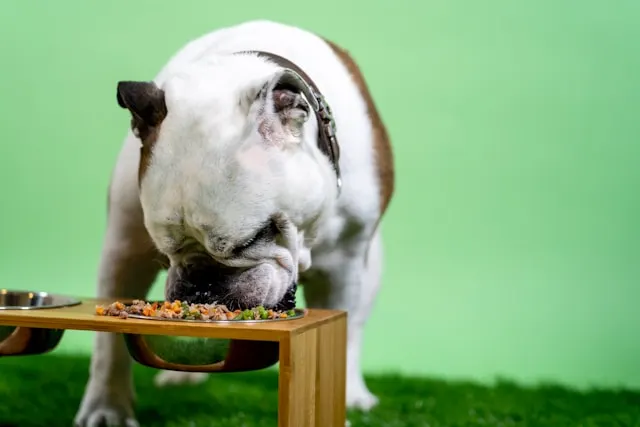
You’re slicing celery for an afternoon snack and those big, hopeful eyes are staring up at you from the kitchen floor. Your dog wants a bite, and you’re wondering if sharing is actually safe. Can dogs eat celery, or is this one of those sneaky “healthy” foods that’s actually harmful to pets? The good news is going to make both of you happy.
Quick Answer
Yes, dogs can eat celery safely. This low-calorie vegetable is packed with vitamins A, C, and K, plus potassium and fiber. It makes an excellent healthy treat for dogs who need to watch their weight. As long as you wash it, cut it into small pieces, and serve it in moderation, celery is a vet-approved snack for most dogs.
TL;DR: Celery is safe and nutritious for dogs. Cut it into bite-sized pieces to prevent choking, limit treats to 10% of daily calories, and skip the celery if your dog has kidney issues. Most dogs can enjoy it raw or cooked.
Key Takeaways
- Celery is safe for dogs when washed, chopped, and served plain without seasoning or dips.
- It’s low in calories and high in water content, making it ideal for overweight dogs who still want crunchy treats.
- Always cut celery into small pieces — the stringy fibers are a real choking hazard, especially for small breeds.
- Stick to the 10% treat rule — celery and all other snacks should make up no more than 10% of your dog’s daily food intake.
- Dogs with kidney problems should avoid celery because of its higher sodium content compared to other vegetables.

Table of Contents
Why Celery Matters for Your Dog’s Health
When dog owners think about healthy snacks, celery rarely comes to mind first. But this humble vegetable brings some serious benefits to the bowl. It’s one of the lowest-calorie vegetables available — a single medium stalk contains roughly 6 calories. For dogs struggling with weight management, that’s a game-changer.
Beyond the calorie count, celery delivers a solid nutritional punch. It contains vitamin A for eye health and immune function, vitamin C as an antioxidant, and vitamin K for proper blood clotting. The potassium supports healthy muscle and nerve function. There’s even a small bonus: veterinarians note that the crunchy texture can help scrape mild plaque from your dog’s teeth during chewing.
The flip side? Celery is not a miracle food. It shouldn’t replace balanced meals. And for some dogs — particularly those with sensitive stomachs — too much fiber from celery can cause gas, bloating, or loose stools. Moderation keeps the benefits coming without the bathroom emergencies.
How Celery Works in Your Dog’s Body
Understanding what happens after your dog swallows that celery stick helps you make smarter serving decisions. Celery is roughly 95% water, which means it contributes to hydration on warm days. The fiber content — about 1.6 grams per cup — supports healthy digestion by adding bulk to stool and feeding beneficial gut bacteria.
The vitamins absorb at different rates. Fat-soluble vitamin K absorbs best when eaten alongside a small amount of dietary fat, like your dog’s regular kibble. Water-soluble vitamins C and A pass through more quickly, so consistent small servings beat one large portion.
One thing many owners overlook is the natural sodium in celery. A single stalk contains about 32 milligrams of sodium. For a healthy dog, this is completely fine. But for dogs on sodium-restricted diets due to heart or kidney conditions, those milligrams add up. Always check with your vet if your dog has existing health concerns.
The celery strings — those tough fibers running along the stalk — are the part most likely to cause trouble. Dogs don’t chew as thoroughly as humans. Those long strings can wrap around teeth, get stuck in the throat, or create digestive blockages in smaller dogs. This is why proper preparation matters more than most owners realize.
Common Mistakes When Feeding Dogs Celery (and How to Fix Them)
Even safe foods become risky when served incorrectly. Here are the mistakes dog owners make most often with celery.
- Giving whole stalks to small dogs. A full celery stalk is a choking hazard for dogs under 20 pounds. The fix: cut celery into pieces no larger than half an inch for small breeds and one inch for larger dogs.
- Adding peanut butter or dips loaded with xylitol. Many sugar-free peanut butters contain xylitol, which is extremely toxic to dogs. The fix: always check the ingredient list. Use only xylitol-free peanut butter, or serve celery plain.
- Feeding celery leaves without checking them. The leaves are safe, but they tend to harbor more pesticide residue than the stalks. The fix: wash all parts thoroughly under running water, or buy organic celery when possible.
- Replacing meals with celery for weight loss. Celery alone doesn’t provide the protein, fat, or complete nutrition dogs need. The fix: use celery as a treat or food topper, not a meal replacement. If your dog needs help managing weight, explore superfoods for dogs that offer balanced nutrition alongside low-calorie snacking.
- Ignoring digestive changes after introducing celery. New foods can trigger stomach upset. The fix: start with one or two small pieces and wait 24 hours to watch for gas, vomiting, or diarrhea.
- Serving cooked celery with onions or garlic. These alliums are toxic to dogs, and celery cooked in soups or stir-fries often contains them. The fix: only offer plain cooked celery with no added seasonings, butter, or oils.
Supporting Your Dog’s Digestive Health
Some dogs have naturally sensitive stomachs, and introducing new foods like celery can temporarily disrupt digestion. If your dog tends to get gassy or experiences loose stools when trying new treats, a quality probiotic can help stabilize their gut.
Purina Pro Plan Veterinary Supplements FortiFlora is a veterinarian-recommended probiotic designed to support digestive health and firm up stools. It’s ideal for dogs transitioning to new foods or treats, and each packet sprinkles easily over your dog’s regular meal. The guaranteed live microorganisms promote a healthy intestinal balance. One honest drawback: it only contains a single probiotic strain, while some competing products offer a broader spectrum. Still, it’s one of the most widely trusted options among vets.
CHECK PRICE ON AMAZON: https://amzn.to/3ZySvV4
For dogs who could also use a broader nutritional boost alongside celery treats, a daily multivitamin fills in the gaps.
Googipet Premium Dog Multivitamin Chewable combines probiotics for gut health with vitamin C, glucosamine for joint support, and a range of essential nutrients in one chicken-flavored chew. It works well for puppies and senior dogs alike. The all-in-one formula means fewer supplements to manage. The limitation: dogs with poultry allergies may not tolerate the chicken flavoring. If your dog handles chicken treats fine, this is a convenient daily addition.
CHECK PRICE ON AMAZON: https://amzn.to/3ZzV6OD
How to Safely Feed Celery to Your Dog: Step by Step
Follow these steps to make celery a safe, enjoyable treat for your pup.
- Choose fresh, firm celery. Avoid stalks that are wilted, yellowed, or slimy. Fresh celery has a satisfying crunch and higher nutrient content.
- Wash thoroughly under cool running water. Rub the stalks with your fingers to remove dirt and pesticide residue. If you’re concerned about chemicals, soak the celery in a water-and-vinegar solution (3:1 ratio) for five minutes, then rinse.
- Trim the base and the top leafy portion. While leaves are technically safe, removing them reduces the risk of pesticide exposure and makes preparation simpler.
- Cut into bite-sized pieces. For small dogs (under 20 lbs), dice into half-inch cubes. For medium dogs (20–50 lbs), one-inch pieces work. Large dogs (50+ lbs) can handle slightly bigger chunks, but never whole stalks.
- Remove or shorten the strings. Run a vegetable peeler along the outer curve of each stalk to strip away the toughest fibers. This small step dramatically reduces choking risk.
- Serve plain or mix into food. You can offer celery pieces as standalone treats, mix them into kibble for a crunchy topper, or stuff them into a puzzle toy for mental stimulation.
- Start small and observe. Give your dog two or three small pieces the first time. Watch for 24 hours for signs of digestive upset like gas, vomiting, or changes in stool.
- Follow the 10% rule. All treats combined — celery included — should make up no more than 10% of your dog’s total daily caloric intake.
Troubleshooting: What If Something Goes Wrong?
Even with careful preparation, dogs are unpredictable. Here’s what to do if issues come up.
- If your dog gags or coughs after eating celery — they may have a string caught in their throat. Stay calm. If your dog is still breathing, offer a small amount of water and monitor closely. If coughing continues or breathing becomes labored, contact your vet immediately.
- If your dog vomits after eating celery — a single episode is usually just stomach sensitivity. Withhold food for a few hours, then offer a bland diet. If vomiting continues beyond 24 hours, see your vet.
- If you notice excessive gas or bloating — you likely gave too much. Cut the portion in half next time. Dogs with sensitive stomachs may do better with cooked celery, which is easier to digest than raw.
- If your dog has diarrhea after celery — the fiber may be too much for their system. Stop celery for a few days, then reintroduce at a smaller quantity. Dogs dealing with ongoing digestive troubles may benefit from reading about what to do when your dog has diarrhea.
- If your dog ate celery with seasoning or dip — check the ingredients for garlic, onion, or xylitol. If any toxic ingredient is present, call your vet or the ASPCA Animal Poison Control Center (888-426-4435) right away.
When to See a Veterinarian
Most dogs handle celery without any trouble. But certain situations call for professional help.
See your vet if your dog shows signs of a bowel obstruction after eating celery, including repeated vomiting, refusal to eat, a swollen or painful abdomen, or inability to pass stool. Small dogs and puppies are most at risk because of their narrower digestive tracts.
Also consult your vet before giving celery to dogs with kidney disease, heart conditions, or any diagnosis requiring a low-sodium diet. While celery’s sodium content is modest, it’s higher than many other vegetables and can interfere with therapeutic diets.
If your dog has a history of food allergies, introduce celery slowly and watch for itching, hives, or swelling around the face. True celery allergies in dogs are rare, but they do exist.
What Veterinary Experts Say About Celery for Dogs
Veterinarians generally consider celery a safe, healthy treat option for dogs. According to the American Kennel Club, celery is listed among the vegetables that are safe to share with your canine companion when prepared properly. The AVMA emphasizes that treats — including fruits and vegetables — should complement a complete and balanced diet, not replace any component of it.
The fiber and water content in celery make it especially useful for dogs who tend to overeat. Offering a few crunchy pieces between meals can satisfy the urge to chew without the calorie hit of commercial treats. Veterinarians recommend that owners always adjust portion sizes to their individual dog’s weight, breed, and health status. This guidance is general information and does not replace a veterinary diagnosis or personalized dietary plan for your pet.
Frequently Asked Questions
Can puppies eat celery?
Yes, puppies over 8 weeks old can eat celery. Cut it into very small pieces to prevent choking. Start with one or two bites and monitor for digestive upset before offering more.
Is cooked celery better than raw for dogs?
Cooked celery is softer and easier to digest, making it a good option for senior dogs or those with sensitive stomachs. Raw celery retains more nutrients and provides a satisfying crunch. Both are safe.
How much celery can I give my dog daily?
Follow the 10% treat rule. For a small dog, two to three bite-sized pieces is plenty. Medium dogs can have four to five pieces. Large dogs can enjoy a small handful. Adjust based on your dog’s tolerance.
Can celery cause choking in dogs?
Yes. The stringy fibers in celery are a choking risk, especially for small breeds. Always cut celery into small pieces and peel the strings before serving.
Is celery good for overweight dogs?
Absolutely. With only about 6 calories per stalk and high water content, celery is one of the best low-calorie treat options for dogs on a weight management plan.
Can dogs eat celery with peanut butter?
Yes, as long as the peanut butter does not contain xylitol. Check the ingredient label carefully. A thin spread of xylitol-free peanut butter on celery makes a tasty, safe treat.
Should I remove celery leaves before feeding my dog?
Celery leaves are safe but may contain more pesticide residue. Washing them thoroughly is usually enough. If you prefer extra caution, remove them entirely.
Can celery replace dog treats entirely?
Celery can substitute for some commercial treats but shouldn’t be the only reward. Dogs still need the protein and fat found in their regular food and purpose-made training treats.
Does celery freshen a dog’s breath?
To some extent, yes. The crunchy texture helps scrape mild plaque, and the water content rinses the mouth. However, celery is not a substitute for regular dental care. If bad breath persists, it may signal an underlying issue — similar to how certain health symptoms sometimes point to deeper problems.
Can dogs eat celery every day?
Yes, in small amounts. Daily celery is fine as long as it stays within the 10% treat guideline and your dog shows no digestive issues.
Final Thoughts on Feeding Your Dog Celery
Can dogs eat celery? Absolutely — and most dogs enjoy the satisfying crunch. This low-calorie vegetable brings real nutritional value to your dog’s snack rotation, from vitamins A, C, and K to hydration-boosting water content. The key is smart preparation: wash it well, chop it small, peel the strings, and keep portions reasonable.
Start with a few small pieces today and see how your dog responds. Chances are good those hopeful kitchen-floor eyes will light up even more next time they hear you pulling celery from the fridge. As with any dietary change, watch for signs of digestive upset and check with your vet if your dog has existing health conditions.
If you’re looking for more safe snack ideas, you might enjoy learning whether dogs can safely eat cucumbers, blueberries, or strawberries. Every healthy treat you add to the rotation is one more way to show your pup you care.