Picture this: your five-year-old runs through the backyard, giggling uncontrollably, while a patient Golden Retriever trots alongside her like a furry bodyguard. That’s the magic of finding the right family dog. But choosing the best dogs for kids isn’t just about picking the cutest face at the shelter. It takes a little homework to match the right breed temperament, energy level, and size to your family’s lifestyle.
Quick Answer
The best dogs for kids are breeds with gentle temperaments, high patience thresholds, and predictable behavior. Golden Retrievers, Labrador Retrievers, Beagles, and Cavalier King Charles Spaniels consistently rank among the top choices. The right breed depends on your home size, activity level, and the age of your children.
TL;DR: Gentle, patient, and trainable breeds make the safest companions for children. Medium-to-large breeds like Labs and Goldens work well for active families, while smaller breeds like Cavaliers and Pugs suit apartment life. Always match the dog’s energy to your family’s routine.
Key Takeaways
- Temperament matters more than breed size when choosing a dog for children.
- High-energy breeds need active families; a bored dog can develop problem behaviors.
- Early socialization and training are essential no matter which breed you pick.
- Supervision between young children and dogs is always necessary, even with the gentlest breed.
- Adopting an adult dog with a known temperament can be safer than choosing a puppy sight-unseen.
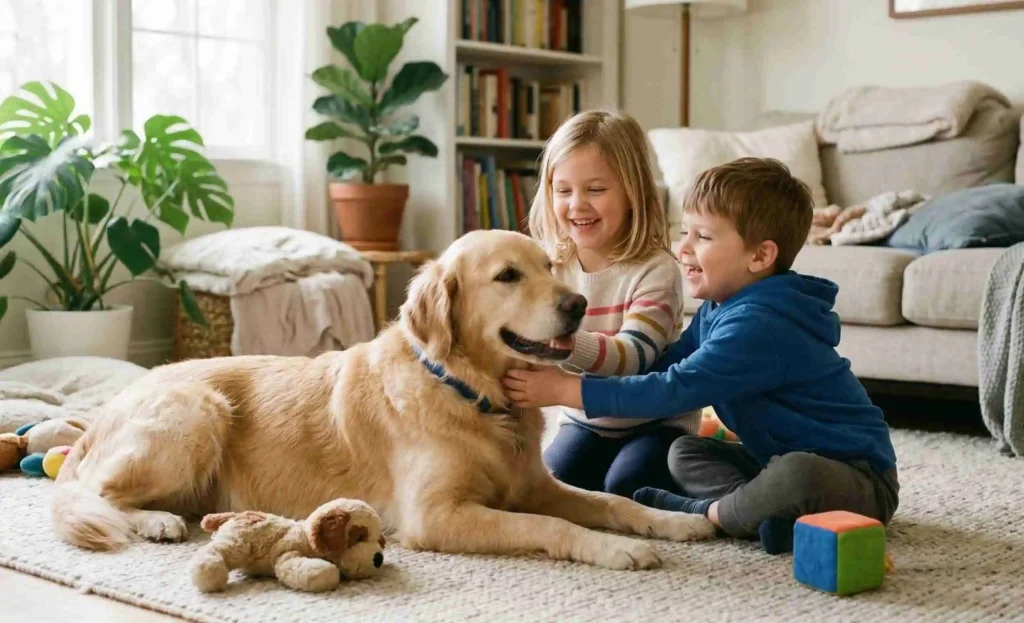
Table of Contents
Why Choosing the Right Breed Matters for Your Family
Bringing home the wrong dog for your household isn’t just inconvenient. It can lead to stress, behavioral issues, and even safety concerns. According to the American Veterinary Medical Association (AVMA), most dog bite incidents involving children happen with familiar dogs in the home. That’s not because those dogs are aggressive. It’s often because the match between the dog’s needs and the family’s lifestyle was off from the start.
A herding breed cooped up in a small apartment with toddlers may start nipping at ankles out of instinct. A timid toy breed might snap when a curious three-year-old grabs its ear. These situations are preventable when families take time to research breeds honestly.
The good news? Dozens of breeds thrive with children. You just need to know what to look for.
What Makes a Dog Great With Kids
Not every friendly dog is a great family dog. The best dogs for kids share a handful of traits that make daily life smoother and safer.
Patience and tolerance top the list. Kids are loud, unpredictable, and grabby. A dog that can handle accidental tail-pulls without reacting aggressively is worth its weight in gold.
Trainability comes next. Dogs that respond well to commands give parents a reliable way to manage interactions. According to the American Kennel Club (AKC), breeds with high trainability scores tend to integrate more smoothly into busy family life.
Energy match is often overlooked. A high-energy Border Collie needs hours of stimulation. If your family can’t provide that, the dog will find its own entertainment — and your couch cushions will pay the price.
Size considerations matter too, but not the way most people think. A sturdy medium-sized dog is often safer around toddlers than a tiny breed that could get injured during rough play.
The 15 Best Dogs for Kids (Breed-by-Breed Breakdown)
1. Golden Retriever
The poster child for family dogs. Goldens are patient, affectionate, and eager to please. They’re sturdy enough to handle rough-and-tumble play and smart enough to learn household rules quickly. They do shed heavily and need daily exercise, so they fit active families best.
Best for: Families with a yard and kids of all ages.
2. Labrador Retriever
America’s most popular breed for a reason. Labs are outgoing, gentle, and incredibly versatile. They love water, fetch, and basically any activity that involves their people. The English Labrador variety tends to be calmer and stockier, making it an especially good match for families with younger children.
Best for: Active families who want a loyal, all-around companion.
3. Beagle
Beagles are compact, sturdy, and endlessly cheerful. Their pack mentality means they bond tightly with every family member, including other pets. They can be vocal, so apartment dwellers should keep that in mind. Their nose can also lead them into trouble if the backyard fence isn’t secure.
Best for: Families who enjoy outdoor adventures and don’t mind a little howling.
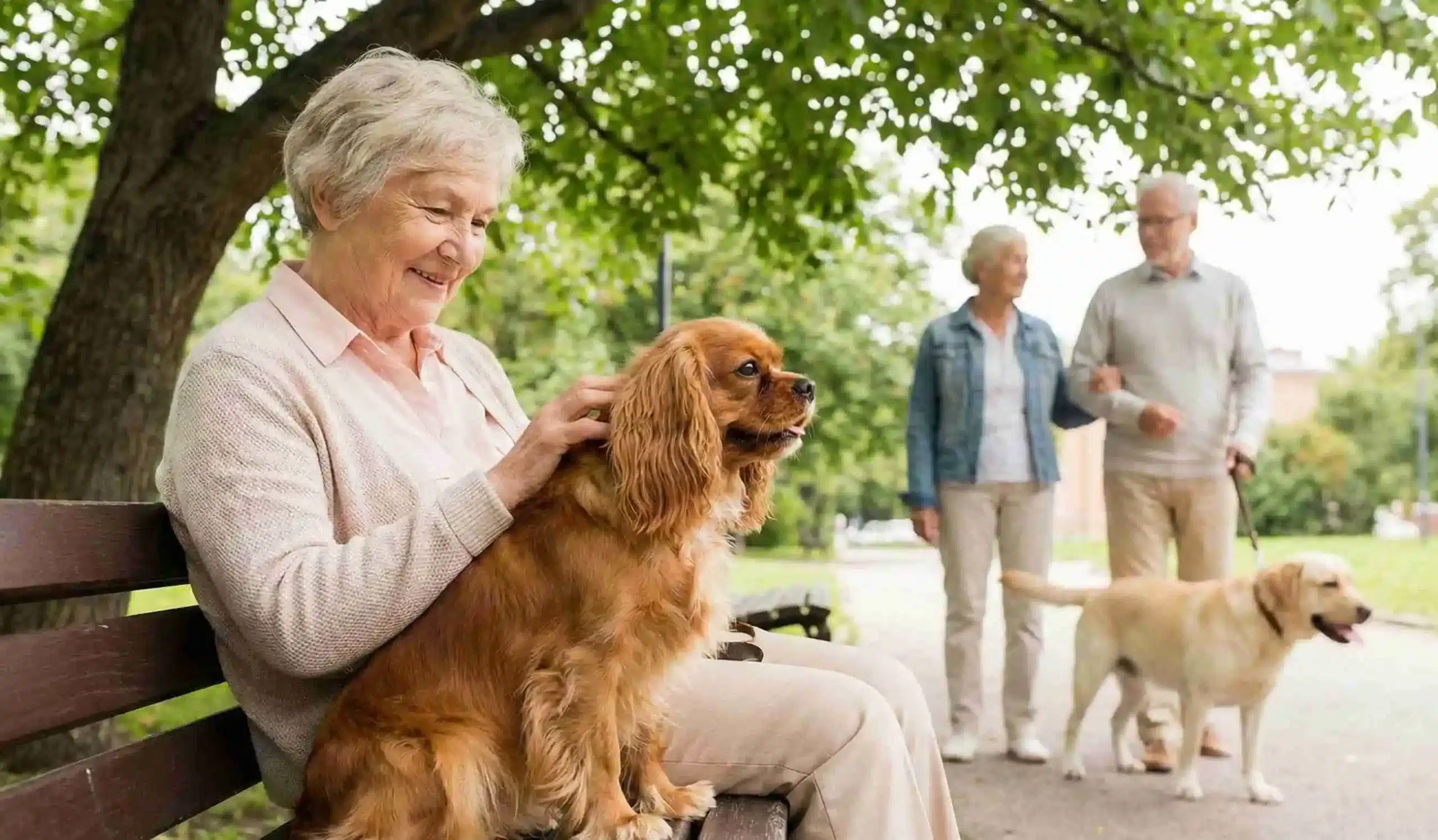
4. Cavalier King Charles Spaniel
Cavaliers are affectionate lap dogs that adore children. They’re gentle, adaptable, and small enough for apartment life but sturdy enough to play without being fragile. They do have some breed-specific health concerns, including heart conditions, so pet insurance is worth considering.
Best for: Families in smaller homes or with younger, gentler children.
5. Bulldog (English)
Don’t let the grumpy face fool you. Bulldogs are patient, loyal, and surprisingly gentle with kids. Their low energy makes them ideal for families who prefer relaxed evenings over marathon hikes. They do overheat easily, so warm climates require extra precaution.
Best for: Laid-back families and apartment dwellers.
6. Poodle (Standard or Miniature)
Poodles are hypoallergenic, highly intelligent, and athletic. Standard Poodles are sturdy enough for active play, while Miniatures work well in smaller spaces. They need regular grooming, but their low-shedding coats are a huge win for allergy-prone families.
Best for: Families with allergies or those who want a trainable, active dog.
7. Irish Setter
Irish Setters are playful, affectionate, and drop-dead gorgeous. Their energy level is high, so they need a family that can keep up. They get along beautifully with kids and other animals, making them great multi-pet household dogs.
Best for: Active, outdoorsy families with older children.
8. Boxer
Boxers are natural clowns. They’re playful, protective, and endlessly entertaining. Their muscular build makes them durable playmates, and their loyalty to family is fierce. They do need consistent training because their exuberance can overwhelm small children.
Best for: Energetic families who want a protective yet playful breed.
9. Collie
Think Lassie. Collies are intelligent, gentle, and naturally protective of children. They’re easy to train and rarely show aggression. Rough Collies need regular brushing, while Smooth Collies are lower maintenance.
Best for: Families who want a watchful, devoted companion.
10. Newfoundland
The “nanny dog.” Newfoundlands are massive, gentle giants that are famous for their patience with children. They’re excellent swimmers and natural protectors. Their size means they need space, and they drool. A lot.
Best for: Families with large homes and a love for gentle giants.
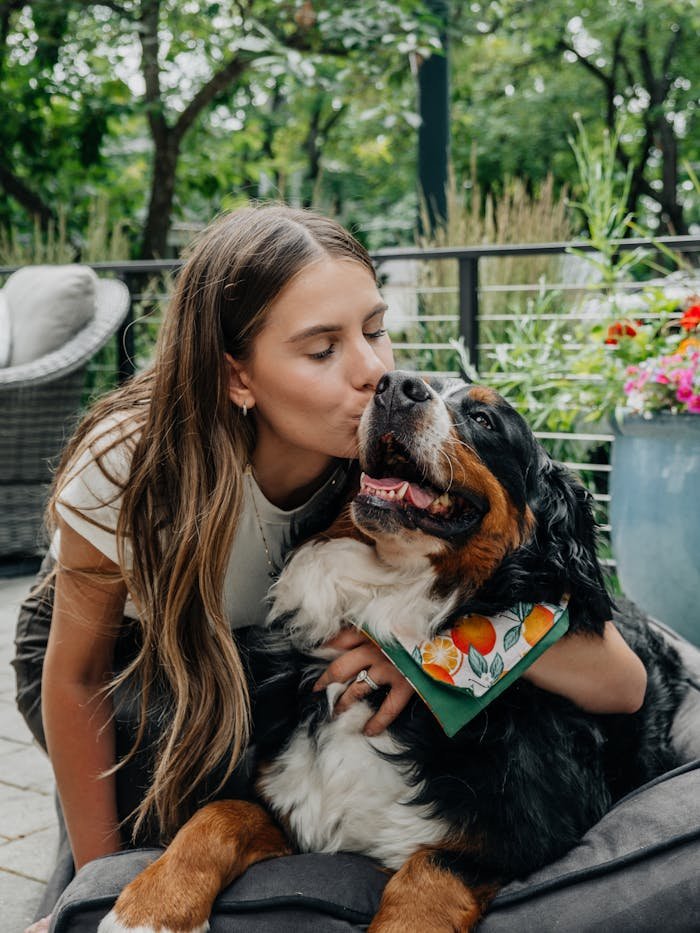
11. Bernese Mountain Dog
Berners are calm, affectionate, and great with children of all ages. They thrive in cooler climates and love being part of family activities. Their shorter lifespan (6–8 years) is something families should prepare for emotionally.
Best for: Families in cooler regions who want a devoted, easygoing companion.
12. Vizsla
Vizslas are velcro dogs. They stick to their people and form deep bonds with children. They’re athletic and need plenty of exercise, but their gentle nature makes them wonderful family pets.
Best for: Very active families who want a dog that’s always by their side.
13. Mini Goldendoodle
A cross between a Golden Retriever and a Miniature Poodle, the Mini Goldendoodle combines the best of both worlds. They’re friendly, low-shedding, and adaptable to various living situations. Temperament can vary with mixed breeds, so meeting the parents matters.
Best for: Allergy-conscious families who want a medium-sized, friendly dog.
14. Pug
Pugs are small, sturdy, and endlessly charming. They adore children and have a playful streak that keeps up with toddlers. They’re prone to breathing issues due to their flat faces, so moderate exercise is key.
Best for: Apartment families with younger kids who want a small, sturdy breed.
15. Cocker Spaniel
Cockers are happy, gentle, and eager to please. They bond closely with children and adapt well to different living environments. Regular grooming keeps their beautiful coats in shape.
Best for: Families who want a mid-sized, affectionate dog with moderate energy.
Common Mistakes Families Make (and How to Fix Them)
Even the best breed choice can go wrong without the right approach. Here are the most common pitfalls.
- Choosing based on looks alone. A Husky is stunning, but its energy and stubbornness can overwhelm a young family. The fix: research temperament and exercise needs before falling for a pretty face.
- Skipping early socialization. Puppies need exposure to children, sounds, and environments during their first 16 weeks. The fix: enroll in a puppy socialization class and invite friends with kids over regularly.
- Leaving young children unsupervised with the dog. Even the gentlest breed can react when startled or hurt. The fix: always supervise interactions, especially with children under six.
- Ignoring the dog’s exercise needs. Pent-up energy leads to destructive behavior. The fix: commit to daily walks, play sessions, and mental enrichment.
- Not teaching children how to interact with dogs. Kids need to learn not to pull tails, disturb eating dogs, or corner a resting pet. The fix: set clear rules from day one and model gentle behavior.
- Bringing home a puppy during a chaotic life phase. New baby, new house, new job — adding a puppy to the mix can backfire. The fix: wait until your routine is stable enough to dedicate time to training.
Helping Your New Dog Settle Into Family Life
A smooth transition makes all the difference. Follow these steps to set your family and your new dog up for success.
- Prepare the home before the dog arrives. Set up a quiet space with a bed, water bowl, and a few toys. If you’re bringing home a puppy, crate training from the start creates a safe retreat when things get overwhelming.
- Introduce children calmly. Have kids sit quietly while the dog approaches them. No screaming, no grabbing. Let the dog sniff and explore at its own pace.
- Establish a daily routine immediately. Dogs thrive on predictability. Set consistent feeding times, walk schedules, and designated play periods.
- Start training on day one. Basic commands like sit, stay, and leave it give you control during interactions with children. Positive reinforcement works best.
- Create boundaries the whole family follows. If the dog isn’t allowed on the couch, everyone enforces it. Inconsistency confuses dogs and undermines training.
- Schedule a vet visit within the first week. Confirm vaccinations are current and discuss a preventive care plan tailored to your dog’s breed and age.
When your family also includes cats, taking time to properly introduce a cat to your new dog prevents territorial conflicts before they start.
Getting a puppy brings its own set of challenges. Nipping, chewing, and housetraining accidents are normal but manageable when you know what to expect. Having a plan for common puppy behavior problems keeps frustration low and progress steady.
A heartbeat toy can ease the transition for young puppies adjusting to their new home. The Snuggle Puppy Heartbeat Toy mimics the warmth and heartbeat of a littermate, which helps reduce whining and anxiety during those first few nights. It’s especially useful for families with young children who might be kept awake by a crying puppy. The pulsing heartbeat is surprisingly realistic, and the toy is machine washable — a must in any kid-filled household. It won’t replace consistent crate training, but it makes the process noticeably smoother.
CHECK PRICE ON AMAZON: https://amzn.to/4kCZCoX
Teething is another early hurdle. Puppies explore the world with their mouths, and that means your kids’ toys are fair game. Redirecting chewing to appropriate outlets protects both your belongings and your puppy’s teeth. The Nylabone Puppy Starter Kit includes three different textures designed specifically for teething puppies. The variety keeps puppies engaged, and the flavors (chicken and bacon) mean they’ll actually prefer these over your child’s stuffed animals. They’re sized for puppies up to 25 pounds, so larger breeds will outgrow them quickly.
CHECK PRICE ON AMAZON: https://amzn.to/4kCd24J
Troubleshooting Common Family Dog Issues
- If your dog hides from children → Give the dog a safe space (like a crate with the door open) where kids aren’t allowed to follow. Gradually increase exposure with positive associations like treats.
- If your puppy nips at kids during play → Redirect immediately with a toy and end the play session briefly. Teach children to freeze and turn away when nipping starts.
- If the dog resource-guards food or toys around children → Feed the dog in a separate room and pick up high-value chews when kids are playing nearby. Consult a certified dog trainer if guarding escalates.
- If siblings fight over who gets to walk or feed the dog → Create a rotating chore chart so every child has equal responsibility and bonding time.
- If the dog jumps on small children → Train an automatic sit for greetings. Reward all four paws on the floor and ignore jumping completely.
When to See a Professional
Most family dog challenges are normal and trainable. But some situations need expert help.
Contact a certified professional dog trainer (CPDT-KA) or veterinary behaviorist if your dog growls or snaps at children repeatedly, shows stiff body language or whale eye around kids, has a sudden personality change, or guards resources aggressively despite redirection. These behaviors don’t necessarily mean you have a dangerous dog. They mean the dog is communicating stress, and a professional can identify the trigger and build a behavior modification plan.
If your dog shows signs of anxiety beyond normal adjustment — excessive panting, destructive behavior when alone, or refusal to eat — a vet visit can rule out medical causes and explore options.
Expert Insight
Veterinarians recommend that families involve every household member in the dog selection process. According to the AVMA’s guidelines on selecting a pet, matching a dog’s needs to your family’s activity level is the single most important factor in a successful placement. Breed alone doesn’t determine behavior; individual temperament, early socialization, and consistent training shape how any dog interacts with children.
The AKC reinforces that no breed is inherently “safe” or “dangerous.” Any dog can bite when scared, in pain, or pushed past its limits. Teaching children to read canine body language — like a tucked tail, flattened ears, or a turned head — prevents most negative interactions before they happen.
This article provides general information and is not a substitute for professional veterinary advice. Always consult your veterinarian for guidance specific to your dog’s health and behavior.
FAQs
What is the best dog breed for a family with toddlers? Golden Retrievers and Labrador Retrievers are top picks for toddler households. Their patience, sturdy build, and trainability make them reliable companions for unpredictable little ones.
Are small dogs safe around young children? Some small breeds, like Cavalier King Charles Spaniels, do well with gentle children. Fragile toy breeds can be injured easily, so supervision and teaching children to be gentle are essential.
What age should a child be before getting a dog? There’s no perfect age. Children around five or six can begin learning basic dog care responsibilities. However, adult supervision during all interactions is necessary regardless of the child’s age.
Do mixed-breed dogs make good family pets? Absolutely. Many mixed-breed dogs from shelters have wonderful temperaments. Meeting the dog first and learning about its behavior history gives you a clear picture of compatibility.
How do I teach my child to behave around a dog? Model gentle touching, set firm rules about not disturbing eating or sleeping dogs, and teach children to ask permission before approaching unfamiliar dogs. Role-playing these scenarios helps younger kids remember.
Which dog breeds should families avoid? Rather than labeling breeds as “bad,” focus on individual temperament and energy match. High-drive working breeds or dogs with strong guarding instincts may need experienced handlers rather than first-time family environments.
How much exercise does a family dog need? Most family-friendly breeds need 30 to 60 minutes of daily exercise. High-energy breeds like Vizslas or Irish Setters may need 90 minutes or more.
Is it better to get a puppy or an adult dog for kids? Adult dogs with known temperaments are often a safer bet, especially for families with young children. Puppies require intensive training and supervision that can overwhelm busy parents.
Can family dogs help children with anxiety? Research supports that dogs can reduce stress and anxiety in children. The companionship, routine, and unconditional affection dogs provide can have a calming effect on anxious kids.
How do I introduce a new dog to my children safely? Keep initial introductions calm and quiet. Let the dog approach children rather than the other way around. Supervise every interaction during the first few weeks and reward calm behavior from both the dog and the children.
Final Thoughts
Finding the best dogs for kids comes down to matching temperament, energy, and size to your family’s real daily life — not the idealized version. A patient Golden Retriever might be perfect for one household, while a compact Cavalier fits another beautifully.
Take your time with the decision. Visit breeders or shelters more than once. Let your children meet the dog in a calm setting. Ask about the dog’s history with kids if you’re adopting an adult.
Once your new dog is home, invest in training from day one, set clear household rules, and teach your children to be respectful, gentle companions. The bond between a child and their dog is one of the most rewarding relationships in a family’s life.
Your next step? Sit down with your family tonight, discuss the breeds on this list, and decide which traits matter most to your household. Then start visiting local shelters or reaching out to reputable breeders. Your family’s perfect dog is out there waiting.