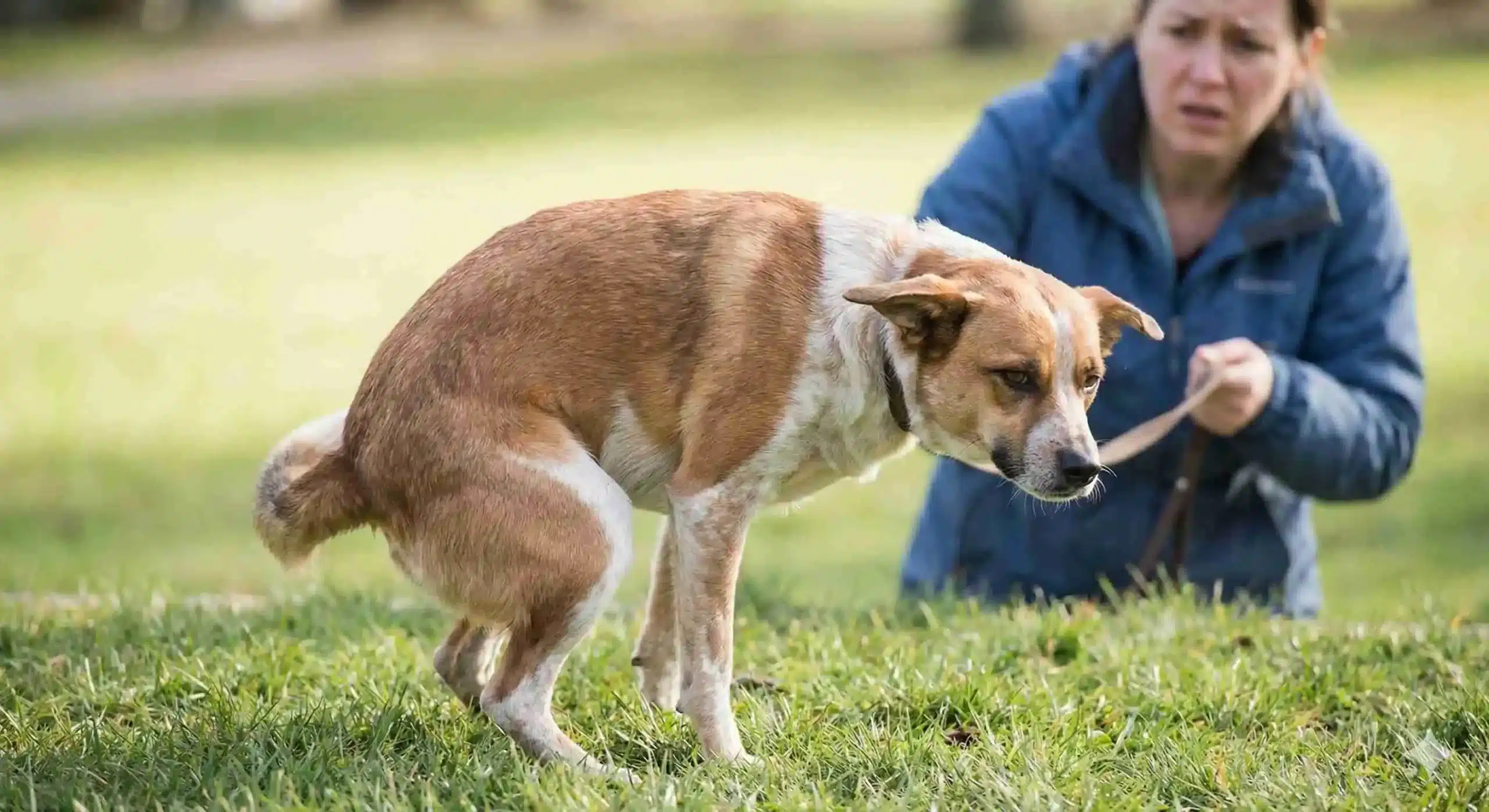
You’re sitting on the couch when you notice your dog trembling beside you. Their whole body seems to vibrate, and you’re not sure if they’re cold, scared, or something worse. Dog shaking is one of those symptoms that can mean absolutely nothing—or signal a trip to the emergency vet.
Quick Answer
Dog shaking happens for many reasons, from harmless excitement and cold temperatures to serious conditions like poisoning or neurological disorders. Most shaking is temporary and resolves on its own, but persistent tremors, shaking paired with other symptoms, or sudden onset in older dogs warrants immediate veterinary attention.
TL;DR: Shaking can be normal (cold, excitement, dreaming) or a red flag (toxins, pain, seizures). Watch for accompanying symptoms like vomiting, lethargy, or loss of coordination—these require urgent vet care.

Table of Contents
Key Takeaways
- Cold, fear, and excitement cause most temporary shaking episodes in healthy dogs
- Small breeds and senior dogs shake more frequently due to metabolism and muscle changes
- Poisoning, hypoglycemia, and seizure disorders require emergency veterinary intervention
- Persistent shaking lasting more than 30 minutes or paired with weakness needs immediate attention
- Keep a symptom log (when it started, duration, triggers) to help your vet diagnose faster
Why It Matters
Shaking might seem like a minor quirk, but it’s your dog’s way of signaling discomfort or distress. Ignoring persistent tremors can allow treatable conditions to worsen. A dog shaking from low blood sugar can slip into a coma within hours. One with kidney disease might shake as toxins build up in their system.
On the flip side, panicking over every shake creates unnecessary stress for both of you. Understanding the difference between “my Chihuahua shivers when it’s 65 degrees” and “my Lab is trembling and can’t stand up” helps you respond appropriately. Most shaking episodes are benign, but the serious ones demand fast action.
The key is pattern recognition. A dog who shakes during thunderstorms probably has anxiety. A dog who suddenly starts shaking at age 10 with no clear trigger needs bloodwork and imaging.
How Shaking Works in Dogs
Shaking is involuntary muscle contraction—your dog’s muscles rapidly tense and relax without conscious control. This happens through the nervous system, which sends signals from the brain down the spinal cord to muscle groups.
Normal shaking serves important functions. When your dog is cold, their muscles contract to generate heat. After a bath, that full-body shake removes 70% of water from their coat in seconds. During REM sleep, muscle twitches accompany vivid dreams.
Abnormal shaking stems from disrupted nerve signals. Toxins can interfere with neurotransmitters. Pain triggers protective muscle tension. Low blood sugar starves brain cells of energy, causing misfiring signals. Inflammatory conditions attack the nervous system directly.
The cerebellum—the brain region controlling coordination—plays a major role. Damage here causes characteristic head tremors and wobbly movements. The hypothalamus regulates body temperature; dysfunction here leads to shivering even in warm environments.
Understanding this helps you identify the cause. Whole-body shaking suggests systemic issues (cold, fear, toxins). Localized shaking in one limb points to injury or nerve damage. Head-only tremors indicate cerebellar problems.
11 Common Causes of Dog Shaking
1. Cold Temperature
Small dogs, short-haired breeds, and puppies lose body heat rapidly. When their core temperature drops, involuntary shivering generates warmth through muscle activity.
What to look for: Shaking stops once they’re warm. No other symptoms. Happens in cold weather or after baths.
Breeds most affected: Chihuahuas, Italian Greyhounds, Whippets, Chinese Cresteds
2. Excitement or Anticipation
Happy shaking is common when dogs see their favorite person, hear the leash jingle, or watch you prepare their food. Adrenaline surges cause temporary tremors.
What to look for: Tail wagging, alert ears, happy body language. Shaking stops after the exciting event passes.
When it’s a problem: If excitement shaking is excessive, work on calm greetings and impulse control training.
3. Fear and Anxiety
Thunderstorms, fireworks, vet visits, and unfamiliar environments trigger stress responses. The body releases cortisol and adrenaline, which can manifest as shaking.
What to look for: Tucked tail, flattened ears, hiding, panting, yawning, lip licking alongside the tremors.
Management tip: Create a safe space with white noise, compression wraps, or calming supplements.
Learn more in our comprehensive dog anxiety guide and explore calming products that work.
4. Pain or Discomfort
Dogs mask pain instinctively, but shaking often gives them away. Arthritis, injuries, abdominal pain, and dental problems all cause trembling. Joint issues are especially common—see our complete guide to dog limping for related symptoms.
What to look for: Reluctance to move, limping, whining, changes in posture, decreased appetite.
Red flag: Abdominal pain with shaking can indicate pancreatitis, bloat, or intestinal obstruction—all emergencies.
5. Nausea and Digestive Upset
Before vomiting, many dogs shake or tremble. The vagus nerve connecting the stomach to the brain triggers this response.
What to look for: Excessive drooling, lip smacking, eating grass, restlessness, eventual vomiting or diarrhea. If vomiting continues, read our guide on why dogs throw up yellow bile or check fast diarrhea treatments.
When to worry: Shaking with a distended abdomen, especially in deep-chested breeds, suggests bloat—seek emergency care immediately.
6. Hypoglycemia (Low Blood Sugar)
Toy breeds, puppies, and diabetic dogs are prone to dangerous blood sugar drops. The brain depends on glucose; when levels crash, tremors and seizures can follow.
What to look for: Weakness, disorientation, collapse, glassy eyes. Often happens after play or if a meal is skipped.
Emergency response: Rub corn syrup or honey on their gums and get to a vet. This is life-threatening.
7. Toxin Ingestion
Chocolate, xylitol (sugar-free gum), rat poison, antifreeze, and certain plants cause neurological symptoms including shaking, seizures, and tremors.
What to look for: Sudden onset, drooling, vomiting, diarrhea, lethargy, incoordination. You might find chewed packaging nearby.
Action required: Call ASPCA Poison Control (888-426-4435) and your vet immediately. Time is critical.
8. Seizure Disorders
Epilepsy and other seizure conditions cause episodes ranging from subtle tremors to full convulsions. Post-seizure shaking is common during the recovery phase.
What to look for: Loss of consciousness, paddling legs, drooling, loss of bowel/bladder control. The dog seems confused afterward.
Important distinction: Not all seizures involve dramatic convulsions. “Focal seizures” can look like isolated shaking or twitching in one body part.
9. Neurological Conditions
Distemper, inflammatory brain disease, degenerative myelopathy, and brain tumors disrupt normal nerve function. Shaking is often progressive and paired with other symptoms.
What to look for: Head tilting, circling, loss of coordination, vision changes, behavioral changes, chronic or worsening tremors.
Diagnosis: Requires veterinary neurological exam, bloodwork, MRI, or spinal fluid analysis.
10. Addison’s Disease
This hormone disorder occurs when the adrenal glands don’t produce enough cortisol. Dogs experience weakness, shaking, vomiting, and collapse during “Addisonian crises.”
What to look for: Episodic symptoms that come and go, often triggered by stress. Lethargy, poor appetite, weight loss between episodes.
Who’s at risk: Young to middle-aged female dogs, particularly Standard Poodles, Portuguese Water Dogs, and Bearded Collies.
11. Old Age and Muscle Weakness
Senior dogs develop tremors as muscle mass decreases and nerve function declines. This is often benign but can indicate conditions like canine cognitive dysfunction.
What to look for: Gradual onset, affects the hind legs most, worsens with exertion, improves with rest.
Support options: Joint supplements, orthopedic bedding, gentle exercise, physical therapy.
Discover more solutions in our senior dog nutrition guide and common myths about aging dogs.
Tools & Product Recommendations
Cozila Orthopedic Dog Bed for Extra Large Dogs
Senior dogs and those with joint pain benefit from egg crate foam support that distributes weight evenly and reduces pressure on hips and elbows. This bed features a waterproof lining to protect against accidents, a soft short plush surface that’s gentle on aging joints, and a machine-washable removable cover for easy maintenance. The anti-slip bottom keeps it stable on hardwood or tile floors.
Available in six sizes from Medium (30″x20″x3″) for dogs up to 40 lbs, to XX-Large (47″x29″x4″) for giant breeds over 100 lbs. The egg crate foam design promotes airflow and prevents overheating, which is especially helpful for dogs who shake from temperature sensitivity or anxiety—a cool, comfortable bed can reduce stress-related tremors.
One limitation: The plush cover may attract pet hair and require frequent washing if your dog sheds heavily. Best for medium to giant breeds who shake due to arthritis, age-related muscle weakness, or dogs recovering from surgery who need orthopedic support.
Need more bedding options? Compare our picks for the best dog beds of 2025 across all budgets and sizes.
ThunderShirt Classic Anxiety Jacket
Constant gentle pressure calms anxious dogs during storms, fireworks, or separation. According to surveys by veterinary behaviorists, about 80% of dogs show improvement with compression garments. The ThunderShirt fastens with Velcro for easy adjustment and works for both temporary stress and chronic anxiety.
It won’t help medical causes of shaking (pain, toxins, seizures) but excels for fear-based trembling. Comes in sizes from XXS (7-11 lbs) to XXL (110+ lbs). Washable and reusable.
For more options, explore our full review of calming products for anxious dogs.
Pet Wellbeing Adrenal Harmony Gold
This herbal supplement supports adrenal function and helps dogs with Addison’s disease or chronic stress. It contains adaptogens like ashwagandha and licorice root. Veterinarians recommend it as complementary support (not a replacement for prescribed medications).
Dosing is twice daily based on weight. Works best for dogs with diagnosed hormonal issues or those recovering from chronic stress-related shaking. Not suitable for pregnant dogs or those with high blood pressure.
Step-by-Step: What to Do When Your Dog Shakes
Step 1: Assess the Situation (30 seconds)
Check for obvious causes first. Is your dog wet or in a cold room? Did they just have an exciting experience? Are they near something scary like a vacuum cleaner? If yes, address that trigger and see if shaking stops within 5 minutes.
Step 2: Check for Additional Symptoms (1 minute)
Look for vomiting, diarrhea, drooling, weakness, loss of balance, or changes in consciousness. Check their gums—they should be pink and moist, not pale or blue. Feel their body for injuries or tender spots. Note their temperature by feel (ears and paws should be warm, not icy or burning hot).
Step 3: Move to a Calm, Warm Environment (2 minutes)
Bring your dog to a quiet room away from noise and activity. If they’re cold, wrap them in a blanket or towel. Turn on soft music or white noise if fear seems to be a factor. Sit nearby without hovering—your calm presence helps.
Step 4: Offer Water and Monitor (10-15 minutes)
Dehydration worsens many conditions. Encourage drinking but don’t force it. Watch for improvement. If shaking decreases or stops entirely, continue observing for another hour. If it persists or worsens, move to Step 5.
Step 5: Document Everything (2 minutes)
Write down when shaking started, how long it’s lasted, any triggers you noticed, and all accompanying symptoms. Record what your dog ate in the past 24 hours and whether they could have accessed any toxins. Take a video if possible—this helps your vet tremendously.
Step 6: Contact Your Veterinarian
Call your regular vet for guidance. They’ll help you determine if it’s an emergency or can wait for an appointment. After hours, use an emergency clinic if shaking is severe, accompanied by collapse, seizures, or if your dog ingested something toxic.
Step 7: Prevent Future Episodes
Once you know the cause, take preventive action. Keep your house warmer for cold-sensitive breeds. Use anxiety tools before known triggers. Store medications and toxic substances securely. Maintain consistent feeding schedules for dogs prone to low blood sugar. Toy breeds benefit from hypoallergenic diets and targeted supplements to support overall health.
Situational Guide: Cold vs. Fear vs. Medical
Cold-Related Shaking:
- Stops within 5-10 minutes of warming up
- No other symptoms present
- Happens in predictable situations (after baths, winter walks, air conditioning)
- Dog acts normal otherwise—eating, playing, alert
- What to do: Provide a sweater, blanket, or warm room. Increase room temperature or limit outdoor time in cold weather.
Fear/Anxiety Shaking:
- Triggered by identifiable stressors (storms, strangers, loud noises)
- Accompanied by stress signals: tucked tail, whale eye, yawning, panting
- Dog seeks hiding spots or clings to owner
- Appetite and energy normal when trigger is absent
- What to do: Remove or reduce the trigger. Use calming aids like compression wraps, pheromone diffusers, or medication for severe cases.
Review our anxiety management strategies for effective calming techniques.
Medical Emergency Shaking:
- Sudden onset with no clear environmental cause
- Other symptoms present: vomiting, weakness, loss of coordination, pale gums
- Shaking worsens or doesn’t resolve within 30 minutes
- Dog can’t stand, walk normally, or seems confused
- What to do: Contact emergency veterinary services immediately. Bring any potentially ingested substances or packaging with you.
Breed & Size Considerations
Small Breeds (Under 20 lbs):
Chihuahuas, Yorkshire Terriers, Toy Poodles, Pomeranians, Italian Greyhounds
These dogs have high metabolic rates and lose body heat rapidly. Shaking from cold is extremely common. They’re also prone to hypoglycemia, especially as puppies or if they’re picky eaters. Excitement shaking is frequent due to their naturally high-strung temperaments.
Management: Keep indoor temperature above 68°F. Feed small meals 3-4 times daily. Learn proper puppy care schedules to prevent hypoglycemia in young toy breeds. Use sweaters outdoors in cool weather. Monitor closely during play to prevent blood sugar crashes.
Medium Breeds (20-50 lbs):
Cocker Spaniels, Beagles, Border Collies, Australian Shepherds
Medium dogs shake most often from anxiety or pain. Working breeds may develop tremors from overexertion. Hunting breeds sometimes shake from excitement before a walk or car ride.
Management: Provide adequate exercise to reduce anxiety-based shaking. Watch for signs of joint pain in active dogs. Use calming protocols for stress-prone individuals.
Large Breeds (50-90 lbs):
Labrador Retrievers, Golden Retrievers, German Shepherds, Boxers
Large breeds rarely shake from cold but frequently develop age-related tremors as senior dogs. Degenerative myelopathy causes progressive hind leg weakness and shaking in German Shepherds. Labs and Goldens may shake during nausea or digestive upset.
Management: Maintain healthy weight to reduce joint stress. Provide orthopedic bedding. Monitor for bloat symptoms (shaking + distended abdomen) which is life-threatening in deep-chested breeds.
Giant Breeds (Over 90 lbs):
Great Danes, Mastiffs, Saint Bernards, Newfoundlands
These gentle giants are prone to cardiac issues that can manifest as shaking or trembling. They also experience rapid aging—a 7-year-old giant breed is equivalent to a 12-year-old small breed. Bloat is a critical concern when shaking accompanies abdominal distension.
Management: Schedule cardiac screenings starting at age 5. Feed multiple small meals to reduce bloat risk. Provide joint support early to maintain mobility. Know the signs of life-threatening emergencies specific to giant breeds.
Common Mistakes (and Fixes)
Assuming small dog shaking is always normal. Small breeds do shake more, but that doesn’t mean every episode is harmless. The fix: Track patterns. If shaking becomes more frequent or severe, or if new symptoms appear, consult your vet even if “they’ve always been shaky.”
Waiting too long to seek help for toxin exposure. Many owners wait to see if symptoms worsen, but with toxins, every minute counts. The fix: If you even suspect poisoning, call ASPCA Poison Control and your vet immediately. Early intervention prevents permanent damage.
Confusing seizures with regular shaking. Seizures involve loss of consciousness, rigid muscles, or paddling movements—not just trembling. The fix: Video any unusual episodes. Seizures require different treatment than anxiety or pain-related shaking. If your dog shows signs of respiratory distress along with shaking, check our coughing causes guide to rule out kennel cough or other conditions.
Overdressing dogs who don’t need it. Not every shaking dog needs a sweater. If your Lab is shaking, the problem isn’t cold. The fix: Identify the actual cause instead of adding layers that could overheat your dog.
Ignoring patterns in senior dogs. “They’re just getting old” dismisses treatable conditions like arthritis, cognitive dysfunction, or organ disease. The fix: Document when and where shaking occurs. Senior dogs deserve diagnostic workups to maintain quality of life.
Using human medications without vet approval. Never give acetaminophen, ibuprofen, or aspirin to a shaking dog—these are toxic. The fix: Call your vet before administering any medication. What helps humans can kill dogs.
Punishing fear-based shaking. Yelling at a scared dog who’s trembling increases their anxiety. The fix: Use positive reinforcement to create positive associations with triggers. Work with a certified dog trainer on desensitization. According to the American Veterinary Society of Animal Behavior, punishment-based methods worsen anxiety disorders.
Troubleshooting (If/Then)
If your dog only shakes in the morning, then consider hypoglycemia (especially toy breeds) or arthritis that’s worse after sleeping. Feed a small snack before bed and provide soft bedding.
If shaking happens only during specific activities (like eating or drinking), then dental pain, neck pain, or swallowing difficulty may be the cause. Schedule a veterinary dental exam.
If your puppy shakes after playing, then blood sugar may have dropped. Offer a snack immediately and shorten play sessions. Feed four small meals daily instead of two.
If shaking started after a new medication, then it could be a side effect. Contact your vet—never stop prescribed medications without guidance.
If tremors are isolated to the head, then idiopathic head tremor syndrome or cerebellar issues are likely. This requires neurological evaluation.
If your dog shakes and seeks you out for comfort, then anxiety or fear is probable. Create a den-like safe space and consider calming supplements or medication for severe cases.
If shaking occurs with panting and pacing, then pain is a strong possibility. Look for subtle signs: reluctance to jump, slower movements, or sensitivity when touched. Schedule a vet exam.
If your senior dog shakes mostly in the hind legs, then muscle atrophy, arthritis, or degenerative myelopathy could be progressing. Discuss mobility aids and pain management with your vet.
When to See a Veterinarian
Seek emergency care immediately if:
- Shaking accompanies collapse, inability to stand, or severe weakness
- Your dog ingested any potentially toxic substance (chocolate, medications, plants, chemicals)
- Gums are pale, white, or blue instead of healthy pink
- Shaking occurs with a distended, hard abdomen (possible bloat)
- A seizure lasts longer than 5 minutes or multiple seizures occur within one hour
- Your dog is unresponsive, confused, or doesn’t recognize you
- Breathing is labored or rapid (over 40 breaths per minute at rest)
- Shaking is accompanied by profuse vomiting or bloody diarrhea
Schedule an appointment within 24 hours if:
- Shaking persists for more than 30 minutes without obvious cause
- Your dog refuses food or water for more than 12 hours
- Behavioral changes accompany the shaking (aggression, confusion, hiding)
- You notice pain signs: limping, whining, reluctance to move
- Shaking episodes are increasing in frequency or severity
- Your senior dog suddenly develops tremors they’ve never had before
- Weight loss, lethargy, or other symptoms develop alongside shaking
Monitor at home if:
- Shaking stopped after warming up and your dog acts completely normal
- The cause was clearly excitement or fear and resolved when the trigger disappeared
- Your dog has a known anxiety disorder and shaking matches their usual pattern
- A puppy or toy breed had brief shaking that resolved after eating
Always err on the side of caution. According to the American Veterinary Medical Association, symptoms that seem minor can indicate serious underlying conditions. Your vet would rather you call unnecessarily than wait too long for a true emergency.
FAQs
Why does my dog shake when sleeping?
Dogs experience REM sleep with vivid dreams just like humans. Muscle twitches, leg paddling, and mild shaking during sleep are completely normal. If shaking is violent enough to wake them or happens while they’re awake and “zoning out,” this could indicate seizure activity requiring veterinary evaluation.
Is shaking a sign of pain in dogs?
Yes, pain is one of the most common medical causes of shaking. Dogs instinctively hide discomfort, but trembling often reveals it. Look for other pain indicators: reluctance to move, changes in posture, decreased appetite, or sensitivity when touched. Arthritis, injuries, and abdominal pain frequently cause shaking.
Can anxiety make a dog shake?
Absolutely. Fear and anxiety trigger adrenaline release, which causes trembling. Separation anxiety, storm phobias, and general nervousness all manifest as shaking. If your dog trembles during predictable triggers (thunderstorms, car rides, vet visits) and shows other stress signals like panting or hiding, anxiety is likely the cause.
What toxins cause dogs to shake?
Common toxic substances include chocolate, xylitol (found in sugar-free products), marijuana, antifreeze, rat poison, certain plants (sago palm, oleander), human medications (antidepressants, ADHD meds), and household chemicals. Tremors often appear alongside vomiting, drooling, weakness, or seizures. This is always an emergency.
Do all small dogs shake more than large dogs?
Small breeds have higher metabolic rates and less body mass to retain heat, making them more prone to shaking from cold. Breeds like Chihuahuas and Italian Greyhounds are also naturally more high-strung, leading to excitement and anxiety shaking. However, shaking in any breed can indicate medical problems regardless of size.
Why does my old dog shake?
Senior dogs develop tremors from muscle atrophy, arthritis, cognitive decline, or neurological degeneration. Conditions like kidney disease and Cushing’s disease also become more common with age. While some geriatric shaking is benign, new or worsening tremors warrant veterinary examination to rule out treatable conditions.
Should I wake my dog if they’re shaking while sleeping?
Usually not necessary. Mild twitching and paddling during dreams is normal REM sleep behavior. However, if your dog seems distressed, is shaking violently, or doesn’t wake easily, they could be having a seizure. In that case, gently speak their name and time the episode—if it exceeds 5 minutes, seek emergency care.
Can dog shaking be cured?
It depends on the cause. Cold-related shaking resolves with warmth. Anxiety may require ongoing management but improves with training and medication. Hypoglycemia is preventable with proper feeding schedules. However, conditions like epilepsy or degenerative neurological disease require lifelong management rather than cure. Accurate diagnosis determines the prognosis.
What’s the difference between shaking and seizures?
Shaking involves conscious muscle tremors—your dog remains aware and responsive. Seizures typically include loss of consciousness, rigid muscles, paddling legs, drooling, and sometimes loss of bowel or bladder control. After seizures, dogs seem confused and disoriented. Some focal seizures cause isolated twitching but seizure patterns are rhythmic and your dog can’t stop them voluntarily.
When is dog shaking an emergency?
Seek immediate veterinary care if shaking accompanies collapse, pale gums, difficulty breathing, known toxin exposure, severe weakness, distended abdomen, seizures, or if your dog seems confused or unresponsive. Shaking lasting over 30 minutes without improvement or progressively worsening tremors also require urgent attention.
Conclusion
Dog shaking ranges from completely harmless to life-threatening depending on the context. Most episodes stem from cold, excitement, or temporary anxiety and resolve quickly once you address the trigger. Your Chihuahua shivering after a winter walk needs a sweater, not an emergency vet visit.
But persistent shaking, tremors paired with other symptoms, or sudden onset in older dogs requires professional evaluation. Trust your instincts—you know your dog’s normal behavior better than anyone. When something feels off, it probably is.
Keep a symptom log, know your breed’s specific vulnerabilities, and don’t hesitate to call your vet with concerns. Many serious conditions are highly treatable when caught early. The shaking you notice today could be the early warning sign that saves your dog’s life.
Take action now: Observe your dog’s shaking patterns over the next week. Note when it happens, how long it lasts, and what seems to trigger it. If you can’t identify a clear, benign cause, schedule a veterinary exam. Your dog depends on you to advocate for their health—don’t ignore what their body is telling you.