You’re relaxing on the couch when your dog starts gnawing at the same spot on his hip — again. You push his nose away, but an hour later he’s right back at it. By morning, a small pink patch has exploded into a raw, oozing wound the size of a baseball. If this scene sounds familiar, you’re dealing with hot spots — and understanding what causes hot spots on dogs is the first step toward stopping them for good.
Quick Answer
Hot spots (acute moist dermatitis) are inflamed, infected patches of skin triggered by excessive licking, scratching, or chewing. They start when moisture and bacteria get trapped against the skin, often after an allergic reaction, insect bite, or minor irritation. Any dog can develop them, but thick-coated and allergy-prone breeds face the highest risk.
TL;DR: Hot spots happen when your dog damages their own skin through repeated scratching or licking, and bacteria move in fast. Catch them early, keep the area clean and dry, and address the underlying itch to stop the cycle.
Key Takeaways
- Hot spots spread fast — a small irritation can become a painful, oozing lesion within hours.
- Allergies are the number-one trigger — food sensitivities, environmental allergens, and flea bites top the list.
- Moisture is the enemy — wet fur after swimming, bathing, or rain creates the perfect breeding ground.
- Early treatment at home works — clipping the fur, cleaning the area, and controlling the itch can resolve mild cases in days.
- Recurring hot spots signal a deeper issue — if they keep coming back, work with your vet to find the root cause.
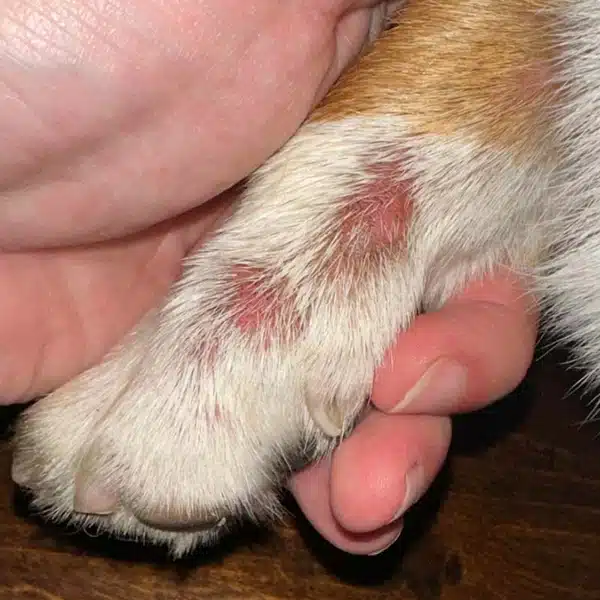
Table of Contents
Why Hot Spots on Dogs Matter More Than You Think
It’s tempting to dismiss a hot spot as “just a skin thing.” But these lesions are genuinely painful. The combination of raw exposed skin, bacterial infection, and constant nerve irritation means your dog is dealing with the canine equivalent of an open wound covered in irritating bacteria.
Left untreated, hot spots can spread across large areas of skin within 24 to 48 hours. Secondary infections can develop deeper under the skin, leading to cellulitis or even systemic illness in severe cases. According to the American Kennel Club, hot spots are one of the most common dermatological conditions veterinarians treat during warmer months.
Beyond the physical pain, hot spots disrupt your dog’s sleep, appetite, and overall mood. A dog obsessively licking a wound isn’t relaxing or thriving — he’s stuck in a frustrating itch-scratch cycle that only gets worse. If your dog is also showing signs of excessive paw licking, the underlying cause may be connected.
What Causes Hot Spots on Dogs: The Full Breakdown
Understanding what causes hot spots on dogs requires looking at two layers: the trigger that starts the itching, and the conditions that let bacteria take over.
The Itch-Scratch-Infection Cycle
Every hot spot begins with irritation. Something makes your dog’s skin itch, sting, or feel uncomfortable. Your dog responds the only way he knows how — by scratching, biting, or licking the area. This damages the skin’s protective barrier. Bacteria (usually Staphylococcus) that naturally live on your dog’s coat flood into the broken skin. Warm, moist conditions let those bacteria multiply rapidly.
The result? A red, swollen, weeping patch that itches even more, which makes your dog scratch even more, which makes the infection worse. It’s a vicious loop that can go from invisible to alarming in under a day.
Top Triggers Behind Hot Spots
Allergies are the single biggest cause. Environmental allergens like pollen, mold, and dust mites trigger skin inflammation in sensitive dogs. Food allergies — commonly linked to proteins like chicken, beef, or dairy — can cause chronic skin irritation that leads to hot spots. If you suspect food is playing a role, exploring the best dog food options for allergies can make a meaningful difference.
Flea bites are another major culprit. Some dogs develop flea allergy dermatitis, where a single bite causes an intense allergic reaction across a wide area of skin. Even dogs on flea prevention can occasionally get bitten.
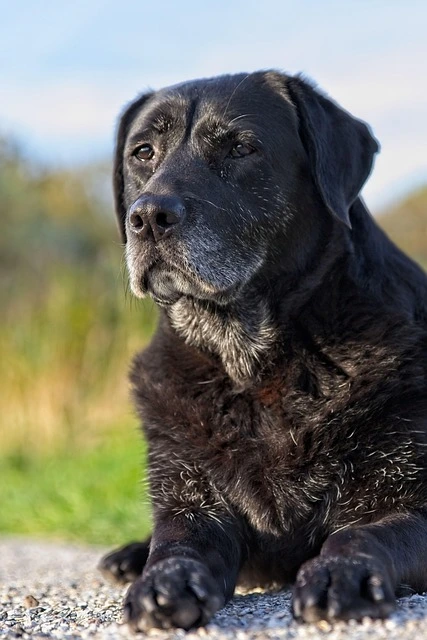
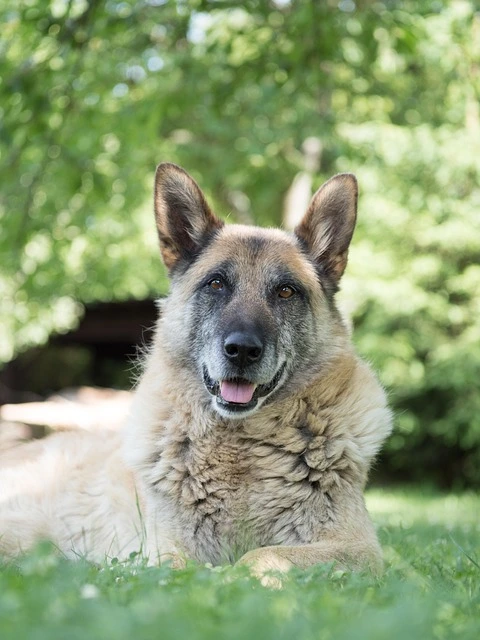
Moisture trapped in the coat sets the stage perfectly. Dogs who swim regularly, live in humid climates, or don’t get fully dried after baths are prime candidates. Thick double-coated breeds like Golden Retrievers, German Shepherds, and Labrador Retrievers are especially vulnerable because their dense undercoat holds moisture against the skin.
Other common triggers include: ear infections that cause head-scratching, anal gland problems that lead to tail-base chewing, minor scrapes or insect bites, boredom or stress-related licking, and matted fur that traps heat and moisture.
Common Mistakes Dog Owners Make With Hot Spots (and Fixes)
- Ignoring early signs like minor redness or damp fur. The fix: Inspect any area your dog keeps licking or scratching. Catching a hot spot at the “pink patch” stage is ten times easier than treating a full-blown lesion.
- Leaving the fur over the hot spot intact. The fix: Carefully clip the hair around the affected area to expose it to air. Bacteria thrive under warm, matted fur.
- Using hydrogen peroxide or rubbing alcohol on the wound. The fix: Stick with a gentle antiseptic wash like diluted chlorhexidine. Peroxide and alcohol damage healthy tissue and slow healing.
- Applying random human creams or ointments. The fix: Many human products contain ingredients toxic to dogs (like zinc oxide). Use only vet-approved topical treatments.
- Skipping the cone when your dog “seems fine.” The fix: Dogs are masters at sneaking in a few licks when you’re not watching. An Elizabethan collar or recovery suit prevents them from undoing your treatment overnight.
- Treating the spot but ignoring the underlying cause. The fix: If allergies, fleas, or ear infections triggered the hot spot, the lesion will keep returning until you address the root issue.
- Bathing the dog too soon after a hot spot appears. The fix: Avoid full baths until the wound starts scabbing over. Spot-clean only, keeping the area as dry as possible.
Soothing Irritated Skin: A Medicated Approach
When hot spots are driven by allergies, recurring skin irritation, or bacterial buildup on the coat, a medicated shampoo becomes an essential part of your treatment toolkit — not just a nice-to-have. Regular dog shampoo won’t cut it because it doesn’t address the bacteria or fungal elements that keep the cycle going.
Veterinary Formula Clinical Care Antiseptic and Antifungal Medicated Shampoo is a solid choice for dogs dealing with hot spots and related skin issues. It’s formulated for dogs with scaly, greasy, or inflamed skin and targets both bacterial and fungal irritation. The antiseptic formula helps reduce the microbial load on your dog’s coat without being overly harsh. It’s paraben-free, dye-free, and soap-free, which matters when you’re dealing with already-damaged skin. One limitation: it has a medicinal scent that some owners find strong, and it works best as a maintenance tool between flare-ups rather than on actively open wounds.
CHECK PRICE ON AMAZON: https://amzn.to/4awSaah
Supporting Skin Health From the Inside Out
Hot spots are a surface-level symptom, but skin health starts internally. Dogs with poor omega-3 intake often have drier, more reactive skin that’s quicker to crack and become infected. Veterinarians frequently recommend omega-3 fatty acid supplementation as part of a long-term strategy for dogs prone to skin issues.
Zesty Paws Wild Alaskan Omega-3 Blend Pollock + Salmon Oil delivers EPA and DHA from wild-caught Alaskan sources, supporting your dog’s skin barrier, coat quality, and overall inflammatory response. It comes in a convenient pump bottle that makes daily dosing simple — just add it to your dog’s food. Most dogs love the taste, and many owners report visible coat improvements within three to four weeks. The main drawback is that the pump can occasionally drip, so store it upright. As a daily supplement for overall health, it pairs well with a balanced diet.
CHECK PRICE ON AMAZON: https://amzn.to/4akcAVn
How to Treat a Hot Spot at Home: Step-by-Step
Step 1: Restrain your dog gently. Hot spots are painful. Even the sweetest dog may snap when you touch an inflamed area. Have a partner help hold your dog, or use a muzzle if needed.
Step 2: Clip the fur around the hot spot. Use electric clippers (not scissors, which risk cutting swollen skin). Extend at least one inch beyond the visible edges of the lesion. This exposes the full wound and lets air reach it.
Step 3: Clean the area thoroughly. Use a diluted chlorhexidine solution or a vet-recommended antiseptic wash. Gently remove any crust, pus, or debris. Pat — don’t rub — the area dry with clean gauze.
Step 4: Apply a vet-approved topical treatment. Your veterinarian may prescribe a topical antibiotic spray or cream. Over-the-counter hydrocortisone sprays designed for dogs can also help reduce itching in mild cases. Always confirm with your vet before applying anything.
Step 5: Prevent your dog from licking. This is non-negotiable. Use an Elizabethan collar, inflatable donut collar, or a recovery bodysuit. The hot spot cannot heal if your dog keeps licking it.
Step 6: Clean and re-apply two to three times daily. Repeat the gentle cleaning and topical application every 8 to 12 hours until scabbing and drying begin, usually within two to four days for mild cases.
Step 7: Monitor for improvement. You should see less redness, less oozing, and early scab formation within 48 to 72 hours. If the hot spot grows, smells worse, or your dog develops a fever, see your vet immediately.
Troubleshooting Common Hot Spot Problems
- If the hot spot keeps growing despite treatment — the infection may have gone deeper than a surface lesion. Your dog likely needs oral antibiotics from a vet.
- If your dog removes the cone overnight — try a snug-fitting recovery suit instead, or secure the cone more tightly. Some dogs also do well with inflatable donut-style collars.
- If new hot spots appear while treating the first one — this suggests a systemic trigger like allergies or fleas. Treat the whole dog, not just the spot.
- If the hot spot is near the ear — check for an underlying ear infection. Dogs scratch their heads and necks in response to ear pain, which creates hot spots in those areas. An effective ear cleaning routine can prevent this cycle.
- If your dog is on flea prevention but still getting hot spots — confirm the product is applied correctly and on schedule. Some flea preventatives lose effectiveness before the next dose is due.
- If you see hot spots every summer — seasonal environmental allergies are likely the trigger. Talk to your vet about antihistamines, prescription allergy medications, or immunotherapy.
When to See a Veterinarian
Not every hot spot requires a vet visit, but certain signs mean professional help is necessary. See your vet if:
The hot spot is larger than your palm, or it’s growing rapidly despite two days of home treatment. Your dog has a fever, is lethargic, or refuses to eat. The area has a deep, foul smell — this may indicate a deeper infection. Multiple hot spots appear simultaneously. The hot spot is near the eyes, inside the ear canal, or in another sensitive location. Your dog has an underlying health condition like Cushing’s disease, hypothyroidism, or a compromised immune system. Hot spots keep recurring more than two or three times per year, which signals an unresolved root cause.
Your vet may prescribe oral antibiotics, stronger topical medications, corticosteroids for severe inflammation, or diagnostic testing to identify allergies. If your dog is also shaking or showing signs of discomfort beyond the hot spot area, mention this to your vet — it could point to a broader issue.
What Veterinary Dermatologists Want You to Know
Hot spots are frustrating, but they’re also one of the most treatable skin conditions in dogs when handled correctly. The key insight that veterinary professionals emphasize is that the hot spot itself is never the real problem — it’s always a symptom of something else. Allergies, parasites, pain, anxiety, and hormonal imbalances are the true culprits, and treating only the surface wound guarantees it will come back.
According to the American Veterinary Medical Association, allergic skin disease is the most common chronic condition in dogs, affecting an estimated 10 to 15 percent of the canine population. Dogs with atopic dermatitis — the veterinary term for environmental allergies — often cycle through hot spots, ear infections, and paw licking as their primary symptoms. A comprehensive approach that includes allergy management, skin barrier support through omega fatty acids, regular grooming, and environmental control consistently produces the best long-term outcomes. This information is general guidance and should not replace a proper diagnosis from your veterinarian.
Frequently Asked Questions
Are certain dog breeds more prone to hot spots?
Yes. Thick-coated breeds like Golden Retrievers, Labrador Retrievers, German Shepherds, and Saint Bernards develop hot spots more frequently because their dense fur traps moisture and heat against the skin.
Can hot spots spread to other dogs or to humans?
Hot spots themselves are not contagious. The bacterial infection is specific to the individual dog’s damaged skin. However, if fleas caused the hot spot, other pets in the home may also be at risk from the same flea problem.
How long does it take for a hot spot to heal?
Mild hot spots typically improve within three to seven days with proper treatment. More severe or deep infections may take two to three weeks and often require prescription medication from a vet.
Can I use coconut oil on my dog’s hot spot?
Coconut oil is not recommended for active hot spots. While it has mild antimicrobial properties, it creates a moisture barrier that can actually trap bacteria and worsen the infection. Save it for healthy skin maintenance.
Do hot spots scar?
Most hot spots heal without permanent scarring if treated promptly. Severe or deep infections may cause temporary hair loss in the area, but fur usually regrows within a few weeks to months.
Are hot spots seasonal?
Many dogs experience hot spots primarily during spring and summer when allergens are high, humidity increases, and flea activity peaks. However, dogs with food allergies or indoor allergen sensitivities can develop them year-round.
Can stress cause hot spots on dogs?
Indirectly, yes. Stress and anxiety can trigger compulsive licking or chewing behaviors (acral lick dermatitis), which damages the skin and creates conditions for hot spots to develop.
Should I let a hot spot air dry or keep it covered?
Air drying is generally preferred. Bandaging a hot spot traps moisture and worsens bacterial growth. Keep the area exposed, clean, and dry for the fastest healing.
Can diet changes help prevent hot spots?
Absolutely. If food allergies are the underlying trigger, switching to a limited-ingredient or novel-protein diet can dramatically reduce skin flare-ups. Adding omega-3 fatty acids also strengthens the skin barrier over time.
When should I worry about a hot spot?
Worry if the hot spot grows rapidly, develops a foul odor, causes fever or lethargy, or doesn’t improve within 48 hours of home treatment. These signs suggest a deeper infection that needs veterinary attention.
Wrapping Up: Stopping the Hot Spot Cycle for Good
Now that you know what causes hot spots on dogs, you’re equipped to act fast the next time you notice your dog fixating on a certain patch of skin. Remember, the hot spot is just the visible result — the real fix comes from identifying and managing the trigger beneath it, whether that’s allergies, moisture, parasites, or stress. Keep your dog’s coat clean and dry, stay consistent with flea prevention, and support skin health from the inside with proper nutrition and omega-3 supplementation. If hot spots keep returning despite your best efforts, bring your vet into the conversation for allergy testing or prescription management. Your dog deserves comfortable, itch-free skin — and with the right approach, that’s absolutely within reach.