You’re sitting on the couch when a tiny, curly-haired bundle leaps into your lap and nuzzles under your chin. That’s the Maltipoo experience in a nutshell. This Maltese-Poodle crossbreed has become one of the most sought-after companion dogs in the world, and for good reason. Whether you’re researching your first Maltipoo or already living with one, this guide covers everything you need to raise a happy, healthy pup.
Quick Answer: What Is a Maltipoo?
A Maltipoo is a designer crossbreed between a Maltese and a Toy or Miniature Poodle. These small, affectionate dogs typically weigh between 5 and 20 pounds and stand 8 to 14 inches tall. They’re known for their low-shedding coats, playful personalities, and deep bond with their owners. Maltipoos make excellent companions for families, seniors, and apartment dwellers alike.
TL;DR: The Maltipoo is a small, low-shedding, highly affectionate designer dog that blends the best of the Maltese and Poodle. They need regular grooming, daily mental stimulation, and plenty of human interaction to thrive.
Key Takeaways
- Maltipoos typically live 12 to 16 years and weigh 5 to 20 pounds, depending on whether the Poodle parent is Toy or Miniature.
- Their coats are low-shedding but NOT maintenance-free. Budget for grooming every 4 to 6 weeks.
- Separation anxiety is one of the most common behavioral challenges. Start training for alone time early.
- Dental disease is the number one health concern. Daily tooth brushing can prevent expensive problems down the line.
- They’re highly trainable and respond best to positive reinforcement, short sessions, and consistency.
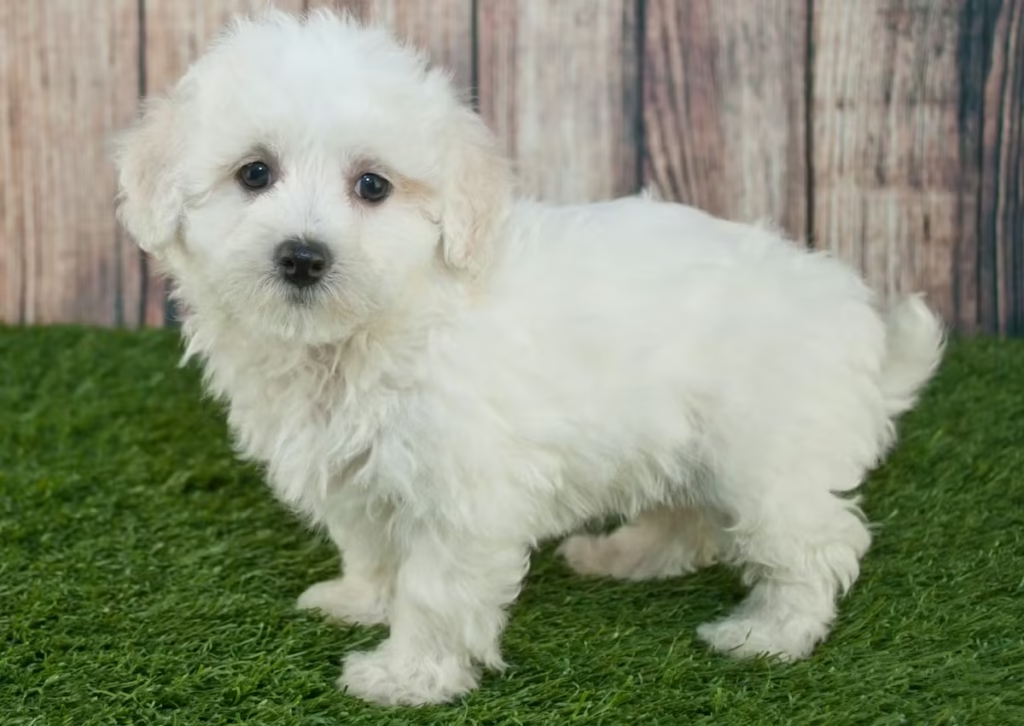
Table of Contents
Why the Maltipoo Matters: More Than Just a Cute Face
It’s easy to think a Maltipoo is just a fluffy lapdog. But choosing any dog means committing to its specific health, behavioral, and grooming needs for over a decade. Maltipoos inherit traits from two very different purebred parents, and that mix comes with both advantages and challenges.
On the health side, their small size makes them prone to luxating patellas, dental crowding, and tear staining. On the behavioral side, their intense attachment to owners can tip into separation anxiety if not managed early. Understanding these realities upfront saves you stress, money, and heartache later.
The good news? When you meet their needs, Maltipoos are one of the most rewarding companion dogs you can own. They adapt well to apartments, travel easily, and have a genuine gift for reading human emotions.
Maltipoo Anatomy and Background: Understanding the Breed
The Maltipoo isn’t recognized by the American Kennel Club because it’s a crossbreed, not a purebred. But that hasn’t slowed its popularity. The breed emerged in the United States during the 1990s, when breeders began crossing Maltese dogs with Toy and Miniature Poodles to create a small, allergy-friendly companion.
Size and build. Maltipoos generally fall into two size categories. Those bred from Toy Poodles tend to weigh 5 to 10 pounds. Those with Miniature Poodle parentage can reach 15 to 20 pounds. Their bodies are compact and well-proportioned, with a slightly rounded skull and expressive dark eyes.
Coat types. Their coat varies depending on which parent’s genes dominate. You might see soft, silky waves (more Maltese influence), tight curls (more Poodle influence), or something in between. Colors range from white and cream to apricot, red, silver, and even black. Regardless of type, the coat grows continuously and requires regular trimming.
Temperament. According to the AKC’s breed profiles for both parent breeds, the Maltese is gentle, playful, and charming, while the Poodle is highly intelligent and active. The Maltipoo inherits a blend: a sociable, eager-to-please personality paired with sharp intelligence. They learn quickly but can also learn bad habits just as fast.
If you’re drawn to other dogs that stay small forever, the Maltipoo is one of the best options for both companionship and adaptability.
Common Maltipoo Mistakes (and How to Fix Them)
Even experienced dog owners stumble with this breed. Here are the most frequent errors and their fixes.
- Skipping daily dental care. Small breeds are magnets for plaque buildup and early tooth loss. The fix: Brush your Maltipoo’s teeth daily with an enzymatic toothpaste designed for dogs.
- Waiting too long between grooming appointments. That fluffy coat mats quickly, especially around the ears, armpits, and behind the legs. The fix: Brush at home every other day and schedule professional grooming every 4 to 6 weeks.
- Letting them follow you everywhere. It feels sweet, but it creates dependence. The fix: Practice short separations starting in puppyhood. Use a crate or playpen for structured alone time.
- Overfeeding treats during training. Maltipoos are tiny. Even a few extra calories per day add up fast. The fix: Use pea-sized training treats and count them toward the daily food allowance.
- Skipping socialization because they’re small. Some owners carry Maltipoos everywhere instead of letting them walk and interact. The fix: Let them greet new people, dogs, and environments on their own four feet from a young age.
- Ignoring tear staining. Those reddish-brown streaks under the eyes aren’t just cosmetic. Chronic moisture breeds bacteria. The fix: Wipe the area daily with a damp cloth and keep the facial hair trimmed short.
Grooming Your Maltipoo: The Right Tools Make All the Difference
Grooming is non-negotiable with a Maltipoo. Their continuously growing coat doesn’t shed much, which is great for allergies, but it mats and tangles easily without regular attention. Many owners learn to do basic trims at home between professional grooming sessions.
The key to a stress-free home grooming routine is using clippers that are quiet enough for a nervous small dog. Loud, vibrating tools can terrify a Maltipoo and turn grooming into a battle.
oneisall Dog Clippers for Grooming are a strong choice for Maltipoo owners who want to handle maintenance trims at home. These cordless, rechargeable clippers run at a low noise level, which helps keep anxious small dogs calm during grooming sessions. The stainless steel blade handles thick and curly coats well, and the waterproof design makes cleanup simple. They’re ideal for trimming around the face, paws, and sanitary areas between professional visits. One limitation: for a full-body clip on very thick coats, you may still need a professional-grade set.
CHECK PRICE ON AMAZON: https://amzn.to/40agbz9
Beyond clippers, ear cleaning is a critical grooming task. Maltipoos have floppy ears that trap moisture, making them prone to infections. Veterinarians recommend cleaning the ears weekly with a gentle solution.
Virbac Epi-Otic Advanced Ear Cleanser is a vet-recommended option that’s safe for regular use. It has a non-irritating, low-pH formula that helps dry the ear canal and remove wax buildup. This cleanser works well as a routine maintenance tool, especially before and after baths or swimming. It’s gentle enough for Maltipoos with sensitive skin. Keep in mind that it’s a preventive cleanser, not a treatment for existing infections. If you notice redness, swelling, or a foul smell, see your vet first.
CHECK PRICE ON AMAZON: https://amzn.to/3OiDiVF
Maltipoo Health: What Every Owner Should Watch For
Maltipoos are generally healthy dogs, but their small size and genetic background make them susceptible to a few conditions worth knowing about.
Dental disease is the single biggest health issue. The AVMA reports that most dogs show signs of periodontal disease by age three, and small breeds like the Maltipoo are especially vulnerable due to dental crowding.
A solid dental routine makes a massive difference. Brushing daily is the gold standard, and using an enzymatic toothpaste helps break down plaque even in spots the brush can’t reach.
Virbac C.E.T. Oral Hygiene Kit for Dogs includes everything you need to start a dental care routine: an enzymatic poultry-flavored toothpaste, a fingerbrush for beginners, and a traditional pet toothbrush. Most Maltipoos accept the poultry flavor eagerly, which makes daily brushing far less of a struggle. The fingerbrush is particularly helpful for puppies and dogs who haven’t been brushed before, since it gives you more control. The only downside is that very small Maltipoo mouths may find even the pet toothbrush slightly large, so the fingerbrush becomes the go-to tool.
CHECK PRICE ON AMAZON: https://amzn.to/4bXfiRW
Other health concerns to watch for include:
- Luxating patella (kneecap slipping out of place). Watch for skipping or holding up a back leg.
- Progressive retinal atrophy (PRA), an inherited eye condition that can lead to vision loss.
- White shaker syndrome, a condition that causes full-body tremors in small white-coated dogs.
- Hypothyroidism, which can cause weight gain, lethargy, and coat changes.
Making sure your Maltipoo puppy follows a proper vaccination schedule is one of the best early investments in their long-term health.
Step-by-Step: Setting Up Your Maltipoo for Success
Whether you’re bringing home a puppy or adopting an adult, follow these steps to build a strong foundation.
- Puppy-proof one room first. Pick a small, safe area with no cords, chemicals, or tiny objects. This becomes their home base.
- Establish a feeding schedule. Maltipoo puppies do best with three meals a day until about six months old, then transition to two meals. Measure portions carefully because overfeeding is easy with small dogs.
- Start crate training on day one. A crate gives your Maltipoo a safe den and helps with housetraining. Keep sessions short and positive at first. Place a soft blanket and a safe chew toy inside.
- Begin socialization immediately. Introduce your Maltipoo to different people, sounds, surfaces, and friendly dogs during the critical window before 16 weeks. Carry them to safe environments before vaccinations are complete, but avoid dog parks and high-traffic areas.
- Set a daily grooming routine. Even a five-minute brush session as a puppy builds tolerance for lifelong grooming. Handle their paws, ears, and mouth daily so they stay comfortable during vet visits and grooming appointments.
- Train in short bursts. Maltipoos have good attention spans for their size, but five-to-ten-minute sessions work best. Focus on sit, stay, come, and “leave it” first. Always use positive reinforcement.
- Build alone-time tolerance gradually. Start by leaving the room for a few seconds and slowly increase the duration. This is one of the most important steps for preventing separation anxiety.
Troubleshooting Common Maltipoo Challenges
- If your Maltipoo barks excessively at every noise: Teach a “quiet” command paired with a treat reward. Avoid yelling, which only escalates the barking.
- If they refuse to eat their regular food: Maltipoos can be picky eaters. Stick with one high-quality food and avoid supplementing with table scraps, which trains them to hold out for something better.
- If they’re chewing furniture or shoes: This usually signals boredom or teething. Provide appropriate chew toys and rotate them to keep things interesting. You might also try interactive puzzle toys to keep their sharp minds engaged.
- If housetraining is stalling: Small bladders mean more frequent trips outside. Take your Maltipoo out every 1 to 2 hours, after meals, and after naps. Reward success immediately.
- If they tremble or shake during storms or fireworks: This breed is noise-sensitive. Create a safe, enclosed space and consider a calming aid.
Anxiety is one of the most common struggles for Maltipoo owners. Because this breed bonds so deeply, stressful events like thunderstorms, travel, or schedule changes can trigger noticeable distress. If you’re looking for support beyond training techniques, exploring calming products for dogs can help you find the right fit.
Only Natural Pet Hemp Soft Chew Bites provide a natural option for managing occasional stress and anxiety in Maltipoos. These chews contain L-Theanine, chamomile, and lemon balm, which are well-known calming ingredients that promote relaxation without sedation. They’re a good fit for situational anxiety like vet visits, grooming appointments, or travel days. Most dogs accept the soft chew format easily. The main limitation is that these chews work best for mild to moderate anxiety. Dogs with severe separation anxiety may need a broader behavioral plan alongside any supplement.
CHECK PRICE ON AMAZON: https://amzn.to/40aUrmL
When to See a Veterinarian
Most Maltipoo health concerns are manageable at home, but some situations require professional help right away.
- Persistent coughing, gagging, or reverse sneezing that lasts more than a day.
- Sudden limping or refusal to put weight on a leg (possible luxating patella).
- Red, swollen, or foul-smelling ears that don’t improve with cleaning.
- Rapid weight loss or gain without a change in diet.
- Lethargy, loss of appetite, or behavioral changes lasting more than 48 hours.
- Full-body tremors that come on suddenly (possible white shaker syndrome).
- Any eye cloudiness, discharge, or squinting that persists.
This article provides general information and is not a substitute for professional veterinary advice. Always consult your veterinarian for diagnosis and treatment of specific health concerns.
Expert Opinion: What Veterinary Professionals Say About Maltipoos
Veterinarians generally regard the Maltipoo as a healthy, long-lived crossbreed with a few predictable weak points. Dental disease tops the list. Because both the Maltese and Toy Poodle are prone to dental crowding and early tooth loss, Maltipoos carry a double dose of that genetic predisposition. Veterinarians recommend daily brushing, annual professional dental cleanings, and feeding a kibble size appropriate for small mouths to support chewing mechanics.
On the behavioral side, veterinary behaviorists note that the Maltipoo’s deep attachment style is both its greatest strength and its biggest vulnerability. When properly socialized and given structured alone time, they’re confident, adaptable companions. Without those foundations, anxiety-related behaviors like excessive barking, destructive chewing, and inappropriate elimination become common. Early investment in training and socialization pays dividends for the life of the dog. If you enjoy learning about similar designer breeds, the Cavapoo and Mini Goldendoodle share many of the same care principles.
Frequently Asked Questions About Maltipoos
How long do Maltipoos live?
Maltipoos have a lifespan of 12 to 16 years on average. Proper nutrition, regular vet checkups, dental care, and daily exercise help them reach the upper end of that range.
Are Maltipoos hypoallergenic?
No dog is truly hypoallergenic, but Maltipoos are considered low-shedding. Their Poodle genetics reduce dander, which makes them a better choice for allergy sufferers than many other breeds.
How big does a Maltipoo get?
Most Maltipoos weigh between 5 and 20 pounds and stand 8 to 14 inches tall. The size depends primarily on whether the Poodle parent was a Toy or Miniature variety.
Do Maltipoos bark a lot?
Maltipoos can be vocal, especially if they’re bored or anxious. Training a solid “quiet” command early and providing mental stimulation helps reduce excessive barking significantly.
How often should I groom my Maltipoo?
Brush at home every other day and schedule professional grooming every 4 to 6 weeks. Regular brushing prevents painful matting and keeps the coat healthy.
Can Maltipoos be left alone during the workday?
Adult Maltipoos can handle 4 to 6 hours alone, but longer periods may trigger anxiety. Crate training, puzzle toys, and a consistent routine help them cope with your absence.
What is the best food for a Maltipoo?
Choose a high-quality small-breed formula with named animal protein as the first ingredient. Avoid fillers like corn and soy. Feed measured portions twice daily to prevent weight gain.
Are Maltipoos easy to train?
Yes. They’re intelligent and eager to please, which makes them highly responsive to positive reinforcement training. Keep sessions short, fun, and reward-based for best results.
Do Maltipoos get along with cats?
Most Maltipoos coexist well with cats, especially when introduced properly during puppyhood. Their gentle temperament and small size make them less intimidating to feline housemates.
How much exercise does a Maltipoo need?
About 30 to 40 minutes of daily activity is ideal. This can include walks, indoor play, and mental enrichment games. They’re adaptable and don’t require intense physical exercise.
Your Maltipoo Journey Starts Here
The Maltipoo is far more than an Instagram-worthy face. This is a loyal, intelligent, and deeply affectionate companion that thrives when you understand its unique needs. From staying on top of grooming and dental care to building confidence through socialization and structured alone time, every small effort compounds into a healthier, happier life together.
Start with one action today. Whether it’s ordering a dental care kit, booking that overdue grooming appointment, or spending five minutes practicing a new command, your Maltipoo will notice the difference. These dogs live to connect with their people, and the more you invest in understanding them, the more they give back.
If you’re still deciding whether a Maltipoo is the right fit, spend time with one first. Visit a reputable breeder or rescue, ask questions, and trust your instincts. The right match will be obvious the moment that tiny curly head lands in your lap.