You’re dropping your dog off at daycare for the first time, and the facility hands you a checklist. Rabies? Check. Distemper? Check. Then you see it: kennel cough vaccine required. You pause, wondering if it’s truly necessary or just another expense. The kennel cough vaccine protects dogs from a highly contagious respiratory infection, and understanding when your dog needs it can save you stress, vet bills, and sleepless nights listening to that awful hacking cough.
Quick Answer
The kennel cough vaccine protects dogs against Bordetella bronchiseptica, the primary bacteria causing kennel cough. It’s typically recommended for dogs who socialize with other dogs at parks, daycares, boarding facilities, or grooming salons. The vaccine comes in three forms—intranasal, injectable, and oral—and provides protection for 6 to 12 months depending on the type and your dog’s exposure level.
TL;DR: If your dog spends time around other dogs, the kennel cough vaccine reduces infection risk by up to 90%. It’s not legally required but often mandated by boarding and daycare facilities.
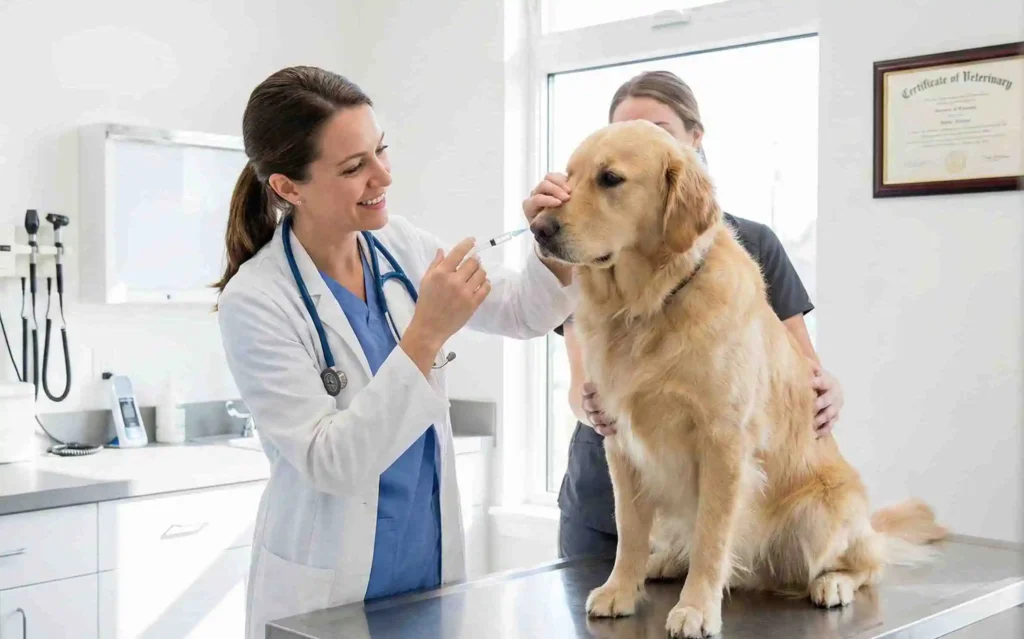
Table of Contents
Key Takeaways
- The vaccine prevents severe symptoms: While vaccinated dogs can still contract kennel cough, symptoms are typically milder and shorter-lived
- Three delivery methods exist: Intranasal and oral work fastest (48-72 hours) and create superior mucosal immunity; injectable lasts 12 months with systemic protection
- Boarding facilities require it: Most daycares, kennels, and groomers won’t accept unvaccinated dogs due to outbreak risks
- Timing matters for protection: Schedule vaccination at least one week before exposure for intranasal/oral, two weeks for injectable
- High-risk dogs need more frequent boosters: Very social dogs may need vaccination every 6 months instead of annually
Why the Kennel Cough Vaccine Matters
Kennel cough spreads through airborne droplets when infected dogs cough, sneeze, or share water bowls. One sick dog in a daycare can infect dozens within hours. The vaccine significantly reduces transmission rates and severity.
Unvaccinated dogs face a 30-50% infection risk in high-exposure environments like boarding kennels. Symptoms include a persistent dry cough that sounds like honking, gagging, retching, and sometimes fever or lethargy. While most healthy dogs recover within two to three weeks, puppies, senior dogs, and those with compromised immune systems can develop pneumonia.
Beyond health protection, practical concerns drive vaccination decisions. The American Kennel Club notes that most professional dog care facilities require proof of Bordetella vaccination. Without it, your dog may be turned away from boarding during your vacation or excluded from training classes.
The financial impact matters too. Treating kennel cough typically costs $75-$300 for vet visits, cough suppressants, and antibiotics if secondary infections develop. The vaccine costs $20-$45 per dose—a fraction of treatment expenses.
What Is Kennel Cough?
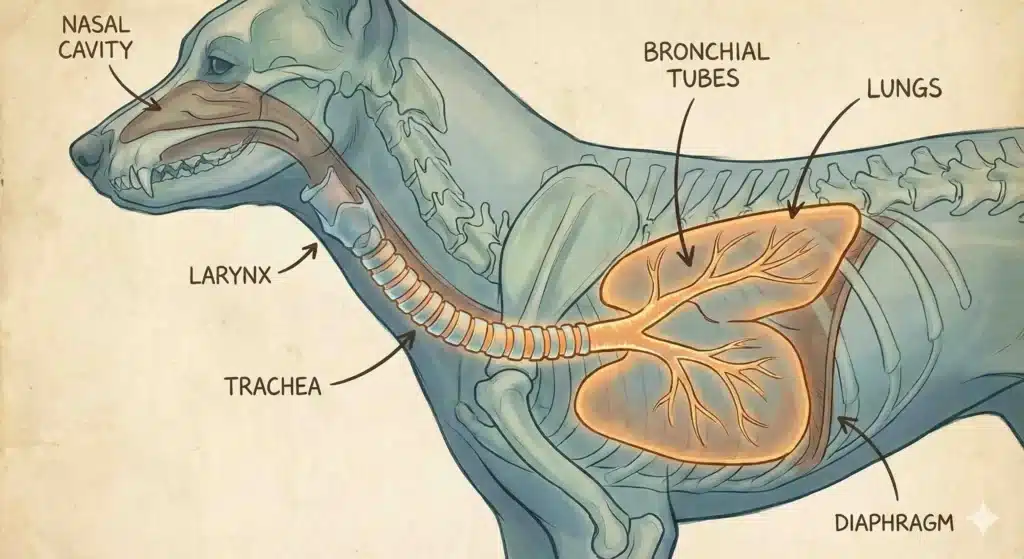
Kennel cough, medically known as canine infectious tracheobronchitis, is an umbrella term for respiratory infections caused by multiple pathogens. Bordetella bronchiseptica bacteria causes most cases, but viruses like parainfluenza, adenovirus type 2, and canine distemper can also trigger or complicate infections.
The infection inflames your dog’s trachea and bronchial tubes. Imagine the irritation you feel with a chest cold—that’s similar to what your dog experiences. The hallmark symptom is a forceful, hacking cough that owners often describe as sounding like something is stuck in their dog’s throat. If your dog is coughing persistently, kennel cough is often the culprit, especially if they’ve recently been around other dogs.
Transmission happens incredibly easily. Dogs don’t need direct contact to get infected. Shared air space in enclosed environments like kennels, grooming salons, or veterinary waiting rooms creates perfect conditions for spread. The bacteria can survive on surfaces for up to 48 hours, meaning contaminated food bowls or toys pose risks too.
Incubation takes 3-10 days after exposure. Your dog might seem fine immediately after a park visit, then start coughing a week later. This delayed onset makes tracing the infection source difficult and allows silent spreading before symptoms appear.
Types of Kennel Cough Vaccines
The kennel cough vaccine comes in three distinct forms, each with unique advantages. Understanding the differences helps you choose the right option for your dog’s lifestyle and health needs.
Intranasal Vaccine
Administered as drops squirted into your dog’s nostrils, the intranasal vaccine provides the fastest protection and often the most effective defense. Immunity develops within 48-72 hours, making it ideal for last-minute boarding situations. The vaccine contains live, modified bacteria that stimulate local mucosal immunity in the nasal passages and throat—exactly where kennel cough infections start.
This method creates IgA antibodies right at the infection site, which veterinary immunologists consider the gold standard for preventing both infection and transmission. Protection typically lasts 12 months, though high-risk dogs may need boosters every 6 months. Some dogs sneeze or have mild nasal discharge for a day or two post-vaccination, which is completely normal and actually indicates the immune system is responding.
Injectable Vaccine
Given as a shot under the skin, typically during annual wellness exams, the injectable vaccine offers convenient systemic protection. Most veterinarians combine it with other vaccines like DHPP (distemper, hepatitis, parvovirus, parainfluenza) to minimize office visits. Understanding your puppy’s complete vaccination schedule helps you plan when to add the Bordetella booster.
Protection takes 10-14 days to develop fully. The injectable version creates systemic IgG antibodies throughout the bloodstream rather than local mucosal immunity. While this provides good overall protection, it may be slightly less effective at preventing initial infection or reducing bacterial shedding compared to intranasal options. Duration is 12 months, though some high-exposure dogs benefit from 6-month boosters. A small bump at the injection site may appear temporarily.
Oral Vaccine
The newest delivery method, oral vaccines are dropped into your dog’s mouth. They provide similar mucosal protection to intranasal vaccines with immunity developing in 3-5 days. Like the intranasal version, oral vaccines stimulate local IgA antibodies in the throat and respiratory tract.
Protection duration is 12 months for most dogs, with 6-month intervals recommended for very high-risk situations. This option appeals to owners whose dogs strongly resist nasal drops or injections. Some dogs drool excessively for a few minutes after administration or may have temporary decreased appetite.
Product Recommendations for Recovery
Vicks Warm Mist Humidifier
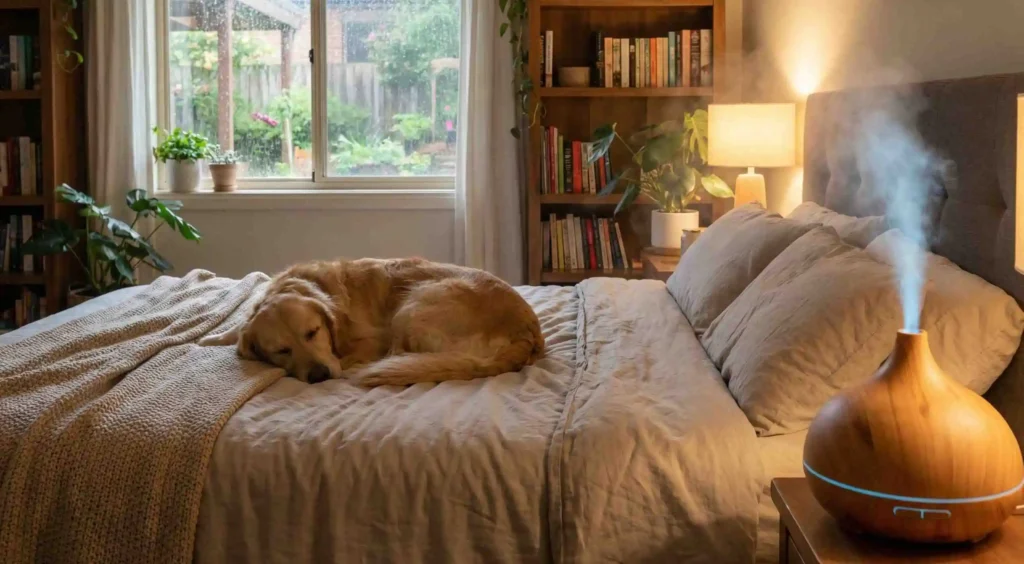
Dry air worsens kennel cough symptoms by further irritating inflamed airways. This humidifier adds moisture to your dog’s sleeping area, helping loosen mucus and ease breathing. Run it continuously in the room where your dog rests during recovery.
Best for: Dogs recovering from kennel cough in dry climates or during winter when indoor heating reduces humidity.
CRITICAL SAFETY WARNING: Use only plain, clean water in the humidifier. Never add Vicks VapoSteam medicated liquid, Vicks VapoPads, or any essential oils (tea tree, peppermint, eucalyptus, etc.) to the water. Menthol, camphor, and essential oils can be toxic to dogs, causing respiratory irritation, drooling, vomiting, or more serious reactions. Plain water provides all the humidity benefits your dog needs safely.
The warm mist is more soothing than cool mist for respiratory issues. Clean the tank daily to prevent bacteria growth. One drawback is the unit requires manual refilling every 12-18 hours. Keep it out of your dog’s reach to avoid burns from the warm vapor outlet.
Step-by-Step Vaccination Schedule
Proper timing ensures maximum protection when your dog needs it most. Follow this schedule based on your dog’s age and lifestyle.
Puppies (First-Time Vaccination)
Week 8-10: Puppies receive their first Bordetella vaccine, typically intranasal or oral, during their initial vet visit series. This early vaccination is crucial if you plan to enroll in puppy socialization classes. Before taking your puppy to public spaces, make sure you understand when puppies can go outside safely after vaccination.
Week 11-14: A booster dose is administered 3-4 weeks after the first vaccine. This second dose establishes strong immunity that protects through critical socialization periods.
6-12 months later: Schedule the first adult booster. Many vets recommend giving this around the one-year wellness exam.
Adult Dogs (Annual or Bi-Annual)
Assess exposure risk: Dogs who regularly visit parks, daycares, or boarding facilities need annual boosters at minimum. Very high-risk dogs—those in daycare 3+ days weekly, show dogs, or dogs in competition training—often benefit from boosters every 6 months instead of yearly.
Schedule 2-4 weeks before exposure: If you’re planning boarding or daycare, book the vaccine appointment at least two weeks in advance for injectable, one week for intranasal or oral.
Mark your calendar: For standard-risk dogs, set a reminder for the next booster 11 months out. For high-risk dogs, set it for 5 months. Most facilities require current vaccination within the past 12 months, though some high-volume daycares prefer 6-month intervals.
Special Circumstances
Pre-surgery protocol: Vets often recommend Bordetella vaccination 1-2 weeks before procedures requiring overnight stays to protect your dog in the clinic environment.
Show dogs and competition: Vaccinate 5-7 days before events using intranasal or oral for rapid mucosal immunity. Many competitors maintain 6-month booster schedules during show season.
Rescue and shelter dogs: Administer vaccination immediately upon intake, as close quarters create high infection risks. Re-vaccinate foster dogs before transitioning to new homes.
Intranasal vs Injectable vs Oral: Quick Comparison
Intranasal Vaccine
- Protection onset: 48-72 hours (fastest option)
- Duration: 12 months (6 months for very high-risk dogs)
- Immunity type: Mucosal IgA antibodies at infection site (gold standard for efficacy)
- Pros: Quick immunity, superior protection against infection and shedding, prevents transmission better than injectable, no needle stress
- Cons: Mild sneezing/nasal discharge common, messy administration, some dogs fight the process, may cause temporary reverse sneezing
- Best for: High-risk dogs, last-minute boarding needs, dogs with frequent exposure
Injectable Vaccine
- Protection onset: 10-14 days (slowest)
- Duration: 12 months (6 months for very high-risk dogs)
- Immunity type: Systemic IgG antibodies throughout bloodstream
- Pros: Combines with other vaccines, predictable administration, good systemic protection, preferred for convenience
- Cons: Requires advance planning, needle injection, possible injection site soreness, may not prevent infection or shedding as effectively as mucosal vaccines
- Best for: Low to moderate-risk dogs, annual wellness visits, owners preferring combined vaccinations
Oral Vaccine
- Protection onset: 3-5 days (middle ground)
- Duration: 12 months (6 months for very high-risk dogs)
- Immunity type: Mucosal IgA antibodies in throat and respiratory tract
- Pros: No needles or nasal invasion, easy administration, excellent local immunity, palatable for most dogs
- Cons: Newer option with less long-term data, temporary drooling, must ensure full dose swallowed, limited availability at some clinics
- Best for: Anxious dogs, owners comfortable with at-home medication, dogs who resist other methods
Breed and Age Considerations
Not all dogs have identical vaccination needs. Size, breed characteristics, and age influence both necessity and vaccine type selection.
Brachycephalic Breeds
Bulldogs, Pugs, Boston Terriers, and other flat-faced breeds have compromised airways already. Kennel cough poses greater risks for these dogs since their anatomy makes breathing difficult even when healthy. Veterinarians strongly recommend vaccination, but often prefer injectable or oral over intranasal to avoid nasal irritation that could worsen breathing issues.
Toy and Small Breeds
Dogs under 15 pounds—Chihuahuas, Yorkies, Maltese—have smaller airways that can become more severely inflamed during kennel cough. These breeds benefit from year-round protection if they frequent grooming salons or dog parks. The oral or intranasal vaccine often provides superior protection for toy breeds, though some may be sensitive to nasal administration.
Large and Giant Breeds
Great Danes, Mastiffs, and Saint Bernards over 80 pounds have robust immune systems but aren’t immune to kennel cough. Their size means they often board in different areas of kennels, potentially reducing exposure. However, they still need protection before boarding. If you’re traveling with your large dog, understanding dog travel safety requirements helps ensure they’re properly protected during trips. Any vaccine type works well for large breeds.
Puppies (8 weeks to 6 months)
Young puppies have developing immune systems and face higher complication risks. Early vaccination at 8-10 weeks is critical, especially for puppies entering socialization classes. The intranasal or oral vaccine is often recommended because it provides faster local immunity. Never delay socialization due to vaccination concerns—the behavioral benefits outweigh the small infection risk with proper protection. If you’re dealing with puppy behavior problems, early socialization with vaccinated puppies is essential.
Senior Dogs (7+ years)
Older dogs have weakened immune systems and often have underlying heart or lung conditions that kennel cough can aggravate. Annual vaccination remains important even if social activities decrease. Any vaccine type works for seniors, though some vets prefer injectable to minimize potential respiratory irritation from intranasal administration. Consider supporting your senior dog’s overall health with quality senior dog food and appropriate supplements.
Immunocompromised Dogs
Dogs on immunosuppressive medications, undergoing chemotherapy, or with chronic illnesses need veterinary consultation before Bordetella vaccination. The live vaccines (intranasal and oral) may pose risks for severely immunocompromised dogs. Your vet might recommend the injectable killed-virus version or modified schedules.
Common Mistakes and Fixes
Dog owners frequently make these errors when managing kennel cough vaccination. Recognizing and correcting them improves protection.
Vaccinating too close to boarding dates. The fix: Schedule injectable vaccines at least two weeks before, intranasal/oral at least one week before exposure. Last-minute vaccinations leave your dog vulnerable.
Using annual boosters for very high-risk dogs. The fix: Dogs in daycare multiple days weekly, show dogs, or those with constant exposure may need 6-month boosters instead of annual. Discuss your dog’s specific exposure level with your vet.
Skipping boosters because the dog seems healthy. The fix: Immunity wanes after 6-12 months depending on vaccine type and exposure. Set reminders and maintain the schedule even if your dog appears fine. Asymptomatic dogs can still carry and transmit the bacteria.
Assuming one vaccine covers all respiratory diseases. The fix: Kennel cough vaccine specifically targets Bordetella. Ensure your dog also receives protection against parainfluenza and adenovirus through the DHPP combo vaccine. The American Veterinary Medical Association recommends comprehensive respiratory coverage.
Avoiding vaccination for dogs who “never go anywhere.” The fix: Grooming appointments, vet visits, and even quick park stops expose dogs to Bordetella. If your dog ever leaves home, consider at least one initial vaccine series for baseline protection.
Giving intranasal vaccines during active infections. The fix: Never vaccinate a dog already showing respiratory symptoms. This won’t help the current infection and may worsen inflammation. Wait until your dog fully recovers, then vaccinate to prevent future episodes.
Mixing vaccine types without tracking which was given. The fix: Keep vaccination records noting the specific type administered and the date. This information matters for determining when boosters are due and which type to use next time.
Bathing dogs immediately after intranasal vaccination. The fix: Wait at least 2-3 hours after intranasal vaccines before bathing. Water can wash away the vaccine before it properly absorbs into the nasal passages, reducing effectiveness.
Troubleshooting Side Effects
Most dogs tolerate kennel cough vaccines well, but minor side effects occasionally occur. Here’s how to handle them. If you notice concerning symptoms beyond normal vaccine reactions, understanding when dog anxiety might be playing a role can help you respond appropriately.
If your dog sneezes repeatedly after intranasal vaccine, then this is completely normal for 24-48 hours. The sneezing indicates immune activation. Offer water and keep your dog calm. Avoid vigorous exercise that might increase nasal irritation.
If mild coughing develops 1-3 days post-vaccination, then this represents a normal immune response, not an infection. The cough should be occasional, not constant, and resolve within 3-5 days. Ensure your dog drinks plenty of water and rests.
If nasal discharge appears clear and watery, then monitor for 48 hours. This typically resolves without treatment. Wipe your dog’s nose gently with a damp cloth. If discharge becomes thick, yellow, or green, contact your vet as this suggests secondary infection. Eye discharge can also accompany kennel cough—learn more about dog eye discharge causes and when to worry.
If lethargy or decreased appetite lasts more than 24 hours, then call your veterinarian. While mild fatigue for 12-18 hours is normal, prolonged symptoms may indicate an adverse reaction requiring evaluation.
If a firm lump develops at the injection site, then apply a warm compress for 5-10 minutes twice daily. Most injection site reactions resolve within 7-10 days. If the lump grows, becomes painful, or doesn’t shrink after two weeks, schedule a vet check.
If your dog experiences facial swelling, hives, or difficulty breathing, then this is a rare but serious allergic reaction. Seek emergency veterinary care immediately. These symptoms typically appear within minutes to a few hours of vaccination.
If your dog refuses food after oral vaccine, then the taste may have caused temporary appetite suppression. Offer favorite foods or warm up meals to increase palatability. Appetite should return within 12-24 hours.
When to See a Vet
While most vaccination side effects resolve independently, certain symptoms require professional attention. Contact your veterinarian if you observe any of these warning signs:
- Coughing that persists more than five days post-vaccination or worsens over time
- Difficulty breathing, rapid breathing, or labored breathing at rest
- Fever above 103°F (39.4°C) that lasts more than 24 hours
- Complete loss of appetite lasting more than 36 hours
- Thick, discolored nasal discharge (yellow, green, or bloody)
- Extreme lethargy where your dog won’t get up for meals or bathroom breaks
- Vomiting or diarrhea following vaccination. (if your dog has diarrhea, fast treatment is essential)
- Facial swelling, hives, or pale gums indicating allergic reaction
- Injection site abscess with pus, heat, or expanding swelling
- Limping or lameness near the injection site that doesn’t resolve within 48 hours
Additionally, seek veterinary care before vaccination if your dog has a history of vaccine reactions, is currently on immunosuppressive medications, or has shown any respiratory symptoms in the past two weeks. Your vet may recommend modified protocols or alternative protection strategies for these special cases.
Frequently Asked Questions
Is the kennel cough vaccine required by law?
No, the kennel cough vaccine is not legally mandated like rabies vaccines. However, most boarding kennels, daycares, grooming facilities, and training classes require proof of current Bordetella vaccination as a condition of service. This policy-based requirement protects all dogs in their care from outbreaks.
Can vaccinated dogs still get kennel cough?
Yes, vaccinated dogs can contract kennel cough because multiple pathogens cause the illness and the vaccine primarily targets Bordetella bronchiseptica. However, vaccinated dogs typically experience much milder symptoms—less severe coughing, shorter illness duration, and lower complication risks compared to unvaccinated dogs. Intranasal and oral vaccines also reduce bacterial shedding, making transmission less likely.
How much does the kennel cough vaccine cost?
The kennel cough vaccine typically costs between $20-$45 per dose at most veterinary clinics. Injectable vaccines given during annual exams may cost less since they’re part of a package. Low-cost vaccine clinics and animal shelters sometimes offer Bordetella vaccines for $15-$25.
Which kennel cough vaccine is most effective?
Intranasal and oral vaccines are generally considered most effective because they create mucosal immunity (IgA antibodies) directly at the infection site in the nose and throat. This local immunity better prevents infection and reduces bacterial shedding compared to injectable vaccines, which create systemic immunity. However, all three types provide good protection.
How often should high-risk dogs get the kennel cough vaccine?
While vaccine labels indicate 12-month duration, many veterinarians and boarding facilities recommend boosters every 6 months for very high-risk dogs. This includes dogs in daycare 3+ days weekly, show dogs, competition dogs, or those with constant exposure to unfamiliar dogs. Discuss your dog’s specific exposure level with your vet.
Can I give my dog the kennel cough vaccine at home?
Some oral and intranasal kennel cough vaccines are available for home administration through veterinary prescription or agricultural supply stores. However, first-time vaccinations should always occur under veterinary supervision to monitor for allergic reactions and ensure proper technique. Injectable vaccines require professional administration.
What age should puppies get the kennel cough vaccine?
Puppies can safely receive their first kennel cough vaccine as early as 8 weeks old, often during their initial puppy wellness visit. A booster follows 3-4 weeks later. Early vaccination is crucial for puppies attending socialization classes or entering environments with other dogs.
Does my indoor-only dog need the kennel cough vaccine?
Indoor-only dogs who never leave home except for veterinary visits have minimal kennel cough risk and may not need routine vaccination. However, if your dog visits grooming salons, stays with pet sitters who care for other dogs, or boards during emergencies, vaccination provides valuable protection.
How long after the vaccine can my dog go to daycare?
After intranasal or oral vaccines, wait 48-72 hours before daycare for immunity to develop. Injectable vaccines require 10-14 days for full immunity development. Some facilities have specific policies requiring 5-7 days post-vaccination before accepting dogs, so check requirements in advance.
Can I use essential oils or Vicks VapoSteam to help my dog with kennel cough?
No, never use essential oils, Vicks VapoSteam, or medicated Vicks VapoPads around dogs. Menthol, camphor, eucalyptus, tea tree oil, and other essential oils can be toxic to dogs, causing respiratory irritation, drooling, vomiting, or serious reactions. Use only plain water in humidifiers to safely add moisture to the air.
Conclusion
The kennel cough vaccine offers essential protection for social dogs who interact with other pets at daycares, parks, boarding facilities, or grooming salons. While not legally required, this lifestyle vaccine significantly reduces infection risks and symptom severity when exposure occurs. Choosing between intranasal, injectable, and oral options depends on how quickly your dog needs protection, their exposure level, and individual temperament.
Intranasal and oral vaccines provide superior mucosal immunity at the infection site, making them the gold standard for high-risk dogs. Schedule vaccinations at least 1-2 weeks before anticipated exposure, and consider 6-month boosters for dogs with constant social exposure rather than annual intervals. Monitor for mild side effects that typically resolve within a few days.
Talk with your veterinarian about your dog’s specific lifestyle and exposure risks. They’ll recommend an appropriate vaccination schedule and type tailored to your dog’s needs. Don’t wait until the night before boarding to discover your facility requires current Bordetella vaccination—plan ahead and keep your dog protected.
Ready to protect your dog from kennel cough? Schedule a vaccination appointment with your vet today, or check your dog’s records to see when their next booster is due. Your dog’s respiratory health depends on staying current with protection.