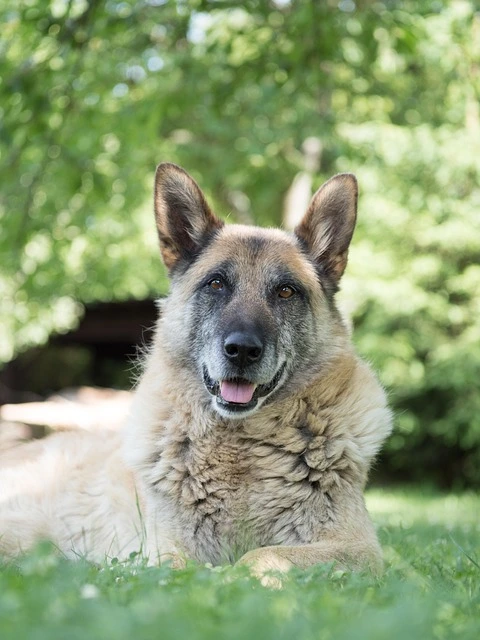
You just noticed your dog acting a little differently. Maybe she’s sleeping more, eating less in the mornings, or her nipples look slightly swollen. If she recently mated, a big question is probably racing through your mind: how long are dogs pregnant, and what should I expect over the coming weeks? Whether the pregnancy was planned or a surprise, knowing the exact timeline helps you prepare for a safe, healthy delivery.
Quick Answer
Dogs are pregnant for approximately 63 days (about 9 weeks) from the date of ovulation. The gestation period can range from 58 to 68 days depending on the breed and the timing of mating relative to ovulation. This relatively short pregnancy moves fast, so early preparation is essential for both the mother and her puppies.
TL;DR: Dog pregnancy lasts around 63 days (roughly 9 weeks). The timeline is divided into three trimesters of about 3 weeks each. Confirm pregnancy with your vet around day 25–30, and start preparing a whelping area by week 7.
Key Takeaways
- Average gestation is 63 days from ovulation, but can range from 58–68 days depending on breed size and mating timing.
- Veterinary confirmation via ultrasound is possible as early as day 25, and X-rays can count puppies after day 45.
- Nutrition needs increase significantly in the final trimester — expect to feed 25–50% more calories.
- A temperature drop below 99°F (37.2°C) signals labor will likely begin within 24 hours.
- Prepare your whelping box and supplies by the end of week 7 so you’re ready well before delivery day.

Table of Contents
Why Understanding Dog Pregnancy Length Matters
Knowing how long dogs are pregnant isn’t just trivia — it directly affects the health of the mother and her puppies. A pregnancy that goes too long past 68 days can signal complications like uterine inertia. One that ends too early may produce premature puppies that can’t survive outside the womb.
Proper timing also helps you schedule critical veterinary checkups. Ultrasounds, X-rays, dietary adjustments, and vaccination boosters all need to happen at specific points during the 63-day window. Missing these milestones can lead to preventable problems.
According to the American Kennel Club, understanding the gestation calendar is one of the most important responsibilities for any breeder or owner of a pregnant dog. Even if you weren’t planning for puppies, getting educated now gives both mom and her litter the best chance.
How Dog Pregnancy Works: A Quick Background
A dog’s reproductive cycle is different from a human’s. Female dogs (called dams) typically go into heat twice per year, though this varies by breed. Smaller breeds may cycle three times a year, while giant breeds might only cycle once.
After mating, sperm can survive inside the female’s reproductive tract for several days. This is why the exact length of pregnancy can seem to vary. The 63-day clock really starts at ovulation, not the mating date. If your dog mated several days before she actually ovulated, the pregnancy might appear longer when counted from the breeding date.
Fertilized eggs travel to the uterine horns and implant around day 16. From that point, embryonic development moves rapidly. By week 3, the embryos have a heartbeat. By week 5, they’ve developed recognizable features like toes and whiskers. The final weeks focus on weight gain and lung maturation.
Veterinarians recommend completing your dog’s vaccinations before breeding, since most vaccines shouldn’t be given during pregnancy. Planning ahead protects the puppies through maternal antibodies passed in the first milk (colostrum).
The Week-by-Week Dog Pregnancy Timeline
Weeks 1–3: Fertilization and Early Development
During the first three weeks, you probably won’t notice any visible changes. Internally, though, a lot is happening. The fertilized eggs divide, travel down the oviducts, and implant into the uterine lining around days 14–16.
Some dogs experience mild appetite changes or slight lethargy during this phase. Others show no signs at all. Avoid any unnecessary medications, chemicals, or stressful situations during this delicate implantation window.
Weeks 4–5: Confirmation and Visible Changes
This is when things get real. Around day 25–28, your vet can confirm pregnancy via ultrasound. You may notice your dog’s nipples becoming larger and slightly darker. Some dogs experience morning sickness — brief episodes of reduced appetite or occasional vomiting — typically around weeks 3–4.
By week 5, the embryos are developing rapidly. Their organs are forming, and they begin to look like tiny puppies. Your vet may recommend gradually increasing food quality, switching to a high-calorie puppy food or a performance diet to support the growing litter.
If your dog is experiencing any digestive upset during this phase, understanding common causes and solutions for stomach issues can help you distinguish normal pregnancy nausea from something that needs veterinary attention.
Weeks 6–7: Rapid Growth Phase
The puppies are growing fast now. Your dog’s belly will become visibly larger, and she may start seeking out quiet, comfortable nesting spots. Appetite usually increases noticeably during this phase.
After day 45, your vet can take X-rays to count the number of puppies. This is important because it helps you know when delivery is complete. Knowing the expected litter size reduces the risk of a retained puppy going unnoticed.
Increase meal frequency to 3–4 smaller meals per day instead of two large ones. The growing puppies press on the stomach, making large meals uncomfortable. Calorie intake should be about 25–50% higher than her normal maintenance diet by the end of this phase.
Weeks 8–9: Final Preparation and Labor
In the final stretch, the puppies are fully developed and gaining weight rapidly. Your dog may become restless, pant more, or lose her appetite in the 24–48 hours before labor. Her mammary glands will fill with milk, and you might notice a milky discharge.
The single most reliable sign that labor is approaching is a drop in rectal temperature below 99°F (37.2°C). Normal canine temperature ranges from 101°F to 102.5°F. When it drops below 99°F, delivery typically begins within 12–24 hours.
This is also a good time to check in on your dog’s overall comfort. If she seems unusually restless or anxious, proven strategies for managing dog anxiety can help you create a calmer environment during this stressful final phase.
Common Mistakes Dog Owners Make During Pregnancy (and Fixes)
- Guessing the due date from the mating date alone. The fix: Ask your vet about progesterone testing to pinpoint ovulation. This gives a much more accurate due date than counting from the breeding day.
- Overfeeding in the first month. The fix: Calorie needs don’t increase significantly until weeks 5–6. Keep portions normal early on and increase gradually in the final trimester.
- Skipping the prenatal ultrasound. The fix: Schedule an ultrasound around day 25–30 to confirm pregnancy and check for problems like pyometra (uterine infection) that can mimic pregnancy symptoms.
- Not taking X-rays to count puppies. The fix: Get an X-ray after day 45. Knowing the litter size helps you confirm that all puppies have been delivered during labor.
- Waiting until labor to set up the whelping area. The fix: Have your whelping box, clean towels, and supplies ready by the end of week 7. Rushing to set things up during active labor creates unnecessary stress.
- Exercising too aggressively in the final weeks. The fix: Switch to gentle, short walks in weeks 7–9. Avoid jumping, rough play, or anything that could injure the growing puppies.
- Ignoring temperature monitoring. The fix: Start taking your dog’s rectal temperature twice daily from day 58 onward. A drop below 99°F is your 12–24 hour warning that labor is near.
Accurate temperature readings are critical during the final days of pregnancy. A standard human thermometer isn’t designed for dogs and can give unreliable results. The iProven Dog & Cat Thermometer is built specifically for pets. It features a flexible, waterproof tip that makes rectal readings comfortable and accurate. Results display in about 20 seconds, which means less stress for your pregnant dog. The main limitation is that some dogs still resist rectal thermometers regardless of the design, so gentle handling is key. For first-time breeders or any owner monitoring a pregnant dog, this tool removes the guesswork from temperature tracking.
CHECK PRICE ON AMAZON: https://amzn.to/3ZCZVqo
Step-by-Step Guide: Preparing for Your Dog’s Pregnancy and Delivery
- Confirm the pregnancy. Visit your veterinarian around day 25–30 for an ultrasound. This confirms viable embryos and rules out false pregnancy or infection.
- Adjust her diet gradually. Beginning in week 5, start transitioning to a high-quality puppy food or a performance formula. These offer the extra protein and calories she needs. Increase portions by 25–50% over the final three weeks.
- Schedule a puppy count X-ray. After day 45, have your vet take abdominal X-rays. This tells you exactly how many puppies to expect during delivery.
- Set up the whelping box by week 7. Choose a quiet, warm, draft-free area. The box should be large enough for mom to stretch out but have low sides so she can enter and exit easily. Line it with clean towels or washable pads.
- Gather your whelping supply kit. You’ll need clean towels, bulb syringes for clearing airways, iodine for umbilical cords, a digital scale, and a thermometer. Having everything organized in advance prevents last-minute scrambles.
When it comes to whelping supplies, being organized can genuinely save a puppy’s life. The Cat & Dog First Aid Kit comes pre-assembled with 100 essential items including a pet thermometer, tick remover, and a first aid manual. It’s ideal for first-time breeders who aren’t sure exactly what they’ll need. The high-visibility reflective case is easy to spot in a dimly lit whelping room. One downside is that you’ll still want to add extra clean towels and a bulb syringe, since those aren’t included. But as a foundation kit, it covers most emergency basics.
CHECK PRICE ON AMAZON: https://amzn.to/3ZDeyKc
- Begin temperature monitoring from day 58. Take your dog’s rectal temperature twice daily (morning and evening). Record each reading so you can spot the critical drop below 99°F.
- Know the stages of labor. Stage one involves restlessness, nesting, and panting (6–12 hours). Stage two is active pushing and delivery of puppies (typically 30–60 minutes between each puppy). Stage three is delivery of the placentas.
- Stay calm and observe. Most dogs deliver naturally without intervention. Your job is to monitor progress, keep the area clean, and count puppies and placentas. Intervene only if a puppy is stuck or if more than two hours pass between deliveries.
Troubleshooting: Common Pregnancy Concerns
- If your dog refuses food in weeks 3–4: This is often normal morning sickness. Offer small, bland meals. If vomiting persists beyond a few days, contact your vet.
- If her belly seems small for the expected due date: Litter size varies widely. Some dogs carry just one or two puppies. An ultrasound or X-ray can confirm normal development.
- If you notice green or dark discharge before any puppies are born: This can indicate placental separation. Contact your vet immediately, as it may require emergency intervention.
- If more than 2 hours pass between puppies during labor: This could signal uterine inertia or an obstruction. Call your vet or emergency clinic right away.
- If she seems excessively lethargic or has a fever during pregnancy: Normal temperature for dogs is 101–102.5°F. Anything above 103°F during pregnancy warrants an immediate vet visit.
- If she’s past day 68 with no signs of labor: Extended pregnancy beyond 68 days is a red flag. Your vet may recommend induction or a cesarean section.
When to See a Veterinarian
Some situations during dog pregnancy require professional help right away. Don’t wait or try to handle these at home.
Contact your vet immediately if you notice any of the following: foul-smelling vaginal discharge at any stage, active straining for more than 30 minutes without producing a puppy, green or black discharge before the first puppy arrives, a rectal temperature above 103°F, extreme lethargy or collapse, or if the pregnancy extends past day 68 from confirmed ovulation.
Even if everything seems normal, veterinarians recommend at least three prenatal visits: one to confirm pregnancy (day 25–30), one for X-rays to count puppies (day 45+), and one in the final week to assess the mother’s overall readiness for delivery.
If your pregnant dog shows unexpected symptoms like persistent shaking or trembling, it’s worth having your vet rule out eclampsia (low calcium), which can be dangerous during late pregnancy.
Expert Opinion
Dog pregnancy is remarkably efficient compared to human gestation. The entire process from fertilization to delivery happens in roughly two months, which means every single day counts. According to the American Veterinary Medical Association, proper prenatal care significantly reduces the risk of complications for both the dam and her litter.
Veterinarians emphasize that the most common mistake owners make is underestimating how quickly the pregnancy progresses. By the time most people realize their dog is pregnant, she may already be in the second trimester. Early veterinary involvement — ideally within the first 30 days — allows for proper nutrition planning, parasite prevention adjustments, and litter size estimation. This level of preparation is what separates a smooth whelping experience from an emergency one. Keep in mind that this guide provides general information and should not replace professional veterinary advice tailored to your individual dog.
Frequently Asked Questions
How long are dogs pregnant in months?
Dogs are pregnant for approximately 2 months, or more precisely about 9 weeks (63 days from ovulation). This is significantly shorter than human pregnancy.
Can you tell if a dog is pregnant at 2 weeks?
At 2 weeks, there are usually no visible signs. Most physical changes appear after week 3–4. The earliest reliable confirmation is a veterinary ultrasound around day 25.
How many puppies can a dog have?
Litter size ranges from 1 to 12 or more, depending on the breed. Smaller breeds typically have 1–4 puppies, while larger breeds often have 6–10. X-rays after day 45 give an accurate count.
Do dogs have morning sickness?
Yes, some dogs experience mild nausea and reduced appetite around weeks 3–4 of pregnancy. It’s usually brief and resolves on its own. Persistent vomiting should be evaluated by a vet.
How can I tell if my dog is pregnant without a vet?
Early signs include swollen nipples, mild appetite changes, increased sleeping, and nesting behavior around week 5–6. However, only a vet can confirm pregnancy definitively via ultrasound or X-ray.
Is it safe to give my pregnant dog supplements?
Only give supplements recommended by your veterinarian. Providing a balanced supplement regimen designed for pregnant or nursing dogs can support both the mother and developing puppies. Avoid over-supplementing calcium before delivery.
What should I feed my pregnant dog?
Switch to a high-quality puppy food or performance diet starting in week 5. These formulas have the extra protein, fat, and calories needed to support fetal growth. Increase portions by 25–50% in the final trimester.
How do I know when my dog is about to give birth?
Watch for restlessness, nesting, panting, loss of appetite, and a rectal temperature drop below 99°F. These signs typically appear 12–24 hours before active labor begins.
Can dogs get a C-section?
Yes. Cesarean sections are common in certain breeds with large heads and narrow hips, such as Bulldogs and French Bulldogs. Your vet will recommend one if natural delivery poses a risk to the mother or puppies.
Should I be present during my dog’s labor?
Yes, but stay calm and quiet. Most dogs prefer a peaceful environment. Be nearby to monitor progress, count puppies, and intervene only if there’s a clear emergency.
Conclusion
Understanding how long dogs are pregnant — and what happens during each stage — puts you in the best position to support a healthy pregnancy and delivery. The 63-day journey from fertilization to birth moves quickly, but with proper planning, it doesn’t have to feel overwhelming. Focus on early veterinary confirmation, gradual nutrition increases, and having your whelping supplies ready well before the due date. Monitor your dog’s temperature in those final days so you’re not caught off guard when labor begins. Every litter is different, but a prepared owner makes all the difference. Take the first step today: call your vet, confirm the pregnancy, and start building your week-by-week care plan.