You just sat down on the couch after a long day, and your dog trots over, plants their chin on your knee — and leaves a puddle of drool soaking through your pants. Sound familiar? Dogs and excessive drooling is one of the most common concerns dog owners search for, yet most people have no idea whether it’s perfectly normal or a sign that something is actually wrong. The good news is that, in many cases, drooling has a simple explanation. But in some situations, it demands your attention fast.
Quick Answer: Why Do Dogs Drool Excessively?
Dogs drool excessively for reasons ranging from completely normal breed traits to serious health issues like dental disease, heatstroke, or toxin exposure. Some breeds — think Mastiffs, Bloodhounds, and Saint Bernards — are built to drool thanks to loose lip folds. However, a sudden increase in drooling in any breed often signals mouth pain, nausea, or an underlying medical condition that needs veterinary attention.
TL;DR: A little drool is normal for most dogs, and totally expected in heavy-drooling breeds. But sudden, excessive, or unusual drooling — especially paired with other symptoms — usually means something is off and you should investigate or call your vet.
Key Takeaways:
- Heavy drooling is normal for breeds with loose jowls, but sudden changes in any breed deserve attention.
- Dental disease, foreign objects stuck in the mouth, and nausea are the most common fixable causes.
- Heatstroke, toxin ingestion, and bloat cause excessive drooling and require emergency vet care.
- Regular dental hygiene and mouth checks can prevent many drool-related health issues.
- When drooling comes with vomiting, lethargy, or swelling, skip the home remedies and call your vet immediately.
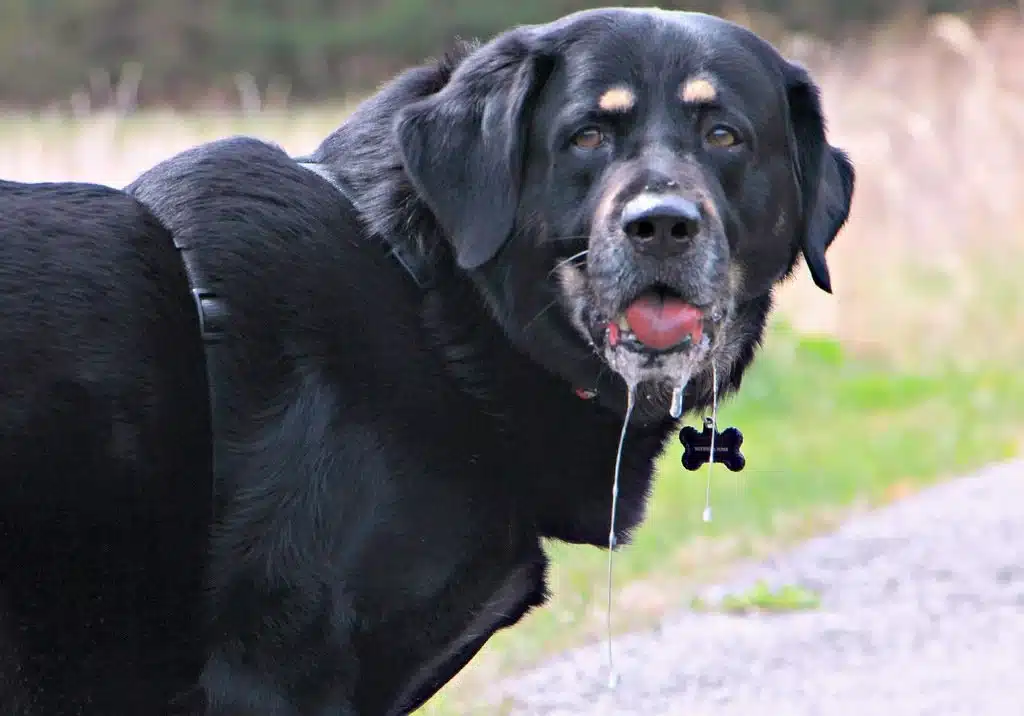
Table of Contents
Why Excessive Drooling in Dogs Matters
It’s easy to shrug off drool as “just a dog thing.” And sure, some slobber comes with the territory of dog ownership. But excessive drooling — the clinical term is ptyalism — can actually be your dog’s way of telling you something important.
Left unchecked, the underlying causes of abnormal drooling can escalate. A cracked tooth becomes an abscess. Mild nausea from a dietary issue turns into chronic gastrointestinal distress. An unnoticed foreign object lodged between teeth leads to infection. According to the American Veterinary Medical Association (AVMA), periodontal disease affects the majority of dogs by age three — and excessive drooling is often one of the earliest warning signs.
The key isn’t to panic every time your dog leaves a wet spot. It’s to know the difference between normal drool and the kind that signals a problem. That awareness alone can save you expensive vet bills and spare your dog unnecessary pain.
How Drooling Works: The Basics Behind the Slobber
Dogs produce saliva from three major salivary gland pairs: the parotid, mandibular, and sublingual glands. Saliva serves essential purposes — it lubricates food for easier swallowing, begins the digestive process, and protects the mouth against bacteria.
In normal circumstances, your dog produces just enough saliva to handle these jobs. The excess gets swallowed without you ever noticing. But when something triggers overproduction — or when your dog can’t swallow normally — that’s when drool starts pooling, dripping, and soaking everything in sight.
Breed anatomy plays a huge role. Dogs with loose, pendulous lips (called “flews”) simply can’t contain saliva the way a German Shepherd or Poodle can. Breeds like the Newfoundland, Bulldog, and Basset Hound have mouth structures that practically guarantee visible drool. That’s genetics, not a health problem.
But when a dog that normally swallows their saliva just fine suddenly starts dripping, something has changed. And that change deserves your attention. If your dog is also showing signs like shaking or trembling, the combination of symptoms can help you narrow down the cause faster.
The Most Common Causes of Excessive Drooling
Understanding why your dog drools too much starts with recognizing the most likely culprits. Here’s what veterinarians see most often.
Normal Breed-Related Drooling
Certain breeds are genetically predisposed to heavy drooling. Saint Bernards, Mastiffs, Bloodhounds, Bulldogs, and Newfoundlands top this list. If you own one of these breeds, heavy drool is part of the package — not a medical emergency.
Dental and Oral Problems
This is the number one medical cause of excessive drooling. Broken teeth, gum disease, oral tumors, and tartar buildup all trigger extra saliva production. Your dog’s mouth is trying to flush out irritation and infection. According to the American Kennel Club (AKC), dental issues are among the first things a vet will check when a dog presents with sudden drooling.
Foreign Objects in the Mouth
Sticks, bone fragments, toy pieces, and even burrs can get wedged between teeth, stuck in gums, or lodged against the palate. Your dog can’t tell you something is stuck, but the drooling speaks volumes.
Nausea and Stomach Upset
Just like humans get watery mouths before feeling sick, dogs drool heavily when nauseated. Motion sickness, dietary indiscretion (eating something they shouldn’t have), and gastrointestinal issues like vomiting bile are frequent triggers.
Heatstroke
When dogs overheat, drooling increases dramatically as the body tries to cool down. Heavy panting, thick ropy drool, and lethargy during hot weather are classic signs.
Anxiety and Stress
Nervous dogs drool. Car rides, thunderstorms, vet visits, and separation anxiety all activate stress responses that include increased saliva production. If your dog tends toward anxiety-related behaviors, drooling might be one symptom among several.
Toxin or Poison Exposure
Certain plants (like sago palms and tulips), household chemicals, and toxic foods (chocolate, xylitol, grapes) cause immediate excessive drooling. This is always an emergency situation.
Common Mistakes Dog Owners Make About Drooling (And Fixes)
- Assuming all drool is breed-related. Even heavy-drooling breeds can develop dental disease or swallow foreign objects. The fix: monitor for changes in drool volume, consistency, or smell — even in “drooly” breeds.
- Ignoring foul-smelling drool. Normal saliva doesn’t stink. Foul or metallic-smelling drool almost always points to oral infection or dental disease. The fix: lift your dog’s lips and check for red gums, broken teeth, or visible swelling at least once a week.
- Waiting too long after a sudden drool onset. Sudden, profuse drooling — especially with retching or a swollen belly — could indicate bloat, which is fatal without rapid treatment. The fix: treat sudden drooling paired with distress as an emergency and call your vet immediately.
- Skipping dental care entirely. Many owners never brush their dog’s teeth or schedule dental cleanings. The fix: start a regular brushing routine and schedule annual professional cleanings.
- Using human toothpaste on dogs. Human toothpaste contains fluoride and xylitol, both toxic to dogs. The fix: always use enzymatic toothpaste formulated specifically for dogs.
- Punishing a drooling dog. Some owners scold dogs for drooling on furniture or guests. Dogs can’t control salivation, and punishment only adds stress — which makes drooling worse. The fix: manage the environment with towels and drool bibs instead of correcting the dog.
Oral hygiene is one of the most overlooked areas of dog health, yet it directly affects drooling. A dog with a clean, healthy mouth simply drools less — and avoids the painful infections that trigger excessive salivation in the first place.
Virbac C.E.T. Oral Hygiene Kit is the gold standard for at-home dog dental care. This kit includes an enzymatic poultry-flavored toothpaste that dogs actually enjoy, plus both a fingerbrush for getting started and a standard pet toothbrush for thorough cleaning. It’s ideal for owners who want to establish a consistent brushing routine without fighting their dog every session. The enzymatic formula works even between brushings to break down plaque. One honest limitation: very small dogs may find even the included brush slightly large, so you might need a separate puppy-sized brush head.
CHECK PRICE ON AMAZON: https://amzn.to/4bXfiRW
Step-by-Step: How to Check Your Dog’s Mouth and Manage Excessive Drooling
- Stay calm and approach gently. A dog in mouth pain may snap. Speak softly and let them come to you. Offer a treat to create a positive association with mouth handling.
- Lift the lips on both sides. Look at the gums, teeth, and inner cheeks. Healthy gums should be pink (or pigmented, depending on breed). Red, swollen, or bleeding gums signal trouble.
- Check for foreign objects. Look between teeth, along the gumline, and against the roof of the mouth. If you see something stuck, try gently removing it with tweezers. If it’s deeply embedded, leave it for the vet.
- Smell the breath. A sudden change to foul or metallic-smelling breath alongside increased drooling strongly suggests infection or dental decay.
- Assess other symptoms. Is your dog also vomiting, lethargic, panting excessively, or refusing food? These paired symptoms help your vet diagnose the root cause quickly.
- Keep a drool diary. Note when drooling happens, how long it lasts, what your dog ate, and any environmental triggers (car rides, storms, heat). Patterns reveal causes.
- Start a dental routine. Brush your dog’s teeth at least three times per week. Use enzymatic toothpaste designed for dogs. Even two minutes per session makes a noticeable difference over time.
- Schedule a vet dental exam. If excessive drooling persists for more than 48 hours or comes with other symptoms, book an appointment. Annual dental cleanings under anesthesia are recommended by most veterinarians for dogs over age two.
When nausea or fast eating is behind the drooling, slowing down mealtime makes a real difference. Dogs that inhale their food often swallow excess air alongside their kibble, triggering both drooling and digestive discomfort.
Outward Hound Fun Feeder Slo Bowl turns mealtime into a mini puzzle that forces your dog to eat at a healthier pace. The raised ridges and flower pattern slow eating by up to ten times compared to a regular bowl. It holds up to four cups of food, works for medium to large dogs, and the non-slip base keeps it from sliding across the floor. It’s a simple, affordable fix for dogs who drool excessively around food because they’re gulping too fast. The only downside is that the ridges require a brush to clean thoroughly — a quick rinse won’t do it.
CHECK PRICE ON AMAZON: https://amzn.to/40buzas
Troubleshooting: Quick Drool Scenarios and What to Do
- If your dog drools only in the car: Motion sickness is the likely cause. Try shorter trips to build tolerance, crack windows for airflow, and ask your vet about anti-nausea medication for longer drives.
- If drooling started after switching food: A food allergy or sensitivity might be triggering nausea. Switch back to the previous food and introduce the new one gradually over 7–10 days. If you suspect a food allergy is the deeper issue, exploring the right diet for dogs with allergies can help.
- If your dog drools during storms or fireworks: This is stress-related drooling. Create a safe, quiet space and consider calming aids. A quality calming product can take the edge off situational anxiety.
- If drooling comes with pawing at the mouth: Something is likely stuck or causing pain inside the mouth. Check carefully and see a vet if you can’t identify or remove the object.
- If drool is thick, ropy, or discolored: This can indicate dehydration, infection, or toxin exposure. Offer fresh water and monitor closely. If it doesn’t resolve within an hour or other symptoms appear, call your vet.
- If your dog drools and has a bloated, hard belly: This is a potential emergency. Gastric dilatation-volvulus (bloat) is life-threatening. Do not wait — head to the emergency vet immediately.
Having the right supplies on hand makes it much easier to respond quickly when drooling signals something more serious. Rather than scrambling during a stressful moment, you can check your dog’s temperature, examine their mouth, and take informed action while deciding whether a vet visit is necessary.
Cat & Dog First Aid Kit comes pre-assembled with 100 essential pieces including a digital pet thermometer, tick remover, gauze, antiseptic wipes, and a pet first aid manual. The high-visibility reflective case is easy to spot in an emergency and portable enough for travel. It’s a smart addition for any dog owner, especially those with breeds prone to drooling-related health scares like bloat or heatstroke. One thing to note: the included thermometer works but isn’t the fastest — upgrading to a dedicated digital rectal thermometer gives quicker readings.
CHECK PRICE ON AMAZON: https://amzn.to/3ZDeyKc
When to See a Vet About Your Dog’s Excessive Drooling
Not every drool puddle needs a vet visit. But certain red flags mean you should skip the home troubleshooting and get professional help right away.
See your veterinarian immediately if your dog’s excessive drooling is accompanied by any of these warning signs: vomiting or dry heaving (especially with a distended abdomen), refusal to eat or drink for more than 24 hours, visible oral masses, lumps, or bleeding gums, difficulty breathing or swallowing, sudden facial swelling, disorientation, collapse, or seizures, and known or suspected toxin ingestion.
Even without emergency symptoms, schedule an appointment if your dog’s drooling has increased significantly over the past week with no obvious trigger, or if home dental care hasn’t improved foul-smelling drool after two weeks.
Veterinarians recommend annual dental exams for all adult dogs. Breeds predisposed to heavy drooling benefit from twice-yearly oral checkups. Early detection of dental disease, oral tumors, and gland issues dramatically improves outcomes.
Expert Opinion
Excessive drooling is one of those symptoms that sits at the crossroads of “totally normal” and “potentially serious.” The clinical reality, supported by veterinary literature, is that ptyalism has a diagnostic value that many pet owners underestimate. Saliva overproduction is a reliable early indicator of oral pain, gastrointestinal distress, and neurological conditions — sometimes appearing before more obvious symptoms like appetite loss or behavioral changes.
The American Kennel Club notes that sudden onset drooling, particularly in breeds not predisposed to heavy salivation, should always prompt an oral examination at minimum. Veterinary dental specialists emphasize that periodontal disease remains dramatically underdiagnosed in companion animals, partly because owners mistake early signs like increased drooling and bad breath for normal aging.
The takeaway for owners is straightforward: know your individual dog’s baseline. A Mastiff that’s always drooled heavily and continues doing so is almost certainly fine. A Labrador that suddenly starts leaving puddles everywhere has likely developed a new issue worth investigating. Context and change are what matter most.
Note: This article provides general health information for educational purposes. It is not a substitute for professional veterinary diagnosis or treatment. Always consult your veterinarian about your individual dog’s health concerns.
Frequently Asked Questions
Why is my dog suddenly drooling so much?
Sudden excessive drooling usually points to mouth pain, a foreign object stuck in the teeth or gums, nausea, or toxin exposure. If it started out of nowhere and your dog seems distressed, check their mouth first and contact your vet if you can’t find an obvious cause.
Is excessive drooling normal for certain dog breeds?
Yes. Breeds like Saint Bernards, Mastiffs, Bloodhounds, Bulldogs, and Newfoundlands drool heavily due to loose lip folds that can’t contain saliva. This is genetic and completely normal for these breeds.
Can dental problems cause a dog to drool excessively?
Absolutely. Broken teeth, gum disease, oral infections, and tartar buildup are among the most common medical causes of excessive drooling. Regular dental care significantly reduces drool caused by oral health issues.
When should I take my drooling dog to the vet?
See a vet if drooling is sudden and severe, accompanied by vomiting or a swollen belly, paired with refusal to eat, or if you notice oral bleeding, lumps, or foul-smelling breath that doesn’t improve with brushing.
Can anxiety cause a dog to drool more?
Yes. Stress triggers like car rides, thunderstorms, fireworks, separation, and vet visits commonly cause increased salivation. If anxiety drooling is frequent, talk to your vet about behavioral strategies or calming supplements.
How can I reduce my dog’s drooling at home?
Maintain regular dental hygiene with dog-specific toothpaste, provide fresh water at all times, use a slow feeder bowl to prevent gulping, keep your dog cool in hot weather, and check their mouth weekly for foreign objects or gum issues.
Is drooling a sign of heatstroke in dogs?
Yes. Heavy drooling combined with excessive panting, thick ropy saliva, lethargy, and bright red gums are classic heatstroke symptoms. Move your dog to a cool area, offer water, and seek emergency veterinary care immediately.
Can food allergies cause excessive drooling?
Food sensitivities and allergies can trigger nausea, which leads to increased drooling. If drooling started after a diet change, try reverting to the previous food and introducing the new one gradually over 7–10 days.
Does drooling mean my dog is in pain?
Not always, but it can. Oral pain from dental issues, a foreign object, or injury commonly causes drooling. If your dog is also pawing at their face, whimpering, or refusing hard food, pain is a likely factor.
How do I clean up excessive dog drool effectively?
Keep microfiber cloths handy — they absorb drool better than regular towels. Wipe your dog’s mouth after meals and drinks. For furniture and floors, enzyme-based cleaners break down saliva proteins and prevent staining.
Final Thoughts on Dogs and Excessive Drooling
Dogs and excessive drooling is a topic every dog owner eventually faces — whether you’ve got a Mastiff that could fill a bucket or a Beagle that suddenly started leaving wet spots on the couch. The most important thing to remember is that context matters. Normal drool for your dog’s breed and baseline habits is nothing to worry about. A sudden change in amount, consistency, or smell is your cue to investigate.
Start with the basics: check the mouth, assess for other symptoms, and review what your dog has eaten or been exposed to recently. Keep up with dental hygiene — it’s the single most effective thing you can do to prevent drool-related health issues. And when something doesn’t add up, trust your gut and call the vet. You know your dog better than anyone.
Your next step is simple. Lift your dog’s lips right now, take a quick look at their gums and teeth, and make dental care part of your weekly routine. That one small habit can prevent the most common causes of excessive drooling before they ever become a problem.