You’re sipping coffee on a quiet morning when your dog suddenly drags their rear across the rug, hind legs in the air, eyes locked on you like nothing’s wrong. It’s funny, then a little gross, then worrying. A dog scooting butt across the carpet is rarely random. It usually means something on the back end is itchy, full, or irritated, and your pup is trying to fix it the only way they know how.
Quick Answer
Dogs scoot their butts to relieve irritation around the anal area, most often from full or impacted anal glands, allergies, parasites, or fecal residue stuck in the fur. Occasional scooting can be normal, but frequent scooting points to a problem that needs attention. This guide helps owners spot the cause, treat mild cases at home, and recognize when a vet visit is essential.
TL;DR
Most scooting is caused by anal gland issues, itchy skin, or worms. Check for swelling, smell, or visible parasites first. If scooting continues for more than a day or two, or comes with bleeding, licking, or pain, book a vet appointment.
Key Takeaways
- Anal gland problems cause around half of all scooting cases in adult dogs.
- Allergies, fleas, and intestinal parasites are the next most common culprits.
- A quick visual check at home can rule out tapeworms, redness, and stuck debris.
- Diet, fiber, and weight management strongly affect anal gland health.
- Persistent scooting, blood, or strong odor needs professional veterinary care.
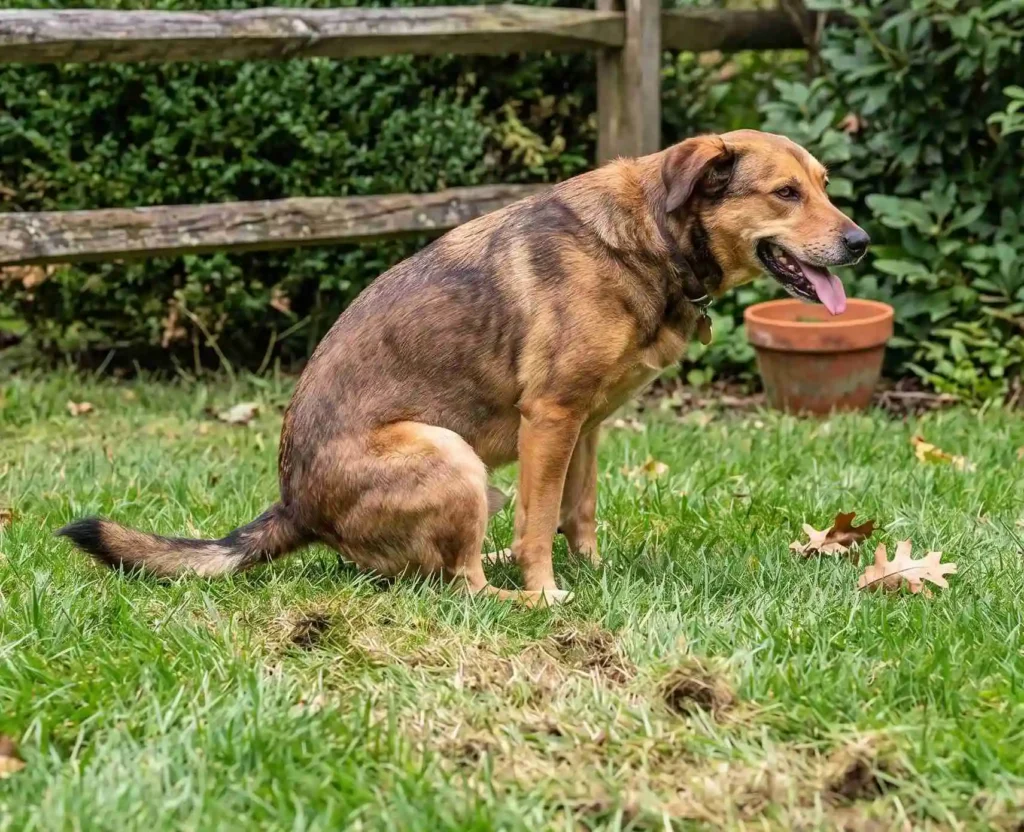
Table of Contents
Why Scooting Matters More Than You Think
It’s tempting to laugh off the carpet drag and move on. But scooting is a clear distress signal. Your dog is uncomfortable, and the longer the cause goes untreated, the worse it usually gets.
Untreated anal gland impactions can become infected and form painful abscesses. Skin irritation from allergies can turn into hot spots overnight. Worms can spread to other pets in the home, including children handling the dog.
The good news? Most causes are easy to identify and treat early. You just need to know what to look for.
How a Dog’s Rear End Actually Works
To understand scooting, it helps to know the anatomy. Your dog has two small glands tucked just inside the anus, at roughly the four o’clock and eight o’clock positions. These glands hold a strong-smelling fluid that normally empties a tiny amount each time your dog poops.
When stool is firm, the glands get squeezed and released naturally. When stool is soft, runny, or skipped, that pressure never happens. The fluid thickens, the glands swell, and your dog feels pressure they can’t ignore. Scooting is their attempt to release it.
The skin around the anus is also rich in nerves and easily irritated. Allergies, yeast, fecal residue stuck in long hair, and parasite eggs around the anus can all set off intense itching that looks identical to gland problems from the outside.
The 7 Most Common Causes of Dog Scooting
1. Full or Impacted Anal Glands
The number one reason. Glands feel uncomfortably full and your dog tries to express them on the floor.
2. Skin Allergies
Food and environmental allergies often cause itching around the rear, paws, and ears. Scooting may come with paw licking and chewing, which is a strong allergy clue.
3. Intestinal Parasites
Tapeworm segments look like grains of rice near the anus or in fresh stool. Roundworms and giardia also cause itching and irritation.
4. Fleas and Mites
Bites concentrate where the skin is thinnest. The base of the tail and the rear end are favorite flea zones.
5. Diarrhea or Soft Stool
Loose stool leaves residue and prevents glands from emptying. Recurring soft stools deserve attention, and our guide on stopping dog diarrhea quickly walks through home steps.
6. Long or Matted Hair Around the Anus
Stuck poop, matted fur, or dried fecal residue can irritate the skin and trigger scooting in long-coated breeds.
7. Tumors, Polyps, or Infections
Less common, but more serious. Older dogs with sudden scooting should always be examined.
Common Mistakes Owners Make (and How to Fix Them)
- Mistake: Assuming scooting is funny or harmless. The fix: Treat it as a symptom on day one, not day five.
- Mistake: Trying to express anal glands at home without training. The fix: Let a vet or experienced groomer do it. External expression done wrong can damage tissue.
- Mistake: Switching to a low-fiber food when stools are loose. The fix: Add fiber, not remove it. Pumpkin and high-quality kibble help firm things up.
- Mistake: Ignoring repeated allergic episodes. The fix: Track flare-ups in a notebook and discuss patterns with your vet.
- Mistake: Skipping flea prevention “because they live indoors.” The fix: Use year-round prevention. Fleas hitch rides on shoes and visiting pets.
- Mistake: Using human wipes or harsh soaps on the rear. The fix: Stick to dog-safe wipes or a medicated rinse approved by a vet.
- Mistake: Waiting weeks before seeking help. The fix: Two days of scooting without improvement is your signal to call the clinic.
Solutions That Target the Real Cause
A good rule: don’t treat the scoot, treat the trigger. Once you suspect a cause, the right product or routine can shorten recovery and prevent the next flare-up.
Supporting the Gut for Firmer Stools
Soft stool is the silent driver behind most repeat anal gland problems. When digestion is shaky, glands stay full. Probiotics help balance gut bacteria, firm up stool, and reduce the cycle of scooting that follows every bout of loose poop.
Purina Pro Plan FortiFlora is one of the most studied veterinary probiotics on the market. It comes in single-serve sachets you sprinkle over food, making it easy for picky eaters and dogs on sensitive diets. Owners report firmer stools within a week and steadier digestion through stress, travel, or food transitions. The honest limitation: it’s not a fix for chronic gut disease, and dogs with serious GI conditions still need a full vet workup. But as a daily support, it’s hard to beat. Pair it with a fiber-aware diet for the strongest effect, and read our dog supplements guide before stacking other products.
CHECK PRICE ON AMAZON: https://amzn.to/3ZySvV4
Slowing Mealtime to Improve Digestion
Many dogs that scoot also gulp their food. Inhaled air, oversized bites, and rapid eating all contribute to gas, soft stool, and poor gland emptying. Slowing the meal is a small change with surprisingly big results.
The Outward Hound Fun Feeder Slo Bowl uses a flower-shaped maze that forces your dog to nose around for kibble instead of vacuuming it up. Meals stretch from 30 seconds to several minutes, which improves digestion and reduces gulping-related stomach issues. It’s dishwasher safe, non-slip on the bottom, and sized for medium and large dogs. The honest limitation: very flat-faced breeds may struggle with the deeper grooves and need a shallower model. For most dogs, it’s an effortless upgrade that supports firmer stool and healthier glands over time.
CHECK PRICE ON AMAZON: https://amzn.to/40buzas
Calming Itchy Skin Around the Rear
If your dog’s scooting comes with redness, licking, or a yeasty smell, the trigger is likely skin, not glands. Allergies and minor infections respond well to a medicated bath at home before symptoms escalate.
Pet Honesty Chlorhexidine Shampoo combines chlorhexidine with skin-soothing ingredients to calm itching, fight common bacteria and yeast, and deodorize at the same time. It’s especially useful for dogs with seasonal allergies, hot spots starting near the rear, or recurring funky smells from skin folds. Owners praise how gentle it feels for a medicated wash. The honest limitation: it doesn’t replace a vet visit for serious infections, and you should always patch test on a small area first. Use it as part of a broader allergy plan, including the right food for itchy skin, to attack the problem from inside and out.
CHECK PRICE ON AMAZON: https://amzn.to/4axh7CF
Step-by-Step: What to Do When Your Dog Starts Scooting
- Calmly observe. Note how often, on what surfaces, and after what events (eating, pooping, walks).
- Do a visual check. Lift the tail in good light. Look for redness, swelling, discharge, stuck debris, or rice-like worm segments.
- Sniff (yes, really). A strong fishy odor often signals anal gland issues.
- Check the stool. Is it firm, soft, or runny? Snap a photo for the vet if it looks unusual.
- Wipe the area. Use a dog-safe wipe to remove any stuck residue.
- Adjust food. Add a spoon of plain canned pumpkin to the next meal for a gentle fiber boost.
- Update flea prevention. Make sure the current dose is on schedule.
- Track for 48 hours. If scooting continues, escalates, or new symptoms appear, call the vet.
- Avoid home gland expression. External squeezing can rupture inflamed glands. Leave it to professionals.
- Reassess routine. Look at diet, exercise, and grooming to spot patterns once symptoms ease.
Troubleshooting (If/Then)
- If scooting started after a diet change → then return to the previous food and reintroduce slowly.
- If you see rice-like segments → then collect a sample and call the vet for a deworming plan.
- If the rear smells fishy or strong → then anal glands likely need expression by a professional.
- If the area looks red or swollen → then stop letting your dog lick it and book a vet check within 24 hours.
- If scooting comes with blood in stool → then go to the vet that day, not next week.
- If your dog also scratches ears, paws, and belly → then suspect allergies and ask the vet about a trial diet.
- If scooting stops within a day after a bath or stool firms up → then monitor and improve gut health with fiber-rich superfoods for dogs.
When to See a Veterinarian
Some scooting clears up at home. Other cases need professional eyes the same day.
Call your vet promptly if you notice:
- Scooting that continues longer than 48 hours
- Visible blood, pus, or open sores near the anus
- Strong odor that doesn’t go away after a bath
- Swelling, lumps, or hard masses around the rectum
- Loss of appetite, lethargy, or fever
- Repeated scooting episodes every few weeks
Senior dogs with sudden, new scooting always deserve a check. Anal gland tumors are uncommon but real, and early detection matters.
The information here is general guidance for dog owners and not a substitute for a hands-on veterinary diagnosis.
Expert Opinion
Veterinarians widely agree that anal gland issues are among the most common reasons dogs are brought in for “mystery itching” or scooting. According to the American Kennel Club, anal gland problems are especially common in small breeds and dogs with chronic soft stool, and most cases improve dramatically with diet adjustments, fiber, and routine expression when needed. Dermatologists emphasize that allergies are the second-leading cause and often require a long-term plan rather than a single treatment.
The American Veterinary Medical Association also stresses that year-round parasite prevention is essential, since fleas, ticks, and intestinal worms can all trigger scooting and skin irritation. Combine prevention, gut support, and quick attention to flare-ups, and most dogs go from chronic scooters to comfortable companions within a few weeks.
FAQs
Why does my dog scoot right after pooping?
Usually because the glands didn’t fully empty, or a small bit of stool stuck to the fur. Wipe the area, watch for repeats, and check stool firmness over the next two days.
Is it normal for my dog to scoot once in a while?
A single scoot now and then can be harmless. Daily or repeated scooting is not normal and points to gland, skin, or parasite issues that need attention.
Can I express my dog’s anal glands at home?
External expression is risky if you’re untrained. You can damage tissue or push inflammation deeper. Most vets and groomers can do it quickly during a routine visit.
What home remedy stops scooting fast?
Add a tablespoon of plain canned pumpkin to meals for fiber, wipe the area clean, and keep the dog from licking. If symptoms continue beyond 48 hours, see a vet.
Do worms always cause scooting?
Not always. Tapeworms are the most likely worm to cause scooting because their segments crawl around the anus. Many other parasites cause itching, diarrhea, or weight loss instead.
Could food allergies cause my dog to scoot?
Yes. Food sensitivities often show up as itching around the rear, ears, paws, and belly. A veterinary-guided elimination diet is the most reliable way to confirm.
Is scooting more common in certain breeds?
Small and toy breeds, plus dogs with chronic soft stool or allergies, tend to scoot more often. Cocker Spaniels, Chihuahuas, and Bulldogs are frequent visitors for gland issues.
Should I be worried if my puppy scoots?
Puppies scoot mostly from worms or stuck debris. Scooting in a young puppy almost always deserves a deworming check and a stool sample at the vet.
Can a dirty bottom cause scooting without any other issue?
Absolutely. Long fur, soft stool residue, or dried debris can irritate the skin and mimic gland problems. A gentle clean often solves it on the spot.
How can I prevent scooting from coming back?
Keep stools firm with quality nutrition and fiber, stay on flea and worm prevention, groom long-coated dogs near the rear, and address allergies early before they snowball.
Conclusion
A dog scooting butt across the floor is a small clue with a big message: something back there feels wrong. Most cases trace back to anal glands, allergies, parasites, or simple hygiene issues, and the earlier you act, the easier the fix. Start by checking the area, watching the stool, and adjusting fiber. Add probiotic and skin support if patterns repeat. And never wait more than a couple of days when symptoms persist or worsen.
Your dog can’t tell you what’s itchy or full, so a calm, observant owner is their best advocate. With the right routine and a quick call to the vet when red flags appear, scooting becomes the rare exception, not the daily ritual. Pick one improvement from this guide today, whether that’s a slow feeder, a probiotic, or a vet appointment, and watch how quickly your dog’s comfort returns.