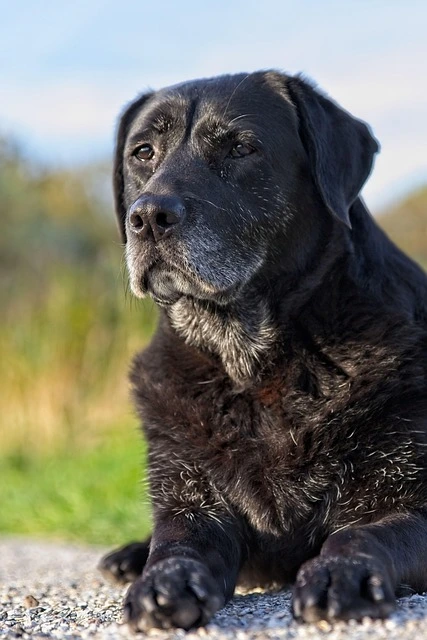
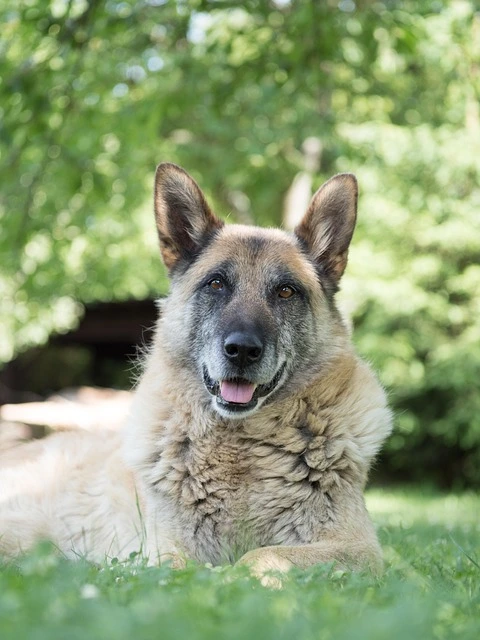
You’re sitting on the couch when your dog suddenly freezes, stretches their neck forward, and lets out the most alarming honking-snorting noise you’ve ever heard. Your stomach drops. Are they choking? Is something stuck? Before you panic and dial the emergency vet, there’s a very good chance what you just witnessed is dog reverse coughing and sneezing — a surprisingly common reflex that terrifies owners far more than it bothers the dog itself.
Quick Answer: What Is Dog Reverse Sneezing?
Reverse sneezing — also known as pharyngeal gag reflex or inspiratory paroxysmal respiration — is a sudden spasm of the soft palate and throat in which a dog rapidly inhales air through the nose instead of exhaling it. It sounds dramatic, somewhere between a honk, a snort, and a wheeze, but the episode typically lasts only 10–30 seconds and resolves completely on its own. It’s most common in small and brachycephalic (flat-faced) breeds but can happen to any dog, at any age.
TL;DR: Reverse sneezing is a brief, involuntary throat spasm. It looks alarming but is almost always harmless and self-resolving. Frequent or worsening episodes, however, are worth a vet conversation.
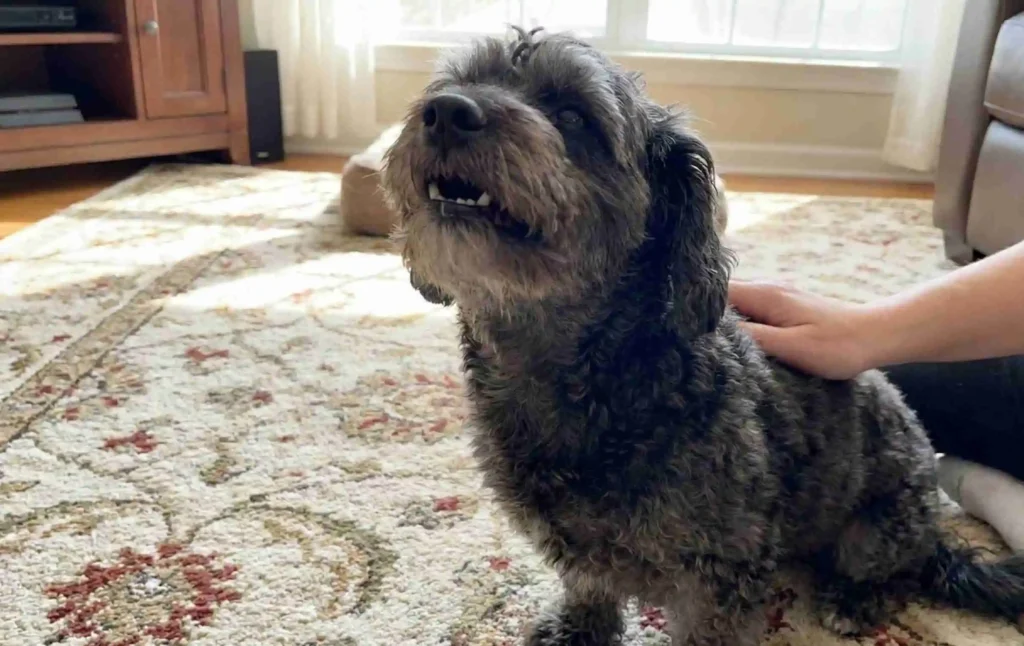
Table of Contents
Key Takeaways
- Reverse sneezing sounds like a honking snort and is almost always harmless
- Episodes typically last under 30 seconds and stop without any intervention
- Common triggers include excitement, allergens, eating too fast, and collar pressure on the throat
- Gently massaging your dog’s throat or briefly covering one nostril can cut an episode short
- Frequent, worsening, or new episodes in a senior dog always warrant a vet visit
Why It Matters: The Health Picture Behind That Honk
Most reverse sneezing episodes are genuinely nothing to worry about. That said, dismissing a growing pattern of episodes can mean missing something real. Chronic nasal inflammation from allergies, a foreign object partially lodged in the nasal passage, or nasal polyps can all produce repeat episodes that slowly worsen if left unaddressed.
There’s also a quality-of-life dimension here. A dog that reverse sneezes several times a day may be dealing with undiagnosed environmental allergies or a constant irritant in the home — something as simple as a new air freshener or a dusty rug. Prolonged irritation of the nasal passage can eventually pave the way for secondary infections. This guide covers the full picture so you can tell routine episodes from genuine red flags, calmly and without guesswork.
Please note: everything here is general educational information and does not replace a veterinary diagnosis. When in doubt, your vet is always the right call.
Anatomy of Reverse Sneezing: What’s Actually Happening in the Throat
To understand why reverse sneezing happens, a quick look at canine throat anatomy goes a long way. The soft palate is the fleshy tissue at the back of the roof of the mouth. It sits right at the gateway to the airway. When an irritant — a puff of dust, pollen, excitement-induced postnasal drip — tickles this tissue, the soft palate can snap into a brief spasm.
During the spasm, the glottis (the opening to the airway) temporarily narrows. Your dog responds by forcefully drawing air in through the nose in rapid, repeated bursts. This is the opposite of a regular sneeze, where air is pushed out — hence the name. The posture is distinctive: elbows spread wide, neck extended forward, head sometimes lowered. Eyes may bulge slightly. The sound ranges from a loud snort to a deep goose honk.
When the spasm finally releases — which it always does — your dog shakes their head, blinks, and immediately carries on as if nothing happened. That fast return to normal is one of the clearest signs you witnessed a reverse sneeze rather than something more serious like a partial obstruction or a tracheal episode.
Common Triggers of Reverse Sneezing
Understanding what sets off an episode is the most direct route to reducing how often they happen.
Excitement and overarousal are among the most common triggers. A dog that launches into a reverse sneeze the moment you pick up the leash is likely reacting to their own spike in arousal. Practicing calmer greetings and giving your dog a beat to settle before activity begins can reduce this type significantly.
Eating or drinking too fast creates pressure changes in the throat that trigger the reflex. Dogs that inhale their meals are particularly prone to episodes right around mealtimes. Simply slowing the pace of eating makes a measurable difference — a slow feeder bowl with an anti-gulping ridged design forces the dog to work for each bite rather than swallowing in gulps. The JASGOOD Slow Feeder Dog Bowl is a well-built, affordable option that works well for medium and large dogs.
CHECK PRICE ON AMAZON: https://amzn.to/4bSghCM
Allergens and airborne irritants — pollen, dust, cleaning products, scented candles, cigarette smoke — are another major category. Switching to fragrance-free household cleaners and introducing a HEPA air purifier to your main living space can visibly reduce allergy-driven episodes. A seasonal pattern (episodes spiking in spring or fall) is a strong clue that environmental allergens are at play.
Collar and leash pressure is a frequently missed trigger. A collar that pulls tight against the trachea during a walk can directly provoke a spasm. Switching to a well-fitted harness that redirects pressure to the chest rather than the throat is a straightforward fix that many owners simply haven’t considered.
Post-nasal drip from seasonal or environmental allergies mirrors the human experience closely. Dogs produce excess mucus in response to allergens, and that mucus drip irritates the soft palate. Your vet can help assess whether antihistamines appropriate for your dog’s weight and health profile might reduce overall episode frequency.
Foreign material in the nasal passage — a grass seed, a tiny plant fiber, even a small insect — can work its way partially into the nose and cause repeat episodes. If episodes begin suddenly after outdoor time and don’t settle within a day or two, a vet check to rule out a foreign body is worthwhile.
Nasal mites (Pneumonyssoides caninum) are less common but worth knowing about. These tiny parasites live in the nasal passages and produce chronic sneezing and reverse sneezing that gradually worsens over time. They require a veterinary diagnosis and appropriate antiparasitic treatment — this is not something that resolves with home management.
Anxiety as a Hidden Driver
Some dogs reverse sneeze far more often than others simply because they live at a higher baseline level of arousal or anxiety. Muscle tension throughout the body — including in the soft palate region — is elevated in anxious dogs, which makes spasms more likely the moment any irritant arrives. The classic example is excitement-based reverse sneezing: the dog that starts honking the instant a guest walks through the door.
If your dog shows other anxiety signals like restlessness, excessive panting, or clinginess, addressing the underlying anxiety often reduces reverse sneezing frequency as a side effect. Our complete dog anxiety expert guide walks through the full spectrum of evidence-based approaches. For dogs whose episodes are clearly tied to situational stress or high-arousal moments, a natural calming supplement like the Only Natural Pet Hemp Soft Chew Bites — formulated with L-theanine, chamomile, and lemon balm — can take the edge off without sedation. They’re best used as part of a consistent calming routine, and checking with your vet before starting them is a good idea if your dog is on any other medications.
CHECK PRICE ON AMAZON: https://amzn.to/40aUrmL
How to Stop a Reverse Sneezing Episode in the Moment
Watching your dog mid-episode is stressful the first few times. These steps can help them through it and often cut the duration short.
- Stay calm. Dogs read your energy closely. Rushing over in a panic raises their arousal and can actually prolong the spasm. Take one breath before you move toward them.
- Place a hand gently on their chest. Light, steady contact is grounding and reassuring to most dogs mid-episode.
- Softly massage the throat. Use two fingers to stroke gently downward along the underside of the throat toward the chest. This encourages swallowing, which usually breaks the spasm.
- Briefly cover one nostril. Place a fingertip lightly over one nostril for just a second or two. The change in airflow prompts a swallow that often ends the episode right away. Never block both nostrils at once.
- Offer a tiny sip of water. A small amount of water from your fingertip can trigger swallowing and reset the soft palate.
- Let them shake it off. Once the episode ends, most dogs shake their head and look at you as if nothing happened. Give them a moment before resuming activity.
- Log the episode. If reverse sneezing is becoming a pattern, keep a quick note on your phone — date, duration, and likely trigger. This is genuinely useful information at a vet visit.
Reverse Sneezing vs. Regular Coughing: Knowing the Difference
The sound and posture of a reverse sneeze is distinct from a standard cough, but in the heat of the moment it can be hard to tell them apart. Regular coughing pushes air out; reverse sneezing pulls air in. A regular cough leaves your dog’s posture largely normal, while a reverse sneeze produces that characteristic wide-elbow, neck-extended stance. If you’re seeing a mix of both or can’t quite identify what you’re dealing with, our complete guide to why your dog is coughing breaks down the full range of canine cough types — from kennel cough to tracheal collapse — in plain language.
One condition worth distinguishing in particular is kennel cough. Unlike reverse sneezing, kennel cough is contagious, tends to produce a persistent cough throughout the day, and usually arrives alongside lethargy or nasal discharge. If your dog is current on their kennel cough vaccine and the episodes fit the brief, self-resolving pattern described here, kennel cough is unlikely — though ruling it out with a vet is always reasonable if you’re genuinely unsure.
Troubleshooting: If/Then Scenarios
- If episodes cluster around mealtimes → then switch to a slow feeder bowl and try slightly elevating the food dish
- If episodes spike in spring and fall → then likely seasonal allergens; discuss antihistamine options with your vet
- If episodes started suddenly after outdoor time and aren’t settling → then suspect a nasal foreign body; schedule a vet check
- If reverse sneezing is new in a dog over 7 years old → then prioritize a vet visit; new-onset respiratory symptoms in seniors need proper investigation
- If episodes come with nasal discharge, nosebleed, or facial swelling → then see a vet the same day
- If an episode lasts more than 2 minutes → then this is an emergency requiring immediate veterinary care
- If episodes are happening at rest or waking your dog at night → then consider nighttime allergens and explore related causes in our dog panting at night guide
When to See a Professional
Reverse sneezing is benign in the vast majority of cases, but these signs mean it’s time to call your vet:
Schedule a vet appointment within 24–48 hours if:
- Episodes are becoming more frequent week over week
- Your dog is persistently pawing at their face or nose
- There is any colored nasal discharge — yellow, green, or bloody
- Your dog appears to have trouble breathing between episodes
- Episodes started suddenly with no identifiable trigger
Seek emergency care right away if:
- An episode lasts longer than 2 minutes without stopping
- Gums or tongue turn blue, grey, or white
- Your dog collapses or loses consciousness during an episode
- Severe facial swelling accompanies the sneezing
These situations go well beyond a normal reverse sneeze and need hands-on veterinary evaluation.
Expert Opinion
Veterinarians widely agree that occasional, self-resolving reverse sneezing episodes require no medical treatment. According to the American Kennel Club (AKC), the condition is especially prevalent in small and brachycephalic breeds — Pugs, Bulldogs, Beagles, Boxers — due to their anatomy. These dogs have longer soft palates relative to their skull size, which means the tissue is more easily irritated and more prone to spasm.
The American Veterinary Medical Association (AVMA) consistently recommends that any new or worsening respiratory symptom be evaluated by a veterinarian, even when the probable cause is benign. This is especially relevant for senior dogs. A dog that has never reverse sneezed and suddenly starts doing so at age eight or nine deserves a proper examination — new-onset nasal symptoms in older dogs can occasionally signal structural changes or masses in the nasal passage. For the vast majority of dogs, particularly younger dogs with a clear pattern and fast resolution, reverse sneezing is simply part of life with that particular nose.
Frequently Asked Questions
Is reverse sneezing dangerous for my dog? In most cases, no. A typical episode lasts under 30 seconds, causes no pain, and the dog returns to normal right away. Frequent, prolonged, or worsening episodes should be discussed with a vet.
What does reverse sneezing sound like? A rapid, repetitive honking or snorting while the dog draws air sharply inward through the nose. Many owners describe it as sounding like the dog is trying to snort something up — which is mechanically close to what’s happening.
Can puppies reverse sneeze? Yes. Puppies reverse sneeze frequently, most often from excitement. It’s especially common during the stimulating early months of life. Our guide on common puppy behavior issues covers what’s normal during this phase.
How long does a reverse sneezing episode last? Most episodes last 10 to 30 seconds. Some stretch to a minute. Anything beyond 2 minutes is atypical and warrants a call to your veterinarian.
Should I take my dog to the vet for reverse sneezing? Not necessarily for a single, brief episode. If episodes become frequent, if nasal discharge appears, or if you’re genuinely unsure whether your dog is reverse sneezing or choking, a vet visit is always the sensible call.
Can allergies cause reverse sneezing in dogs? Yes, and this is one of the most common underlying causes. Pollen, dust mites, and mold are frequent culprits. A seasonal pattern to the episodes is a strong indicator that environmental allergies are involved.
What breeds are most prone to reverse sneezing? Brachycephalic breeds (Pugs, French Bulldogs, Shih Tzus, Bulldogs) and small breeds (Beagles, Chihuahuas, Miniature Schnauzers) are most commonly affected, primarily due to their airway anatomy.
Can I prevent reverse sneezing entirely? You can significantly reduce how often it happens by identifying triggers, slowing mealtime, swapping a collar for a harness, and clearing allergens from the home. Some dogs will still have occasional episodes regardless.
Is reverse sneezing related to kennel cough? No — they are completely distinct conditions. Kennel cough is contagious and comes with a persistent cough and other symptoms. Reverse sneezing is a mechanical reflex with no infectious component.
What’s the difference between reverse sneezing and a collapsed trachea? Tracheal collapse produces a more persistent, exercise-triggered goose honk that doesn’t resolve within a minute and requires veterinary diagnosis via X-ray or scope. A reverse sneeze is self-resolving and leaves the dog completely fine within seconds.
Conclusion
Dog reverse coughing and sneezing is one of those conditions that triggers genuine alarm in even experienced dog owners — until they understand what it actually is. The honking, the wide eyes, the rigid posture: it adds up to a terrifying 20 seconds the first time you see it. But now you understand the mechanics behind it — a brief soft palate spasm, triggered by something as ordinary as a dusty sniff or an overexcited greeting, that always resolves on its own and leaves your dog completely unbothered.
Your job as an owner is to stay calm, learn your dog’s personal triggers, and keep a simple log if episodes start becoming frequent. Slow their mealtimes down, switch to a harness, clear allergens from the home — these small, practical changes consistently reduce how often it happens. And if you ever see nasal discharge, a steep increase in frequency, or a new episode in a senior dog that came out of nowhere, don’t hesitate to call your vet. You’re already ahead of the curve just by knowing what you’re dealing with. The next step is simply paying attention — and enjoying far more peaceful evenings on that couch.