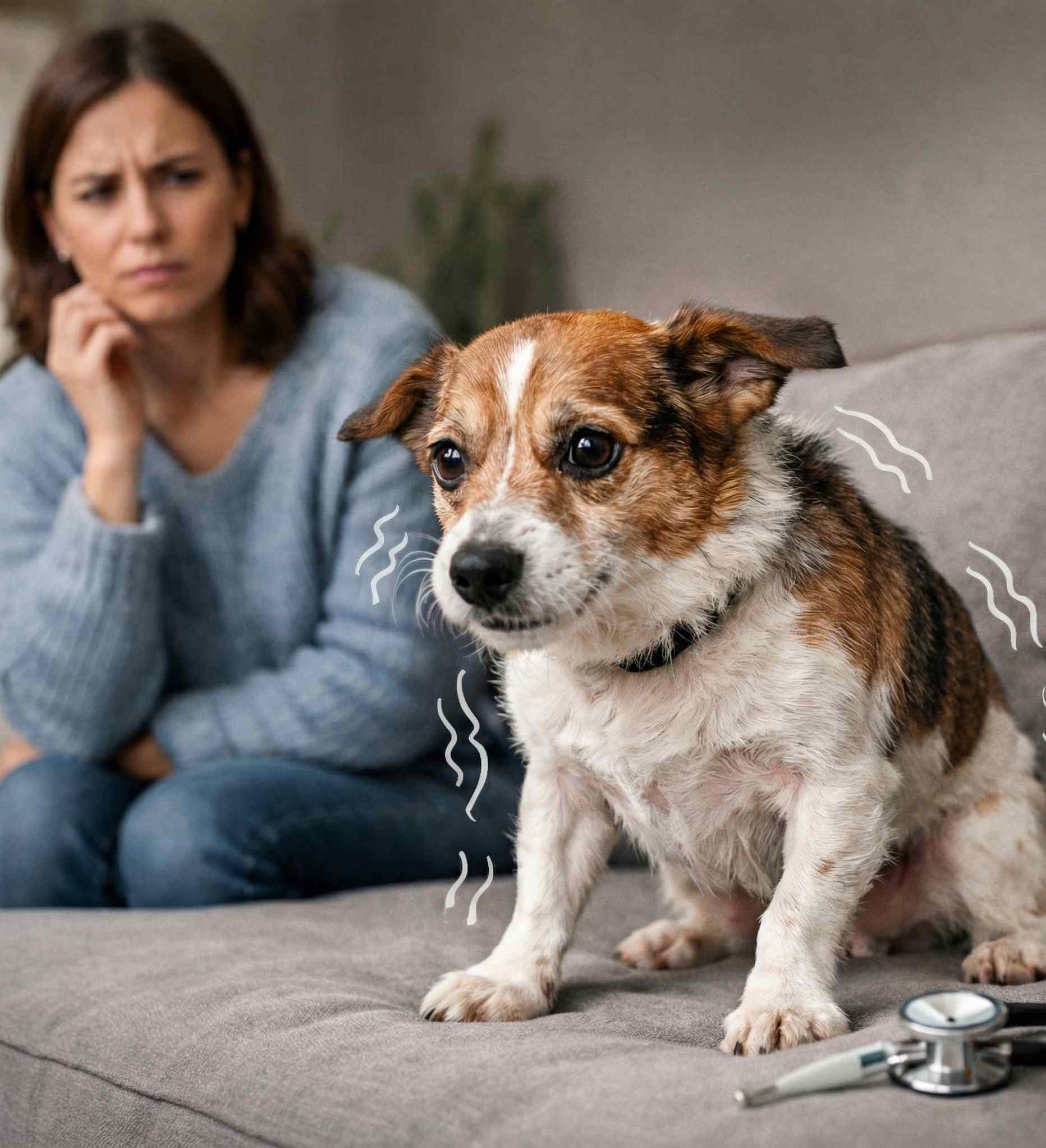
You’re cleaning up after your morning walk when you notice it—bright red streaks or dark, tarry stool that makes your stomach drop. Seeing your dog pooping blood is scary, and you’re right to be concerned. While some causes are minor and resolve quickly, others need immediate veterinary attention.
Quick Answer
Dog pooping blood (hematochezia or melena) occurs when there’s bleeding somewhere in the digestive tract. Fresh red blood usually indicates lower intestinal or rectal issues like colitis, parasites, or anal gland problems, while dark, tarry stools suggest upper GI bleeding. Most cases stem from diet changes, stress, or infections, but serious conditions like parvovirus, poisoning, or cancer also cause bloody stool.
TL;DR: Bloody dog poop ranges from minor (diet upset) to urgent (parvovirus). Fresh red blood = lower gut; dark tar = upper gut. Always call your vet same-day for guidance.
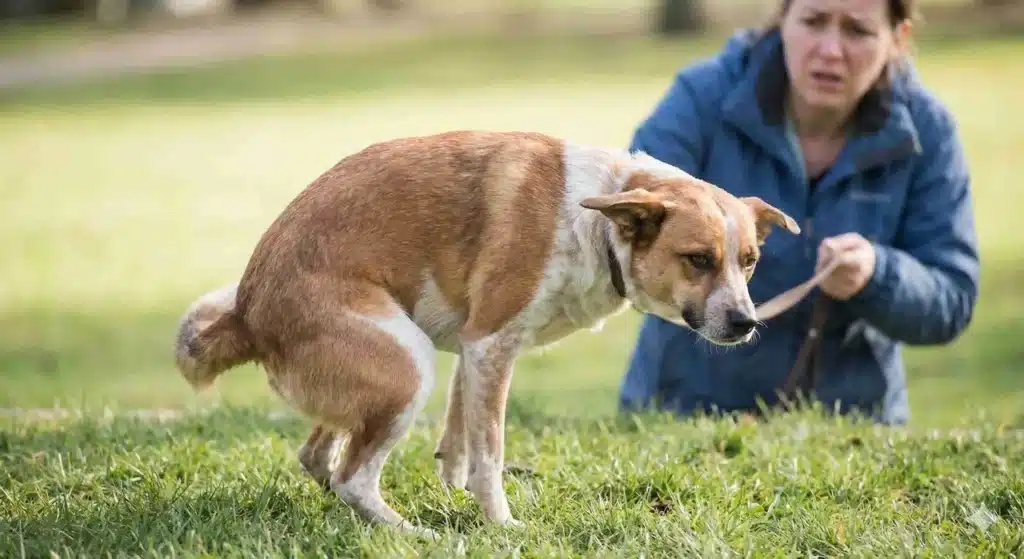
Table of Contents
Key Takeaways
- Fresh vs. dark blood matters: Bright red indicates colon/rectum issues; black tarry stool signals stomach or small intestine bleeding
- Common causes include: Dietary indiscretion, parasites, stress colitis, anal gland disease, and infections
- Red flags requiring emergency care: Continuous bleeding, weakness, vomiting blood, pale gums, or puppies with bloody diarrhea
- Home monitoring helps: Note blood color, stool consistency, frequency, and accompanying symptoms before calling your vet
- Prevention works: Consistent diet, regular deworming, and stress management reduce most bloody stool episodes
Why This Matters for Your Dog’s Health
Blood in your dog’s stool isn’t just unpleasant—it’s your pet’s body waving a red flag. The digestive tract is a complex system, and bleeding anywhere along its length signals inflammation, injury, or disease.
Fresh blood coating the stool often points to issues in the colon, rectum, or anus. These tend to be less severe but still need attention. Dark, tar-like blood (melena) has been digested, meaning it originated higher up—potentially in the stomach or small intestine—which can indicate more serious problems.
Early intervention makes a massive difference. Conditions like hookworm infestations or dietary indiscretion resolve quickly with treatment, while delayed care for parvo or hemorrhagic gastroenteritis can be life-threatening. Knowing what to look for helps you act fast.
Understanding Your Dog’s Digestive System
Your dog’s GI tract runs from mouth to anus, measuring roughly 2.5 times their body length. Food travels through the esophagus, stomach, small intestine (where most nutrient absorption happens), large intestine (colon), and rectum before elimination.
Bleeding can occur at any point. The stomach produces strong acid; ulcers here create dark blood. The colon houses beneficial bacteria but also responds to stress, infection, or inflammation with fresh bleeding. The rectum and anus have delicate tissue—straining, anal gland irritation, or growths cause bright red spots.
Key organs involved:
- Stomach: Ulcers, foreign bodies, tumors
- Small intestine: Parasites, infections, inflammatory bowel disease
- Large intestine/Colon: Colitis, polyps, whipworms
- Rectum/Anus: Fissures, anal gland abscesses, tumors
Common Causes of Bloody Stool in Dogs
Dietary Indiscretion & Food Changes
Dogs eat things they shouldn’t—garbage, spoiled food, sticks, even socks. These irritate the intestinal lining, causing inflammation and bleeding. Sudden diet switches disrupt gut bacteria balance, leading to colitis.
Parasites
Hookworms, roundworms, whipworms, and giardia damage intestinal walls. Puppies are especially vulnerable; heavy worm loads cause severe bloody diarrhea and anemia.
Infections
Bacterial infections (Salmonella, E. coli, Clostridium) and viral illnesses (parvovirus, coronavirus) trigger hemorrhagic diarrhea. Parvo is particularly deadly in unvaccinated puppies, which is why following a proper puppy vaccination schedule is crucial for prevention.
Stress Colitis
Major life changes—boarding, moving, new pets—stress sensitive dogs. Their colons become inflamed, producing mucus-covered stool with blood streaks. This usually resolves within 48 hours once stress eases. If your dog struggles with anxiety, our guide on dog anxiety and best calming products can help.
Anal Gland Issues
Impacted or infected anal glands cause dogs to scoot and strain. Severe cases rupture, leaving blood on stool or around the anus. You might notice your dog constantly licking their paws or rear end when glands are bothering them.
Hemorrhagic Gastroenteritis (HGE)
This sudden-onset condition causes explosive, jam-like bloody diarrhea. The exact cause is unknown, but small breeds are predisposed. HGE requires emergency treatment—dehydration happens fast.
Inflammatory Bowel Disease (IBD)
Chronic inflammation from food allergies, immune dysfunction, or bacterial imbalances creates ongoing GI issues, including intermittent bloody diarrhea. Dogs with allergies may benefit from dog food formulated for allergies.
Tumors & Polyps
Benign polyps or cancerous growths in the colon or rectum bleed when stool passes. More common in senior dogs. If you have an older pup, check our best dog food for senior dogs guide for nutritional support.
Toxins & Medications
Rat poison (causes internal bleeding), NSAIDs (ulcers), and certain toxins damage the GI tract. Even dog-safe medications like Rimadyl can cause problems if misused. Keep activated charcoal on hand for emergency toxin situations (with vet guidance only).
Essential Supplies for Monitoring & Care
While you can’t treat bloody stool at home without vet guidance, having the right tools helps you monitor your dog and provide supportive care.
DISPOSABLE NITRILE GLOVES
Handling bloody stool safely is priority one. Bloody diarrhea can carry zoonotic parasites (like hookworms) and bacteria that are harmful to humans. Heavy-duty nitrile gloves provide a necessary barrier that thin waste bags can’t offer.
Who needs this: Every dog owner. You never want to risk skin contact with infected stool, especially if you have a puppy (high parasite risk) or an immunocompromised family member.
Benefits: The 5-mil thickness prevents tears and leaks during cleanup. Unlike latex, nitrile is allergy-safe and chemical resistant. Wearing these allows you to confidently collect a sample for your vet without the “ick” factor or health risk.
Limitation: Protection only—these do not solve the storage issue. You will still need a clean, sealable container (like a Ziploc bag or Tupperware designated for this purpose) to transport the sample to the vet.
Probiotic Supplement for Dogs (Vet-Recommended Strains)
Probiotics restore healthy gut bacteria after GI upset. Look for products with Enterococcus faecium and Bacillus subtilis—strains proven effective in dogs.
Who needs this: Dogs recovering from diarrhea, stress colitis, or antibiotic treatment. Not for active parvo or HGE without vet approval.
Benefits: Shortens diarrhea duration by 1-2 days; reduces recurrence of stress-related GI issues. Easy powder or chewable forms. For comprehensive nutritional support, explore our dog supplements guide.
Limitation: Takes 48-72 hours to show effect. Won’t stop acute bleeding—supportive care only.
Electrolyte Solution for Dogs (Unflavored)
Bloody diarrhea causes rapid fluid and electrolyte loss. Vet-formulated solutions replace sodium, potassium, and chloride.
Who needs this: Dogs with multiple bloody stools or soft diarrhea, especially small breeds under 20 lbs who dehydrate quickly.
Benefits: Prevents shock; supports kidney function; keeps energy up during vet visits. Unflavored versions mix into water or bland food.
Limitation: Doesn’t replace IV fluids in severe cases. If gums are pale/tacky or dog is lethargic, go to the vet immediately—oral rehydration won’t be enough.
Step-by-Step: What to Do When You See Bloody Stool
Step 1: Don’t Panic—Assess the Situation
Take a breath. Not all bloody stool is an emergency, but you need details. Note the blood color (bright red vs. dark/tarry), amount (streaks vs. coating vs. mostly blood), and stool consistency (formed, soft, watery).
Step 2: Check Your Dog’s Overall Condition
Look at gums (should be pink and moist, not pale or white), energy level, and appetite. Lift the skin on their neck—it should snap back quickly. Slow return indicates dehydration.
Step 3: Collect a Fresh Stool Sample
Use gloves and a clean bag or container. Get the most recent stool, including any bloody portions. Refrigerate immediately if you can’t get to the vet within 2 hours.
Step 4: Recall Recent Events
Think back 12-48 hours: Did your dog get into trash? Eat something unusual? Start new food or medication? Experience stress (grooming, boarding, visitors)? Share this timeline with your vet.
Step 5: Call Your Veterinarian
Same-day contact is non-negotiable. Describe what you’ve observed. Your vet will decide if you need an emergency visit, same-day appointment, or can monitor at home with supportive care.
Step 6: Follow Home Care Instructions (If Approved)
If your vet recommends monitoring, they’ll likely suggest:
- Withhold food 12-24 hours (water only) to rest the gut
- Start a bland diet in small, frequent meals
- Add probiotics if approved
- Keep activity calm and low-stress
Step 7: Monitor & Document
Track each bowel movement: time, consistency, blood amount. Note water intake, appetite, vomiting, or behavior changes. Text updates or photos help your vet adjust the plan.
Step 8: Schedule Follow-Up Testing
Even if symptoms improve, your vet may want a recheck exam and fecal test in 5-7 days to ensure parasites or infections are cleared.
Common Mistakes Dog Owners Make (and Fixes)
Mistake: Waiting to see if it resolves on its own.
The fix: Always call your vet same-day. Many serious conditions present with bloody stool initially, and early treatment dramatically improves outcomes.
Mistake: Giving human anti-diarrheal medications like Imodium without vet approval.
The fix: Some causes (infections, parasites) need to “flush out.” Stopping diarrhea can trap toxins or bacteria. Only use medications prescribed or approved by your vet.
Mistake: Continuing regular food or treats.
The fix: Stick to the bland diet plan. Extra treats, rawhides, or rich foods prolong GI upset and delay healing.
Mistake: Assuming one normal stool means the problem is solved.
The fix: Complete the full treatment course (antibiotics, probiotics, etc.). Relapses are common if you stop early, especially with parasites.
Mistake: Not bringing a stool sample to the vet appointment.
The fix: Fresh samples (under 6 hours old) allow for immediate parasite testing. Older samples may need to be repeated, delaying diagnosis.
Mistake: Ignoring stress as a trigger.
The fix: Manage your dog’s environment during recovery. Minimize visitors, stick to routines, and consider calming aids if anxiety is chronic.
Mistake: Skipping follow-up fecal tests.
The fix: Some parasites shed eggs intermittently. A recheck ensures they’re fully cleared and prevents reinfection or chronic issues.
Troubleshooting Guide
If blood is bright red and stool is otherwise formed:
Likely lower GI or anal issue. Monitor for 24 hours with bland diet. Call vet if bleeding continues or worsens.
If stool is dark, tarry, and foul-smelling:
Upper GI bleeding. Contact vet immediately—this can indicate ulcers, toxin ingestion, or serious disease.
If your dog has bloody diarrhea plus vomiting:
High risk for dehydration and serious infection. Emergency vet visit needed, especially if gums are pale or tacky. If your dog is throwing up yellow bile, this may indicate a separate issue.
If bloody stool started after diet change:
Transition too fast. Return to old food if possible, then switch gradually over 7-10 days. Add probiotics with vet approval.
If your puppy has bloody diarrhea and is unvaccinated:
Suspect parvo until proven otherwise. This is life-threatening—go to emergency vet NOW. Do not wait. Ensure your puppy gets their full vaccination schedule to prevent this.
If blood appears only when your dog strains:
Possible anal gland issue, constipation, or rectal polyp. Schedule vet exam within 48 hours.
If bloody stool recurs every few weeks:
Chronic condition (IBD, food allergy, recurring parasites). Needs full diagnostic workup: bloodwork, imaging, possibly endoscopy.
When to See a Professional: Emergency Red Flags
Go to the emergency vet immediately if:
- Continuous bloody diarrhea for 3+ hours
- Vomiting blood or coffee-ground material
- Pale or white gums
- Extreme lethargy or collapse
- Distended, painful abdomen
- Known toxin ingestion (rat poison, medication overdose)
- Puppies under 6 months with bloody diarrhea (parvo risk)
- Temperature above 103°F or below 99°F
Schedule a same-day vet visit for:
- First occurrence of bloody stool (any amount)
- Blood with mucus or foul odor
- Reduced appetite lasting 24+ hours
- Dehydration signs (slow skin tent, dry gums)
- Senior dogs (higher cancer risk)
- Dogs on NSAIDs or steroids
Expert Opinion: What Veterinarians Want You to Know
According to the American Veterinary Medical Association (AVMA), bloody stool should never be ignored, even in otherwise healthy dogs. Dr. Jennifer Coates, DVM, emphasizes that “the digestive tract is highly vascular, and any bleeding indicates tissue damage or inflammation that needs evaluation.”
The American Kennel Club (AKC) notes that while stress colitis and dietary indiscretion are the most common causes in adult dogs, parasites dominate in puppies. Routine fecal exams—recommended annually for adults and every 3-6 months for puppies—catch infestations before severe symptoms develop.
Research published in the Journal of Veterinary Internal Medicine found that early intervention in hemorrhagic gastroenteritis cases (within 12 hours of symptom onset) reduced mortality from 30% to less than 5%. This underscores the importance of immediate veterinary contact when bloody diarrhea is severe or accompanied by vomiting.
Veterinarians agree: knowing your dog’s normal stool habits makes abnormalities easier to spot. Keep vaccination and deworming schedules current, transition foods slowly over 7-10 days, and manage stress proactively to prevent many cases of bloody stool.
FAQs
Is a little blood in dog poop an emergency?
Not always, but you should call your vet same-day. Small amounts of fresh red blood with otherwise normal stool may indicate minor issues like anal gland irritation, but only a vet can rule out serious causes.
Can stress cause a dog to poop blood?
Yes. Stress colitis from boarding, travel, or household changes inflames the colon, producing mucus and blood-streaked stool. It typically resolves within 48 hours once the stressor is removed and bland diet is started.
What does dark black poop mean in dogs?
Black, tarry stool (melena) indicates digested blood from the upper GI tract—stomach or small intestine. This suggests ulcers, tumors, or toxin exposure and requires immediate veterinary care.
Should I feed my dog if they’re pooping blood?
Withhold food for 12-24 hours (water only) to rest the GI tract, then start a bland diet in small meals if your vet approves. Never withhold water, as diarrhea causes rapid dehydration.
Can worms cause bloody diarrhea in dogs?
Absolutely. Hookworms, whipworms, and heavy roundworm loads damage intestinal walls, causing bloody, mucus-filled diarrhea. Puppies are especially vulnerable and can develop life-threatening anemia.
How long does bloody stool last in dogs?
Mild cases from diet upset resolve in 24-48 hours with bland diet and rest. Parasite-related bleeding stops within days of deworming. Chronic conditions like IBD require ongoing management and may have intermittent episodes.
What home remedy stops dog diarrhea with blood?
There’s no safe home remedy for bloody stool. Always contact your vet. Supportive care includes bland diet, probiotics (with approval), and hydration, but these don’t treat underlying causes like infections or parasites. Learn more in our dog diarrhea treatment guide.
Can puppies survive parvo with bloody diarrhea?
Yes, with aggressive treatment. Parvo survival rates exceed 80% with early hospitalization, IV fluids, anti-nausea medication, and antibiotics. Without treatment, mortality is 90%. Never delay emergency care for suspected parvo.
Why is my senior dog pooping blood?
Senior dogs face higher risks of tumors, polyps, ulcers from NSAIDs, and inflammatory bowel disease. Any bloody stool in older dogs warrants prompt veterinary evaluation, including bloodwork and possibly imaging. Check our guide on senior dog myths for more care tips.
Does pumpkin help dogs with bloody stool?
Plain pumpkin adds soluble fiber that can firm stool, but it doesn’t stop bleeding or treat infections/parasites. Use it as part of a bland diet only after vet clearance, not as primary treatment.
Conclusion
Seeing your dog pooping blood is alarming, but staying calm and acting quickly makes all the difference. Most cases stem from manageable issues like stress, diet changes, or parasites—problems that respond well to veterinary care. Even serious conditions like parvo or HGE have positive outcomes when treatment starts early.
Trust your instincts. If something feels off, call your vet same-day. Bring a fresh stool sample, share your timeline of events, and follow care instructions carefully. Your dog depends on you to be their advocate.
Ready to take action? Contact your veterinarian now if you’ve noticed bloody stool, and bookmark this guide for quick reference. Share it with fellow dog owners—early recognition saves lives.