You’re brushing your dog after a walk and notice something unsettling. There’s a thin patch behind their ear that wasn’t there last week. Or maybe their belly looks almost bare now, and loose fur is covering every surface in your house. Watching your dog losing hair can feel alarming, especially when you don’t know why it’s happening or how to stop it.
Quick Answer
Dog hair loss (alopecia) happens when a dog sheds excessively or develops bald patches due to allergies, parasites, infections, hormonal imbalances, or stress. Most causes are treatable once properly identified. A combination of the right diet, topical care, and veterinary guidance can restore a healthy coat for the vast majority of dogs.
TL;DR: Hair loss in dogs is common and usually treatable. Allergies and parasites are the top culprits. Start with a vet visit to rule out medical conditions, then focus on nutrition, skin care, and environmental changes to help your dog’s coat grow back.
Key Takeaways
- Patchy hair loss often points to parasites, fungal infections, or localized allergies, while widespread thinning typically signals hormonal or nutritional issues.
- A diet rich in omega-3 fatty acids and high-quality protein is one of the most effective long-term solutions for coat health.
- Excessive scratching, licking, or chewing is your dog’s way of telling you their skin is irritated, so address the root cause rather than just the symptom.
- Many common causes of hair loss, including flea allergies, food sensitivities, and dry skin, can be managed at home with the right products and routine.
- Always consult a veterinarian if hair loss appears suddenly, spreads rapidly, or comes with redness, sores, or behavioral changes.
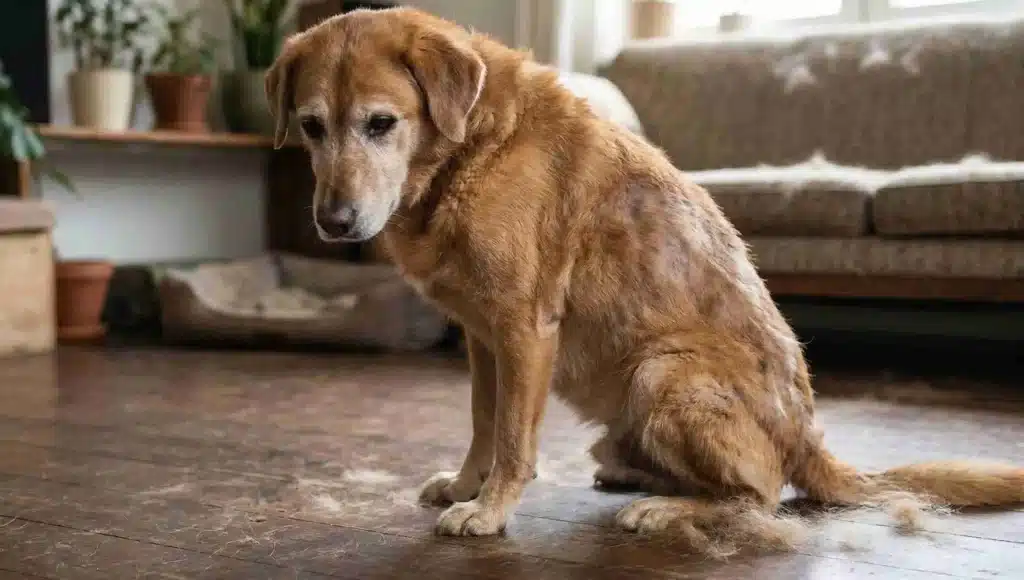
Table of Contents
Why Dog Hair Loss Matters More Than You Think
It’s tempting to brush off a little extra shedding, especially during seasonal changes. But hair loss in dogs is almost never “just cosmetic.” Your dog’s coat is a direct reflection of their internal health.
When a dog is losing hair beyond normal shedding, it usually means something is irritating their skin, disrupting their hormones, or depriving their body of essential nutrients. Left untreated, the underlying cause can lead to secondary skin infections, chronic discomfort, and a miserable dog who can’t stop scratching.
The good news? Most causes of canine hair loss are entirely fixable. The key is identifying what’s driving it, and that’s exactly what we’ll walk through here.
How Your Dog’s Hair Growth Actually Works
Understanding a bit about your dog’s coat helps you spot problems early. Dogs grow hair in cycles: a growth phase (anagen), a resting phase (catagen), and a shedding phase (telogen). At any given time, different follicles are in different stages, which is why healthy dogs shed a little bit every day.
Certain breeds like Huskies, Golden Retrievers, and German Shepherds have double coats and shed heavily twice a year during “coat blowing” season. That’s perfectly normal. What isn’t normal is bald spots, uneven thinning, red or flaky skin underneath, or hair that falls out in clumps when you barely touch it.
Several factors influence coat health: genetics, nutrition, hormone levels, skin pH, and even stress. When any of these get thrown off balance, the hair growth cycle gets disrupted, and that’s when you start noticing bare patches on your dog’s body.
If your dog is also constantly licking their paws, that’s often an early warning sign that skin irritation or allergies are already at play.
The 9 Most Common Causes of Hair Loss in Dogs
1. Environmental and Seasonal Allergies
Pollen, dust mites, mold, and grass are common environmental allergens that cause itchy skin and hair loss. Dogs typically lose hair around their paws, belly, ears, and armpits. You’ll notice them scratching, rubbing against furniture, or chewing at specific areas.
2. Food Allergies and Sensitivities
Some dogs react to specific proteins or grains in their food. Chicken, beef, wheat, and soy are frequent triggers. Food-related hair loss tends to be widespread rather than patchy, and often comes with ear infections or digestive issues like loose stools. If you suspect food is the issue, exploring a diet specifically formulated for dogs with allergies is a smart first step.
3. Flea Allergy Dermatitis
This is the single most common cause of hair loss in dogs, according to veterinary dermatologists. It only takes one flea bite to trigger an intense allergic reaction in sensitive dogs. Hair loss concentrates around the base of the tail, lower back, and inner thighs. You may or may not see fleas on your dog, since even a single bite causes the reaction.
4. Mange (Demodectic and Sarcoptic)
Demodectic mange is caused by Demodex mites that live naturally on dogs but overpopulate when the immune system weakens. It’s common in puppies and shows up as patchy hair loss around the face and legs. Sarcoptic mange (scabies) is intensely itchy and contagious, causing widespread hair loss and crusty skin.
5. Fungal Infections (Ringworm)
Despite the name, ringworm is a fungal infection, not a worm. It creates circular bald patches with a raised, scaly edge. It’s contagious to other pets and humans, so early treatment is critical. Your vet will typically prescribe antifungal medication.
6. Bacterial Skin Infections (Pyoderma)
Bacterial infections often develop as a secondary problem when dogs scratch or lick irritated skin. You’ll see red bumps, pustules, and crusting along with hair loss. Hot, humid environments make bacterial infections more likely.
7. Hypothyroidism
An underactive thyroid gland slows your dog’s metabolism and directly affects coat quality. Hair loss from hypothyroidism is symmetrical, usually along the flanks and tail. The coat becomes dull and brittle. Dogs also gain weight, become lethargic, and seek out warm spots. A simple blood test confirms the diagnosis, and daily medication manages it effectively.
8. Cushing’s Disease
Cushing’s disease occurs when a dog’s body produces too much cortisol. It’s most common in middle-aged and older dogs. Symptoms include symmetrical hair loss, a pot-bellied appearance, increased thirst and urination, and thin, fragile skin. Treatment depends on the cause but often involves medication or surgery.
9. Stress and Anxiety
Yes, dogs can lose hair from stress. Compulsive licking, chewing, and scratching caused by anxiety can create bald spots, especially on the legs and paws. Major life changes, separation anxiety, or chronic boredom are common triggers. Addressing the root causes of your dog’s anxiety is essential for stopping stress-related hair loss.
Common Mistakes Dog Owners Make (and How to Fix Them)
- Bathing too frequently with harsh shampoos. Over-bathing strips natural oils from your dog’s skin, causing dryness and increased shedding. The fix: Limit baths to once every 4–6 weeks and always use a gentle, dog-specific formula.
- Ignoring flea prevention. Many owners skip flea treatment during winter or assume indoor dogs don’t need it. The fix: Use year-round flea prevention, as fleas can survive indoors in any season.
- Feeding low-quality food. Cheap kibble often lacks the essential fatty acids and bioavailable protein dogs need for a healthy coat. The fix: Choose a food with real meat as the first ingredient and added omega-3 sources like fish oil or flaxseed.
- Assuming all hair loss is “just shedding.” Normal shedding doesn’t create bald patches or irritated skin. The fix: If you can see bare skin through your dog’s coat, it’s time for a vet visit.
- Switching foods too quickly. Abrupt diet changes can trigger digestive upset and skin reactions. The fix: Transition to new food gradually over 7–10 days, mixing increasing amounts of the new food with the old.
- Using human shampoo or conditioner. Human products have a different pH level and can irritate a dog’s skin badly. The fix: Always use a shampoo specifically formulated for dogs.
Supporting Your Dog’s Coat from the Inside Out
One of the most overlooked factors in canine hair loss is nutrition. If your dog’s body isn’t getting enough omega-3 fatty acids, their skin becomes dry, their coat loses its shine, and hair follicles weaken. Veterinarians consistently recommend omega-3 supplementation as a first-line approach for dogs with skin and coat issues.
Zesty Paws Wild Alaskan Omega-3 Blend Pollock + Salmon Oil is a liquid supplement that makes adding omega-3s to your dog’s diet effortless. It’s made from wild-caught Alaskan pollock and salmon, so the EPA and DHA content is high quality. Just pump it over your dog’s regular food once a day. It works well for dogs of all sizes and breeds dealing with dry skin, dull coats, or allergy-related shedding. The only downside is the fishy smell, which some owners find strong, though most dogs love the taste. If your dog’s hair loss is linked to poor nutrition or inflammation, this is one of the simplest changes you can make.
CHECK PRICE ON AMAZON: https://amzn.to/4akcAVn
For a broader nutritional approach, adding targeted supplements to your dog’s routine can address deficiencies you might not even realize are contributing to coat problems.
Treating Itchy, Irritated Skin That’s Causing Hair Loss
When your dog is scratching, licking, and chewing their way to bald spots, the skin underneath is almost certainly inflamed. Addressing the surface irritation while you work on the underlying cause gives your dog relief and lets damaged hair follicles start recovering.
Veterinary Formula Clinical Care Antiseptic and Antifungal Medicated Shampoo is designed specifically for dogs with itchy, flaky, or infected skin. It contains chlorhexidine and ketoconazole, which tackle both bacterial and fungal issues simultaneously. It’s particularly useful if your dog has hot spots, ringworm, or secondary infections from excessive scratching. You’ll want to lather it on and let it sit for about 10 minutes before rinsing for maximum effectiveness. It’s soap-free and dye-free, which matters for sensitive skin. One limitation: it’s a treatment shampoo, not a daily-use product, so follow the label directions for frequency.
CHECK PRICE ON AMAZON: https://amzn.to/4awSaah
Boosting Overall Coat Health with a Multivitamin
Sometimes a dog losing hair needs more than just one nutrient. Especially in dogs recovering from illness, dealing with seasonal allergies, or eating a limited-ingredient diet, a broad-spectrum multivitamin fills in the gaps.
Googipet Premium Dog Multivitamin Chewable covers multiple bases at once. It includes glucosamine for joints, probiotics for gut health, vitamin C for immune support, and essential nutrients that directly support skin and coat condition. It’s a chicken-flavored soft chew, so most dogs take it willingly as a treat. This is a solid option for senior dogs, dogs on restricted diets, or any dog whose coat just isn’t bouncing back the way it should. The trade-off is that it’s a general supplement rather than a targeted one, so dogs with severe deficiencies may need additional focused support.
CHECK PRICE ON AMAZON: https://amzn.to/3ZzV6OD
Step-by-Step Plan to Stop Your Dog’s Hair Loss
- Document what you see. Take photos of the bald patches, noting their size, location, and any changes in skin color or texture. This gives your vet a clear starting point.
- Check for parasites. Run a flea comb through your dog’s coat, especially around the base of the tail and behind the ears. Look for tiny black specks (flea dirt) or live fleas. Ensure your dog is on a current flea and tick preventative.
- Evaluate your dog’s diet. Look at the ingredient list on your dog’s food. Is real meat the first ingredient? Are there added omega-3 sources? If not, consider upgrading their food or adding a fish oil supplement. Incorporating nutrient-dense superfoods into your dog’s meals can also support coat recovery.
- Switch to a medicated or gentle shampoo. If your dog’s skin looks red, flaky, or irritated, use a vet-recommended medicated shampoo during baths. Avoid over-bathing.
- Reduce environmental allergens. Wash your dog’s bedding weekly in hot water. Wipe their paws and belly after walks. Use an air purifier in the rooms where your dog spends the most time.
- Address stress triggers. If your dog’s hair loss coincides with a life change, increased alone time, or boredom, focus on mental enrichment, consistent routines, and calming strategies.
- Schedule a vet appointment. If hair loss persists beyond two weeks, worsens, or comes with other symptoms like lethargy, weight changes, or skin sores, get a professional diagnosis. Blood work and skin scrapings can identify hormonal and parasitic causes that aren’t visible to the naked eye.
Troubleshooting Common Scenarios
- If your dog is losing hair only on the tail and lower back: Flea allergy dermatitis is the most likely cause. Start aggressive flea prevention immediately and treat the environment.
- If hair loss is symmetrical on both sides: This pattern strongly suggests a hormonal issue like hypothyroidism or Cushing’s disease. A blood panel from your vet is the next step.
- If bald patches are circular with crusty edges: Suspect ringworm. Isolate your dog from other pets and get a vet diagnosis quickly, since it’s contagious.
- If your dog is losing hair and scratching nonstop: Allergies (environmental or food) are the top suspects. An elimination diet trial or allergy testing can pinpoint the trigger.
- If hair loss started after switching foods: Your dog may be reacting to a new protein or ingredient. Switch back to the previous food and transition more slowly next time.
- If your dog is losing hair around the eyes or muzzle: Demodectic mange is common in puppies and young dogs showing this pattern. Your vet can confirm with a simple skin scraping.
When to See a Veterinarian
Some causes of dog hair loss need professional treatment and can’t be resolved at home. See your vet promptly if you notice any of these red flags:
Your dog’s hair loss appeared suddenly or is spreading fast. The skin underneath looks red, swollen, oozing, or has open sores. Your dog seems lethargic, is drinking more water than usual, or has gained or lost weight unexpectedly. The hair loss is accompanied by a strong, unusual odor. Home treatments haven’t improved the situation after two to three weeks. Your dog is in obvious discomfort, scratching or biting at their skin to the point of causing wounds. Understanding your pet insurance coverage beforehand can help you feel more confident about seeking veterinary care when your dog needs it.
Expert Opinion
Hair loss in dogs is one of the most common reasons pet owners visit a veterinary dermatologist, and the good news is that the vast majority of cases have identifiable, treatable causes. According to the American Kennel Club, allergies (environmental, food, and flea-related) account for the largest share of skin and coat problems in dogs. The American Veterinary Medical Association emphasizes that nutrition plays a foundational role in skin health, and that dogs with chronic coat issues often benefit from diets enriched with omega-3 and omega-6 fatty acids.
Veterinarians generally recommend starting with the basics: ensuring your dog is on consistent parasite prevention, eating a high-quality diet, and isn’t exposed to known allergens. If those steps don’t resolve the hair loss within a few weeks, diagnostic testing including blood work, skin scrapings, and possibly a biopsy can identify hormonal, autoimmune, or infectious causes that require specific treatment. Early intervention almost always leads to better outcomes and faster coat recovery.
This article provides general health information for educational purposes and is not a substitute for professional veterinary advice. Always consult your veterinarian for diagnosis and treatment of your dog’s specific condition.
Frequently Asked Questions
Why is my dog losing hair in patches?
Patchy hair loss usually points to localized causes like flea allergy dermatitis, ringworm, mange, or bacterial infections. Each creates a distinct pattern that helps your vet identify the culprit through a physical exam or skin test.
Is it normal for dogs to lose a lot of hair?
Moderate shedding is normal, especially during spring and fall. However, if you’re seeing bald spots, thinning coat, or irritated skin, that goes beyond normal shedding and needs attention.
Can food allergies cause a dog to lose hair?
Yes. Food allergies and sensitivities are a leading cause of chronic hair loss in dogs. Common triggers include chicken, beef, dairy, wheat, and soy. An elimination diet can help identify the problem ingredient.
What home remedies help with dog hair loss?
Adding omega-3 fish oil to your dog’s food, using a medicated shampoo for irritated skin, reducing environmental allergens, and ensuring a balanced diet are the most effective home approaches. Always rule out medical causes first.
How long does it take for dog hair to grow back?
Once the underlying cause is treated, most dogs begin regrowing hair within 4 to 8 weeks. Full coat recovery can take 3 to 6 months depending on the severity and cause of the hair loss.
Can stress make my dog lose hair?
Absolutely. Stress and anxiety trigger compulsive licking and scratching that damages hair follicles. Separation anxiety, environmental changes, and chronic boredom are common stress-related causes of hair loss.
Should I take my dog to the vet for hair loss?
Yes, if the hair loss is sudden, spreading, or accompanied by red or inflamed skin, sores, behavioral changes, or other symptoms like weight gain or increased thirst. A vet can run diagnostics to identify causes you can’t see at home.
What breed of dogs lose the most hair?
Heavy shedding breeds include Huskies, German Shepherds, Golden Retrievers, Labrador Retrievers, and Akitas. Double-coated breeds shed significantly more, especially during seasonal coat changes in spring and fall.
Can hypothyroidism cause hair loss in dogs?
Yes. Hypothyroidism is one of the most common hormonal causes of hair loss in dogs. It typically causes symmetrical thinning along the flanks and tail, along with weight gain and lethargy. A blood test confirms the diagnosis.
Does coconut oil help with dog hair loss?
Coconut oil can moisturize dry skin and provide mild relief from itching when applied topically. However, it doesn’t treat the underlying cause of hair loss. Use it as a complementary measure alongside proper diagnosis and treatment.
Conclusion
Watching your dog losing hair is stressful, but here’s what matters most: the overwhelming majority of causes are treatable, and your dog can absolutely grow back a healthy, full coat. Start by taking a close look at the pattern and location of the hair loss, check your dog’s diet and parasite prevention, and don’t hesitate to bring your vet into the conversation early. Small changes like adding an omega-3 supplement, switching to a gentler shampoo, or addressing allergen exposure can make a dramatic difference in just a few weeks. Your dog is counting on you to notice the signs and take action, and the fact that you’re reading this means you’re already on the right track. Pick one step from this guide and start today.