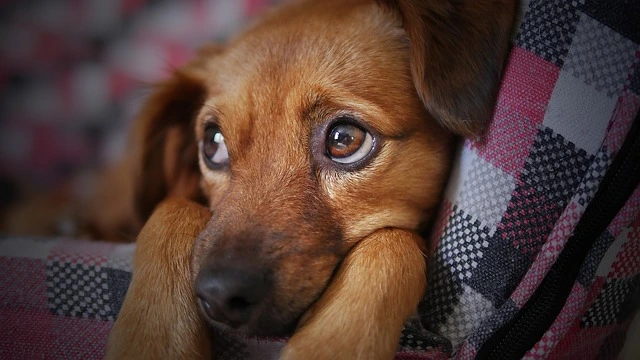
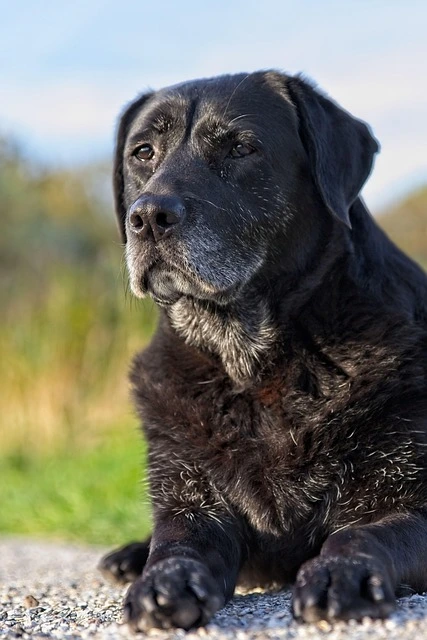
You’re sitting on the couch when your dog starts making a tiny, rhythmic “hic” sound. Their belly jumps a little with each one. You’ve never really noticed it before, but now you’re watching closely and wondering: are dog hiccups normal? Should you do something? The good news is that dog hiccups are usually harmless — but knowing what’s behind them, and when they’re a sign of something more, can make all the difference for a worried dog owner.
Quick Answer
Dog hiccups happen when the diaphragm — the large muscle under the lungs — contracts involuntarily, causing a sudden intake of breath that makes that signature “hic” sound. They’re most common in puppies and are usually caused by eating too fast, swallowing air, excitement, or a small stomach irritation. Dog hiccups typically resolve on their own within a few minutes and are not a cause for concern in healthy dogs.
TL;DR: Dog hiccups are almost always harmless and short-lived. Puppies get them more often than adult dogs. If hiccups last longer than an hour or come with other symptoms, it’s time to call your vet.
Key Takeaways
- Dog hiccups are caused by involuntary diaphragm spasms — just like in humans.
- Puppies hiccup more frequently than adult dogs, often after meals or play.
- Eating too fast, excitement, and cold water are among the most common triggers.
- Most hiccup episodes last just 5–15 minutes and stop without any help.
- Hiccups lasting over an hour, or paired with vomiting or breathing trouble, need veterinary attention.
Table of Contents
Why Dog Hiccups Matter
For most dogs, hiccups are nothing to stress over. But for new dog owners — especially those with young puppies — watching their pup hiccup over and over can feel alarming. Understanding what’s happening helps you stay calm and respond appropriately.
Occasional hiccups don’t cause physical harm. They don’t hurt your dog, and they don’t disrupt breathing in any meaningful way. However, very frequent or persistent hiccups can sometimes signal that something’s off with digestion, that your dog is dealing with stress, or in rare cases, that an underlying health issue is at play.
The real concern isn’t the hiccup itself — it’s when hiccups become chronic, are paired with other symptoms, or seem connected to eating habits that could cause bigger problems down the road. Eating too fast, for example, is linked not just to hiccups but also to bloat, which can be a life-threatening condition in larger breeds. That’s worth paying attention to.
The Anatomy Behind Dog Hiccups
To understand dog hiccups, you need to know a bit about the diaphragm. This dome-shaped muscle sits right below the lungs and plays a key role in breathing. Every time your dog inhales, the diaphragm contracts and flattens, pulling air into the lungs. When it exhales, the diaphragm relaxes.
A hiccup happens when the diaphragm gets irritated or stimulated — either by a full stomach pressing against it, air swallowed during eating, a sudden change in temperature, or a burst of excitement. This irritation causes an involuntary, rapid contraction. Air rushes into the lungs, the vocal cords snap shut a split second later, and that’s the “hic” you hear.
In puppies, the diaphragm is still developing and the nervous system controlling it is more excitable. That’s why puppies hiccup so much more often than adult dogs — sometimes multiple times a day.
Interestingly, some animal researchers believe hiccups in young mammals may actually serve a purpose: the reflex might help puppies expel swallowed air while nursing, making more room in the stomach. As dogs mature, hiccup episodes naturally become less frequent and shorter in duration.
Common Triggers for Dog Hiccups
Several everyday situations can set off a round of hiccups. Knowing these makes it easy to manage them.
Eating too fast is probably the most common culprit. When a dog inhales their food, they also swallow a lot of air. That air irritates the diaphragm and boom — hiccups start before the bowl is even empty.
Excitement and vigorous play can also cause rapid, irregular breathing that triggers the diaphragm. You might notice hiccups after a game of fetch or right when you get home and your dog goes wild.
Cold water or cold food can cause a sudden temperature change in the esophagus, which sits right next to the diaphragm. This can trigger a spasm.
Stress or anxiety — though less frequently — can affect breathing patterns and lead to hiccuping in some dogs.
Eating spicy or irritating foods can inflame the esophagus and contribute to hiccup episodes.
Common Mistakes Dog Owners Make (and Fixes)
- Trying to “scare” the hiccups away. Unlike folk remedies for humans, startling your dog doesn’t work and can cause unnecessary stress. The fix: Let the hiccups run their course — they’ll almost always stop on their own.
- Offering large amounts of water to “flush” hiccups. Drinking too much at once can actually make things worse. The fix: Offer small sips of room-temperature water, not a full bowl.
- Ignoring a dog that eats way too fast. Fast eating causes air swallowing, and repeated hiccup episodes from this habit are a signal worth addressing. The fix: Use a slow feeder bowl to slow down mealtimes naturally.
- Feeding immediately after heavy exercise. A panting, excited dog that eats right away is more likely to gulp food and air. The fix: Wait 20–30 minutes after play before feeding.
- Chalking up frequent hiccups in adult dogs to “just normal.” Adult dogs hiccup less often than puppies. If your adult dog gets hiccups regularly, it’s worth investigating. The fix: Track the frequency and note any other symptoms to share with your vet.
- Feeding spicy “human foods” and then wondering why hiccups appear. Some dog owners share seasoned or spiced food without realizing it irritates a dog’s digestive system. The fix: Stick to plain, dog-safe foods and treats.
- Panicking and rushing to the vet for a 3-minute hiccup episode. Most hiccups are benign and self-resolving. The fix: Stay calm, observe, and only call the vet if the episode lasts over an hour or is accompanied by other symptoms.
Slow Eating as a Real Solution
One of the most impactful things you can do for a dog that hiccups frequently after meals is to slow down how fast they eat. Gulping food is the number one trigger, and it’s entirely preventable.
This is where a slow feeder bowl makes a genuine difference. These bowls have ridges, mazes, or raised sections that force dogs to work around the obstacles to reach their food. Eating slows down, less air gets swallowed, and hiccups become far less common.
The Outward Hound Fun Feeder Slo Bowl is one of the most popular and trusted options on the market. It’s designed for medium to large dogs, holds up to 4 cups of food, and features a flower-patterned maze that extends mealtime from 30 seconds to several satisfying minutes. It’s a great pick for dogs who hoover their food and end up with hiccups, gassiness, or even vomiting afterward. The bowl is dishwasher-safe and has a non-slip base. The one limitation: it doesn’t work as well with very wet or soupy food since the maze pattern is less effective when food can flow freely.
CHECK PRICE ON AMAZON: https://amzn.to/40buzas
What About Stress-Related Hiccups?
Some dogs hiccup more when they’re nervous, overstimulated, or anxious. If you notice hiccups happening during car rides, thunderstorms, vet visits, or separation from you, stress could be the underlying driver.
Dogs that are chronically anxious may also have more sensitive nervous systems, making diaphragm spasms more likely. Reducing that baseline anxiety level can help, and this is one situation where a calming supplement becomes a logical tool.
The Only Natural Pet Hemp Soft Chew Bites are formulated with L-Theanine, chamomile, and lemon balm — three natural ingredients with a good evidence base for mild anxiety reduction in dogs. They’re soft chews, so most dogs take them willingly without any fuss. They work well for situational stress like travel or fireworks, and they don’t cause sedation. The honest limitation here: they’re not a fix for clinical anxiety, and a dog with significant behavioral anxiety should be evaluated by a vet or veterinary behaviorist rather than managed with supplements alone.
CHECK PRICE ON AMAZON: https://amzn.to/40aUrmL
Step-by-Step: What to Do When Your Dog Has Hiccups
- Stay calm. Your dog picks up on your energy. If you’re relaxed, they’ll be relaxed too. Most hiccup episodes end in under 15 minutes.
- Check the timing. Did hiccups start right after eating? After play? In the morning before breakfast? Noting the pattern helps you identify the trigger.
- Offer a small amount of water. A few sips of room-temperature water can sometimes help reset the diaphragm. Don’t push a large amount — that can make things worse.
- Try gentle distraction. Taking your dog for a slow, calm walk or engaging them in light activity can shift their breathing pattern and sometimes stop hiccups naturally.
- Gently massage your dog’s chest or belly. A light, slow circular massage over the rib cage or belly can help relax diaphragm spasms. Keep it gentle — this isn’t the time for vigorous rubbing.
- Avoid feeding during a hiccup episode. Adding food to a spasming digestive system isn’t helpful. Wait for the hiccups to stop before the next meal.
- Time the episode. If hiccups last more than 30–60 minutes, take note. If they exceed an hour or come back repeatedly in the same day, call your vet.
Troubleshooting: If/Then
- If hiccups start every single time your dog eats → Your dog is probably eating too fast. Try a slow feeder bowl or divide meals into smaller, more frequent portions.
- If hiccups happen mostly in puppies under 6 months → This is completely normal. Puppy nervous systems are excitable. No intervention usually needed.
- If your adult dog suddenly starts getting hiccups daily → Something has changed — diet, stress level, or health. Talk to your vet.
- If hiccups come with coughing, gagging, or retching → This could point to a respiratory issue, acid reflux, or esophageal problem. See a vet.
- If hiccups occur alongside labored breathing → Stop reading and call the vet now. This is not a typical hiccup situation.
- If your dog hiccups only at night → Consider whether they’re eating too close to bedtime, drinking large amounts of water before sleep, or experiencing nocturnal anxiety. Reviewing your dog’s nighttime routine might help — you can also check out the causes behind dog panting at night for related insights.
- If hiccups are accompanied by vomiting or yellow bile → The stomach may be very empty or irritated. Our guide to dogs throwing up yellow bile covers this in detail.
When to See a Professional
Most dog hiccups are not a vet emergency. But there are specific red flags you should not ignore.
Call your vet if your dog’s hiccups last more than one hour without stopping. Also seek veterinary attention if hiccups are paired with vomiting, especially repeated vomiting; difficulty breathing or labored breathing; noticeable weight loss alongside frequent hiccups; coughing that sounds different from normal; visible discomfort or pain during the episodes; or loss of appetite or lethargy.
Chronic hiccups in an adult dog can sometimes indicate acid reflux, respiratory infections, esophageal issues, or in rare cases, neurological conditions. A vet can rule these out quickly with a physical exam and, if needed, diagnostic imaging.
This article provides general health information for educational purposes and is not a substitute for professional veterinary diagnosis or treatment.
Expert Opinion
Veterinarians widely agree that hiccups in dogs — especially puppies — are a normal physiological event that doesn’t require treatment in the vast majority of cases. The American Kennel Club notes that hiccups are caused by involuntary diaphragm spasms and that puppies experience them more frequently because of their excitable, still-developing nervous systems.
According to veterinary professionals, the most important thing owners can do is identify and reduce triggers — particularly fast eating and post-exercise feeding. For dogs with recurring hiccups in adulthood, a vet visit is worthwhile to rule out underlying gastrointestinal or respiratory conditions. It’s also worth noting that if your dog develops behavioral anxiety that seems connected to physical symptoms like hiccupping, a comprehensive approach — including enrichment, training, and potentially medical support — tends to produce the best outcomes. For dogs that display related issues like persistent behavioral challenges or puppy behavior problems, a structured plan can significantly improve their overall wellbeing.
FAQs
Why does my dog get hiccups so often? Frequent hiccups in puppies are normal and usually linked to eating too fast, excitement, or an immature nervous system. In adult dogs, recurring hiccups may point to eating habits or, less commonly, a digestive issue worth checking with a vet.
Are dog hiccups a sign of something serious? Rarely. Most dog hiccups are harmless and resolve within minutes. They become concerning only when they last more than an hour, recur daily in adult dogs, or are paired with symptoms like vomiting, coughing, or breathing difficulty.
How do I stop my dog’s hiccups fast? Offer small sips of water, take your dog on a calm, slow walk, or gently massage their chest. These methods can help reset the diaphragm. Avoid startling your dog — it doesn’t work and causes unnecessary stress.
Do puppies get hiccups more than adult dogs? Yes. Puppies hiccup far more often than adults. Their diaphragm and nervous system are still developing, and they eat more enthusiastically, which means more air swallowing. Most puppies naturally outgrow frequent hiccups by 6–12 months.
Can dog hiccups be caused by anxiety? Yes, anxiety and stress can trigger irregular breathing patterns that lead to diaphragm spasms. If your dog hiccups during car rides, storms, or stressful events, reducing their anxiety may help reduce hiccup frequency too.
Is it normal for dogs to hiccup while sleeping? Yes. Dogs can hiccup during sleep, especially during dream cycles when breathing becomes more irregular. This is generally harmless and usually stops on its own without waking the dog fully.
Should I feed my dog during hiccups? No. It’s best to wait until the hiccup episode passes before offering food. Adding food to an already-spasming diaphragm can prolong the episode or cause discomfort.
Can eating too fast really cause hiccups? Absolutely. Fast eating is the number one preventable cause of dog hiccups. Dogs that gulp their food swallow large amounts of air, which presses against the diaphragm and triggers spasms. A slow feeder bowl is the simplest fix.
What does a dog hiccup sound like compared to a cough? A hiccup is a brief, rhythmic “hic” sound that happens at regular intervals. A cough is louder, more forceful, and often sounds wet or honking. If you’re unsure whether your dog is coughing, our guide to dog coughing can help you tell the difference.
Can dog hiccups be prevented? Yes, in many cases. Using a slow feeder bowl, waiting after exercise before meals, avoiding cold food and water, and managing stress levels all help reduce how often your dog gets hiccups.
Conclusion
Dog hiccups are one of the more endearing — and puzzling — things our pups do. The good news is that in almost every case, they’re completely harmless and fix themselves within a few minutes. Understanding the triggers, especially fast eating and excitement, puts you in a great position to reduce how often they happen. If your dog inhales their meals, a slow feeder bowl is genuinely one of the best investments you can make — not just for hiccups, but for their overall digestive health. Keep an eye on hiccup frequency and duration, and trust your gut: if something feels off, your vet is always the right call. The next time your dog hiccups, take a breath, maybe give them a gentle belly rub, and enjoy the moment — it’s a sign of a lively, breathing, food-loving companion. If you’re keen to keep learning about your dog’s health and behavior, exploring our full guide to dog anxiety and puppy whining in the crate can help you build a calmer, happier routine for your pup.