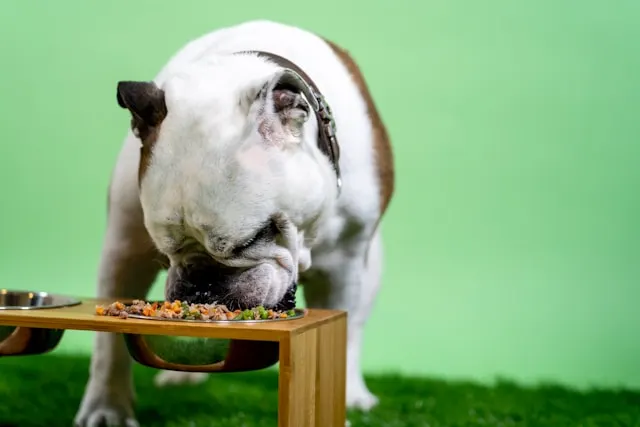
You’re slicing a fresh pineapple on a hot afternoon when your dog moseys over, nose working overtime, tail doing that hopeful helicopter spin. You want to share — but can dogs eat pineapple without any problems? The good news is yes, most dogs can enjoy this tropical fruit safely. The key is knowing exactly how to serve it, how much is too much, and which parts to keep far away from their bowl.
Quick Answer
Pineapple is safe for dogs to eat in small, fresh amounts. It’s naturally packed with vitamin C, manganese, and bromelain — an enzyme that supports digestion. It makes a great occasional treat for healthy adult dogs but should be given in moderation due to its sugar content.
TL;DR: Fresh pineapple chunks (no skin, no core, no canned syrup) are a healthy snack for most dogs in small quantities. Too much can cause digestive upset. When in doubt, check with your vet.
Key Takeaways
- Fresh pineapple is dog-safe in small amounts — think 1–3 small chunks per serving.
- Always remove the spiky skin and tough core before feeding.
- Avoid canned pineapple; the added sugar and syrups are harmful.
- Pineapple juice is too concentrated in sugar — skip it entirely.
- Dogs with diabetes or weight issues should avoid pineapple due to its natural sugar content.

Table of Contents
Why It Matters
Sugar is the real concern here, not pineapple itself. Fresh pineapple contains roughly 10 grams of sugar per 100 grams — which is fine in small doses but can accumulate fast if you’re feeding it daily or in generous portions.
Too much sugar in a dog’s diet contributes to weight gain, dental decay, and in sensitive dogs, gastrointestinal issues like diarrhea and bloating. Dogs already dealing with obesity, diabetes, or chronic digestive problems face higher risks and should only have pineapple under veterinary guidance.
That said, this isn’t a fruit to fear. When offered correctly, pineapple is genuinely nutritious. The problem isn’t the fruit — it’s overfeeding it or serving the wrong parts. Calm, informed owners make better treat decisions, and that’s exactly what this guide helps you do.
The Anatomy of Pineapple — What’s in It for Your Dog?
Understanding why pineapple can benefit dogs starts with what’s actually inside it.
Bromelain is pineapple’s star compound — a natural enzyme that helps break down proteins and supports healthy digestion. Some veterinary nutritionists believe it may even have mild anti-inflammatory properties, though more research is needed in dogs specifically.
Vitamin C is an antioxidant that supports immune function. Dogs produce their own vitamin C, so they don’t depend on it from food — but a small extra boost from a snack doesn’t hurt healthy dogs.
Manganese supports bone development, metabolic function, and cartilage health. Again, a small but meaningful contribution when you consider pineapple as part of a varied, balanced diet.
Dietary fiber helps regulate digestion and bowel movements. The same fiber that’s great in moderate amounts becomes a problem in large quantities, often causing loose stools or diarrhea.
Natural sugars (fructose) provide quick energy but can spike blood glucose levels in sensitive dogs. This is the main reason moderation is non-negotiable.
The takeaway: pineapple is nutritionally decent for dogs, but it’s a treat, not a supplement. Think of it the way you’d think of a blueberry or a piece of watermelon — something fun, refreshing, and health-forward when offered wisely. If you’re already exploring safe fruits and superfoods to add to your dog’s bowl, pineapple fits right into that category.
Common Mistakes (and Fixes)
Even well-intentioned dog owners make these errors when feeding pineapple. Here’s what to watch for.
- Feeding the skin. The spiky outer shell is tough, abrasive, and a serious choking hazard. It can also irritate the mouth, throat, and digestive lining. The fix: Always peel the pineapple completely before offering any to your dog.
- Leaving the core in. The core is fibrous, dense, and difficult to chew — especially for small breeds. It poses a real obstruction risk. The fix: Remove the core entirely and cut the flesh into small, bite-sized pieces.
- Giving canned pineapple. Canned varieties are typically packed in heavy syrup loaded with added sugar, artificial flavors, and preservatives — none of which belong in your dog’s diet. The fix: Fresh pineapple only. If fresh isn’t available, frozen pineapple chunks (no added sugar) are an acceptable substitute.
- Treating it like a meal. Some owners see “safe for dogs” and interpret that as “serve freely.” Pineapple is still a sugar-rich fruit. The fix: Limit portions to 1–3 small chunks for small dogs, up to 5–6 for large breeds. Treats should never exceed 10% of daily caloric intake.
- Serving pineapple juice. Juice concentrates the sugar and removes all the fiber that helps slow sugar absorption. The fix: Juice is a hard no. Stick to whole fresh fruit.
- Giving it to dogs with sensitive stomachs without testing first. Some dogs react to any new food with digestive upset, particularly if their gut flora is out of balance. The fix: Start with a single small piece and wait 24 hours to assess tolerance before making it a regular snack.
- Ignoring the dog’s existing health conditions. Diabetic dogs, dogs on weight-management plans, and dogs prone to pancreatitis need tighter dietary control. The fix: Always consult your vet before introducing new treats to a dog with known health conditions.
The Right Digestive Support Makes All the Difference
When you introduce any new food — even a healthy one like pineapple — your dog’s gut microbiome needs to be balanced enough to handle it gracefully. If your dog has a sensitive stomach or frequently experiences loose stools after dietary changes, a daily probiotic can make a real difference.
Purina Pro Plan Veterinary Supplements FortiFlora Daily Probiotics for Dogs is one of the most widely recommended probiotic supplements in veterinary practice. It’s formulated with live active cultures that support intestinal microflora balance and promote a healthy immune system. FortiFlora is especially useful for dogs that experience dietary-related diarrhea or soft stools. It comes in convenient single-serve sachets that sprinkle easily over food — no fuss. The main limitation is cost over time since it’s dosed daily, but the clinical backing and palatability make it a top pick for owners managing digestive sensitivities.
CHECK PRICE ON AMAZON: https://amzn.to/3ZySvV4
Step-by-Step: How to Safely Feed Pineapple to Your Dog
Follow these steps and you’ll never have to second-guess your pineapple serving again.
- Choose a ripe, fresh pineapple. Look for a fruit that smells sweet at the base and gives slightly under gentle pressure. Overripe pineapple ferments and can upset stomachs.
- Wash the outside thoroughly. Even though your dog won’t eat the skin, washing reduces the transfer of surface bacteria when you cut through the fruit.
- Remove all skin and the core. Use a sharp knife to cut away every bit of the tough exterior and the fibrous center column. Zero tolerance here — both pose choking and obstruction risks.
- Cut the flesh into small chunks. For small dogs, aim for pieces no bigger than half an inch. For large breeds, an inch is fine. Smaller pieces are always safer.
- Serve plain. No honey, no yogurt coating, no added anything. Fresh fruit, straight to the bowl or hand-fed as a reward.
- Start with one piece. Especially on the first introduction, one small piece is enough. Watch for signs of digestive discomfort over the next few hours.
- Refrigerate leftovers promptly. Cut pineapple should be refrigerated and used within 3–4 days. You can also freeze chunks for a cooling summer treat.
- Track frequency. Pineapple should be an occasional treat — two or three times a week at most, not a daily habit.
Slow the Snack Down
Here’s something most owners don’t think about: even healthy treats can cause problems if your dog inhales them too fast. Gulping food rapidly leads to swallowing excess air, which contributes to bloating and gastrointestinal discomfort — especially in deep-chested breeds.
Using a slow feeder bowl for treat time isn’t just for kibble. It encourages dogs to eat more deliberately, improving digestion and extending the enjoyment of a snack. If your dog tends to bolt food regardless of what it is, slowing that habit down is good practice across the board.
Outward Hound Fun Feeder Slo Bowl is a practical, well-designed slow feeder with an engaging maze pattern that turns mealtime into a light mental challenge. It holds up to 4 cups and is built with a non-slip base to prevent sliding. The ridged design forces dogs to work for each piece of food, significantly slowing intake and reducing bloat risk. It’s dishwasher safe and available in multiple sizes. The only limitation is that very small treat pieces — like tiny pineapple chunks — can sometimes be picked out too easily by determined dogs, so slightly larger piece sizes work better in this bowl.
CHECK PRICE ON AMAZON: https://amzn.to/40buzas
Troubleshooting — If Things Go Wrong
Even with careful serving, sometimes dogs react unexpectedly. Here’s a quick guide.
- Dog vomited after eating pineapple: Likely ate too much or ate too fast. Withhold food for a few hours, offer water, and monitor. If vomiting continues beyond 12 hours, call your vet.
- Loose stools after pineapple: Common when introducing any new food. Reduce the amount next time and ensure you’re not feeding canned pineapple. A probiotic can help restore gut balance.
- Dog refuses pineapple: Completely normal — not every dog likes the tartness. Don’t force it. There are plenty of other dog-safe fruits to try.
- Dog ate pineapple skin or core: Monitor closely for choking, drooling, pawing at the mouth, or signs of abdominal pain. Call your vet if any of these occur.
- Blood sugar concern (diabetic dog): Contact your vet immediately if a diabetic dog consumed more than a very small amount of pineapple.
If your dog regularly experiences digestive upset after treats, it may be worth exploring whether a food sensitivity or allergy is behind the problem, as diet is often the overlooked root cause.
When to See a Professional
Pineapple is generally low-risk, but some situations do call for a vet call.
Contact your vet if your dog ate the core or skin and is showing signs of gastrointestinal distress — drooling excessively, retching without producing vomit, or appearing hunched and uncomfortable. These may indicate an obstruction.
Get in touch with your vet before feeding pineapple if your dog has diabetes, is on a strict weight-loss plan, has a history of pancreatitis, or has an underlying kidney or liver condition.
If your dog experiences repeated vomiting, blood in the stool, lethargy, or loss of appetite after eating any new food, that’s a prompt for a professional evaluation regardless of the food involved. You can also learn more about what blood in the stool after dietary changes might indicate and when it crosses from minor to urgent.
Expert Opinion
According to the American Kennel Club (AKC), pineapple is listed among the fruits that are safe for dogs when fresh and served in moderation. The AKC specifically cautions against canned varieties due to their high sugar content and advises removing the skin and core before serving.
Veterinary nutritionists generally support the principle that treats — including fruit — should make up no more than 10% of a dog’s daily caloric intake. Pineapple, with its natural sugars, fits best as an occasional enrichment snack rather than a dietary staple. Dogs with metabolic conditions, particularly those prone to obesity or diabetes, should have any high-sugar foods evaluated with their veterinarian before inclusion in the diet.
As a general note: the guidance in this article is for informational purposes only. It is not a substitute for professional veterinary advice, diagnosis, or treatment. Always consult your vet if you have concerns about your dog’s diet or health.
FAQs
Can dogs eat pineapple every day? It’s best to limit pineapple to a few times per week. Daily feeding adds up in sugar content quickly and can contribute to weight gain or digestive issues over time. Treat it as an occasional snack.
How much pineapple can I give my dog? Small dogs: 1–2 small chunks per serving. Medium dogs: 2–3 chunks. Large dogs: up to 5–6 pieces. Always start with less and monitor your dog’s reaction before increasing the amount.
Can puppies eat pineapple? Yes, in tiny amounts, but puppies have more sensitive digestive systems than adult dogs. Introduce very small portions only once they’re fully weaned and on solid food. Ask your vet first if your puppy is very young.
Is pineapple juice safe for dogs? No. Pineapple juice is too concentrated in sugar and lacks the fiber present in whole fruit. Even small amounts can spike blood sugar and cause digestive upset. Fresh fruit only.
Can dogs eat frozen pineapple? Yes — as long as it’s plain frozen pineapple with no added sugar or syrup. Frozen chunks make a great cooling treat in summer and many dogs love the texture.
Will pineapple stop my dog from eating poop? This is a popular belief — the theory is that bromelain makes stool less palatable. However, there’s limited scientific evidence to support this. It may work for some dogs but isn’t a reliable solution. Talk to your vet about coprophagia if it’s an ongoing problem.
Can dogs eat the pineapple skin? No. The spiky outer skin is tough, indigestible, and a serious choking hazard. It can also irritate the mouth and stomach lining. Always remove it completely.
What if my dog ate a large piece of pineapple core? Monitor carefully for signs of an obstruction: drooling, retching, gagging, pawing at the mouth, or abdominal discomfort. Contact your vet if any of these appear. The core is fibrous and dense enough to cause issues, especially in small breeds.
Is canned pineapple bad for dogs? Yes. Canned pineapple is typically packed in sugary syrup or juice that is too high in added sugars for dogs. The preservatives and additives don’t help either. Fresh or plain frozen pineapple is always the better choice.
Are there any fruits similar to pineapple that are also safe for dogs? Yes — watermelon (seedless, no rind), blueberries, strawberries, and mango are all dog-safe fruits. Just as with pineapple, moderation and proper prep are essential. You can explore more about feeding mango safely to dogs or check out our full guide on whether dogs can eat strawberries for more fruit-feeding confidence.
Conclusion
So, can dogs eat pineapple? Absolutely — when it’s fresh, properly prepped, and offered in sensible amounts. This tropical fruit brings genuine nutritional value to the table: digestive enzymes, antioxidants, and a naturally sweet reward your dog will likely love. The rules are simple: fresh flesh only, no skin, no core, no canned varieties, and keep serving sizes small. Dogs with diabetes, weight issues, or chronic digestive sensitivity should get vet clearance before pineapple becomes part of their treat rotation. For everyone else, a few chunks of fresh pineapple a couple of times a week is a smart, wholesome snack choice. Start small, watch how your dog responds, and enjoy sharing something genuinely good with them. Ready to expand your dog’s safe snack list? Explore our full guide on dog superfoods and discover more ways to boost their health through everyday food choices.