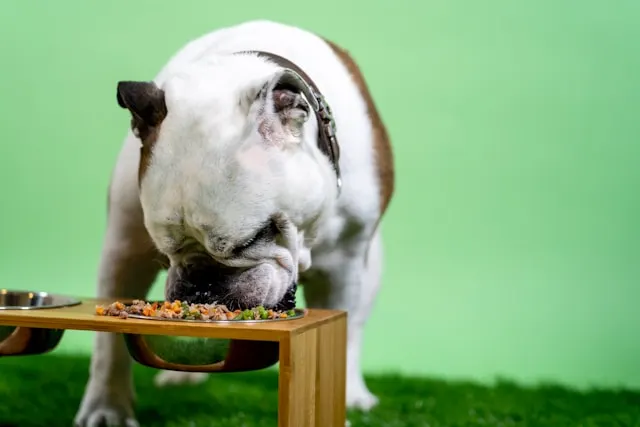
You’re chopping cucumbers for your salad when your dog sits at your feet, tail wagging, eyes locked on that green slice in your hand. You hesitate. Can dogs eat cucumbers safely, or is this one of those foods that lands you at the emergency vet? The good news: cucumbers are one of the safest, crunchiest treats you can share with your pup.
Quick Answer
Yes, dogs can eat cucumbers safely. This low-calorie vegetable is 96% water, making it a hydrating, crunchy snack packed with vitamins K, C, and B. Cucumbers work especially well for overweight dogs or those needing extra hydration during hot weather.
TL;DR: Cucumbers are safe, hydrating, and low in calories. Remove seeds for small dogs, skip seasonings, and serve in bite-sized pieces to avoid choking.

Table of Contents
Why Cucumbers Matter for Your Dog’s Health
Cucumbers might seem boring compared to flashy superfoods, but they solve real problems for dogs. Overweight pups need treats that won’t pack on pounds. Dogs in summer heat need hydration beyond their water bowl—which is why many owners pair cucumber treats with cooling mats designed for hot weather relief. Senior dogs with sensitive stomachs need gentle, easy-to-digest options.
Unlike many human foods that create digestive chaos or blood sugar spikes, cucumbers offer nutrition without the baggage. They’re naturally low in sodium, fat-free, and won’t trigger pancreatitis the way fatty treats can. For dogs with bad breath (we’ve all been there), the natural compounds in cucumber can actually freshen their mouth.
The real risk isn’t the cucumber itself—it’s how you serve it. Whole cucumbers become choking hazards. Pickled cucumbers contain dangerous sodium levels. Even plain cucumbers can cause stomach upset if your dog inhales half a cucumber in ten seconds.
The Anatomy of a Dog-Safe Cucumber
Cucumbers belong to the gourd family, same as pumpkins and zucchini. The flesh contains mostly water, with small amounts of fiber, potassium, and magnesium. The skin holds extra fiber and a compound called cucurbitacin, which gives cucumbers their slight bitterness.
Dogs digest cucumbers differently than we do. Their shorter digestive tract means fiber moves through faster, so a cucumber that feels light to us can cause gas or loose stools in a 15-pound terrier. The high water content helps, but too much cucumber means too many bathroom breaks—and potentially digestive upset similar to other dietary triggers.
The seeds are edible but add no nutritional value. For small breeds under 20 pounds, those seeds can become uncomfortable or create minor digestive friction. Larger dogs handle them fine, but there’s no harm in scooping them out if you’re already prepping the cucumber.
Vitamins in cucumbers support different body systems. Vitamin K helps blood clot properly after cuts or injuries. Vitamin C acts as an antioxidant, though dogs produce their own vitamin C naturally. B vitamins support energy metabolism, which matters more for active or working dogs.
Tools & Product Recommendations
Vegetable Slicer with Julienne Blade
For tiny breeds like Chihuahuas or Yorkies, even small cucumber rounds feel too large. A julienne slicer turns cucumbers into thin matchsticks that puppies and small mouths handle better. You can also use these strips for training—they’re less filling than regular treats, so your dog stays motivated through longer sessions.
Best for owners who train frequently or have multiple small dogs. The limitation: cleaning the blade takes patience, and cucumber pulp gets stuck in the thin slots if you don’t rinse immediately after use.
Mueller Austria V-Pro Multi Blade Adjustable Mandoline
Silicone Ice Cube Trays for Frozen Cucumber Treats
Blend cucumber chunks with a splash of bone broth, pour into silicone trays, and freeze. You’ve just created a cooling treat that lasts longer than plain cucumber and adds flavor variety. These trays pop out frozen treats without cracking, unlike cheap plastic versions.
Perfect for summer days, teething puppies, or post-walk cooldowns. The downside: your dog will finish these in under two minutes, so you’ll need to batch-prep if you want treats ready throughout the week.
Souper Cubes Silicone Freezer Tray
Step-by-Step Tutorial: Serving Cucumbers Safely
Step 1: Choose organic cucumbers when possible.
Conventional cucumbers often carry pesticide residue on the skin. If you’re buying standard grocery store cucumbers, wash them under running water for 30 seconds and scrub with a vegetable brush. No need for special produce wash—plain water removes most surface chemicals.
Step 2: Decide whether to peel.
The skin contains fiber but also the most cucurbitacin. If your dog has a sensitive stomach or you’ve never fed cucumber before, peel it. For dogs with regular digestion, leave the skin on for extra nutrients.
Step 3: Remove seeds for small breeds.
Slice the cucumber lengthwise and run a spoon down the center to scoop out the seed cavity. This takes five seconds and prevents minor stomach irritation in dogs under 20 pounds.
Step 4: Cut into appropriate sizes.
Small dogs (under 20 lbs): thin slices or matchsticks, about the size of your pinky fingernail. Medium dogs (20–50 lbs): quarter-inch rounds or half-moons. Large dogs (50+ lbs): half-inch rounds or spears. Always match the size to what your dog can comfortably chew.
Step 5: Start with one or two pieces.
Even safe foods can upset a stomach that’s never encountered them. Give your dog a small amount and wait 24 hours. Watch for changes in stool consistency, excessive gas, or disinterest in regular meals.
Step 6: Store properly.
Cut cucumbers oxidize and get slimy within two days in the fridge. Keep them in an airtight container with a paper towel to absorb moisture. Freeze extras in single-serving portions if you prep in bulk.
Step 7: Integrate into your dog’s routine.
Use cucumber as a training reward, a between-meal snack, or a post-walk refresher. Don’t replace more than 10% of your dog’s daily calories with any treat, including cucumber. For a 30-pound dog eating roughly 800 calories per day, that’s 80 calories maximum from treats—about half a medium cucumber.
Cucumber vs. Other Dog-Safe Vegetables: Quick Comparison
| Vegetable | Pros | Cons | Calories (per ½ cup) |
|---|---|---|---|
| Cucumbers | Highest water content (96%); lowest calorie; crunchy texture dogs love | Minimal protein or fats; can cause gas if overfed | 8 |
| Carrots | Beta-carotene for eye health; harder texture for aggressive chewers | Higher natural sugars (not ideal for diabetic dogs) | 25 |
| Green Beans | More fiber for weight management; slightly more protein | Some dogs dislike squeaky texture; less hydrating | 15–20 |
| Zucchini | Similar water content; more potassium | Gets mushy when cooked; spoils faster once cut | 10 |
| Watermelon | Sweet flavor dogs enjoy; vitamins A, B6, C | Higher sugar content; seeds must be removed | 23 |
Breed & Weight Sizing Guide
Extra Small (under 10 lbs) – Chihuahuas, Yorkies, Pomeranians:
Thin matchsticks or coins smaller than a dime. One to three pieces per serving (~3–5 calories). These dogs need only 200–300 calories daily, so the 10% treat rule means just 20–30 calories from all treats combined.
Small (10–25 lbs) – Beagles, Pugs, Corgis:
Quarter-inch rounds or small half-moons. Three to five pieces per serving (~5–10 calories). Remove seeds to prevent mild stomach upset. Daily intake: 400–600 calories, so limit treats to 40–60 calories total.
Medium (25–50 lbs) – Cocker Spaniels, Border Collies, Bulldogs:
Half-inch rounds or short spears. Five to eight pieces per serving (~10–15 calories). Most medium dogs handle seeds fine, but scooping them takes minimal effort. Daily intake: 700–1,000 calories; treat budget is 70–100 calories.
Large (50–80 lbs) – Labradors, Golden Retrievers, German Shepherds:
Half-inch to three-quarter-inch rounds or thick spears. Eight to twelve pieces per serving (~15–25 calories). These dogs can crunch through skin and seeds without issue. Daily intake: 1,200–1,600 calories; treat allowance is 120–160 calories.
Extra Large (80+ lbs) – Mastiffs, Great Danes, Saint Bernards:
Thick spears or large rounds. Ten to fifteen pieces per serving (~20–30 calories). Despite their size, don’t let them gulp whole cucumber sections—cut pieces to encourage chewing. Daily intake: 1,800+ calories; treat budget is 180+ calories.
Remember the 10% rule: Treats (including cucumber) should never exceed 10% of your dog’s total daily caloric intake. This prevents nutritional imbalances and weight gain.
Common Mistakes (and Fixes)
Serving pickled or seasoned cucumbers.
The fix: Only plain, raw cucumber. Pickles contain salt, garlic, onion, and vinegar that harm dogs. Even “lightly seasoned” cucumber salad with dill and pepper can irritate your dog’s stomach.
Giving too much at once.
The fix: Treats should never exceed 10% of daily calories. For most dogs, that’s a quarter to half a cucumber. Overfeeding causes watery stools and excessive urination—similar to other digestive triggers owners should watch for.
Leaving cucumbers whole.
The fix: Always slice them. A whole cucumber becomes a choking hazard, especially for dogs who gulp food. Even large breeds need cucumbers cut into manageable pieces.
Ignoring your dog’s chewing style.
The fix: If your dog swallows treats without chewing, cut cucumbers extra small or freeze them to slow consumption. Dogs who chew thoroughly can handle larger pieces.
Mixing cucumber with other new foods.
The fix: Introduce one new food at a time. If your dog gets diarrhea after eating cucumber mixed with blueberries and pumpkin, you won’t know which ingredient caused the problem.
Feeding cucumber right before a car ride.
The fix: All that water content means more bathroom urgency. Give cucumber treats when your dog has easy access to potty breaks, not before long trips.
Using cucumbers as a meal replacement.
The fix: Cucumber is a snack, not nutrition. Your dog still needs complete dog food with protein, fats, and balanced nutrients. Don’t substitute meals with vegetables.
Troubleshooting (If/Then)
If your dog refuses cucumber, then try freezing it or adding a thin smear of plain peanut butter to one slice.
If your dog gets gassy after eating cucumber, then reduce portion size by half and remove all seeds before serving.
If cucumber slices slide across the floor during play, then use a crinkle cutter for better grip or freeze pieces to slow eating.
If your dog has loose stools after cucumber, then wait three days before trying again with a smaller amount and peeled cucumber only.
If you’re prepping multiple days’ worth, then freeze individual portions in small bags to maintain freshness.
If your dog is diabetic, then consult your vet before adding cucumber, as even low-sugar veggies can affect insulin needs.
If your senior dog has trouble chewing, then grate cucumber into fine shreds or blend it into a puree mixed with their regular food.
When to See a Professional
Contact your veterinarian or emergency vet if you notice:
- Vomiting within two hours of eating cucumber, especially if it happens more than once
- Severe diarrhea lasting more than 12 hours or containing blood
- Choking, gagging, or difficulty swallowing after eating cucumber pieces
- Excessive drooling combined with pawing at the mouth, which might indicate an airway obstruction
- Lethargy or loss of appetite for more than 24 hours after introducing cucumber
- Allergic reactions like facial swelling, hives, or difficulty breathing (rare but possible)
For guidance on safe treat portions and vegetable options, the American Kennel Club’s nutrition experts provide detailed feeding guidelines. Always discuss dietary changes with your vet, especially for dogs with existing health conditions. The American Veterinary Medical Association offers additional information on foods to avoid and safe feeding practices.
If you’re exploring other hydrating treat options, check out our guide on whether dogs can eat watermelon or what to do if your dog experiences digestive upset.
FAQs
Can puppies eat cucumbers?
Yes, puppies over eight weeks can eat small cucumber pieces. Cut them thin to prevent choking and start with just one or two slices. Cucumber’s water content helps teething puppies, but too much causes diarrhea in young digestive systems. If you’re dealing with common puppy behavior issues, cucumber can serve as a low-calorie training reward.
Are cucumber seeds toxic to dogs?
No, cucumber seeds aren’t toxic. They’re simply harder to digest for small breeds and can cause mild stomach irritation. Removing seeds is optional but helpful for dogs under 20 pounds or those with sensitive stomachs.
How much cucumber can a dog eat daily?
Most dogs can safely eat a quarter to half a cucumber per day, depending on size. Follow the 10% treat rule: treats shouldn’t exceed 10% of daily calories. For a 30-pound dog eating 800 calories daily, that’s 80 calories worth of cucumber—roughly half a medium cucumber.
Can dogs eat cucumber skin?
Yes, dogs can eat cucumber skin. It contains extra fiber and nutrients. Wash thoroughly to remove pesticides, or buy organic. Peel cucumbers only if your dog has digestive sensitivities or you’re introducing cucumber for the first time.
Do cucumbers help with dog bad breath?
Cucumbers can mildly freshen breath because their water content and natural compounds help rinse away odor-causing bacteria. They won’t solve serious dental disease, but they’re better for breath than meat-based treats. Regular teeth brushing still matters most.
Can diabetic dogs eat cucumbers?
Generally yes, but ask your vet first. Cucumbers have minimal sugar and a low glycemic index, but any dietary change can affect blood sugar management. Your vet might adjust insulin doses if you add regular cucumber treats.
Should I cook cucumbers for my dog?
No, serve them raw. Cooking cucumbers turns them mushy and removes some water-soluble vitamins. Dogs digest raw cucumber easily, and the crunch provides dental benefits that cooked vegetables can’t match.
Conclusion
Cucumbers give your dog a refreshing, guilt-free treat that won’t wreck their waistline or upset their stomach when served correctly. The key is simple: skip the seasonings, cut pieces small enough to chew safely, and start with modest portions to test your dog’s reaction. Whether you’re dealing with a bored chewer, a dog who needs to drop a few pounds, or just a pup who loves vegetables, cucumber fits the bill. Wash one, slice it up, and watch your dog crunch away. Your next step? Prep a few servings tonight and toss them in the freezer—you’ll have cooling treats ready for the week ahead.