Picture this: you’re chopping broccoli for dinner, and your dog plants those hopeful eyes on you from across the kitchen. You toss a floret — then immediately wonder if you should have. Can dogs eat broccoli, or did you just hand your pup something harmful? The good news is that broccoli is actually one of the safer vegetables you can share with your dog, but there’s a bit more to the story than a simple “yes.” Getting the portions and prep right makes all the difference between a healthy treat and an upset stomach.
Quick Answer
Yes, dogs can eat broccoli in moderation. It’s a nutrient-dense vegetable packed with vitamins C and K, fiber, and antioxidants that support your dog’s immune system and digestion. It’s best suited for healthy adult dogs and puppies over four months old, served in small, plain pieces — either raw or lightly steamed, with no added oils, salt, or seasoning.
TL;DR: Broccoli is dog-safe in small amounts (under 10% of daily calories). Skip the stalk skin for small dogs, never add seasoning, and watch for gas or digestive upset after the first serving.
Key Takeaways
- Broccoli florets are safe for most dogs when served plain and in small portions.
- Keep broccoli to less than 10% of your dog’s daily caloric intake to avoid GI issues.
- The floret is the safest part; the tough stalk can be a choking hazard for smaller breeds.
- Isothiocyanates in broccoli can cause gas and stomach upset in large amounts — so less is more.
- Always introduce new foods gradually and observe your dog for any unusual reactions.
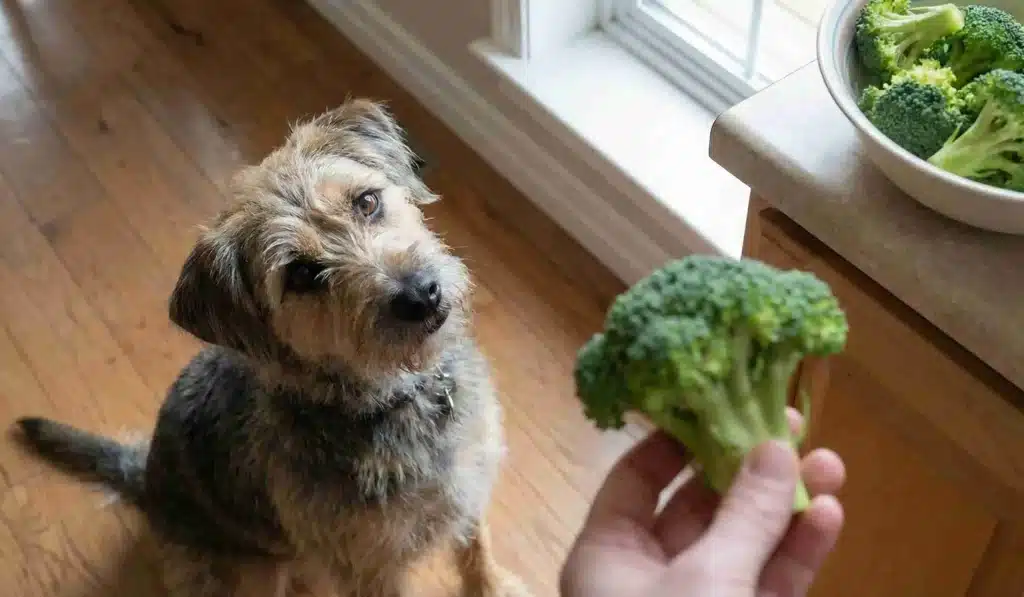
Table of Contents
Why It Matters: Balancing Nutrition and Safety
Dogs don’t need vegetables to survive the way humans do, but that doesn’t mean adding the right ones is pointless. Broccoli offers a genuine nutritional boost when used thoughtfully. It contains vitamin C (which supports immune function), vitamin K (important for bone health), and dietary fiber that aids digestion. According to the American Kennel Club, certain dog-safe vegetables can complement a balanced diet and make for healthier, lower-calorie treat alternatives to commercial snacks.
The risk comes from overfeeding. Broccoli contains naturally occurring compounds called isothiocyanates, found mainly in the florets. In small amounts, these compounds are harmless — even mildly anti-inflammatory. But in large quantities, they irritate the canine gastrointestinal tract, causing gas, bloating, and diarrhea. Think of it this way: a few florets is a snack; a full bowl of broccoli is a recipe for a very uncomfortable evening.
The stalk poses a different kind of risk. Its fibrous, dense texture makes it a potential choking hazard, especially for small dogs or enthusiastic eaters who don’t bother chewing. And just like with any food, individual dogs respond differently — what sits fine in one dog’s stomach might send another running for the yard.
Anatomy of the Vegetable: What’s in Broccoli for Dogs?
Understanding what broccoli actually contains helps you make a smarter feeding decision.
Vitamin C is an antioxidant that supports the immune system and helps reduce inflammation. While dogs produce some vitamin C on their own, additional dietary sources can still be beneficial, especially for older dogs or those under stress.
Vitamin K plays a role in bone metabolism and blood clotting. Puppies and senior dogs, in particular, can benefit from this nutrient as part of a varied diet.
Fiber supports healthy gut motility and can help dogs who tend toward constipation. However, too much fiber — especially from cruciferous vegetables like broccoli — causes the opposite problem: loose stools and flatulence.
Isothiocyanates are sulfur-containing compounds present in all cruciferous vegetables (broccoli, cauliflower, cabbage, Brussels sprouts). They’re the reason broccoli smells the way it does when cooked. In humans, they’re linked to cancer-fighting properties. In dogs, they’re safe in small amounts but genuinely irritating to the GI tract in larger doses.
Calcium, iron, and potassium round out the nutrient profile, making broccoli one of the more well-rounded vegetables you can offer your dog as an occasional treat.
One thing broccoli does not contain: the thiosulfates found in onions and garlic that are toxic to dogs. Broccoli is firmly in the safe zone — it’s all about quantity.
Common Mistakes Dog Owners Make With Broccoli (and the Fixes)
Even with a dog-safe food, it’s easy to feed it wrong. Here are the most frequent missteps:
- Feeding too much at once. The fix: Stick to the 10% rule — broccoli should make up no more than 10% of your dog’s daily caloric intake. For a 20 lb dog eating around 600 calories a day, that’s just a few small florets.
- Serving it with seasonings, butter, or oil. The fix: Always serve broccoli plain. Garlic and onion powders (common in cooking) are toxic to dogs, and high-fat add-ons can trigger pancreatitis.
- Giving a large whole stalk. The fix: Chop broccoli into bite-sized pieces appropriate for your dog’s size. For small breeds, pieces smaller than a grape are safest.
- Introducing it too quickly. The fix: Start with a single small floret. Wait 24–48 hours and watch for digestive changes before offering more.
- Skipping the vet conversation for dogs with health conditions. The fix: If your dog has kidney disease, bladder stones, or hypothyroidism (broccoli’s goitrogens can mildly affect thyroid function in large amounts), check with your vet before introducing it.
- Assuming all cruciferous vegetables are equal. The fix: While broccoli is safe, some related vegetables have different risk profiles. For example, onions are in a completely different category — they’re toxic. Stick to the known safe list.
- Forgetting to wash it. The fix: Always rinse broccoli under clean water before serving. Pesticide residues on conventionally grown produce are real, and your dog’s smaller body is more sensitive to them than yours.
Safe Feeding Solutions: The Right Tools for the Job
Feeding Broccoli Safely Starts at the Bowl
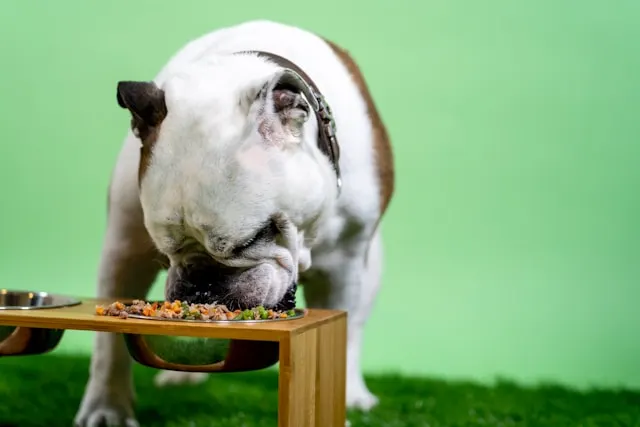
One issue that often sneaks up on dog owners when introducing new foods is speed eating. Dogs who gobble their food quickly are more likely to swallow large pieces before adequately chewing them — increasing the risk of choking or GI distress, especially with denser vegetables like broccoli stalks.
A slow feeder bowl is a simple, effective fix. It forces your dog to work for each bite, naturally slowing down eating and reducing the chance of swallowing pieces whole. For any dog you’re introducing to new foods, it’s worth having one on hand.
Outward Hound Fun Feeder Slo Bowl is a great option for medium to large dogs who eat too fast. The large 4-cup capacity and maze-like ridges slow eating significantly, reducing gulping and the digestive discomfort that comes with it. It’s non-slip, dishwasher safe, and built from BPA-free materials — making it a reliable everyday bowl, not just a novelty. The one limitation: the ridges can trap food and require a thorough rinse after meals. Best for dogs who bolt their food or need help pacing themselves with treats and soft foods.
CHECK PRICE ON AMAZON: https://amzn.to/40buzas
Supporting Your Dog’s Nutrition Beyond Broccoli
If you’re adding vegetables like broccoli because you want to boost your dog’s overall nutrient intake — especially omega-3 fatty acids and anti-inflammatory support — a quality fish oil supplement can work alongside a fresh-food approach much more reliably than hoping vegetables alone fill the gap.
Zesty Paws Wild Alaskan Omega-3 Blend Pollock + Salmon Oil is a well-regarded option for dogs who need skin, coat, and immune support. It delivers a concentrated dose of EPA and DHA from wild-caught fish in a 32oz bottle that works out to excellent value over time. The omega-3s in this supplement complement the anti-inflammatory properties of vegetables like broccoli without any of the GI risks. One honest limitation: the pump can occasionally clog with thicker, cold-weather oil. Best for dogs whose owners want a whole-diet nutritional approach rather than relying solely on occasional veggie treats.
CHECK PRICE ON AMAZON: https://amzn.to/4akcAVn
Step-by-Step: How to Feed Broccoli to Your Dog Safely
- Choose fresh broccoli. Fresh is best. Frozen plain broccoli (without sauce or seasoning) is a fine second option. Avoid canned broccoli — it typically contains added sodium.
- Wash thoroughly. Rinse under cold water for at least 30 seconds to remove pesticide residues and surface contaminants.
- Cut into appropriate pieces. For small dogs (under 20 lbs), cut florets into pea-sized pieces. For medium and large dogs, quarter-sized florets work well. Avoid large stalk chunks entirely for small breeds.
- Choose raw or lightly steamed. Raw broccoli retains the most nutrients but may be harder to digest for some dogs. Lightly steaming it (3–4 minutes, no salt) softens the texture without destroying the nutritional value. Never boil it until mushy — that drains the vitamins.
- Serve plain. No butter, olive oil, garlic, cheese sauce, or seasoning of any kind. Your dog genuinely doesn’t need flavoring — to them, a fresh floret is already exciting.
- Start small. Offer one small piece. That’s it for the first time. Let 24 hours pass and watch for any digestive changes.
- Monitor and adjust. If your dog shows gas, loose stools, or seems uncomfortable, broccoli may not agree with their system — and that’s okay. Plenty of other dog-safe vegetables exist. If there’s no reaction, you can gradually include broccoli as an occasional treat, not a daily staple.
- Store leftovers safely. Precut broccoli keeps well in an airtight container in the refrigerator for up to 3 days. Serve at room temperature rather than ice-cold from the fridge.
Troubleshooting: If/Then Guide
- If your dog eats a large amount of broccoli: Monitor for vomiting, diarrhea, or excessive gas. Most cases resolve within 24 hours. Contact your vet if symptoms are severe or persist beyond a day.
- If your dog refuses broccoli: Don’t force it. Some dogs simply don’t like the smell or taste of cruciferous vegetables. Try lightly steaming it to soften the flavor.
- If your dog chokes on a piece: Stay calm, check their mouth if safe to do so, and contact an emergency vet line immediately. Prevention is key — always cut pieces to an appropriate size.
- If your dog has loose stools after a small amount: The isothiocyanates may simply be too much for their individual gut. Reduce the amount further or skip broccoli and try a gentler vegetable like cooked sweet potato or plain cucumber.
- If your dog ate broccoli with garlic or onion seasoning: Call your vet or the Pet Poison Helpline right away. Even small amounts of garlic and onion can be toxic to dogs and need prompt attention.
- If your dog has thyroid issues: Ask your vet before offering any cruciferous vegetables. Goitrogens in broccoli, though mild, can interfere with thyroid hormone production when consumed regularly in larger amounts.
When to See a Professional
Call your vet if your dog shows any of the following after eating broccoli:
- Vomiting that doesn’t stop within a few hours
- Severe diarrhea or blood in the stool
- Signs of a blockage: straining to defecate, lethargy, bloated abdomen
- Difficulty breathing or swallowing (possible choking injury)
- Known consumption of broccoli cooked with toxic seasonings like garlic or onion
General gastrointestinal upset from broccoli is rarely serious — but the above signs need professional attention quickly. This article provides general information only and is not a substitute for veterinary advice tailored to your dog’s individual health history.
Expert Opinion
Veterinary nutritionists generally consider broccoli a safe, beneficial occasional treat for healthy dogs when served in appropriate amounts. As noted by veterinary guidance cited by the American Kennel Club, vegetables like broccoli can offer nutritional variety but should supplement — not replace — a complete, balanced commercial or home-prepared diet formulated for dogs.
The key concern veterinarians flag most consistently is portion size. The isothiocyanate content in broccoli florets is significant enough that overfeeding — even without any other dietary changes — can trigger notable GI irritation. Veterinarians recommend keeping all vegetable treats, including broccoli, well below 10% of daily caloric intake and introducing any new food gradually. Dogs with pre-existing gastrointestinal sensitivity, thyroid conditions, or kidney disease should have their diet reviewed by a vet before new foods are introduced. When in doubt, a quick call to your veterinary clinic is always the right move.
If you’re interested in optimizing your dog’s complete nutritional picture, our dog supplements guide with expert tips is a helpful starting point for understanding which additions actually make a difference.
FAQs
Can dogs eat broccoli every day? No. Broccoli should be an occasional treat, not a daily staple. Daily feeding increases the cumulative intake of isothiocyanates, which can irritate the GI tract and potentially affect thyroid function over time.
Is raw or cooked broccoli better for dogs? Both are safe. Raw broccoli retains more nutrients, while lightly steamed broccoli is easier on sensitive stomachs. Never cook it with salt, oil, garlic, or butter.
Can dogs eat broccoli stalks? In small amounts, yes — but the stalk is denser and harder than the florets. For small dogs, it’s a choking hazard. Cut stalks into very small pieces or skip them entirely for petite breeds.
Can puppies eat broccoli? Yes, in tiny amounts once they’re eating solid food (around 4 weeks and older). Puppies have sensitive digestive systems, so start with a very small piece and monitor carefully.
How much broccoli can I give my dog? The general guideline is that treats — including vegetables — should not exceed 10% of your dog’s daily caloric intake. For most dogs, this translates to a few small florets two to three times per week at most.
What vegetables are toxic to dogs? Onions, garlic, leeks, and chives are toxic. Grapes and raisins are fruit-based but extremely dangerous. Broccoli does not belong in this category — it’s safe in moderation.
Why does my dog get gassy after eating broccoli? Cruciferous vegetables naturally produce gas during digestion in both humans and dogs. The isothiocyanates and fiber in broccoli are the culprits. Reducing the portion size almost always solves this.
Can dogs eat broccoli with cheese sauce? No. Cheese sauce often contains garlic, onion, salt, and high fat — all problematic for dogs. Serve broccoli plain only.
Is frozen broccoli safe for dogs? Yes, plain frozen broccoli with no added seasoning or sauce is safe. Thaw it first and cut it into appropriate pieces before serving.
Can broccoli help with my dog’s digestion? In small amounts, the fiber in broccoli can support healthy digestion. However, too much will do the opposite and cause diarrhea or gas. Think of it as a supplement to a balanced diet, not a digestive remedy.
Conclusion
So, can dogs eat broccoli? Absolutely — and when served correctly, it’s one of the better vegetable choices you can make for your dog. The key is keeping portions small (under 10% of daily calories), serving it plain, cutting it into appropriately sized pieces, and paying attention to how your individual dog responds. Most dogs tolerate broccoli well in modest amounts and can benefit from its vitamins, fiber, and antioxidants. If you’re exploring ways to round out your dog’s diet with whole foods, you might also find our article on superfoods for dogs useful for the bigger nutritional picture. And if you’re ever unsure about a specific food or how much is safe for your dog’s size and health status, your veterinarian is always the best first call. Start small, observe closely, and enjoy sharing that little floret with the pup who’s been watching you cook all along.
This article is intended for general informational purposes only and does not constitute veterinary medical advice. Always consult a licensed veterinarian regarding your dog’s specific dietary needs.