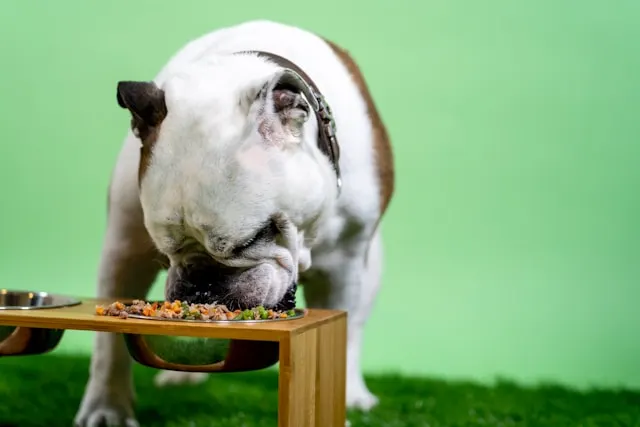
You open the pantry, scoop out another serving of kibble, and dump it into the bowl. Your Golden Retriever inhales it in roughly twelve seconds flat. But lately, you’ve noticed a duller coat, some extra scratching, and maybe a few pounds creeping on. It makes you wonder: are you really feeding the best dog food for Golden Retrievers, or just the most convenient one?
You’re not alone. Golden Retrievers have specific dietary needs that generic dog food doesn’t always meet. Their thick double coat, large frame, active lifestyle, and predisposition to joint problems and allergies mean nutrition matters more than most owners realize.
Quick Answer
The best dog food for Golden Retrievers is a high-protein formula (at minimum 22–26% protein) with named meat as the first ingredient, omega-3 fatty acids for coat and joint health, and glucosamine for long-term mobility. It should be age-appropriate, free from common allergens like corn and soy fillers, and portioned carefully to prevent obesity. Goldens at every life stage thrive on balanced, whole-ingredient recipes tailored to their breed-specific needs.
TL;DR: Golden Retrievers need protein-rich food with omega-3s, joint-supporting ingredients, and controlled calories. Avoid cheap fillers, match the formula to your dog’s age, and watch portion sizes closely — Goldens gain weight fast.
Key Takeaways
- Look for named animal protein (chicken, salmon, beef) as the first ingredient — never vague terms like “meat meal” or “animal by-products.”
- Omega-3 fatty acids from fish oil or flaxseed are essential for your Golden’s signature coat and joint health.
- Goldens are prone to hip dysplasia, so choose foods that include glucosamine and chondroitin or supplement separately.
- Calorie control is critical. An average adult Golden needs roughly 1,200–1,700 calories per day depending on activity level.
- Avoid artificial preservatives (BHA, BHT, ethoxyquin) and excessive grain fillers that contribute nothing nutritional.

Table of Contents
Why the Right Food Matters for Golden Retrievers
Golden Retrievers aren’t just big dogs with pretty coats. They carry breed-specific health risks that are directly tied to what goes into their bowl every day.
According to the AKC’s breed profile, Golden Retrievers are predisposed to hip and elbow dysplasia, certain heart conditions, and skin allergies. Obesity makes every one of these problems worse. A 2019 study published in the Journal of Veterinary Internal Medicine found that overweight dogs had significantly shorter lifespans — and Goldens are among the breeds most likely to become overweight.
Their thick double coat also demands nutritional support. Without adequate omega-3 and omega-6 fatty acids, a Golden’s coat can become dry, brittle, and prone to excessive shedding. Skin issues like hot spots often follow.
Then there’s their digestive system. Goldens are known for having sensitive stomachs, and food allergies or intolerances can show up as chronic ear infections, itchy skin, or gastrointestinal upset. If your Golden is dealing with food-related allergy symptoms, the solution almost always starts with what you’re feeding.
The good news? The right diet can be genuinely preventive. Quality nutrition doesn’t just maintain your Golden’s health — it actively protects against the conditions this breed is most vulnerable to.
What Golden Retrievers Actually Need in Their Food
Understanding ingredient labels is the single most useful skill a Golden Retriever owner can develop. Here’s what to prioritize and why.
High-quality animal protein should always be the first ingredient. Golden Retrievers are athletic, muscular dogs. Puppies need at least 22% protein for growth, while adults do well with 22–26%. Senior Goldens may need slightly adjusted protein levels depending on kidney health. Named sources like “deboned chicken,” “salmon,” or “beef” are what you want — not unnamed “poultry” or “meat by-products.”
Healthy fats are the engine behind that gorgeous coat. Look for fish oil, flaxseed, or chicken fat listed in the ingredients. Aim for an overall fat content of 12–18% for adults. Too much fat leads to weight gain. Too little leads to a dull coat and dry skin.
Complex carbohydrates provide sustained energy without blood sugar spikes. Sweet potatoes, brown rice, oats, and peas are solid choices. Simple carbs like corn syrup or wheat flour offer empty calories.
Joint-support ingredients like glucosamine, chondroitin, and green-lipped mussel belong in every adult Golden’s diet. According to the AVMA, joint supplements are most effective as preventive measures started before symptoms appear.
Fiber and probiotics round things out for digestive health. Beet pulp, pumpkin, and dried chicory root all support a healthy gut — something Goldens frequently need help with.
Adding targeted supplements can fill the gaps when even premium kibble falls short on specific nutrients your Golden needs.
Common Feeding Mistakes Golden Retriever Owners Make (and How to Fix Them)
Even devoted owners slip up. These are the most frequent feeding errors that affect Golden Retrievers specifically.
- Overfeeding because they always seem hungry. Goldens are food-motivated to an almost comical degree. That hopeful stare doesn’t mean they need more food. The fix: Use a measuring cup every single time and follow your vet’s calorie recommendation, not the bag’s generic guidelines.
- Choosing food based on price alone. Budget kibble is often padded with corn, wheat, and soy — the exact fillers most likely to trigger allergies in Goldens. The fix: Invest in mid-to-premium food with named proteins and whole ingredients. The vet bills you avoid will more than cover the difference.
- Free-feeding instead of scheduled meals. Leaving food out all day makes it impossible to monitor intake and nearly guarantees weight gain in a breed that never voluntarily stops eating. The fix: Feed two measured meals per day at consistent times.
- Ignoring life-stage transitions. A puppy formula is too calorie-dense for an adult, and adult food lacks the joint support a senior Golden needs. The fix: Transition your food every time your Golden enters a new life stage — puppy to adult around 12–15 months, adult to senior around age 7–8.
- Skipping the slow transition when switching foods. Abrupt food changes cause digestive upset in most dogs, but Goldens’ sensitive stomachs make this even more pronounced. The fix: Mix the new food with the old over 7–10 days, gradually increasing the new formula’s proportion.
- Forgetting about treat calories. Training treats, dental chews, and table scraps all count. The fix: Treats should make up no more than 10% of your Golden’s daily calorie intake.
Golden Retrievers are notorious for gulping their food, which increases the risk of bloat — a potentially life-threatening condition. A slow feeder bowl is one of the simplest ways to address this.
Outward Hound Fun Feeder Slo Bowl is purpose-built for dogs who eat too fast. Its ridged flower pattern forces your Golden to work around obstacles, naturally slowing eating speed by up to 10 times. The 4-cup capacity is ideal for a Golden’s meal size, and the non-slip base keeps the bowl in place even for enthusiastic eaters. It’s best for medium-to-large dogs who inhale meals. One thing to note: the intricate grooves require thorough cleaning to prevent buildup, so a good scrub brush helps.
CHECK PRICE ON AMAZON: https://amzn.to/40buzas
Feeding Your Golden Retriever by Life Stage
Getting nutrition right means adjusting as your Golden grows and ages. Here’s a practical breakdown.
Puppies (8 Weeks to 12 Months)
Golden Retriever puppies grow rapidly. They typically go from about 10 pounds at 8 weeks to 55–65 pounds by their first birthday. That kind of growth demands specific nutritional support.
Feed a large-breed puppy formula with controlled calcium and phosphorus levels. Large-breed puppy foods are specifically designed to prevent too-rapid bone growth, which can worsen hip dysplasia risk. Feed three meals per day until about 6 months, then transition to twice daily.
Calorie needs are high but must be managed. A chubby puppy isn’t a healthy puppy — excess weight during growth puts permanent stress on developing joints.
Adults (1 to 7 Years)
A healthy adult Golden Retriever weighs between 55 and 75 pounds, depending on gender and build. Most adults do well with 1,200–1,700 calories per day, though very active Goldens or working dogs may need more.
This is the stage where adding superfoods to your dog’s meals can make a noticeable difference in energy, coat quality, and overall vitality.
Protein should still be the star. Rotate protein sources periodically (chicken, fish, lamb) to reduce the chance of developing food sensitivities over time. Monitor your Golden’s body condition score regularly — you should be able to feel ribs easily without pressing hard, and see a visible waist from above.
Seniors (7+ Years)
Senior Golden Retrievers face declining metabolism, increased joint stiffness, and sometimes reduced appetite. Switching to a senior-specific formula with enhanced joint support and moderate calories helps maintain quality of life.
Look for food with added glucosamine and chondroitin, L-carnitine for lean muscle maintenance, and easily digestible proteins. Some seniors also benefit from slightly elevated fiber for digestive regularity.
Omega-3 supplementation becomes especially important during this stage. The anti-inflammatory properties support aging joints and cognitive function.
Zesty Paws Wild Alaskan Omega-3 Blend Pollock + Salmon Oil delivers high-concentration EPA and DHA from wild-caught fish — the specific omega-3s most effective for coat health and joint inflammation. It comes in a pump bottle that makes dosing easy, and most dogs love the taste mixed into their food. This is ideal for senior Goldens or any Golden with dry skin and coat issues. The main drawback is the fishy smell, which can be noticeable at first. A little goes a long way, and the coat results typically show within 3–4 weeks.
CHECK PRICE ON AMAZON: https://amzn.to/4akcAVn
Step-by-Step: How to Choose and Transition to the Right Food
Picking the best food and switching safely doesn’t have to feel overwhelming. Follow these steps.
- Identify your Golden’s life stage and activity level. A sedentary 8-year-old and an active 3-year-old have completely different calorie and nutrient requirements.
- Read the ingredient label starting from the top. The first five ingredients tell you the most about the food’s quality. Named meat, healthy fat, a whole grain or vegetable, and a fiber source are what you want to see.
- Check for an AAFCO statement. This confirms the food meets minimum nutritional standards. Look for “complete and balanced” rather than “supplemental” or “intermittent feeding.”
- Assess your Golden’s current condition honestly. Is the coat shiny or dull? Any recurring ear infections or itchy skin? Weight appropriate or creeping up? These clues guide your next food choice.
- Start the transition slowly. Days 1–3: mix 25% new food with 75% current food. Days 4–6: go 50/50. Days 7–9: shift to 75% new food. Day 10: fully switch. If you notice loose stools, slow the transition down by a few days.
- Monitor results for 4–6 weeks. Real food improvements — shinier coat, better energy, firmer stools — take about a month to fully appear. Don’t switch again too quickly.
- Schedule a vet check. Bring your food choice to your next vet visit and confirm it’s the right match for your Golden’s specific health profile.
If you’re weighing the pros and cons of commercial versus raw feeding options, understanding the differences between raw and kibble diets can help you make a more informed decision for your Golden.
Digestive Support: When Good Food Isn’t Enough
Even on the right diet, some Golden Retrievers deal with recurring digestive issues — soft stools, gas, occasional vomiting, or inconsistent appetite. Goldens’ sensitive stomachs sometimes need extra support beyond what food alone provides.
A veterinary-grade probiotic can stabilize the gut microbiome and improve nutrient absorption. This is especially useful during food transitions, after antibiotic treatment, or for Goldens with chronic loose stools.
Purina Pro Plan Veterinary Supplements FortiFlora is one of the most widely recommended probiotics by veterinarians. It contains a guaranteed level of live, active beneficial bacteria and is backed by clinical research. Each single-serving sachet makes dosing simple — just sprinkle it on your Golden’s food once daily. It works well for dogs of all ages, from puppies with sensitive stomachs to seniors with declining gut health. The limitation is that it addresses bacteria-based digestive issues but won’t solve problems caused by food allergies or intolerances, which require a dietary change instead.
CHECK PRICE ON AMAZON: https://amzn.to/3ZySvV4
Troubleshooting Common Feeding Problems
Not every issue requires a vet visit. Here’s how to handle the most common Golden Retriever feeding challenges.
- If your Golden is gaining weight on their current food → Reduce daily portions by 10%, cut treat calories, and increase exercise. Reassess after two weeks.
- If your Golden’s coat looks dull or dry → Add an omega-3 fish oil supplement and ensure the food contains at least 12% fat.
- If your Golden has frequent loose stools → Rule out overfeeding first. Then consider a limited-ingredient diet and add a probiotic.
- If your Golden refuses a new food → Warm it slightly to release aroma, or mix in a teaspoon of low-sodium bone broth. Don’t cave and switch back immediately.
- If your Golden is scratching excessively after meals → This often signals a food allergy. Common culprits are chicken, beef, wheat, and dairy. Try an elimination diet with a novel protein source.
- If your Golden puppy seems to eat nonstop → This is normal behavior for the breed. Stick to measured meals at scheduled times and redirect with appropriate chew toys between meals.
When to See Your Veterinarian
Most feeding adjustments can be handled at home, but some signs require professional attention. See your vet promptly if you notice:
- Persistent vomiting or diarrhea lasting more than 48 hours
- Sudden, unexplained weight loss or complete refusal to eat for 24+ hours
- Blood in stool or vomit
- Severe, recurring skin reactions or chronic ear infections that don’t respond to dietary changes
- Visible signs of pain during or after eating (whimpering, hunching, restlessness)
- Significant bloating or a distended, hard abdomen — this could signal bloat (GDV), which is an emergency
Your veterinarian can run allergy panels, recommend prescription diets, and rule out underlying medical conditions that mimic food-related issues. This article provides general nutritional guidance for Golden Retrievers and should not replace professional veterinary advice for your individual dog.
Expert Opinion
Veterinary nutritionists consistently emphasize that Golden Retrievers benefit most from a “whole health” approach to feeding. Rather than chasing the latest diet trend, the focus should be on consistent, balanced nutrition that addresses this breed’s specific vulnerabilities: joint health, skin and coat maintenance, weight management, and digestive stability.
According to veterinary research and guidance from organizations like the AKC and AVMA, the single most impactful thing Golden Retriever owners can do is maintain a healthy weight throughout their dog’s life. Every excess pound accelerates joint degeneration, increases cancer risk, and shortens lifespan. Paired with age-appropriate food, omega-3 supplementation, and regular veterinary checkups, the right feeding strategy can genuinely add healthy years to your Golden’s life.
Frequently Asked Questions
How much should I feed my Golden Retriever per day?
Most adult Golden Retrievers need 2–3 cups of high-quality dry food per day, split into two meals. Exact amounts depend on the food’s calorie density, your dog’s weight, and activity level. Always use your vet’s recommendation over package guidelines.
Should Golden Retrievers eat grain-free food?
Not necessarily. The FDA has investigated a potential link between grain-free diets and dilated cardiomyopathy (DCM) in dogs. Unless your Golden has a confirmed grain allergy, a formula with whole grains like brown rice or oats is generally a safe choice.
What protein is best for Golden Retrievers?
Salmon and fish-based proteins are excellent for Goldens because they provide built-in omega-3 fatty acids. Chicken, lamb, and beef are also solid options. Rotate proteins periodically to reduce allergy risk.
Can Golden Retrievers eat raw food?
Some owners feed raw diets successfully, but they require careful planning to ensure complete nutrition. Raw feeding carries risks including bacterial contamination and nutritional imbalances. Consult your veterinarian before switching.
How do I know if my Golden Retriever has a food allergy?
Common signs include chronic ear infections, excessive paw licking, itchy skin, and gastrointestinal issues like diarrhea or vomiting. A veterinary elimination diet is the most reliable way to identify the specific allergen.
What ingredients should I avoid in Golden Retriever food?
Avoid artificial preservatives (BHA, BHT, ethoxyquin), corn syrup, unnamed “meat by-products,” artificial colors, and excessive filler ingredients like wheat and soy. These contribute little nutritional value and may trigger allergies.
How often should I change my Golden Retriever’s food?
Don’t change food frequently without reason. Transition when your Golden enters a new life stage, if your vet recommends it, or if you notice persistent issues like skin problems or digestive upset. Always transition gradually over 7–10 days.
Is wet food or dry food better for Golden Retrievers?
Dry kibble is generally more practical and better for dental health. Wet food can be useful for picky eaters, senior dogs with dental issues, or as a topper for hydration. Many owners use a combination of both.
Do Golden Retrievers need supplements?
Many Goldens benefit from omega-3 fish oil for coat health and glucosamine for joint support, especially as they age. A daily multivitamin can also fill nutritional gaps. Discuss any supplements with your vet first.
At what age should I switch my Golden Retriever to senior food?
Most veterinarians recommend transitioning to a senior formula around age 7–8. However, some very active Goldens may stay on adult food longer. Watch for signs of slowing down, weight gain, or joint stiffness as signals to make the switch.
Final Thoughts on Feeding Your Golden Retriever
Choosing the best dog food for Golden Retrievers isn’t about finding one magical brand — it’s about understanding what your specific dog needs at each stage of life. Prioritize high-quality protein, healthy fats rich in omega-3s, joint-supporting ingredients, and careful portion control. Pay attention to what your Golden’s body tells you: a shiny coat, clear eyes, healthy weight, and solid energy levels are all signs you’re on the right track.
Start with the basics laid out in this guide. Read your labels, measure your portions, and don’t hesitate to bring your food questions to your next vet appointment. Your Golden Retriever depends on you to make these choices wisely — and with a little knowledge, feeding them well is one of the simplest ways to give them a longer, happier life.