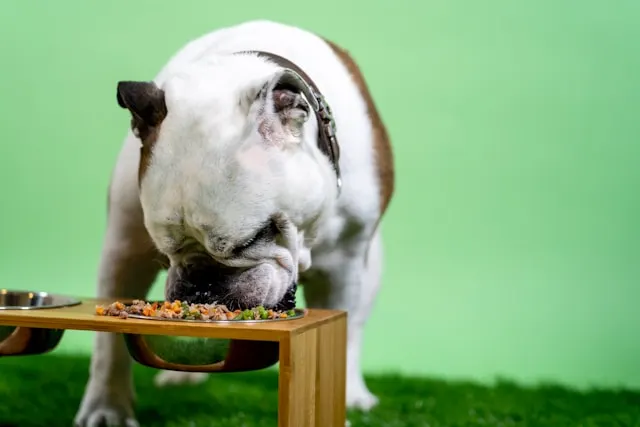
You measure out a scoop of kibble, pour it into the bowl, and your German Shepherd inhales the whole thing in ninety seconds flat. Twenty minutes later, he’s scratching his ears raw and leaving fur tumbleweeds across the kitchen. Sound familiar? Choosing the best dog food for German Shepherds isn’t just about picking a bag with a pretty label. This breed has specific nutritional demands that, when ignored, lead to real health problems down the road.
Quick Answer
The best dog food for German Shepherds is a high-protein formula (minimum 22–26% protein from named animal sources) with added glucosamine, omega-3 fatty acids, and balanced fiber for digestive health. Large-breed-specific recipes address this breed’s vulnerability to hip dysplasia, bloat, and sensitive stomachs. Adult German Shepherds thrive on 1,700–2,400 calories per day depending on activity level.
TL;DR: Look for a large-breed formula with real meat as the first ingredient, at least 5% fat from animal or fish sources, added joint support, and no artificial fillers. Avoid grain-free diets unless your vet specifically recommends one, and always transition foods gradually over 7–10 days.
Key Takeaways:
- German Shepherds need 22–26% protein from named animal sources like chicken, lamb, or salmon to maintain lean muscle mass.
- Joint support ingredients (glucosamine and chondroitin) should be built into their diet starting from young adulthood, not just old age.
- This breed is prone to bloat, so feeding two smaller meals per day in a slow feeder bowl is safer than one large meal.
- Omega-3 fatty acids from fish oil dramatically reduce the skin itching and excessive shedding German Shepherds are famous for.
- Transition any new food slowly over 7–10 days to avoid triggering their notoriously sensitive stomachs.

Table of Contents
Why the Best Dog Food for German Shepherds Matters More Than You Think
German Shepherds consistently rank among the top five most popular breeds in the United States, according to the American Kennel Club. They’re also one of the breeds most predisposed to diet-related health problems. That’s not a coincidence.
Their deep chest puts them at elevated risk for gastric dilatation-volvulus (bloat), a life-threatening emergency. Their large frame places enormous stress on hip and elbow joints, and the breed carries a genetic predisposition toward hip dysplasia. On top of that, German Shepherds are known for sensitive digestive tracts that react quickly to low-quality ingredients with loose stools, gas, and vomiting.
The wrong food doesn’t just cause a picky eater moment. It accelerates joint deterioration, triggers chronic skin problems, and can shorten your dog’s lifespan by years. Getting nutrition right from the start is one of the simplest ways to keep your German Shepherd healthy, active, and comfortable for the long haul. If your dog is already dealing with persistent itching, understanding the causes behind constant paw licking can help you identify whether diet is the underlying trigger.
How German Shepherd Nutrition Works
Think of your German Shepherd’s body like a high-performance engine. It needs premium fuel, not bargain-bin filler. Here’s what that fuel actually looks like, broken down by nutrient.
Protein: The Foundation
Protein builds and repairs muscle, supports immune function, and provides sustained energy. German Shepherds are athletic, muscular dogs that need more protein than many breeds. Look for formulas listing a named animal protein (chicken, beef, lamb, salmon, or turkey) as the very first ingredient. “Meat meal” is acceptable as a secondary ingredient, but vague labels like “animal by-products” or “meat and bone meal” are red flags.
Adult German Shepherds need a minimum of 22% protein, though active or working dogs benefit from 26% or higher. Puppies need at least 22% per AAFCO guidelines for large-breed growth formulas.
Fats: More Than Just Calories
Healthy fats fuel your dog’s brain, support coat quality, and reduce inflammation. The minimum fat content should be around 5%, but most quality formulas sit between 12–18%. The type of fat matters as much as the amount. Named animal fats (chicken fat, salmon oil) are far more nutritious than generic “animal fat.”
Omega-3 fatty acids deserve special attention for German Shepherds. These essential fats reduce joint inflammation, support cognitive function, and directly address the breed’s tendency toward dry, itchy skin and heavy shedding.
Carbohydrates and Fiber
Contrary to popular internet advice, grains are not the enemy. Brown rice, oatmeal, and barley provide slow-releasing energy and soluble fiber that supports healthy digestion. The FDA has flagged potential links between grain-free diets and dilated cardiomyopathy (DCM) in dogs, so unless your veterinarian has identified a specific grain allergy, stick with grain-inclusive formulas.
Fiber content between 3–5% keeps your German Shepherd’s digestion moving smoothly without causing loose stools. Sweet potatoes and pumpkin are excellent natural fiber sources you’ll see in higher-quality foods.
Joint-Support Nutrients
Because German Shepherds are genetically predisposed to hip and elbow dysplasia, food that includes glucosamine and chondroitin provides daily joint protection. According to the American Kennel Club, choosing a formula specifically designed for large breeds helps ensure proper calcium-to-phosphorus ratios that protect developing joints. You can learn more about supplements that support overall canine health in our dedicated guide.
Common Mistakes German Shepherd Owners Make with Food (and Fixes)
- Feeding one large meal per day. This dramatically increases bloat risk in deep-chested breeds. The fix: Split daily calories into two meals, morning and evening, and wait at least 30 minutes after eating before exercise.
- Choosing grain-free without veterinary guidance. Many owners assume grain-free equals healthier, but it often means higher legume content, which has been linked to heart issues. The fix: Unless your vet has confirmed a grain allergy through elimination trials, choose a grain-inclusive formula.
- Ignoring the calorie count. German Shepherds gain weight faster than most owners realize, especially after being spayed or neutered. The fix: Use your dog’s ideal weight, not current weight, to calculate daily calories. Most adults need 1,700–2,400 calories depending on activity.
- Switching foods overnight. This breed’s sensitive stomach punishes sudden changes with diarrhea and vomiting. The fix: Mix 25% new food with 75% old food for the first three days, then gradually shift the ratio over 7–10 days. If your dog develops diarrhea during transitions, slow the process down even further.
- Skipping the label entirely. Many premium-looking bags contain more corn and soy than actual meat. The fix: Read the first five ingredients. If a named protein isn’t first, and if you spot “corn gluten meal” or “soy protein” in the top three, keep looking.
- Free-feeding kibble all day. Leaving food out encourages overeating and makes it impossible to track intake. The fix: Offer measured portions at set meal times and pick up uneaten food after 20 minutes.
German Shepherds that gulp their food face a real bloat risk, especially during meals. A slow feeder bowl forces your dog to eat at a pace that allows proper chewing and reduces the amount of air swallowed.
JASGOOD Slow Feeder Dog Bowl is purpose-built for large breeds prone to bloating. The raised ridges create a maze pattern that slows eating speed by up to ten times compared to a standard bowl. It’s made from non-toxic, BPA-free materials and has a non-slip base that won’t slide across your kitchen floor during mealtime. The anti-gulping design is especially valuable for German Shepherds who treat every meal like a race. One limitation: very large kibble pieces can be harder to navigate through the ridges, so medium-sized kibble works best.
CHECK PRICE ON AMAZON: https://amzn.to/4bSghCM
Step-by-Step Guide to Choosing and Transitioning Your German Shepherd’s Food
- Identify your dog’s life stage. Puppies (under 12–18 months), adults (1–7 years), and seniors (7+ years) each need different nutrient ratios. If you’re feeding a senior German Shepherd, look for lower-calorie formulas with enhanced joint support. Large-breed puppy formulas control calcium levels to prevent skeletal issues during rapid growth.
- Check the AAFCO statement. Every bag should include a statement confirming the food meets AAFCO nutrient profiles for your dog’s life stage. “All life stages” is acceptable for adults but not ideal for large-breed puppies who need controlled growth rates.
- Read the first five ingredients. Named meat protein should be first. Whole grains or quality carbs (brown rice, oatmeal, sweet potato) should appear next. Avoid formulas where the first protein source is a plant protein like pea protein or corn gluten.
- Look for built-in joint support. Glucosamine at 300+ mg/kg and chondroitin at 100+ mg/kg in the guaranteed analysis indicates meaningful joint protection. Many generic foods list these ingredients but at doses too low to matter.
- Calculate your dog’s daily calories. Use this rough guide: moderately active adult German Shepherds need about 30 calories per pound of ideal body weight. A 75-pound dog needs approximately 2,250 calories per day, split across two meals.
- Start the transition. Days 1–3: 75% old food, 25% new food. Days 4–6: 50/50 mix. Days 7–9: 25% old food, 75% new food. Day 10: 100% new food. Watch for loose stools, vomiting, or refusal to eat. Any of these warrant slowing the transition.
- Monitor for four to six weeks. A successful food switch shows in your dog’s coat (shinier, less shedding), energy levels (consistent, not sluggish), stool quality (firm, consistent color), and weight stability.
German Shepherds with sensitive stomachs often benefit from daily digestive support during and after a food transition. A high-quality probiotic can make the difference between smooth sailing and days of stomach upset.
Purina Pro Plan Veterinary Supplements FortiFlora is one of the most widely recommended probiotics by veterinarians for dogs with sensitive digestive systems. It contains a guaranteed level of live, active microorganisms that promote intestinal health and balance gut flora. Each packet mixes easily into your dog’s food without changing the taste. It’s particularly useful during food transitions, after antibiotic treatments, or for dogs with chronic loose stools. The main downside is that it comes in individual packets rather than a bulk container, which makes it slightly less convenient for long-term daily use.
CHECK PRICE ON AMAZON: https://amzn.to/3ZySvV4
Troubleshooting Common Feeding Issues
- If your German Shepherd refuses the new food: Try warming it slightly with a splash of warm water or low-sodium bone broth. Temperature enhances aroma, which drives appetite in dogs.
- If stools become loose during transition: Slow the transition timeline. Drop back to the previous ratio for 2–3 extra days before moving forward again.
- If your dog is scratching more after switching foods: This could signal a protein allergy. Note the primary protein source and try a novel protein (venison, duck, or bison) that your dog hasn’t eaten before.
- If your dog is gaining weight on the new food: Reduce portions by 10% and reassess after two weeks. Many premium foods are more calorie-dense than budget brands, so equal scoops may mean more calories.
- If gas and bloating increase: Rule out that your dog isn’t eating too fast first. If the problem persists, the fiber or fat content may be too high. Look for formulas with moderate fiber (3–4%) and fat (12–15%).
- If your dog eats around certain kibble pieces: This usually means the kibble size is wrong. German Shepherds do best with medium-to-large kibble that encourages chewing rather than swallowing whole.
When to See a Veterinarian About Your German Shepherd’s Diet
Some feeding problems go beyond a simple food switch. See your vet promptly if you notice any of these red flags:
Your German Shepherd refuses food for more than 48 hours. Sudden appetite loss combined with lethargy, vomiting, or diarrhea may indicate a serious underlying condition, not just pickiness.
There’s blood in the stool or persistent black, tarry stools. This can indicate gastrointestinal bleeding that requires immediate attention.
Your dog’s abdomen appears distended or hard after eating, especially if accompanied by unproductive retching. This is a bloat emergency. Do not wait. Get to a vet immediately.
Chronic skin issues that don’t resolve after 6–8 weeks on a new diet may require allergy testing. Your vet can perform elimination diet trials or blood panels to pinpoint specific triggers.
Unexplained weight loss despite normal eating could signal parasites, metabolic disorders, or malabsorption issues. These conditions need diagnostic testing to identify.
German Shepherds with hip or joint stiffness may need more than dietary glucosamine alone. A targeted joint supplement delivers therapeutic doses that food alone often can’t provide, especially for dogs already showing mobility issues.
Wuffes Advanced Dog Hip and Joint Supplement delivers a comprehensive blend of glucosamine, chondroitin, MSM, omega-3s, and green-lipped mussel in a single chew. It’s designed specifically for dogs showing early joint stiffness or breeds predisposed to hip dysplasia. The pork-flavored soft chews are palatable enough that most dogs treat them like snacks, which makes consistent dosing easy. Each chew combines multiple active joint-support ingredients, so you don’t need to stack several different supplements. Keep in mind this formula is sized for small-to-medium breeds, so large German Shepherds may need a higher daily count to reach therapeutic doses.
CHECK PRICE ON AMAZON: https://amzn.to/4aRkWUs
Expert Opinion
Veterinary nutritionists consistently emphasize that German Shepherds benefit most from breed-appropriate feeding strategies rather than generic “premium” labels. According to the American Veterinary Medical Association, proper nutrition is the cornerstone of preventive health care, and large breeds with known genetic vulnerabilities need diets formulated to address those specific risks.
The research is clear: German Shepherds fed appropriately formulated large-breed diets with adequate joint support show measurably lower rates of early-onset arthritis compared to those fed generic adult formulas. Combined with portion control, slow feeding practices, and regular veterinary checkups, the right diet becomes your single most powerful tool for extending your German Shepherd’s quality of life. Remember, this guide provides general nutritional information and is not a substitute for personalized veterinary advice tailored to your individual dog’s health status.
One nutrient that deserves its own spotlight is omega-3. German Shepherds shed heavily year-round, and many develop dry, flaky skin that leads to constant scratching. A daily omega-3 supplement addresses this at the cellular level by reducing skin inflammation and promoting a healthier coat.
Zesty Paws Wild Alaskan Omega-3 Blend Pollock + Salmon Oil is a pump-top liquid that mixes directly into your dog’s food. Sourced from wild-caught Alaskan pollock and salmon, it provides EPA and DHA fatty acids that support skin, coat, joint, and heart health. The 32-ounce bottle lasts several weeks for a large breed, and most dogs love the fish flavor. It’s a practical addition for German Shepherds dealing with excessive shedding, dry skin, or dull coats. The one drawback: the fish smell is noticeable, so store it sealed and expect a slight odor at mealtime.
CHECK PRICE ON AMAZON: https://amzn.to/4akcAVn
FAQs
How much should I feed my German Shepherd per day?
Most adult German Shepherds need 2.5–3.5 cups of high-quality kibble daily, split into two meals. Adjust based on activity level, age, and whether your dog trends lean or heavy.
Is grain-free food better for German Shepherds?
No. Unless your vet has identified a specific grain allergy, grain-inclusive diets are recommended. The FDA has investigated links between grain-free diets and heart disease in dogs.
What protein source is best for German Shepherds with allergies?
Novel proteins like venison, duck, bison, or salmon work well for dogs with sensitivities. Avoid chicken and beef first, as these are the most common allergens. Our guide on the best dog food for allergies covers this in detail.
How do I know if my German Shepherd’s food is causing skin problems?
Watch for excessive scratching, ear infections, paw licking, and hot spots that appear within weeks of starting a new food. An elimination diet supervised by your vet is the gold standard for identifying food allergies.
Should German Shepherd puppies eat large-breed puppy food?
Yes. Large-breed puppy formulas control calcium and phosphorus ratios that prevent skeletal abnormalities during rapid growth phases. Standard puppy food can cause bones to grow too fast.
Can I feed my German Shepherd a raw diet?
You can, but it requires careful planning to ensure complete nutrition. If you’re considering this route, review our raw vs. kibble comparison guide to understand the tradeoffs before making the switch.
How often should I change my German Shepherd’s food?
There’s no need to switch regularly if your dog is thriving. Change only when nutritional needs shift (puppy to adult, adult to senior) or if health issues arise that warrant a dietary adjustment.
What ingredients should I avoid in German Shepherd food?
Steer clear of BHA, BHT, ethoxyquin, artificial colors, corn syrup, and excessive soy or corn fillers. Also avoid foods listing “animal by-products” as a primary protein source.
Is wet food or dry food better for German Shepherds?
Dry kibble is generally preferred because it supports dental health and is more cost-effective for large breeds. Mixing a small amount of wet food with kibble can boost palatability for picky eaters.
Do German Shepherds need supplements on top of their food?
A well-formulated large-breed food covers most bases. However, adding an omega-3 supplement for coat health and a joint supplement for hip support provides extra breed-specific protection that many German Shepherd owners find worthwhile.
Conclusion
Finding the best dog food for German Shepherds comes down to understanding what this breed genuinely needs rather than falling for marketing hype. High-quality animal protein, healthy fats with omega-3s, controlled calories, and built-in joint support form the foundation of a diet that keeps your German Shepherd strong, lean, and comfortable for years to come.
Start by reading labels closely, prioritizing large-breed-specific formulas, and transitioning slowly to protect that famously sensitive stomach. Add a slow feeder bowl to reduce bloat risk, and consider targeted supplements for joints and skin if your dog needs extra support. Small, consistent choices today prevent expensive health problems tomorrow.
Your German Shepherd depends on you to make smart feeding decisions. Pick one change from this guide, implement it this week, and watch how your dog responds. A shinier coat, firmer stools, and more energy at the park are often just a food switch away.